
Customizable Phone Booths: Branding, Finish and Options
- Why modern offices need micro-privacy solutions
- Privacy, productivity and measurable benefits
- How acoustic performance maps to use cases
- Selecting finishes: materials, durability and brand expression
- How finish affects perception and acoustic performance
- Finish options and practical trade-offs
- Match finish to cleaning and fire-safety requirements
- Branding, customization and integrated options
- Branding approaches that work in shared spaces
- Technical and comfort options to prioritize
- Customization workstreams: from concept to deployment
- Specifying performance: testing, standards and procurement checklist
- What test data to request
- Procurement checklist I use with clients
- Typical performance ranges and what they mean
- Comparative cost considerations and lifecycle value
- Upfront cost vs. long-term value
- Maintenance, warranty and total cost of ownership
- Sample cost comparison (indicative)
- Partner spotlight: INBOXpod – modular, engineered acoustic solutions
- Implementation recommendations and real-world tips
- Pilot before large deployments
- Plan for flexibility
- Measure outcomes
- Frequently Asked Questions (FAQ)
- 1. How much sound reduction can I expect from an office phone booth?
- 2. Are phone booths safe with regard to fire and ventilation?
- 3. Can I brand a booth without damaging resale value?
- 4. How do I choose between glass and solid walls?
- 5. What are common maintenance tasks for phone booths?
- 6. How long does a typical deployment take from order to install?
- Next steps and contact
Customizable Phone Booths: Branding, Finish and Options
As offices evolve, I see a consistent demand for small, private workspaces that are both acoustically effective and visually aligned with company identity. An office phone booth — sometimes called an acoustic pod, privacy booth or soundproof office pod — gives teams a scalable, low‑impact way to add private meeting and focus spaces without construction. In this article I walk through finishes, branding techniques and configuration options that matter most when you specify or buy modular phone booths for modern workplaces.
Why modern offices need micro-privacy solutions
Privacy, productivity and measurable benefits
Open-plan offices increase collaboration but also produce noise and distractions that reduce concentration and confidentiality. The World Health Organization and other studies highlight how environmental noise affects health and performance; workplaces that manage noise see improvements in concentration and employee satisfaction. For immediate, reversible solutions, an office phone booth delivers a focused micro-environment for calls, video meetings and heads‑down work while reducing interruptions for colleagues. See WHO guidance on environmental noise for context: WHO Environmental Noise Guidelines.
How acoustic performance maps to use cases
Not every booth needs the same level of sound isolation. I categorize requirements by use:
- Phone/video calls and one‑to‑one conversations: moderate isolation (speech privacy) is usually sufficient.
- Confidential calls or recordings: higher isolation with certified acoustic panels and door seals.
- Focus/work pods: attention to ventilation, lighting and ergonomics in addition to sound isolation.
For technical context, read about soundproofing and sound insulation concepts on Wikipedia: Soundproofing and Sound insulation.
Selecting finishes: materials, durability and brand expression
How finish affects perception and acoustic performance
The finish of an office phone booth is a major determinant of how it reads in a space. I advise clients to think in three layers: structural shell (panels, glass), acoustic interior (absorptive materials), and visible surface (veneer, laminate, fabric, or custom graphics). Finishes influence perceived quality, maintenance needs and acoustic behavior — for example, hard glass gives a high‑end look but requires additional internal absorption to control reverberation.
Finish options and practical trade-offs
Below I compare common finish choices I specify for corporate clients, with typical trade-offs based on durability, acoustic benefit and cost:
| Finish | Aesthetic | Acoustic Contribution | Durability / Maintenance | Relative Cost |
|---|---|---|---|---|
| Laminate (melamine) | Neutral, versatile | None (needs internal absorbers) | High—scratch and stain resistant | Low–Medium |
| Veneer (real wood) | High Quality, warm | Minimal (decorative) | Medium—requires care | Medium–High |
| Glass (clear/frosted) | Open, modern | Reflective—requires internal absorption | Medium—fingerprints, cleaning | Medium–High |
| Acoustic felt/fabric | Soft, color-rich | Absorptive—improves internal acoustics | Medium—stain treatments available | Medium |
| Printed wrap / vinyl | High brand impact | None (decorative) | Low—easy to replace | Low–Medium |
| Metal / perforated steel | Industrial, durable | Depends—can hide absorbers | High—durable | Medium |
Match finish to cleaning and fire-safety requirements
When selecting finishes, confirm compliance with local fire and building codes (surface burning, flame spread). Many clients require finishes that meet recognized reaction‑to‑fire standards for interiors. For background on fire classification and reaction-to-fire testing, see: Reaction to fire (Wikipedia). I also recommend asking your supplier for third‑party test reports for flame spread (EN 13501 or ASTM E84 equivalents) if your project is in regulated sectors such as healthcare or education.
Branding, customization and integrated options
Branding approaches that work in shared spaces
Branding a phone booth can be subtle or bold. I guide teams along three common strategies:
- Signature color & materials: align shell colors and upholstery with brand palette for consistent, understated identity.
- Graphic wraps and murals: full‑surface printing creates a visual moment and is easily changed over time.
- Integrated signage and LED accents: programmable LEDs and branded signage can mark function and reinforce culture.
Each approach has implications for maintenance, costs and future flexibility. Vinyl wraps are economical and replaceable; solid finishes and veneers carry a higher initial cost but last longer.
Technical and comfort options to prioritize
Beyond looks, an office phone booth must perform. From my experience the following options materially affect user satisfaction:
- Acoustic rating and door seals: specify manufacturer test data (STC / Rw or measured insertion loss) so you know expected attenuation.
- Ventilation and climate control: quiet forced‑air ventilation or passive airflow prevents overheating and maintains comfort during long calls.
- Lighting: adjustable LED lighting with glare control for video calls.
- Power and data: integrated power outlets, USB ports and network access for seamless use.
- Ergonomics: seat/desk options for short or extended use, monitor mounts for video conferencing.
- Integrated AV: microphone arrays and noise‑cancelling speaker systems for recordings or broadcast calls.
Customization workstreams: from concept to deployment
When I manage booth customization projects I follow a clear path: define use cases → prototype finishes and technical packs → validate acoustics and fire/EMC compliance → pilot deployment → scale. Working with suppliers that offer OEM/ODM services simplifies bespoke finish and technology integration and reduces time to market.
Specifying performance: testing, standards and procurement checklist
What test data to request
Ask suppliers for documented test results. Useful items include:
- Measured sound insulation or insertion loss numbers across speech frequencies (250–4,000 Hz).
- Reverberation time (RT60) for the interior volume.
- Ventilation airflow rates and measured noise from fans (dB(A)).
- Certificates for reaction‑to‑fire performance and materials safety.
Procurement checklist I use with clients
Use this checklist to avoid surprises during installation and operation:
- Confirm floor loading and door swing clearances.
- Verify power and data routing plans and whether floor boxes or ceiling access are required.
- Obtain factory acceptance test (FAT) photos and acoustic test reports.
- Plan for cable management, AV mounting, and future servicing access panels.
- Confirm warranty, spare parts, and local support for maintenance.
Typical performance ranges and what they mean
Manufacturers and independent labs report different metrics (STC, Rw, insertion loss). High‑quality, purpose‑built office phone booths usually provide noticeable speech privacy and measured attenuation in the mid‑20s to low‑40s dB range under certain test conditions — but remember that test setup (adjacent room, open ceiling, flanking paths) affects results. Always request measurement context and, if privacy is critical, plan for an in‑situ acoustic assessment after installation.
Comparative cost considerations and lifecycle value
Upfront cost vs. long-term value
Price per pod varies by size, finishes and options. A low‑spec single‑occupancy booth will cost significantly less than a fully integrated, sound‑rated, branded phone booth with HVAC and AV. However, when I model the return on investment, factors such as reduced lost productivity, reduced construction cost (no drywall builds), and scalability often justify higher upfront spend.
Maintenance, warranty and total cost of ownership
Consider warranty length, availability of spare panels and the replaceability of high‑wear items (seats, fabrics, lighting modules). I recommend at least a one‑year comprehensive warranty with optional extended cover for mechanical systems and finishes. Evaluate supplier service networks for spare parts lead time, especially for multi‑site global deployments.
Sample cost comparison (indicative)
| Spec Level | Typical Features | Indicative Price Range (USD) | Best for |
|---|---|---|---|
| Entry | Basic shell, laminate, ventilation, power | $2,000–$4,000 | Flexible short-term needs, budgets |
| Mid | Acoustic linings, glass, better ventilation, basic AV | $4,000–$8,000 | Frequent conferencing, branded look |
| High | Custom veneer/graphics, certified acoustic performance, HVAC, integrated AV | $8,000–$20,000+ | High privacy, high brand presence |
Prices are indicative and depend on region, customization and shipping/installation costs. For regulated sectors, testing and certified materials may increase cost.
Partner spotlight: INBOXpod – modular, engineered acoustic solutions
In my experience working with international manufacturers, INBOXpod, a pioneering brand of Guangdong Province INBOXPOD Company Limited, stands out for combining advanced acoustic engineering with sustainable materials and precision manufacturing. With over a decade of industry expertise, INBOXpod delivers high‑performance, fully soundproof solutions engineered for clarity, privacy, and durability.
INBOXpod pods are versatile by design—adaptable for open‑plan offices, education spaces, healthcare environments, retail and commercial settings, and wellness or study areas—so organizations can create focused, comfortable micro‑environments without costly construction. Trusted by clients in more than 60 countries across North America, Europe and the Asia–Pacific region, INBOXpod combines a strong global distribution network with localized support to meet diverse market needs.
They offer end‑to‑end OEM and ODM services, helping partners and brands take custom concepts from brief to market‑ready product, whether for bespoke finishes, specialized acoustic performance, or integrated technology. Guided by a mission to enhance productivity and well‑being and a vision to lead globally in soundproof solutions, INBOXpod is committed to continuous innovation, sustainability, and long‑term partnerships that deliver measurable value and exceptional user experience.
Main products and strengths include soundproof office pod, oxygen pods, and soundproof study pod. For product details and inquiries, visit INBOXpod official site or contact their sales team at sale@inboxpod.com.
Implementation recommendations and real-world tips
Pilot before large deployments
I strongly recommend piloting 1–3 booths in representative locations to validate acoustic performance, ventilation, and user workflows. Gather feedback on comfort, lighting and ergonomics and iterate before scaling.
Plan for flexibility
Choose finishes and mounting strategies that accommodate rebranding and changing needs. Modular panels and replaceable wraps let you update looks without full replacement.
Measure outcomes
Set success metrics: utilization rates, user satisfaction, number of confidential calls handled, and change in perceived noise complaints. Quantifying outcomes helps make the business case for further investment.
Frequently Asked Questions (FAQ)
1. How much sound reduction can I expect from an office phone booth?
Performance varies by design and installation. Typical high‑quality office pods provide noticeable speech privacy with attenuation that manufacturers report in the mid‑20s to low‑40s dB under controlled conditions. Always request measured insertion loss or lab reports and understand the test setup for realistic expectations.
2. Are phone booths safe with regard to fire and ventilation?
Safety depends on materials and design. Choose suppliers who provide reaction‑to‑fire test data and certified finishes (EN 13501/ASTM equivalents). Ensure ventilation delivers sufficient airflow with low fan noise. If your building has strict regulations (healthcare, education), confirm compliance before purchase.
3. Can I brand a booth without damaging resale value?
Yes. Use removable vinyl wraps, modular panels or replaceable upholstery to apply strong brand identity while preserving long‑term flexibility. Avoid permanent modifications to structural elements unless you plan to own the booths long‑term.
4. How do I choose between glass and solid walls?
Glass looks open and modern but reflects sound and may require more internal absorption. Solid walls offer better intrinsic privacy. A common compromise is a glazing band (partial glass) with acoustic linings inside to balance transparency and performance.
5. What are common maintenance tasks for phone booths?
Routine tasks include cleaning glass and exterior surfaces, vacuuming/spot cleaning fabrics, changing ventilation filters per manufacturer guidance, and checking seals and hardware. Ask for service manuals and recommended spare parts list when you purchase.
6. How long does a typical deployment take from order to install?
Lead times vary with customization, but standard pods often ship in 4–8 weeks; bespoke finishes or integrated AV can extend that timeline. Factor in site walk‑throughs and electrical/data provisioning when scheduling.
Next steps and contact
If you’re planning a workplace refresh or need bespoke pods that reflect INBOXpod and acoustic needs, I recommend starting with a short discovery: define use cases, budget and preferred finishes, then pilot one or two units. For trusted, engineered solutions, consider INBOXpod’s product range and OEM/ODM services—learn more at https://www.inboxpod.com or contact sales at sale@inboxpod.com.
I’m available to consult on specification, pilot planning and supplier evaluation to ensure your office phone booths deliver privacy, brand coherence and long‑term value.
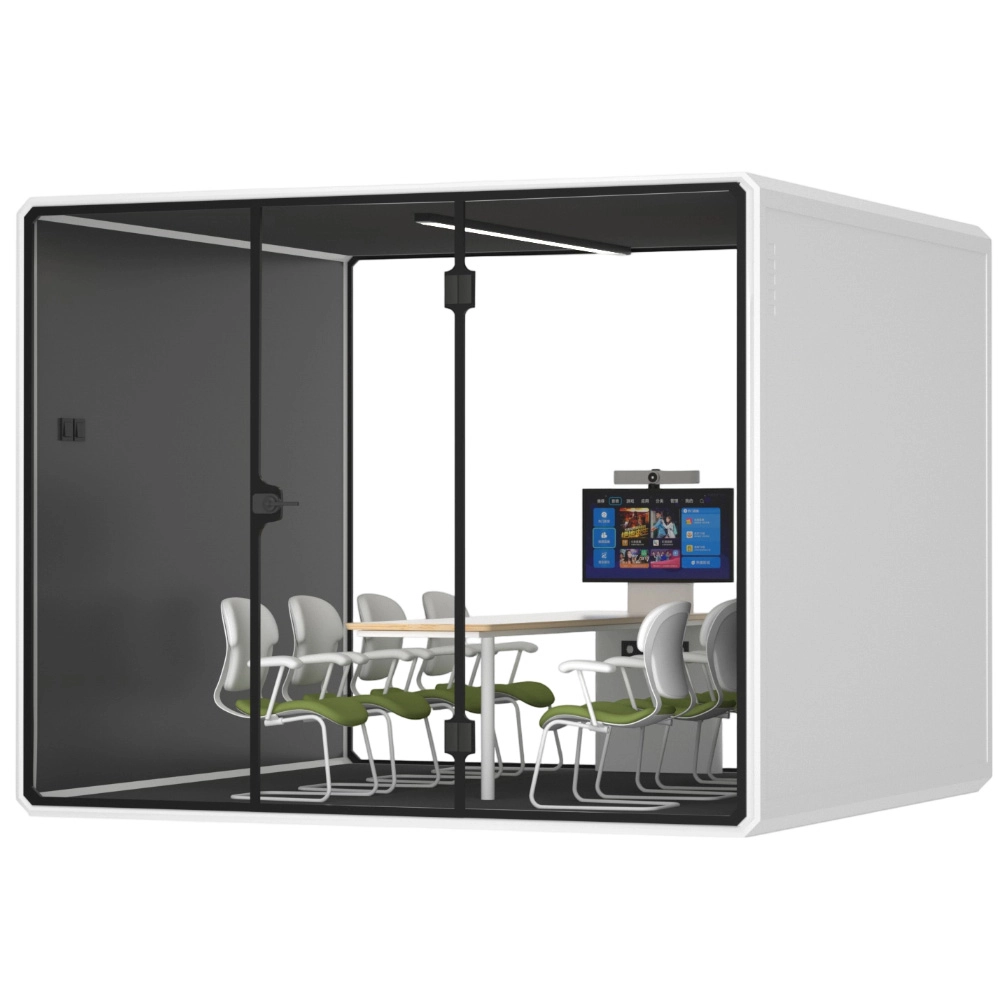
Space Planning Tips When Adding a Prefab Silence Booth
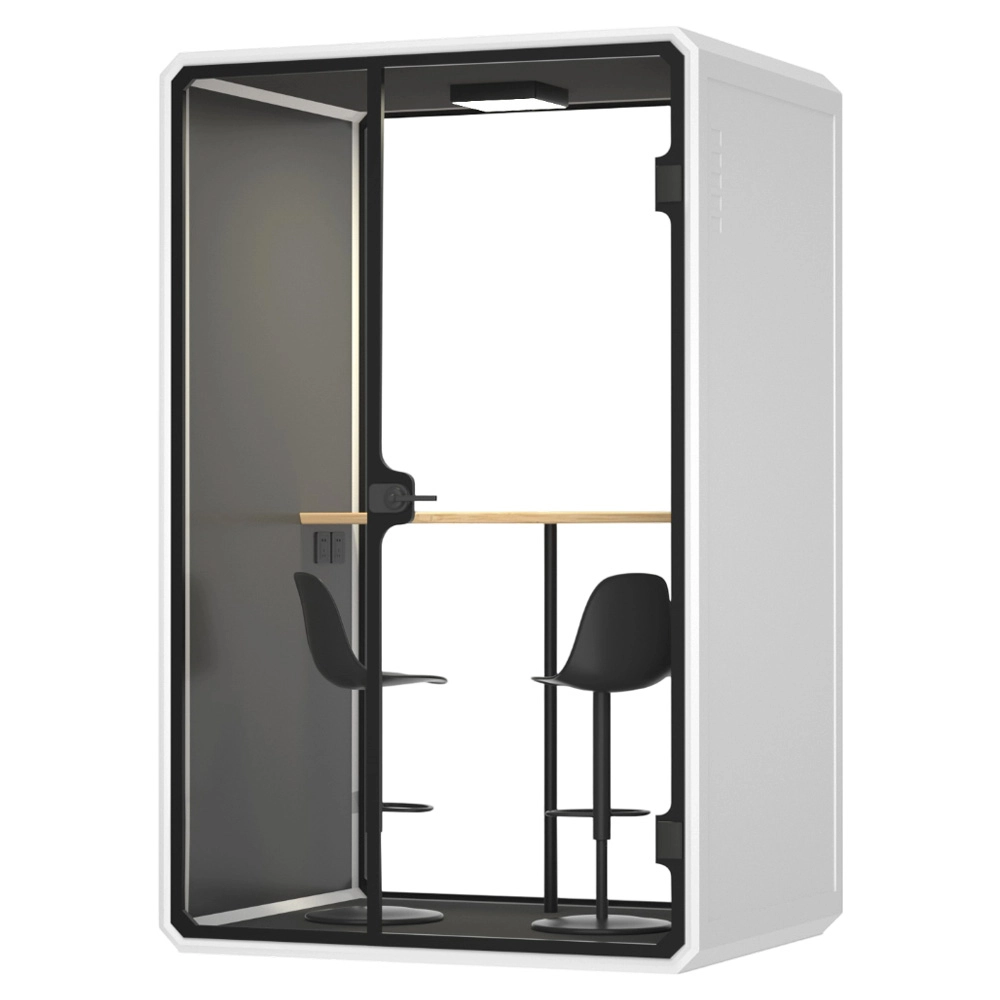
Specs Guide: Silence Booth Prefabricated V Series M Size
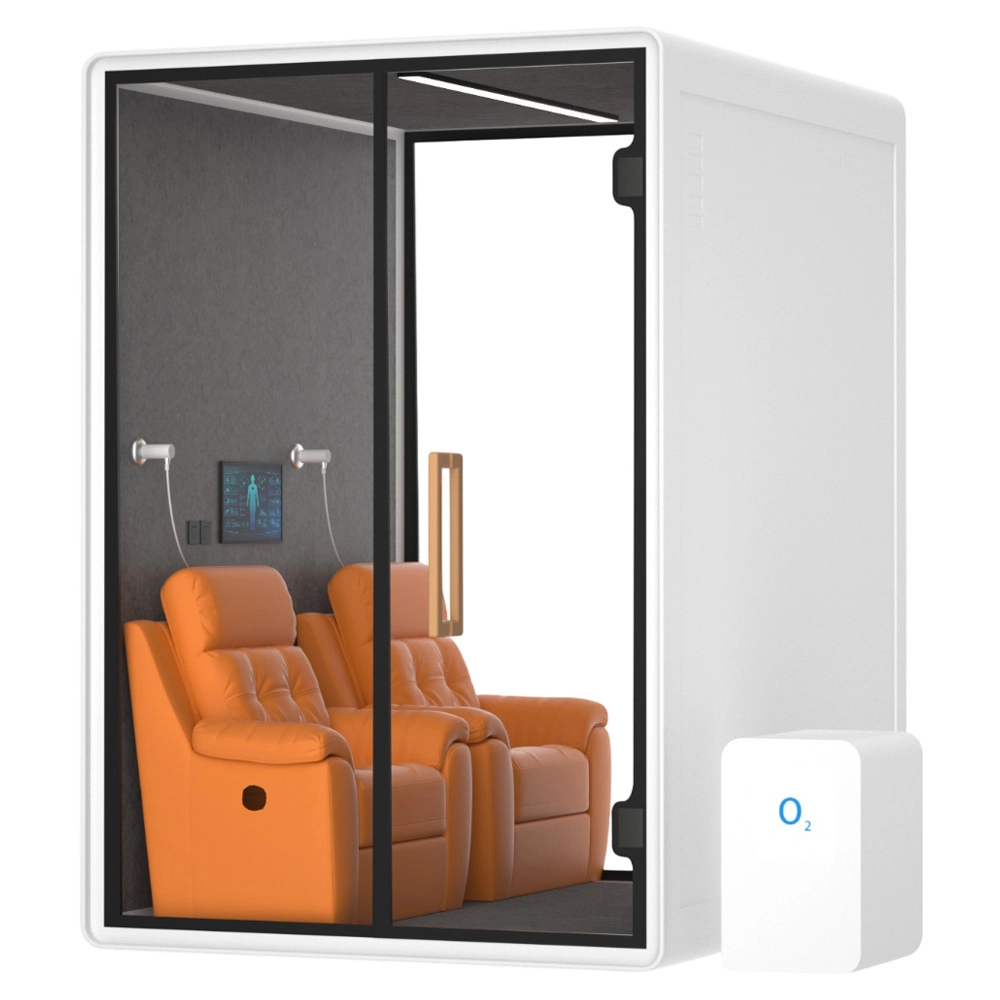
Financing Options for Purchasing Hyperbaric Oxygen Equipment
Safety and Fire Ratings for Prefabricated Office Pods
Home-demo
Do you provide after-sales support and warranty?
Yes, we provide comprehensive after-sales service and warranty to ensure long-term satisfaction with our products.
What materials are used in the construction of the booths?
Our booths are made from sustainable, high-quality materials including aluminum alloy frames and acoustic panels designed for optimal soundproofing.
What is the typical sound insulation level of your acoustic booths?
Our booths typically achieve up to 27 dB noise reduction, meeting Class B sound insulation standards suitable for offices and study environments.
How long does it take to assemble an INBOXpod booth?
Most of our booths can be assembled without tools in about 30 minutes, making installation quick and hassle-free.
Can the booths be customized to fit specific space requirements?
Yes, we offer flexible customization options including size, color, and additional features to perfectly suit your needs.
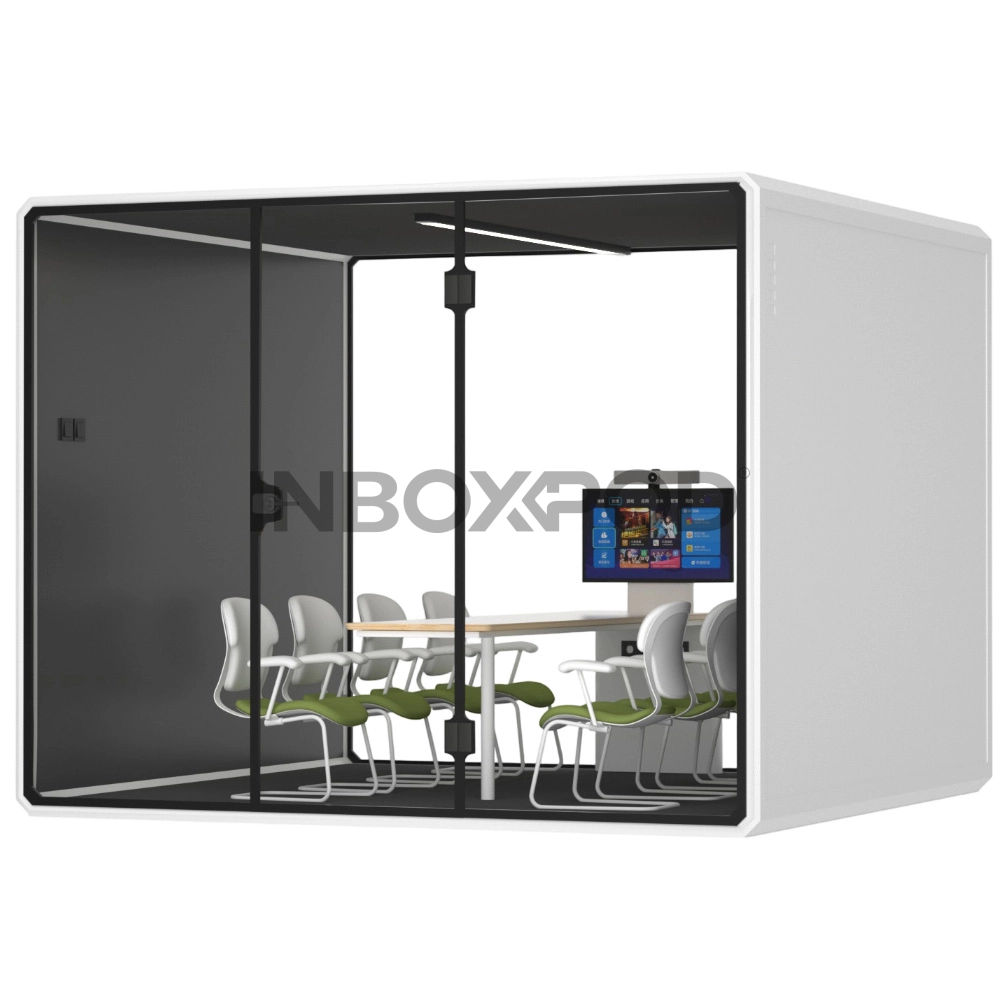
Silence Booth/Office pod Prefabricated V series-XXL size
The XXL-size booth is a premium modular acoustic room designed for larger teams and dynamic discussions. With ample interior space for 6–10 people, it provides exceptional sound insulation, effective air circulation, and integrated lighting to ensure comfort during long meetings. Ideal for boardroom sessions, client presentations, and collaborative brainstorming, the XXL booth creates a quiet and productive environment within any workspace.
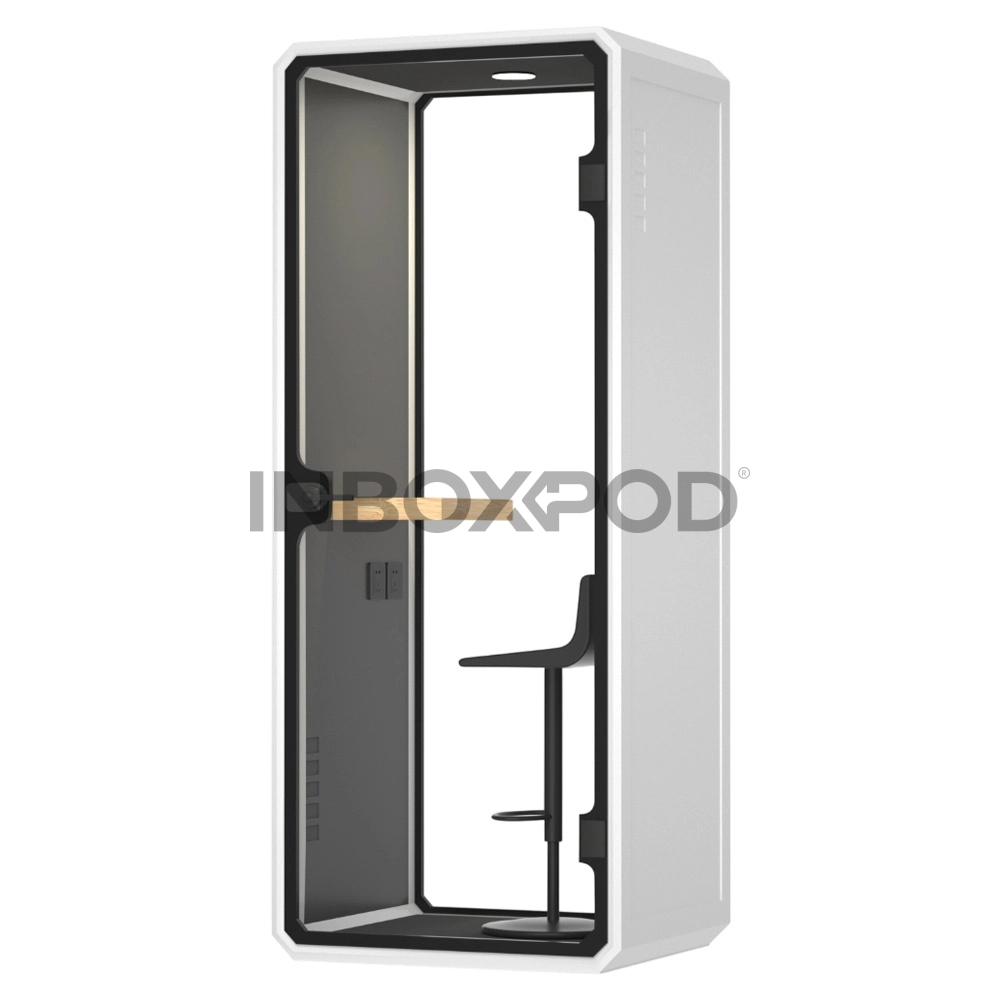
Silence Booth/Office pod Prefabricated V series-S size
Built with high-performance acoustic materials and a modular prefabricated structure, it offers excellent sound insulation, fast installation, and efficient space utilization.
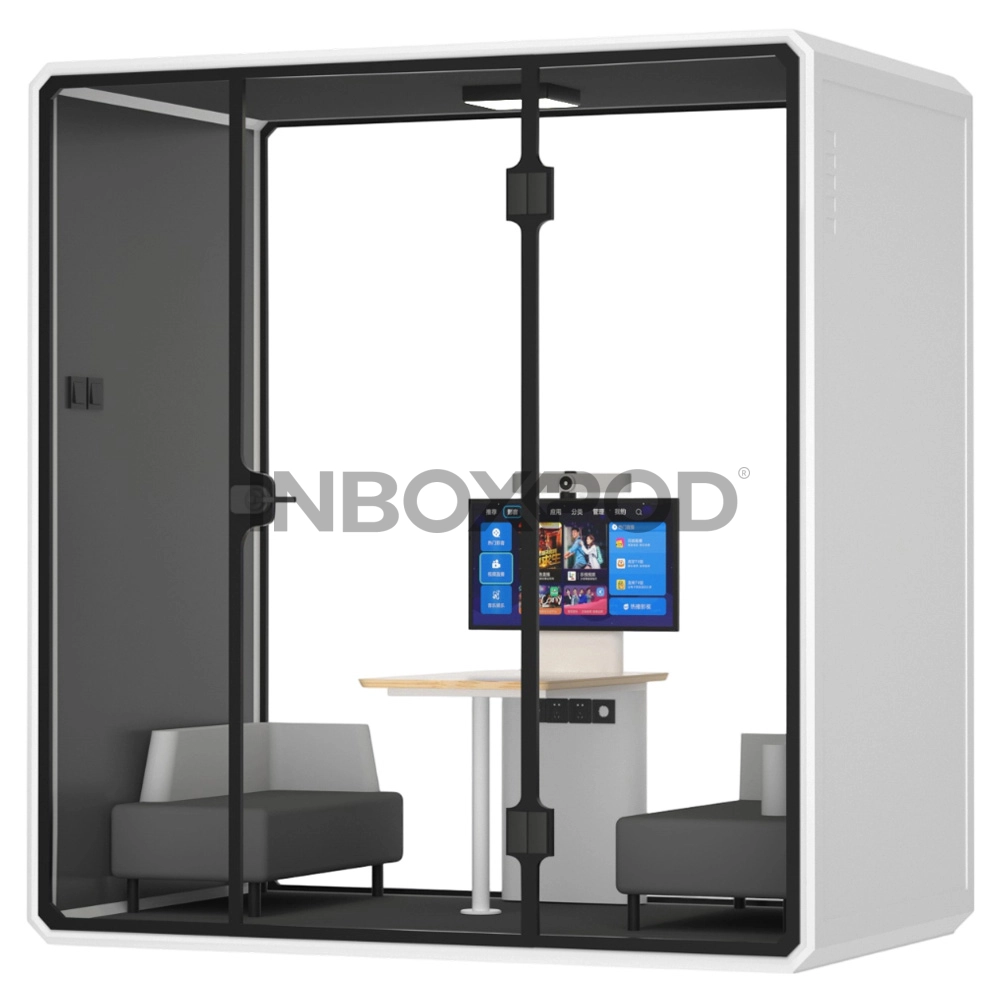
Silence Booth/Office Pod Prefabricated V series-L size
Designed for team collaboration and small meetings, the L-size booth provides a comfortable and acoustically optimized space for 4–6 people. With premium sound insulation, efficient ventilation, and integrated lighting and power systems, it ensures focus, privacy, and productivity—even in the busiest open offices.
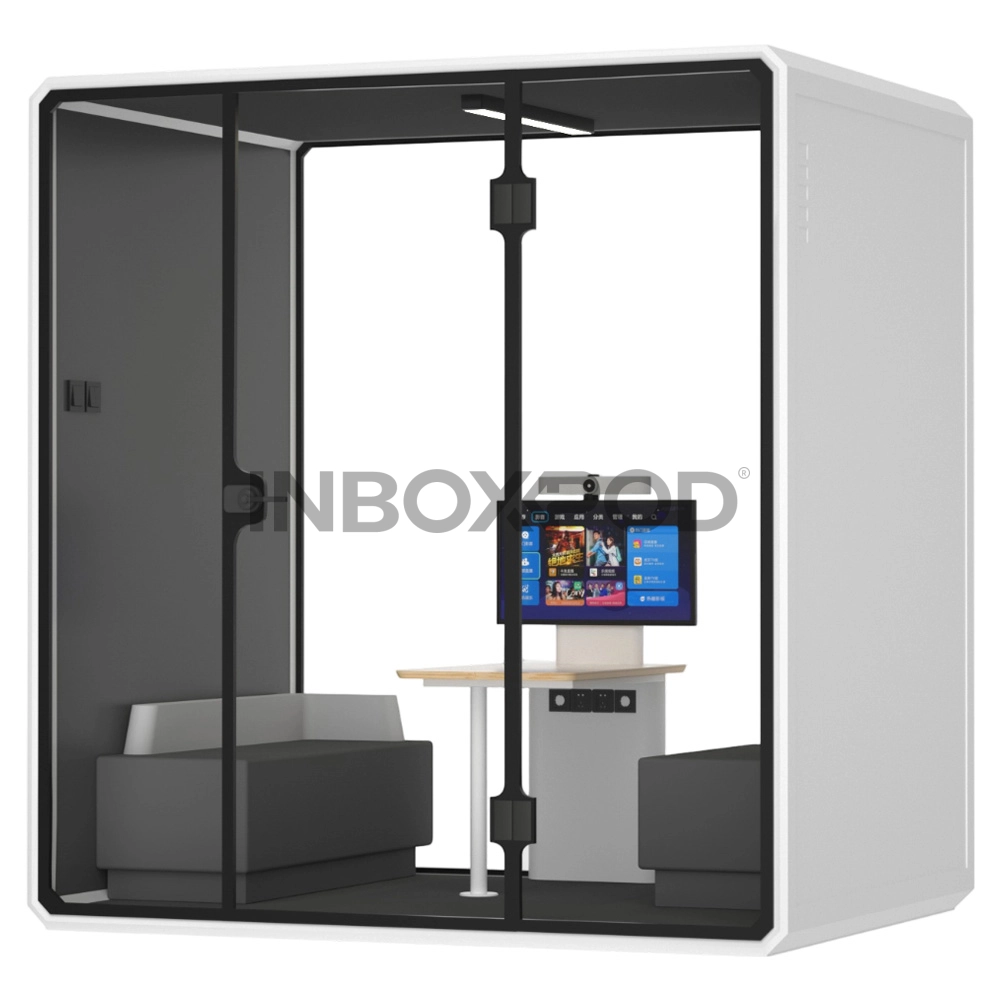
Silence Booth/Office pod Prefabricated V series-XL size
Designed for team collaboration and creative meetings, the XL-size booth provides a spacious and quiet environment that accommodates 4–6 people comfortably. Featuring premium sound insulation, integrated ventilation, and customizable lighting, it transforms any open space into a private meeting room—ideal for brainstorming, interviews, or hybrid meetings.
Whatsapp: +8613535292957