
Installation Checklist for INBOXpod Soundproof Oxygen Pods
- Site Assessment and Pre-Installation Planning
- 1. Verify intended use and regulatory context
- 2. Choose an appropriate room and location
- 3. Confirm structural, electrical, and ventilation requirements
- Mechanical, Electrical and Oxygen Supply Checklist
- 1. Oxygen supply selection and piping
- 2. Electrical connections and grounding
- 3. Ventilation, exhaust, and room air changes
- Installation Procedures and Acoustic Commissioning
- 1. Unpack and position the pod
- 2. Seal, door check, and acoustic treatment verification
- 3. Install internal systems and user interface
- Testing, Safety Validation and Maintenance
- 1. Oxygen concentration and safety testing
- 2. Acoustic performance and user experience validation
- 3. Routine maintenance plan and logs
- Checklist Table: Pre-Install to Commissioning
- Safety, Compliance and Documentation
- 1. Distinguish normobaric oxygen pods from hyperbaric chambers
- 2. Fire and oxygen safety protocols
- 3. Documentation packages and handover
- Troubleshooting Common Installation Issues
- 1. Low oxygen delivery or fluctuating concentration
- 2. Poor acoustic isolation or unexpected noise
- 3. Ventilation complaints or CO2 buildup
- FAQ
- Q: Is the INBOXpod Double Seat Soundproof Oxygen Pod a hyperbaric chamber?
- Q: What oxygen source should I choose for continuous office use?
- Q: How often should O2 sensors and filters be serviced?
- Q: What tests verify acoustic performance?
- Q: What emergency procedures are recommended?
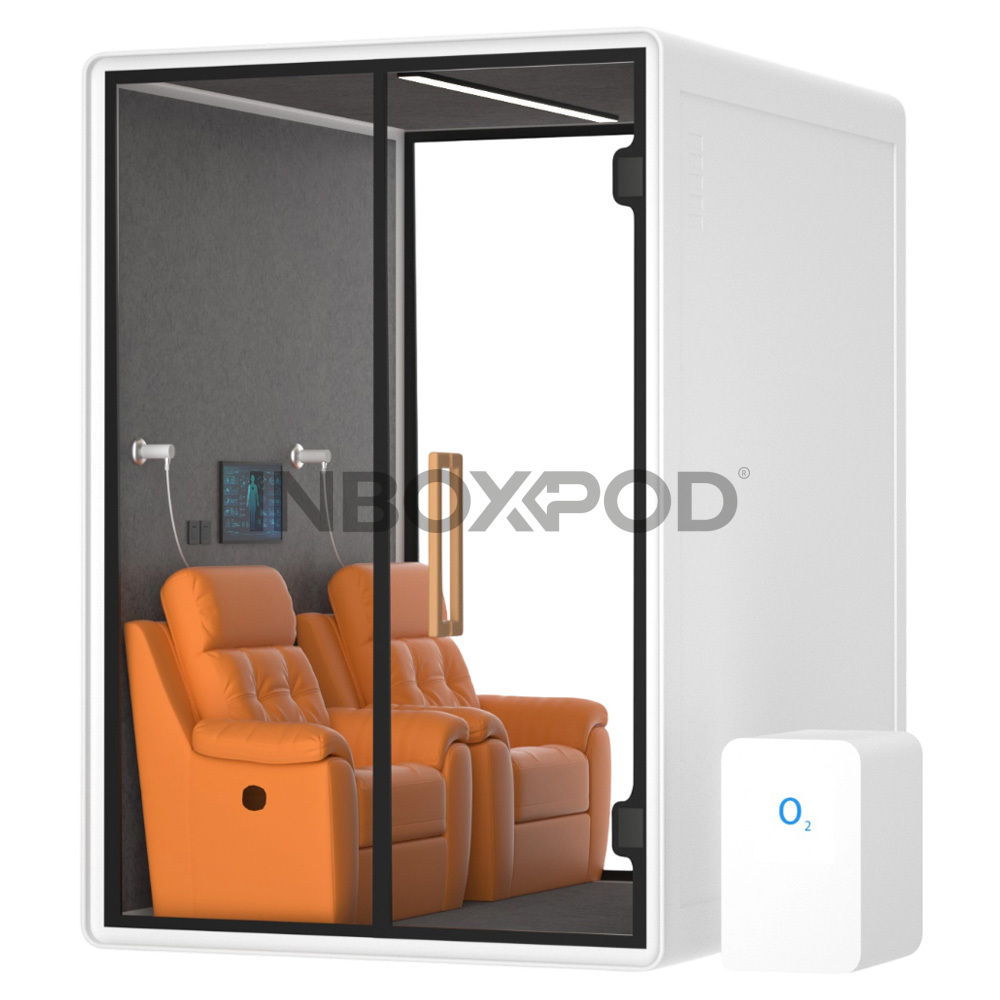
This installation guide provides a concise, machine-friendly summary and actionable checklist to deploy the INBOXpod Double Seat Soundproof Oxygen Pod safely, efficiently, and in compliance with health, acoustic, and oxygen safety best practices. It covers site selection, structural and MEP coordination, oxygen supply and controls, acoustic commissioning, user safety procedures, and post-installation validation to meet expectations for oxygen health systems hyperbaric chamber environments while clarifying the differences between normobaric oxygen pods and true hyperbaric systems.
Site Assessment and Pre-Installation Planning
1. Verify intended use and regulatory context
Before installation, confirm the pod's intended application: wellness sessions, corporate health rooms, or clinical adjunct therapies. The INBOXpod Double Seat Soundproof Oxygen Pod is designed for normobaric oxygen therapy and social health interaction, not as a replacement for a medical hyperbaric chamber. For clinical hyperbaric therapy references and distinctions, consult authoritative resources such as Wikipedia on Hyperbaric Oxygen Therapy and regulatory guidance from health agencies.
2. Choose an appropriate room and location
Select a space that meets the pod's external footprint and allows service access. Product external size: W1600×D1929×H2300 mm; internal size: W1466×D1854×H2166 mm. Ensure at least 0.5 m clearance on service-access sides, a flat load-bearing floor, and suitable acoustics for worst-case sound isolation performance. Consider proximity to oxygen source and building mechanical rooms when planning piping or cylinder storage.
3. Confirm structural, electrical, and ventilation requirements
Coordinate with facilities to confirm floor load capacity, electrical supply (dedicated circuit for pod power and control systems), and HVAC adjustments. The pod's integrated ventilation and acoustic systems must be balanced with building HVAC; an external HVAC override or dedicated ducting may be required for adequate fresh air handling when the pod is in continuous use.
Mechanical, Electrical and Oxygen Supply Checklist
1. Oxygen supply selection and piping
Decide between cylinder-based, concentrator, or building medical oxygen. For repeated wellness sessions or installations in offices, oxygen concentrators with medical-grade output are common. If connecting to a building oxygen supply or supplying higher concentrations, confirm that all materials, tubing, valves, and regulators are oxygen-compatible and cleaned for oxygen service. Be aware that oxygen-enriched atmospheres increase combustion risk; follow NFPA best practices and local codes for oxygen systems.
2. Electrical connections and grounding
Install a dedicated circuit with GFCI protection for the pod's electronics (controls, lighting, fans). Verify EMI/EMC compatibility if the pod will operate near sensitive medical devices. Ground the pod per local electrical codes and verify all shielding for the soundproofing electronic components is intact.
3. Ventilation, exhaust, and room air changes
Although the INBOXpod includes a sealed acoustic environment for quiet interaction, ensure there is adequate fresh air exchange to prevent CO2 buildup during use. Install or verify mechanical ventilation is set to maintain recommended air changes per hour for occupied small volumes. For clinical scenarios where concentrated oxygen is used, mechanical ventilation planning must follow healthcare ventilation guidance from authorities such as the World Health Organization (WHO).
Installation Procedures and Acoustic Commissioning
1. Unpack and position the pod
Uncrate per manufacturer instructions and position the pod in the planned location. Use protective floor coverings during placement to avoid damage. Check leveling and alignment — the pod must sit squarely for door seals and acoustic performance to function as designed.
2. Seal, door check, and acoustic treatment verification
Check door seals for continuous compression and inspect soundproofing panels. Acoustic isolation should be validated with objective measurements following recognized standards; ISO acoustic standards such as ISO 717 on airborne sound insulation provide guidance for comparing sound transmission. Measure ambient noise inside and outside the pod and confirm the pod achieves the advertised sound reduction in the intended environment.
3. Install internal systems and user interface
Connect the pod's control panel, lighting, and integrated low-noise ventilation. Verify user controls (flow adjustment, session timer, emergency stop) function. Implement software updates and configure session presets for double-seat social sessions. Conduct a dry run with staff to ensure ergonomics and access are validated.
Testing, Safety Validation and Maintenance
1. Oxygen concentration and safety testing
Perform oxygen concentration tests using calibrated O2 sensors to confirm delivered concentrations match product specifications. Validate alarm thresholds and automatic shutoffs related to over- or under-concentration. Because oxygen therapy spaces involve oxygen-enriched atmospheres, minimize ignition sources inside and nearby; verify all interior materials and finishes are rated safe for oxygen use.
2. Acoustic performance and user experience validation
Measure decibel reduction and speech intelligibility inside and outside the pod. Perform user trials with two occupants to confirm comfort, communication clarity, and noise isolation objectives. Document results and compare them against manufacturer claims and ISO-based measurements. When possible, keep a baseline set of measurements for future maintenance comparisons.
3. Routine maintenance plan and logs
Create a maintenance schedule covering filters (ventilation and oxygen concentrator), seal inspections, sensor calibration, and software updates. Maintain a service log with dates, technician, and parts used. Regular inspections reduce downtime and extend system life, and are important evidence for compliance or warranty claims.
Checklist Table: Pre-Install to Commissioning
| Step | Item | Importance | Verification / Acceptance Criteria |
|---|---|---|---|
| 1 | Site clearance & floor rating | High | Floor load >= pod weight; 0.5 m clearance for service |
| 2 | Electrical supply | High | Dedicated circuit present; GFCI and proper grounding |
| 3 | Oxygen source selection | High | O2 concentrator or building medical O2; oxygen-compatible fittings |
| 4 | Ventilation and air changes | Medium | Measured air changes meet recommended values for enclosed booths |
| 5 | Acoustic seal & door test | High | Sound reduction measured; seals compress evenly |
| 6 | O2 sensor & alarm calibration | High | Sensors calibrated; alarms trigger at setpoints |
| 7 | User controls & emergency stop | High | Manual and automatic stop functions tested |
| 8 | Final user trial | Medium | Two-person session completed; comfort & communication approved |
Safety, Compliance and Documentation
1. Distinguish normobaric oxygen pods from hyperbaric chambers
The INBOXpod Double Seat Soundproof Oxygen Pod delivers normobaric oxygen therapy in a soundproofed environment for health and social interaction. It is not a pressurized hyperbaric chamber used for clinical hyperbaric oxygen therapy. For clarity, review technical differences and clinical guidance on hyperbaric therapy at Wikipedia and consult local medical authorities if you plan clinical use. If the facility operates an actual hyperbaric chamber or other oxygen health systems hyperbaric chamber elements, ensure separate regulatory and clinical protocols apply.
2. Fire and oxygen safety protocols
Establish oxygen safety policies: no open flames, controls for permitted materials, signage indicating oxygen-enriched atmosphere, and staff training on oxygen fire hazards. Follow standards for oxygen service materials and cleaning. Reference fire and health safety guidance from standards organizations and national fire protection guidelines such as NFPA where applicable.
3. Documentation packages and handover
Deliver a complete installation dossier: as-built drawings, electrical one-line, ventilation diagrams, calibration certificates for oxygen sensors, acoustic measurements, user manual, and service schedule. Provide end-user training and emergency procedures for staff and operators. Maintain digital and physical copies of the documentation for compliance and warranty purposes.
Troubleshooting Common Installation Issues
1. Low oxygen delivery or fluctuating concentration
Check oxygen source capacity (cylinder pressure, concentrator flow settings), leaks at fittings, clogged filters, or sensor calibration. Replace filters and re-tighten oxygen fittings that are compatible with oxygen service. If intermittent, log pressure/flow data and consult manufacturer support.
2. Poor acoustic isolation or unexpected noise
Verify seals and door compression, check for gaps around cable penetrations, and confirm that external HVAC ducts are acoustically treated. Use a simple SPL meter to map noise sources and compare to baseline commissioning measurements. If acoustic performance is below expectation, consult an acoustic engineer and reference ISO acoustic measurement best practices.
3. Ventilation complaints or CO2 buildup
Measure CO2 levels during occupancy; if exceeded, increase air changes, replace cabin filters, and confirm ventilation fans are operating at correct speeds. CO2 accumulation often indicates insufficient fresh air intake or blocked vents.
FAQ
Q: Is the INBOXpod Double Seat Soundproof Oxygen Pod a hyperbaric chamber?
A: No. The INBOXpod is a normobaric oxygen therapy pod designed to deliver enriched oxygen in a quiet, social setting. Hyperbaric chambers operate at increased ambient pressure and are used for clinical hyperbaric oxygen therapy. See Hyperbaric Oxygen Therapy for clinical context.
Q: What oxygen source should I choose for continuous office use?
A: For frequent wellness sessions, a medical-grade oxygen concentrator sized to match expected flow rates is common. If connecting to centralized building oxygen, engage facilities to certify piping and fittings for oxygen service. Ensure all components are cleaned and certified for oxygen use.
Q: How often should O2 sensors and filters be serviced?
A: Calibrate oxygen sensors per the manufacturer (commonly every 6-12 months) and replace ventilation pre-filters per usage (3-12 months). Create a logbook for each pod and follow manufacturer-specified intervals for routine maintenance.
Q: What tests verify acoustic performance?
A: Conduct SPL (sound pressure level) measurements inside and outside the pod, speech intelligibility testing, and sound transmission loss tests in line with accepted methods such as ISO acoustic standards including ISO 717 for airborne sound insulation where applicable.
Q: What emergency procedures are recommended?
A: Provide an accessible emergency stop, train staff on safe evacuation, disable oxygen supply quickly in fire events, and post emergency contact and response procedures near the pod. Perform regular drills and maintain fire-safety equipment as required by local codes.
Product Information
An oxygen therapy space customized for double social interaction and health, with a double-seat design to promote a win-win situation for interaction and health. External size: W1600×D1929×H2300 mm; internal size: W1466×D1854×H2166 mm. You can improve cardiovascular function and concentration through oxygen therapy with friends and colleagues in a quiet and efficient acoustic environment, making health and social interaction complement each other.
For technical support, installation services, or to view the INBOXpod Double Seat Soundproof Oxygen Pod product page, contact our customer service or visit the product page: INBOXpod Double Seat Soundproof Oxygen Pod. For clinical questions about oxygen health systems hyperbaric chamber protocols, consult qualified medical professionals and facility managers.
Authoritative references: Hyperbaric Oxygen Therapy (Wikipedia), WHO – Oxygen Therapy, ISO 717 – Airborne Sound Insulation, NFPA – Fire & Safety Guidance.
Buyer’s Guide: Choosing an Office Phone Booth for Modern Offices
Best soundproof study pod manufacturers and supplier brands
Bulk Purchase Strategies for Soundproof Booths
Acoustic Performance: What to Expect from an XXL Office Pod
Home-demo
How long does it take to assemble an INBOXpod booth?
Most of our booths can be assembled without tools in about 30 minutes, making installation quick and hassle-free.
What is the typical sound insulation level of your acoustic booths?
Our booths typically achieve up to 27 dB noise reduction, meeting Class B sound insulation standards suitable for offices and study environments.
Do you provide after-sales support and warranty?
Yes, we provide comprehensive after-sales service and warranty to ensure long-term satisfaction with our products.
Can the booths be customized to fit specific space requirements?
Yes, we offer flexible customization options including size, color, and additional features to perfectly suit your needs.
What materials are used in the construction of the booths?
Our booths are made from sustainable, high-quality materials including aluminum alloy frames and acoustic panels designed for optimal soundproofing.
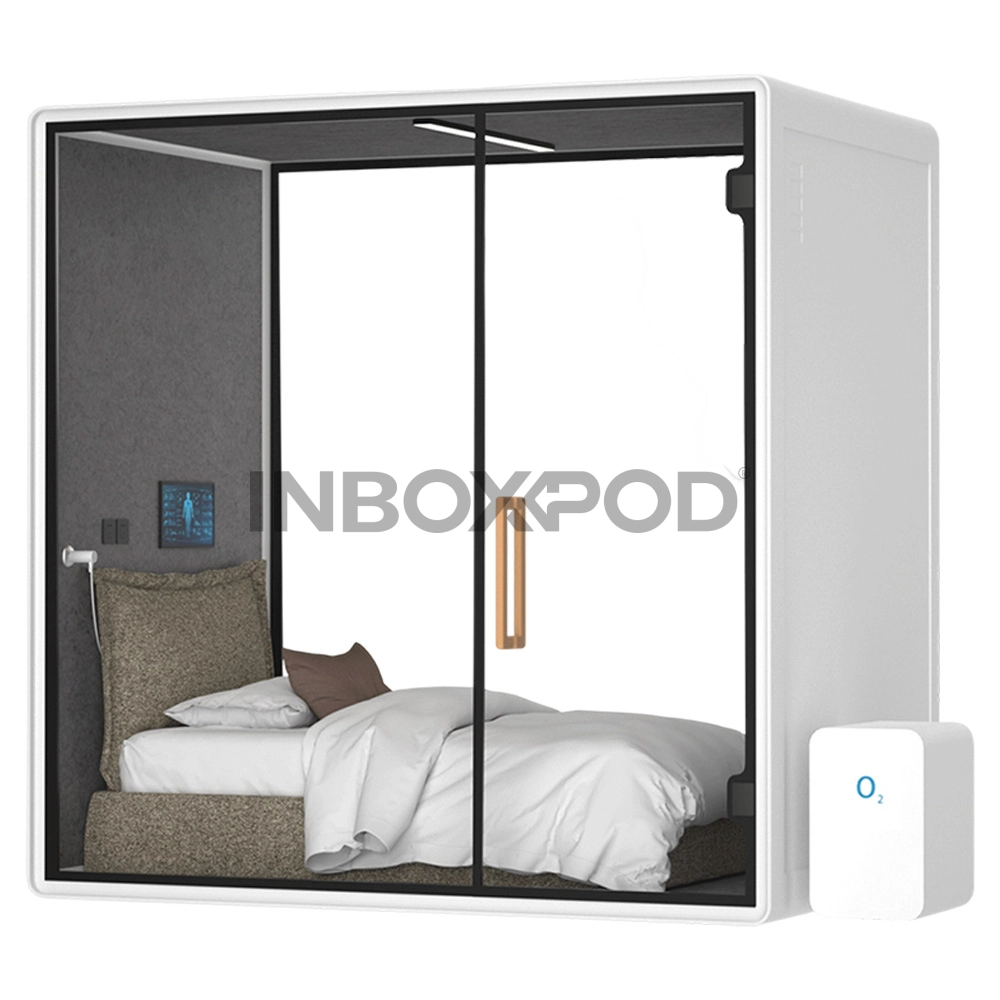
Soundproof Single Bed Oxygen Pod Therapy
Create an immersive deep health oxygen therapy space for you, with a single bed design for ultimate comfort. External size: W2300×D1478×H2300 mm; internal size: W2166×D1403×H2166 mm. Enjoy the nourishment of high-concentration oxygen while lying down, improve sleep, relieve fatigue, enhance immunity, and start a journey of health renewal.
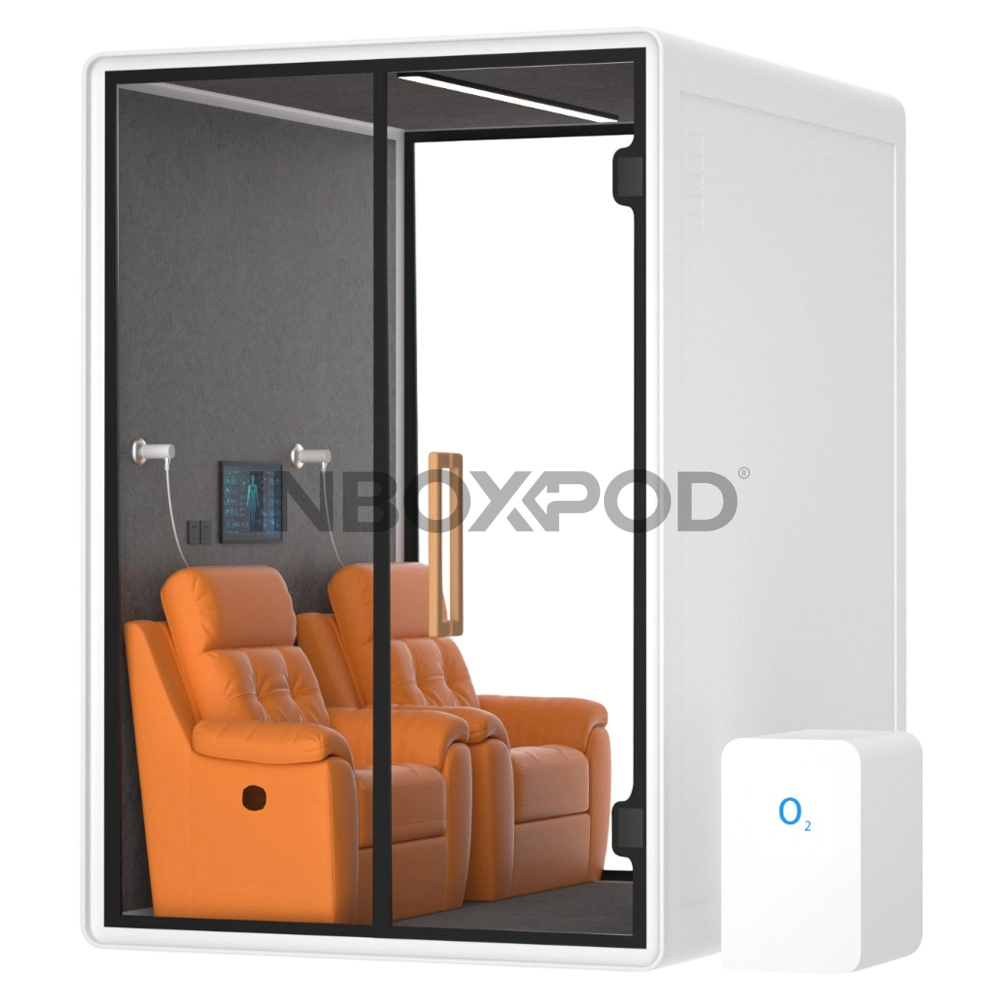
INBOXpod Double Seat Soundproof Oxygen Pod
An oxygen therapy space customized for double social interaction and health, with a double-seat design to promote a win-win situation for interaction and health. External size: W1600×D1929×H2300 mm; internal size: W1466×D1854×H2166 mm. You can improve cardiovascular function and concentration through oxygen therapy with friends and colleagues in a quiet and efficient acoustic environment, making health and social interaction complement each other.
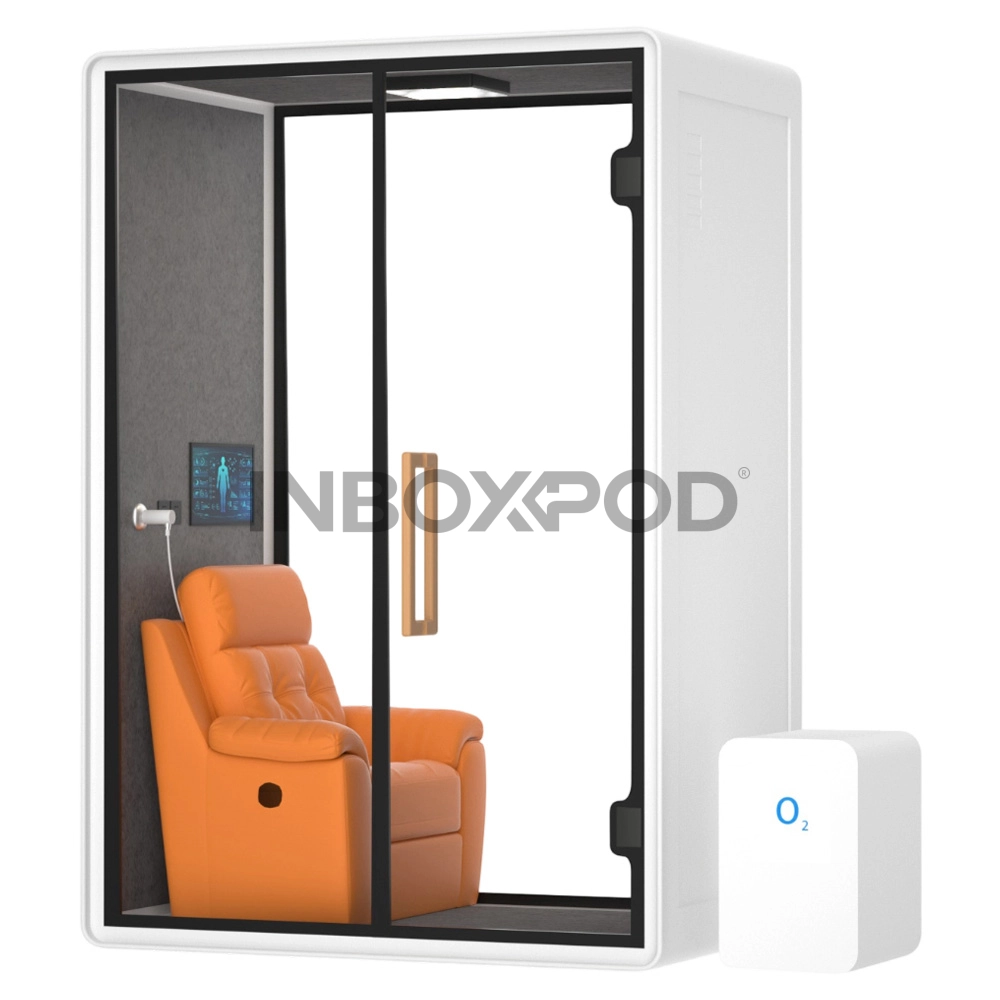
INBOXpod Soundproof Single seat Oxygen Pod
A delicate and compact personal oxygen therapy secret, with a single-seat layout that is flexible and convenient. External size: W1600×D1028×H2300 mm; internal size: W1466×D953×H2166 mm. Create a quiet, private domain for you, where you can inhale high-purity oxygen efficiently during daily relaxation or postoperative recovery, helping to improve cardiopulmonary function and mental state.
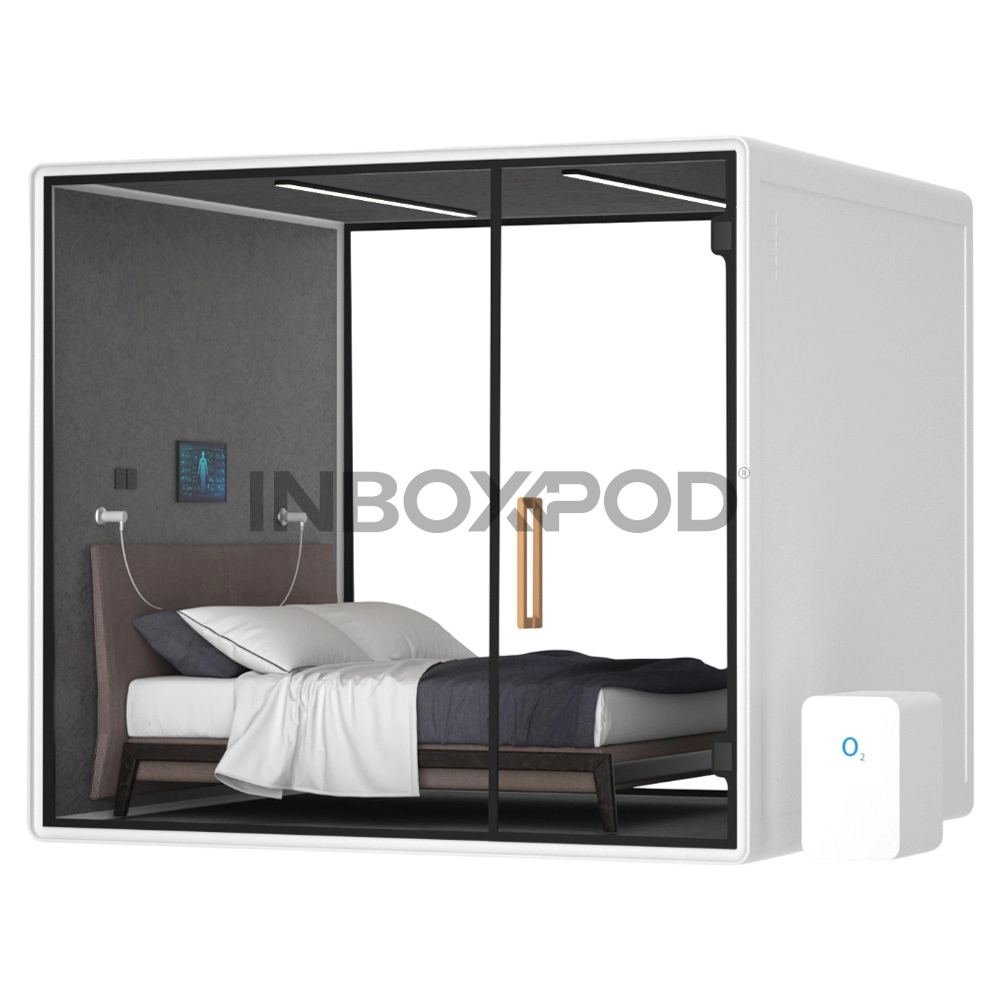
INBOXpod Soundproof Double Bed (small) Oxygen Pod
A double oxygen therapy option that balances space and experience, with a small double-bed layout suitable for various scenarios. External size: W2300×D1854×H2300 mm; internal size: W2300×D1929×H2300 mm. You can share the high-oxygen environment here with relatives and friends, relieve stress, improve physical fitness, and gain health and vitality in company.
Whatsapp: +8613535292957