
Maintenance Tips for Long-lasting INBOXpod Performance
- Understanding INBOXpod design, systems, and safety basics
- Key components and how they interact
- Oxygen safety and regulatory context
- Daily and weekly maintenance: small steps for big reliability gains
- Daily checks and cleaning routine
- Weekly function tests and acoustic inspection
- Monthly and quarterly maintenance: protecting mechanical and oxygen systems
- Filter replacement and air quality management
- Seals, hinges, and mechanical fasteners
- Annual servicing, calibration, and safety audits
- Professional inspection and functional calibration
- Safety systems and emergency protocols
- Acoustic care, materials, and soundproofing longevity
- Preserving acoustic materials
- Vibration isolation and mounting checks
- Troubleshooting common issues and practical fixes
- Loss of oxygen flow or low concentration readings
- Unwanted noise, hum, or electronic interference
- Record-keeping, staff training, and lifecycle planning
- Maintenance logs and performance tracking
- Training programs for operators and cleaning staff
- Comparative maintenance schedule
- Standards, references, and further reading
- FAQ — Frequently Asked Questions
- Q: Is the INBOXpod the same as an oxygen health systems hyperbaric chamber?
- Q: How often should I replace the HEPA filter?
- Q: What cleaning products are safe for use in the pod?
- Q: Can I move the INBOXpod once installed?
- Q: Who should perform annual servicing?
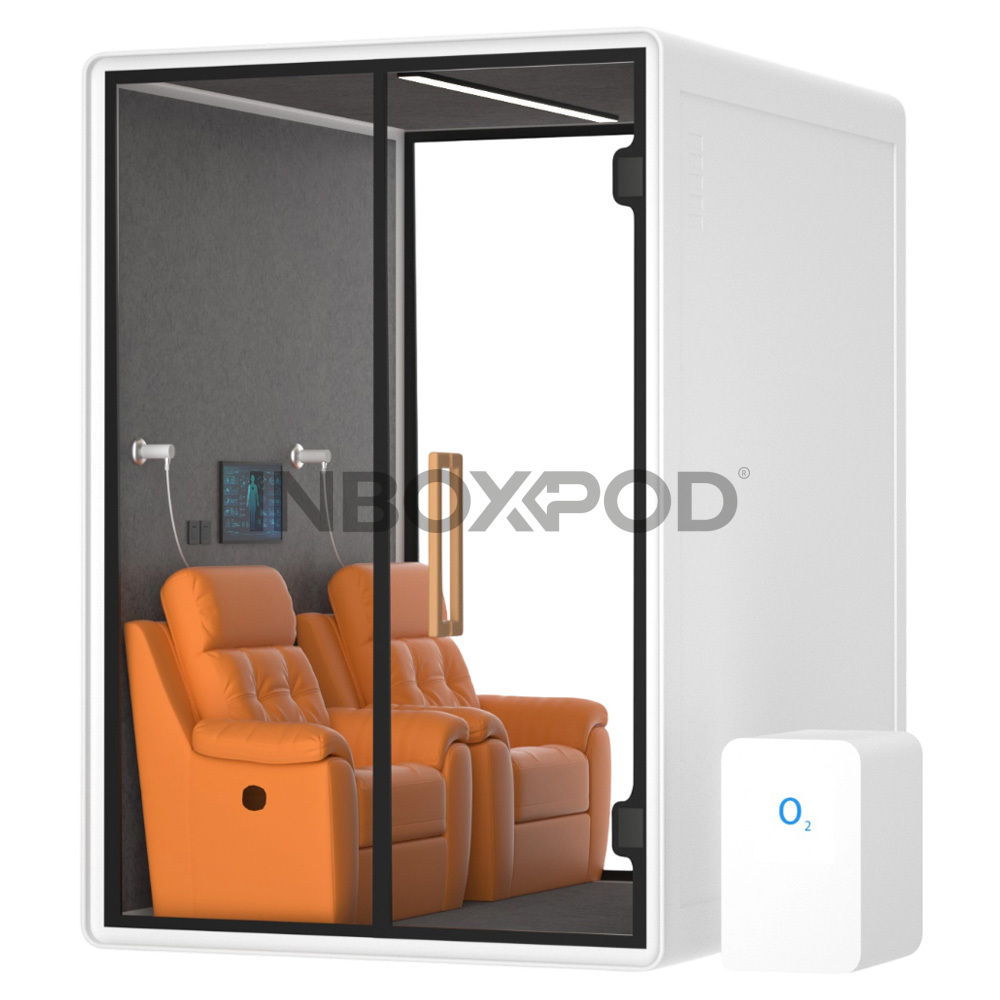
Keeping an INBOXpod Double Seat Soundproof Oxygen Pod in peak condition requires a blend of routine cleaning, mechanical inspection, acoustic care, and adherence to safety and regulatory guidance. This article provides actionable maintenance tips tailored for facility managers, clinic staff, and operators of oxygen therapy spaces. While the INBOXpod is not an oxygen health systems hyperbaric chamber, it operates within related oxygen-delivery practices and benefits from the same attention to oxygen safety, pressure-control basics, and medical-device regulatory considerations.
Product overview:
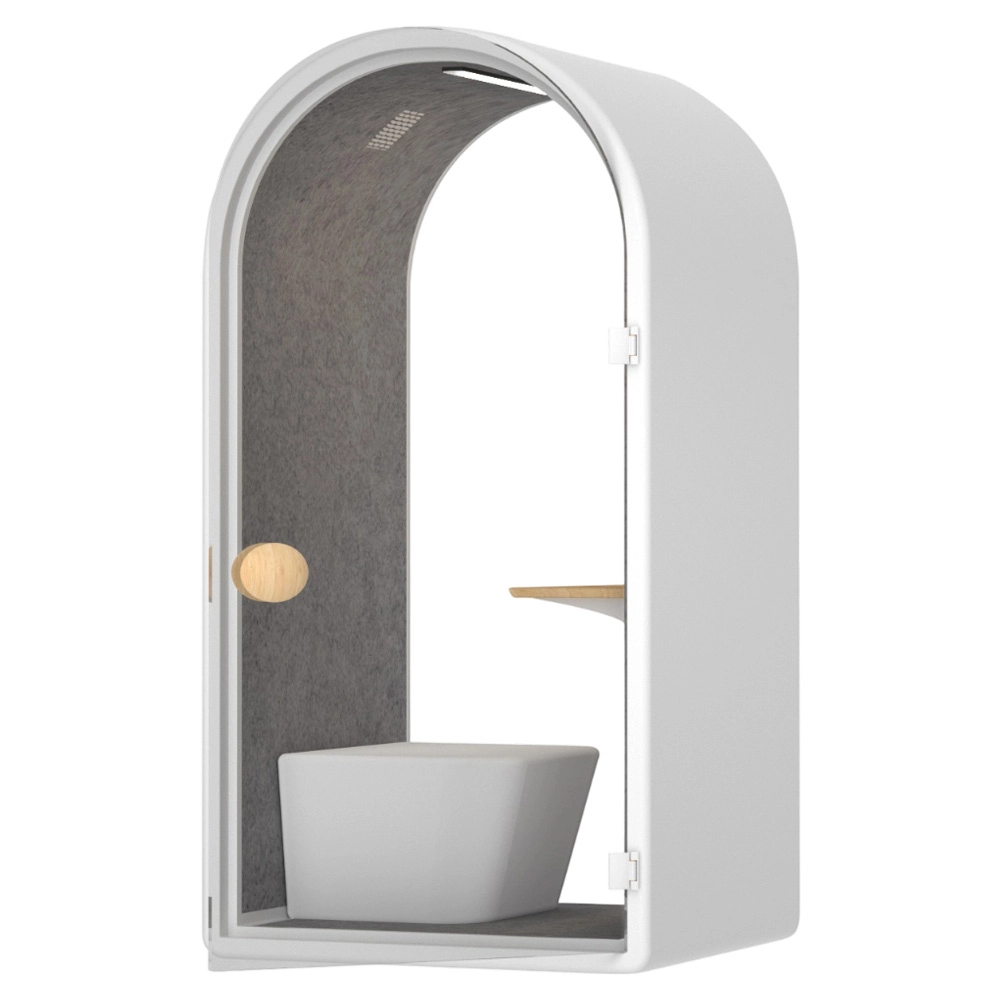
An oxygen therapy space customized for double social interaction and health, with a double-seat design to promote a win-win situation for interaction and health. External size: W1600×D1929×H2300 mm; internal size: W1466×D1854×H2166 mm. You can improve cardiovascular function and concentration through oxygen therapy with friends and colleagues in a quiet and efficient acoustic environment, making health and social interaction complement each other.
Understanding INBOXpod design, systems, and safety basics
Key components and how they interact
The INBOXpod Double Seat Soundproof Oxygen Pod combines an acoustic enclosure, seating, ventilation/filtration, oxygen delivery ports or integrated concentrator compatibility, electronic controls, and safety interlocks. Familiarize your staff with each part: door seals, acoustic panels, control console, oxygen interfaces, electrical power inlet, and any integrated humidification or filtration modules. Understanding these elements helps prioritize maintenance tasks and prevents accidental damage to sensitive parts such as acoustic lining or oxygen delivery tubing.
Oxygen safety and regulatory context
Although this pod is not a traditional oxygen health systems hyperbaric chamber, oxygen-rich environments still present fire and material-compatibility risks. Follow authoritative guidance on oxygen therapy and device safety—see the World Health Organization's oxygen therapy resources for clinical best practices (WHO: Oxygen therapy) and the U.S. FDA's information on hyperbaric and oxygen therapy devices for regulatory context (FDA: Hyperbaric Oxygen Therapy).
Daily and weekly maintenance: small steps for big reliability gains
Daily checks and cleaning routine
Daily tasks keep the pod sanitary and user-ready. Wipe high-touch surfaces (armrests, door handles, control panels) with manufacturer-approved disinfectants that are compatible with oxygen environments—avoid alcohol-based cleaners when oxygen is in use or present. Inspect door seals for visible debris or wear and ensure simple upholstery or cushion tears are reported. Ventilation grilles should be free of dust. Keep a short daily checklist log near the pod for staff to initial.
Weekly function tests and acoustic inspection
Weekly, perform basic functional checks: turn the pod on, test audio/communication systems, verify that the ventilation fan operates at expected speeds, and confirm any display or alarms are functional. Listen for new rattles or buzzing that could signal loose fasteners or failing fans. Check acoustic panels for delamination or signs of moisture—damaged panels reduce soundproof effectiveness and should be repaired promptly.
Monthly and quarterly maintenance: protecting mechanical and oxygen systems
Filter replacement and air quality management
If the pod uses HEPA, activated carbon, or other air filters, replace or service them at manufacturer-recommended intervals. Maintain records of filter types, replacement dates, and measured airflow if you monitor it. Cleanable pre-filters can extend HEPA life but must be washed and fully dried before reinstallation to avoid mold growth. Proper filtration keeps the acoustic environment comfortable and reduces contamination risk in oxygen therapy sessions.
Seals, hinges, and mechanical fasteners
Monthly, inspect door seals and mechanical hinges for wear, cracking, or compression set. Silicone or neoprene seals that have been exposed to oxygen-enriched air may harden over time—replace seals on a preventative schedule before leaks develop. Tighten any loose screws or brackets, and lubricate hinges with oxygen-compatible lubricants (consult your product manual for approved materials). A well-sealed pod preserves acoustic performance and helps maintain the intended internal atmosphere.
Annual servicing, calibration, and safety audits
Professional inspection and functional calibration
Schedule an annual service with a qualified technician—ideally, one certified or trained by the pod manufacturer. Annual checks typically include full electrical safety testing (insulation and earth continuity), verification of alarm thresholds, testing of control logic, and calibration of any sensors (oxygen sensors, pressure/flow meters). Document all service activities and retain certificates for regulatory compliance and warranty requirements.
Safety systems and emergency protocols
Simulate emergency scenarios annually: alarm triggers, power failure, door release operation, and evacuation procedures. Ensure that staff know how to cut oxygen supply safely and that emergency signage and procedures are clearly posted. Cross-reference FDA and WHO recommendations for medical oxygen safety and emergency preparedness to remain aligned with established best practices (FDA guidance, WHO oxygen therapy).
Acoustic care, materials, and soundproofing longevity
Preserving acoustic materials
INBOXpod’s soundproofing relies on absorptive panels, seals, and isolation mounts. Avoid using harsh solvents or saturated sprays that can degrade acoustic foams. For spot cleaning, use mild soap, low-moisture methods, and soft brushes. If acoustic panels show physical damage or delamination, replace them in matched pairs to maintain even acoustic response and prevent resonant anomalies.
Vibration isolation and mounting checks
Exterior vibrations transmitted into the pod will degrade the perceived acoustic quiet. Inspect isolation mounts and fasteners for compression, corrosion, or fatigue. Tighten mounting brackets and replace worn isolation pads. If the pod sits near heavy equipment or foot-traffic corridors, consider installing additional vibration dampers or re-locating to a lower-vibration area.
Troubleshooting common issues and practical fixes
Loss of oxygen flow or low concentration readings
First, verify the upstream oxygen source (concentrator, cylinder supply, or central line) is functioning. Check for kinks or pinched tubing and inspect filters that may restrict flow. If the pod uses inline oxygen sensors, calibrate annually and replace per the sensor manufacturer’s recommended life span. Keep spare connectors, tubing, and sensor modules on-site to minimize downtime.
Unwanted noise, hum, or electronic interference
If users report hums or electronic noise, isolate the source by turning individual systems off and on (ventilation, lighting, audio equipment). Replace failing fans and install ferrite filters on power and signal cables to reduce electromagnetic interference. For persistent low-frequency noise, examine structural transmission paths and consider additional mass-loading or resilient channel solutions to the pod enclosure.
Record-keeping, staff training, and lifecycle planning
Maintenance logs and performance tracking
Keep a centralized maintenance log—physical or digital—with daily checklists, parts replaced, and service dates. Track trends (e.g., filter life, frequency of fan replacements) to shift from reactive to predictive maintenance. Many facilities find that simple key-performance indicators (KPIs) such as mean time between failures (MTBF) and downtime hours per month help justify budget for preventive service.
Training programs for operators and cleaning staff
Train staff on safe operation, oxygen safety, routine cleaning, and how to recognize early signs of wear. Provide quick reference cards that highlight do/don'ts—e.g., avoid using flammable aerosols inside or near the pod, use only manufacturer-approved replacement parts, and never obstruct ventilation inlets. Consider periodic refreshers and competency checks as part of annual audits.
Comparative maintenance schedule
The table below summarizes recommended maintenance intervals for common INBOXpod components:
| Component | Task | Recommended Interval |
|---|---|---|
| Exterior/interior surfaces | Clean, inspect for damage | Daily/Weekly |
| Air filters (HEPA/pre-filter) | Inspect and replace as needed | Monthly to quarterly |
| Door seals & hinges | Inspect, lubricate, replace | Monthly / Replace yearly or as needed |
| Ventilation fans | Function check, clean, replace bearings | Monthly / Replace every 2–4 years depending on use |
| Oxygen sensors / flow meters | Calibrate, replace per manufacturer | Annual / Per sensor life |
| Acoustic panels | Inspect for delamination or moisture | Quarterly / Replace as needed |
Standards, references, and further reading
To align maintenance with recognized standards and clinical safety recommendations, consult these authoritative resources:
- WHO — Oxygen therapy resources
- FDA — Hyperbaric and oxygen therapy device guidance
- Wikipedia — Hyperbaric oxygen therapy (overview)
- ISO — Acoustics and sound measurement standards (reference)
FAQ — Frequently Asked Questions
Q: Is the INBOXpod the same as an oxygen health systems hyperbaric chamber?
A: No. The INBOXpod Double Seat Soundproof Oxygen Pod is an oxygen therapy environment designed for social interaction and improved concentration. It is not a hyperbaric oxygen chamber, which operates at increased atmospheric pressure and is regulated and used for specific medical indications. However, some safety principles—such as oxygen compatibility and fire risk mitigation—apply to both contexts.
Q: How often should I replace the HEPA filter?
A: Filter replacement depends on usage and local air quality. As a guideline, inspect pre-filters monthly and HEPA quarterly under typical use; replace sooner if you notice airflow reduction or contamination. Always follow manufacturer recommendations and keep spares on hand.
Q: What cleaning products are safe for use in the pod?
A: Use mild, non-flammable, oxygen-compatible disinfectants as specified by the pod manufacturer. Avoid strong solvents, alcohol-based sprays during active oxygen use, or products that leave flammable residues. If in doubt, consult the product manual or manufacturer support for approved cleaners.
Q: Can I move the INBOXpod once installed?
A: Moving the pod requires planning—disconnect electrical, ventilation, and oxygen interfaces safely. Re-seal and re-level the pod after movement and perform a full functional and acoustic check. For large moves, consult the manufacturer or certified installer to avoid damage to acoustic panels and isolation mounts.
Q: Who should perform annual servicing?
A: Annual servicing should be performed by trained technicians—preferably those authorized or certified by the pod manufacturer. They can perform electrical safety tests, calibrations, and component replacements that require specialized tools or knowledge.
If you have more questions or need parts, reach out to our support team or view the INBOXpod Double Seat Soundproof Oxygen Pod product page. For personalized maintenance plans or on-site service, contact customer service: support@example.com or visit our product page: View INBOXpod product details.
Note: The above guidance is general maintenance advice. Always defer to the INBOXpod product manual and local regulations when performing maintenance and safety procedures.
Silence Booth V Series-S Review: Is It Worth Buying?
Logistics and Shipping Considerations for INBOXpod Purchases
Silence Booth V-Series M Review: Specs, Soundproofing, Verdict
Case Study: INBOXpod Improves Focus in Co-working Spaces
Home-demo
What is the typical sound insulation level of your acoustic booths?
Our booths typically achieve up to 27 dB noise reduction, meeting Class B sound insulation standards suitable for offices and study environments.
Do you provide after-sales support and warranty?
Yes, we provide comprehensive after-sales service and warranty to ensure long-term satisfaction with our products.
Can the booths be customized to fit specific space requirements?
Yes, we offer flexible customization options including size, color, and additional features to perfectly suit your needs.
How long does it take to assemble an INBOXpod booth?
Most of our booths can be assembled without tools in about 30 minutes, making installation quick and hassle-free.
What materials are used in the construction of the booths?
Our booths are made from sustainable, high-quality materials including aluminum alloy frames and acoustic panels designed for optimal soundproofing.
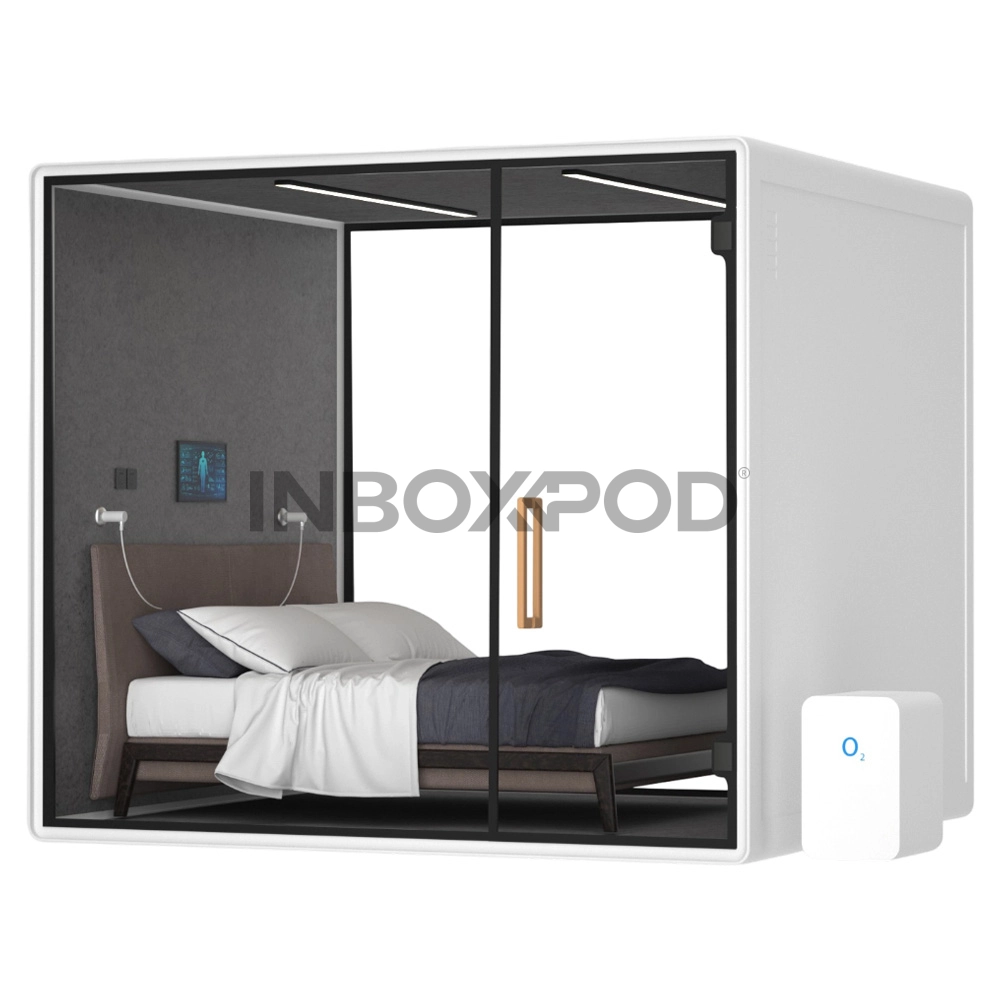
Double bed (large) Soundproof Oxygen Pod
A shared health oxygen therapy world for families, with a large double-bed design to meet the comfort needs of two people. External size: W2300×D2379×H2300 mm; internal size: W2166×D2304×H2166 mm. Let you and your family or partner enjoy high-oxygen nourishment together, improve body functions, delay aging, and embrace a healthy life with intimate company.
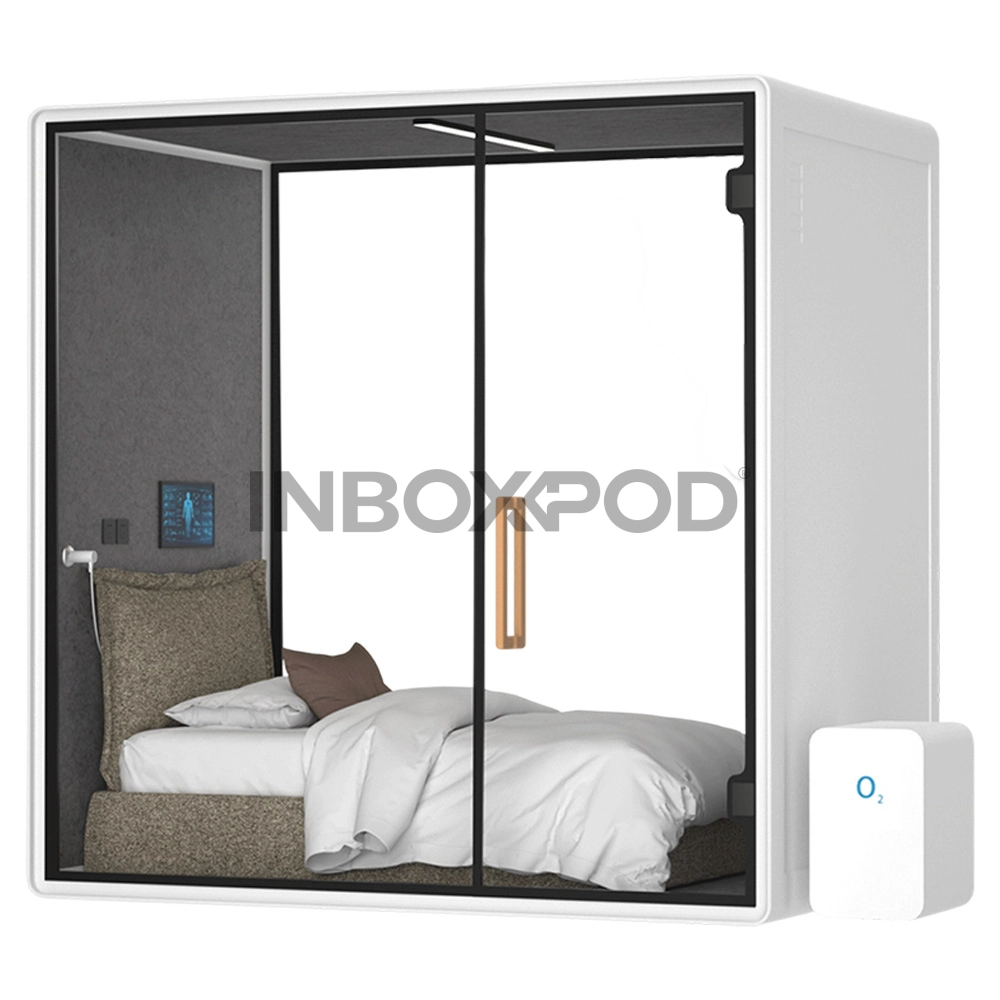
Soundproof Single Bed Oxygen Pod Therapy
Create an immersive deep health oxygen therapy space for you, with a single bed design for ultimate comfort. External size: W2300×D1478×H2300 mm; internal size: W2166×D1403×H2166 mm. Enjoy the nourishment of high-concentration oxygen while lying down, improve sleep, relieve fatigue, enhance immunity, and start a journey of health renewal.
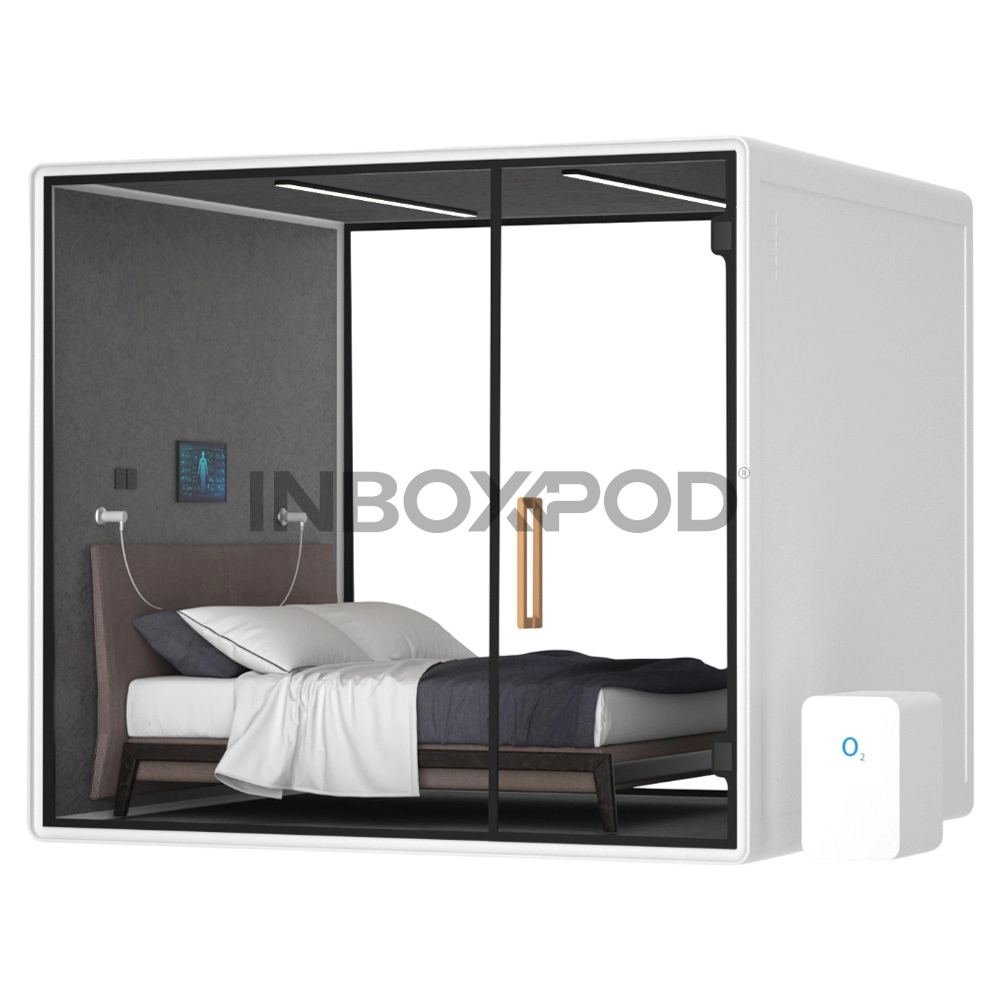
INBOXpod Soundproof Double Bed (small) Oxygen Pod
A double oxygen therapy option that balances space and experience, with a small double-bed layout suitable for various scenarios. External size: W2300×D1854×H2300 mm; internal size: W2300×D1929×H2300 mm. You can share the high-oxygen environment here with relatives and friends, relieve stress, improve physical fitness, and gain health and vitality in company.
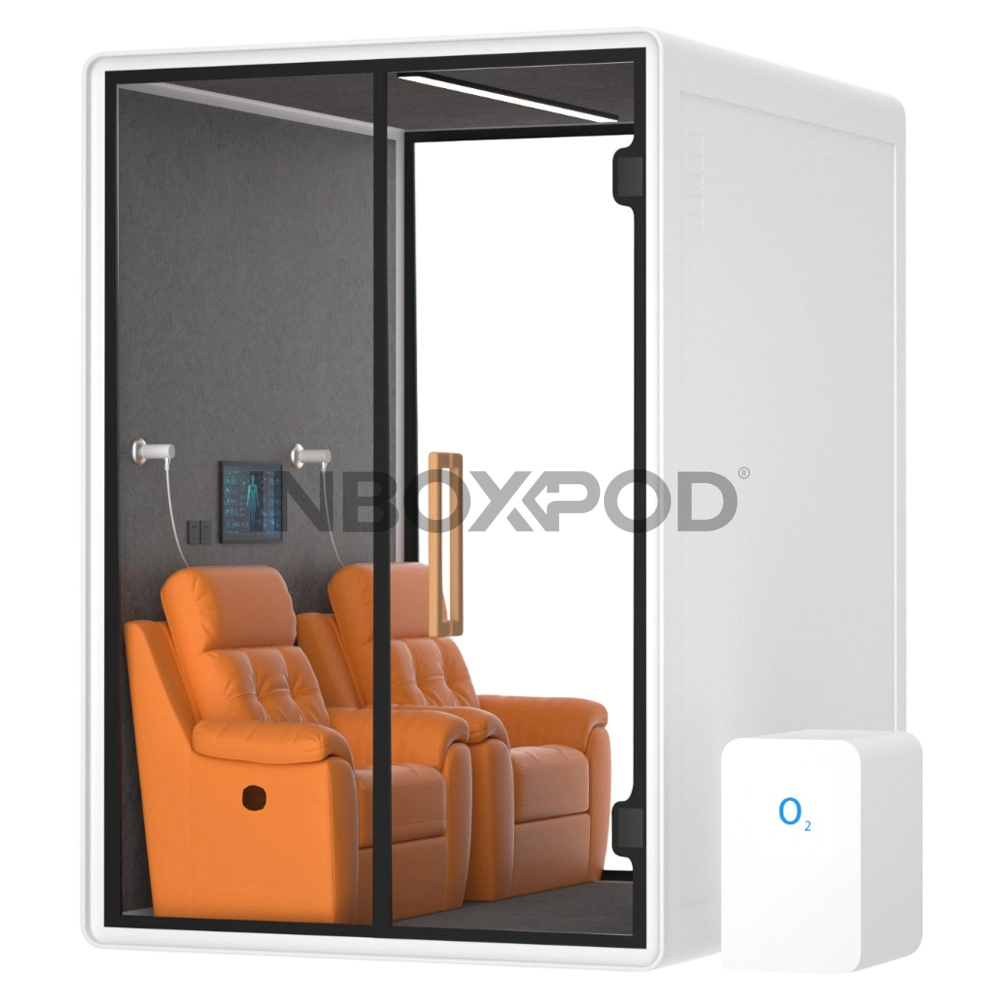
INBOXpod Double Seat Soundproof Oxygen Pod
An oxygen therapy space customized for double social interaction and health, with a double-seat design to promote a win-win situation for interaction and health. External size: W1600×D1929×H2300 mm; internal size: W1466×D1854×H2166 mm. You can improve cardiovascular function and concentration through oxygen therapy with friends and colleagues in a quiet and efficient acoustic environment, making health and social interaction complement each other.
Whatsapp: +8613535292957