
Maintenance Checklist for Your Prefabricated Office Pod
- Overview — Why Regular Maintenance Matters for Prefabricated Office Pods
- Preserving acoustic performance
- Maintaining air quality and comfort
- Extending lifespan and protecting investment
- Daily and Weekly Maintenance Tasks
- Daily checklist: quick visual and functional checks
- Weekly checklist: cleaning and minor upkeep
- Monthly and Quarterly Technical Inspections
- Ventilation and HVAC maintenance
- Acoustic seals, panels and door hardware
- Electrical and lighting systems
- Biannual and Annual Preventive Actions
- Full acoustic performance verification
- Fire safety and code compliance
- Deep cleaning and upholstery care
- Troubleshooting and Common Issues
- Reduced sound isolation (common causes and fixes)
- Poor ventilation or odors
- Electrical or AV malfunctions
- Maintenance Schedule — Practical Table
- Records, Warranty, and Vendor Support
- Documenting maintenance
- Warranty and spare parts
- When to call the manufacturer or an acoustic specialist
- FAQ — Common Questions About Maintaining a Prefabricated Office Pod
- How often should I replace ventilation filters in the Silence Booth XXL?
- Can I clean acoustic panels with water or steam?
- My office phone booth no longer feels as quiet—what quick tests can I run?
- Are there health or noise regulations I should be aware of?
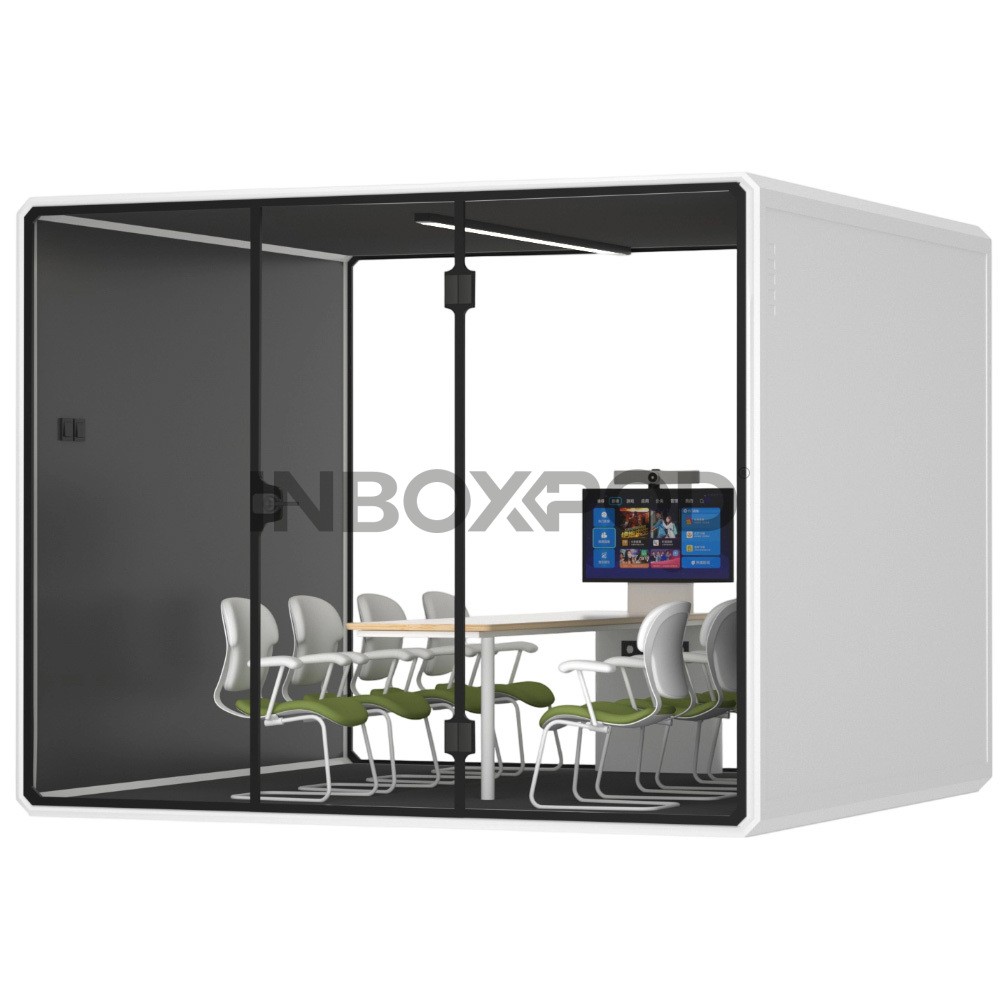
The following maintenance checklist is tailored for facility managers, office administrators, and integrators who maintain prefabricated meeting rooms and office phone booths across different climates and building codes. It is structured so you can quickly adopt it for the Silence Booth/Office pod Prefabricated V series-XXL size or similar modular acoustic rooms in corporate headquarters, co-working spaces, universities, and government facilities worldwide.
Overview — Why Regular Maintenance Matters for Prefabricated Office Pods
Preserving acoustic performance
Acoustic pods and office phone booths are engineered to provide privacy and reduce ambient noise. Over time, wear to seals, fabric panels, or gaps around doors reduces sound insulation. Proactive inspection and maintenance help ensure the pod continues to meet its intended sound attenuation targets. For background on principles of soundproofing and acoustic insulation, see the Soundproofing overview on Wikipedia.
Maintaining air quality and comfort
The Silence Booth XXL is designed with integrated ventilation to support extended meetings for 6–10 people. Regular checks of the air-handling components keep CO2 levels, temperature, and humidity comfortable and safe. Follow ventilation guidance such as the recommendations in ASHRAE standards (see ASHRAE standards and guidelines) for indoor environments.
Extending lifespan and protecting investment
Routine maintenance reduces unplanned downtime, extends component life, and preserves warranty eligibility. For larger pods like the Prefabricated V series-XXL, a formal preventive maintenance program reduces replacement costs and helps maintain a professional workspace for client presentations and boardroom sessions.
Product snapshot:
The XXL-size booth is a High Quality modular acoustic room designed for larger teams and dynamic discussions. With ample interior space for 6–10 people, it provides exceptional sound insulation, effective air circulation, and integrated lighting to ensure comfort during long meetings. Ideal for boardroom sessions, client presentations, and collaborative brainstorming, the XXL booth creates a quiet and productive environment within any workspace.
Daily and Weekly Maintenance Tasks
Daily checklist: quick visual and functional checks
- Visual sweep for trash, spills, or obstacles around the entrance. Keep pathways clear for emergency egress.
- Confirm lighting and any AV equipment power on correctly. Replace failed bulbs or report faults immediately.
- Check that the door closes smoothly and latches without gaps; a quick door-seal inspection helps prevent acoustic leakage.
Weekly checklist: cleaning and minor upkeep
- Surface cleaning: Wipe non-porous surfaces (glass, metal, painted surfaces) with a mild detergent. For fabrics and acoustic panels, use a vacuum with brush attachment on low suction or a dry microfiber wipe to remove dust. Avoid soaking acoustic materials to prevent degradation of absorption properties.
- Floor care: Vacuum carpets or mop hard floors with manufacturer-recommended cleaners. Check for loose tiles or raised edges at thresholds which could damage seals or create acoustic leaks.
- AV & telecom checks: Confirm the office phone booth handset/dialer (if present), network ports, and any conferencing hardware connect and function correctly.
Monthly and Quarterly Technical Inspections
Ventilation and HVAC maintenance
- Inspect and, if required, replace inline filters in the booth's ventilation system. For booths with mechanical ventilation, monthly visual checks and quarterly filter replacement are a common baseline; high-use or dusty environments may need more frequent changes.
- Verify fan operation, airflow levels, and that exhaust paths are unobstructed. Consider CO2 monitoring for rooms used frequently by groups; ASHRAE provides standards useful for setting target ventilation rates (ASHAE/ASHRAE).
Acoustic seals, panels and door hardware
- Inspect door seals and perimeter gaskets for compression set, cracking, or detachment. Replace worn seals to restore acoustic performance.
- Check interior acoustic panels for stains, delamination, or sagging. Loose panels can change the internal acoustic response; re-adhere or replace following manufacturer instructions.
- Lubricate hinges and hardware with manufacturer-approved lubricants to avoid squeaks and ensure smooth closure.
Electrical and lighting systems
- Examine wiring for visible wear, loose connections or scorch marks. Test emergency lighting (if installed) and replace batteries in backup units per manufacturer timeline.
- Replace integrated lighting components as required and verify dimmers or control systems operate reliably. Keep records of lamp hours for high-use pods.
Biannual and Annual Preventive Actions
Full acoustic performance verification
- Perform an acoustic check using simple tests: door-closed subjective listening tests, and objective measurements if available (sound level meter or smartphone apps for quick verification). For formal verification, measure reverberation time (RT60) and sound transmission if your organization requires certification. Standards such as ISO 3382 describe room acoustic measurements and can guide professionals.
Fire safety and code compliance
- Confirm materials and finishes remain compliant with local fire codes. Inspect fire detection devices and any installed suppression systems. Update signage and egress lighting as part of the annual inspection.
Deep cleaning and upholstery care
- For fabric panels, perform manufacturer-approved upholstery cleaning to remove stains and reduce odor build-up. Steam cleaning or dry-clean-only materials should be treated according to the specified method to avoid damaging acoustic properties.
Troubleshooting and Common Issues
Reduced sound isolation (common causes and fixes)
Signs: outside noise bleed, participants hear adjacent conversations. Likely causes: worn door seals, gaps at panel junctions, misaligned doors, or perforated panel coverings.
Fixes: reseal door perimeters, tighten panel fasteners, replace gasket material and realign doors. If issues persist, a professional acoustic assessment may be required.
Poor ventilation or odors
Signs: stale air, odors, elevated temperature. Likely causes: clogged filters, insufficient ventilation rate, or contaminated ductwork.
Fixes: replace filters, inspect ductwork, verify fans operate at nominal RPM. For health-based recommendations on indoor air and noise, see WHO resources such as the WHO Environmental Noise Guidelines and other guidance on healthy indoor environments.
Electrical or AV malfunctions
Signs: intermittent power, audio dropouts, flickering lights. Likely causes: loose connections, aging power supplies, or interference.
Fixes: tighten connectors, replace failing power supplies, use shielded cables for AV. Maintain an inventory of spare power adapters, mics, and cabling to minimize downtime.
Maintenance Schedule — Practical Table
| Task | Frequency | Responsible | Notes |
|---|---|---|---|
| Quick visual sweep & trash removal | Daily | Office staff / Cleaning crew | Remove food and liquids to prevent odors and staining |
| Surface cleaning & vacuuming | Weekly | Cleaning contractor | Use recommended cleaners for acoustic fabrics |
| Filter inspection / replacement | Monthly / Quarterly | Facility tech | Adjust frequency based on dust load and occupancy |
| Door seal & hardware check | Monthly | Facility tech | Lubricate hinges; replace compressible seals as needed |
| Acoustic panel inspection | Quarterly | Facility tech / Vendor | Address delamination or damage promptly |
| Full acoustic & ventilation audit | Annually / Biannually | Acoustic consultant / Vendor | Objective measurements if required by policy |
| Fire safety & compliance inspection | Annually | Safety officer / Local authority | Follow local codes and manufacturer guidance |
Records, Warranty, and Vendor Support
Documenting maintenance
Keep a log of completed maintenance tasks with dates, parts replaced, and staff who performed work. Digital records help manage warranty claims and provide a traceable service history for leased or managed spaces.
Warranty and spare parts
Understand the Silence Booth XXL’s warranty terms: what is covered, what actions void coverage, and recommended spare parts to stock (door seals, filters, LED modules). Contact your supplier for a recommended spare parts list and lead times to reduce downtime.
When to call the manufacturer or an acoustic specialist
Escalate to vendor support if you observe:` persistent acoustic degradation after resealing, complex HVAC integration faults, electrical hazards, or structural damage`. For advanced acoustic testing or remedial work, engage certified acoustic consultants who can measure and propose targeted fixes according to standards such as ISO 3382.
FAQ — Common Questions About Maintaining a Prefabricated Office Pod
How often should I replace ventilation filters in the Silence Booth XXL?
Filter replacement depends on occupancy and airborne contaminants. A typical baseline is monthly visual inspection and replacing filters quarterly. High-occupancy meeting pods or dusty environments may require monthly replacement. Follow the vendor specifications and ASHRAE guidance for indoor air quality (ASHRAE).
Can I clean acoustic panels with water or steam?
Most acoustic panels are sensitive to moisture. Use a vacuum with a soft brush or dry cleaning methods recommended by the pod manufacturer. For stubborn stains, consult the vendor; some panels may allow limited professional steam cleaning, but improper methods can damage acoustic substrates.
My office phone booth no longer feels as quiet—what quick tests can I run?
Check door seals and alignment first. Perform a handheld sound test: with the door closed, have someone speak outside at a normal conversation level while you listen inside. If outside speech is clearly audible, inspect seals and panel joints. If simple fixes don’t help, schedule an acoustic measurement to determine transmission loss.
Are there health or noise regulations I should be aware of?
Regulations vary by jurisdiction. Use WHO guidance for environmental noise impacts and consult local building and fire codes for occupancy and safety requirements. For indoor air and ventilation, ASHRAE standards are widely used industry references.
If you have further questions, need a maintenance checklist in spreadsheet form, or want to schedule a service visit for your Silence Booth/Office pod Prefabricated V series-XXL size, contact our support team or view the product page:
Contact Sales / Support | View Silence Booth XXL product page
References: Soundproofing — Wikipedia; ASHRAE standards and guidelines; WHO Environmental Noise Guidelines; ISO 3382 — Acoustics.
Installation Logistics for Prefab Office Pod V Series
Portable Soundproof Booths for Remote Teams & Studios
Return Policies & Warranties for Silence Booth Purchases
Customizing Silence Booths: For Brand and Workflow Needs
Home-demo
What is the typical sound insulation level of your acoustic booths?
Our booths typically achieve up to 27 dB noise reduction, meeting Class B sound insulation standards suitable for offices and study environments.
How long does it take to assemble an INBOXpod booth?
Most of our booths can be assembled without tools in about 30 minutes, making installation quick and hassle-free.
Can the booths be customized to fit specific space requirements?
Yes, we offer flexible customization options including size, color, and additional features to perfectly suit your needs.
What materials are used in the construction of the booths?
Our booths are made from sustainable, high-quality materials including aluminum alloy frames and acoustic panels designed for optimal soundproofing.
Do you provide after-sales support and warranty?
Yes, we provide comprehensive after-sales service and warranty to ensure long-term satisfaction with our products.
INBOXpod Double Seat Soundproof Oxygen Pod
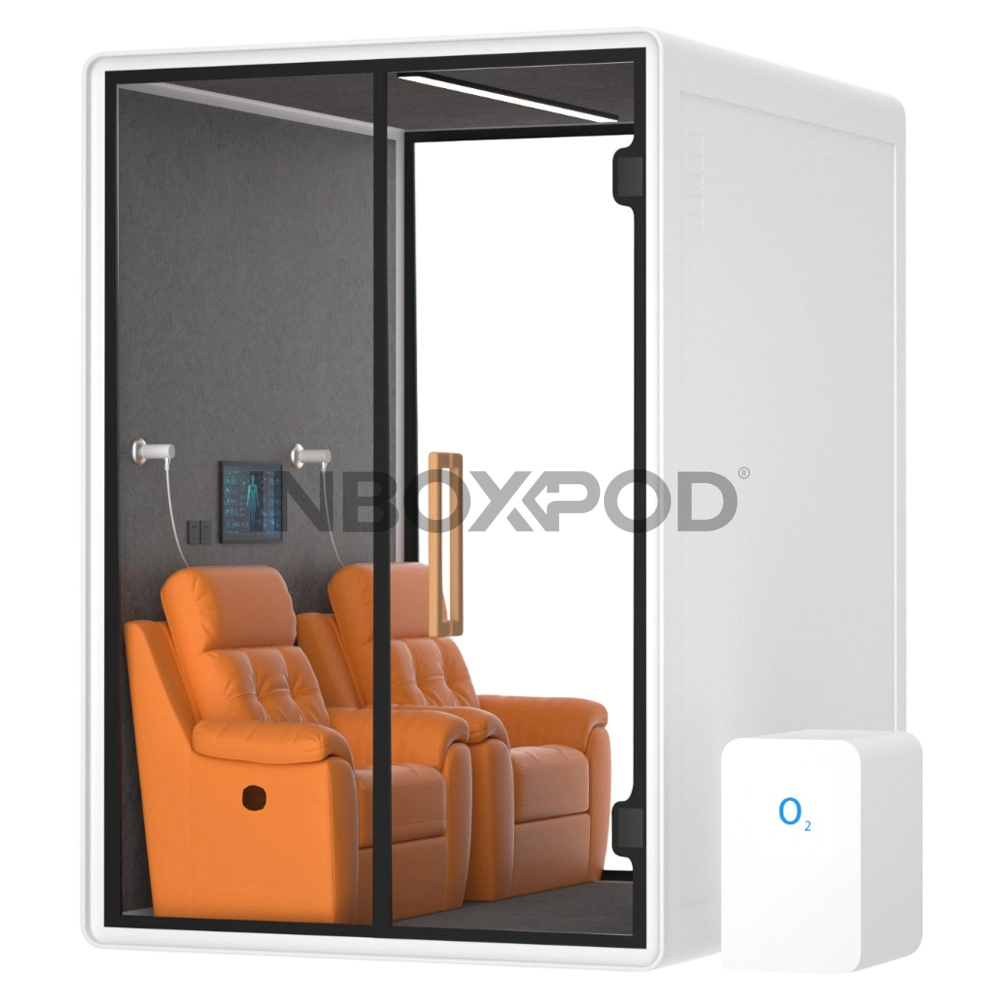
An oxygen therapy space customized for double social interaction and health, with a double-seat design to promote a win-win situation for interaction and health. External size: W1600×D1929×H2300 mm; internal size: W1466×D1854×H2166 mm. You can improve cardiovascular function and concentration through oxygen therapy with friends and colleagues in a quiet and efficient acoustic environment, making health and social interaction complement each other.
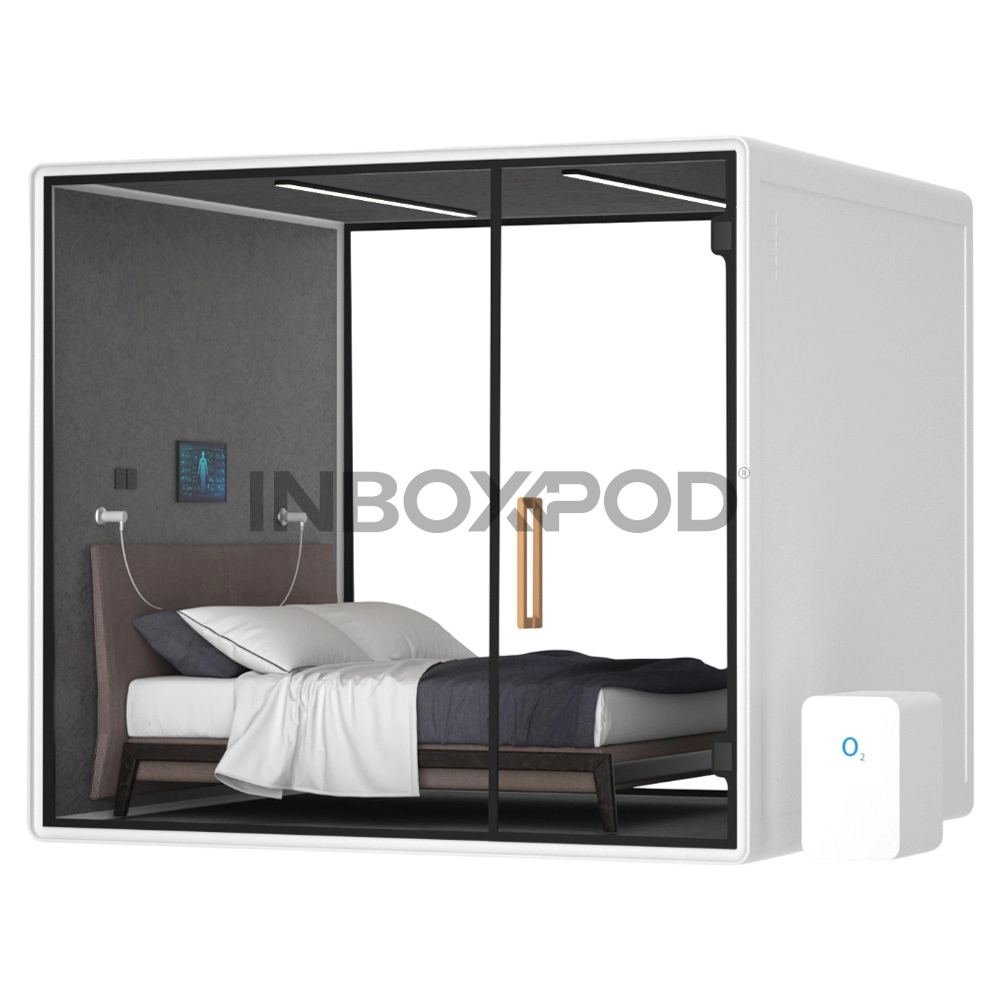
INBOXpod Soundproof Double Bed (small) Oxygen Pod
A double oxygen therapy option that balances space and experience, with a small double-bed layout suitable for various scenarios. External size: W2300×D1854×H2300 mm; internal size: W2300×D1929×H2300 mm. You can share the high-oxygen environment here with relatives and friends, relieve stress, improve physical fitness, and gain health and vitality in company.
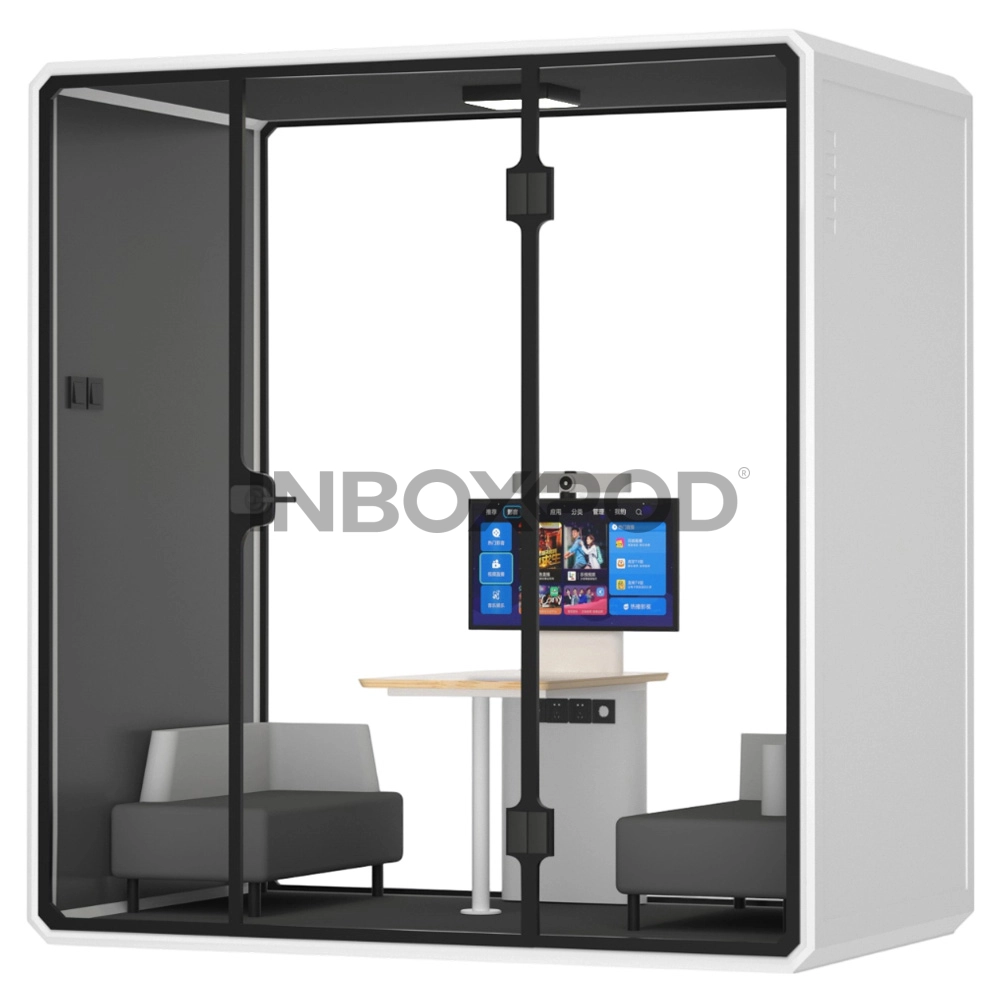
Silence Booth/Office Pod Prefabricated V series-L size
Designed for team collaboration and small meetings, the L-size booth provides a comfortable and acoustically optimized space for 4–6 people. With premium sound insulation, efficient ventilation, and integrated lighting and power systems, it ensures focus, privacy, and productivity—even in the busiest open offices.
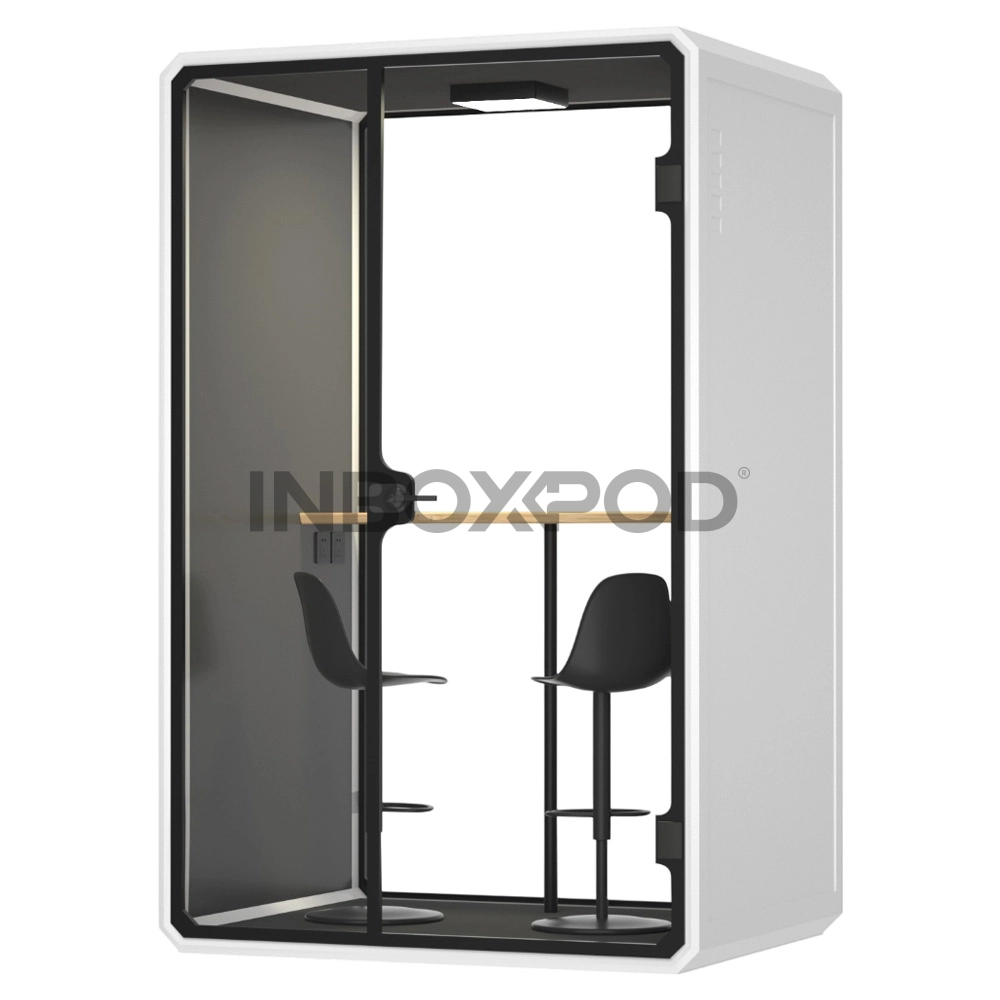
Silence Booth/Office pod Prefabricated V series - M size
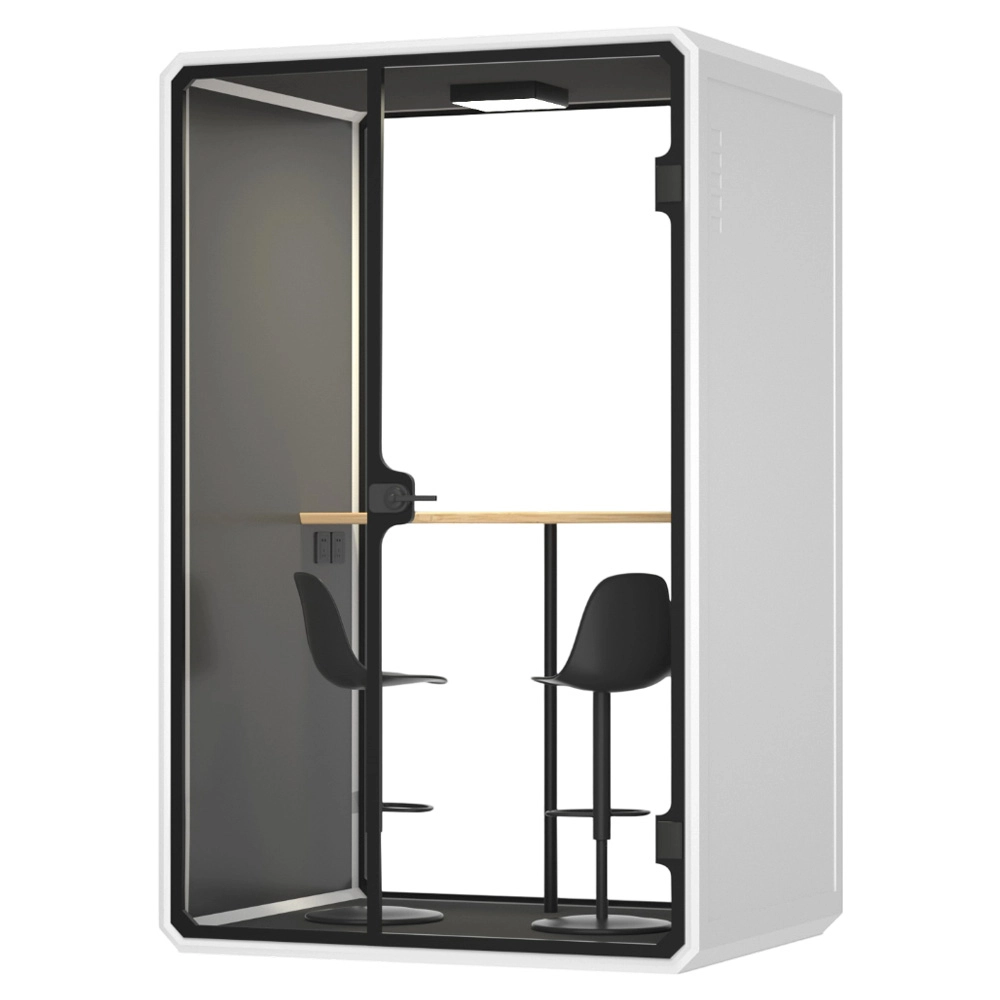
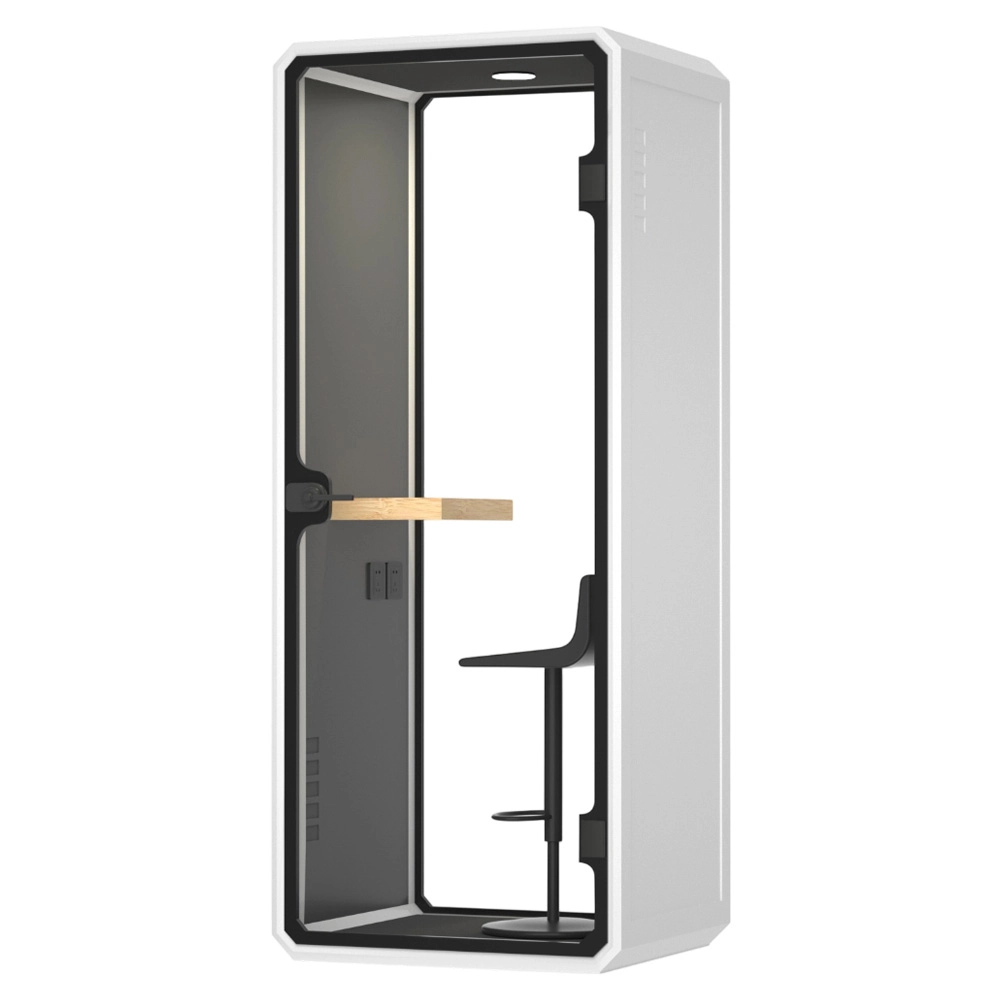
Ideal for two-person discussions or focused solo work, the M-size booth offers a balanced mix of privacy and flexibility. Its advanced acoustic panels reduce external noise effectively, while the smart ventilation and lighting systems create a comfortable, quiet environment for calls, meetings, or concentrated tasks.
Whatsapp: +8613535292957