
Maintenance Tips for Long-Lasting Soundproof Booths
- Preventive Maintenance: Keep Your Portable Soundproof Booth Performing
- Daily and weekly visual and functional checks
- Monthly acoustic and environmental checks
- Why preventive care matters (standards and health context)
- Cleaning, Materials Care, and Surface Maintenance
- How to clean acoustic panels and fabric surfaces
- Maintaining hard surfaces, frames, and external finishes
- Door seals, thresholds, and glazing care
- Mechanical, Electrical & Ventilation Maintenance
- Ventilation and HVAC: filter schedules and fan checks
- Electrical systems and lighting maintenance
- Modular joints, seals, and lift points
- Long-Term Care, Repairs, and Upgrades
- When to repair vs. replace components
- Upgrading acoustic performance: targeted retrofits
- Documentation, maintenance logs and warranty considerations
- Maintenance Schedule (Recommended)
- References and Further Reading
- FAQ — Frequently Asked Questions
- How often should I replace door seals on a portable soundproof booth?
- Can I clean acoustic panels with water or steam cleaners?
- How do I know if ventilation noise is affecting acoustic isolation?
- Is it better to repair or upgrade the booth if acoustic performance declines?
- Do upgrades require re-certification or acoustic testing?
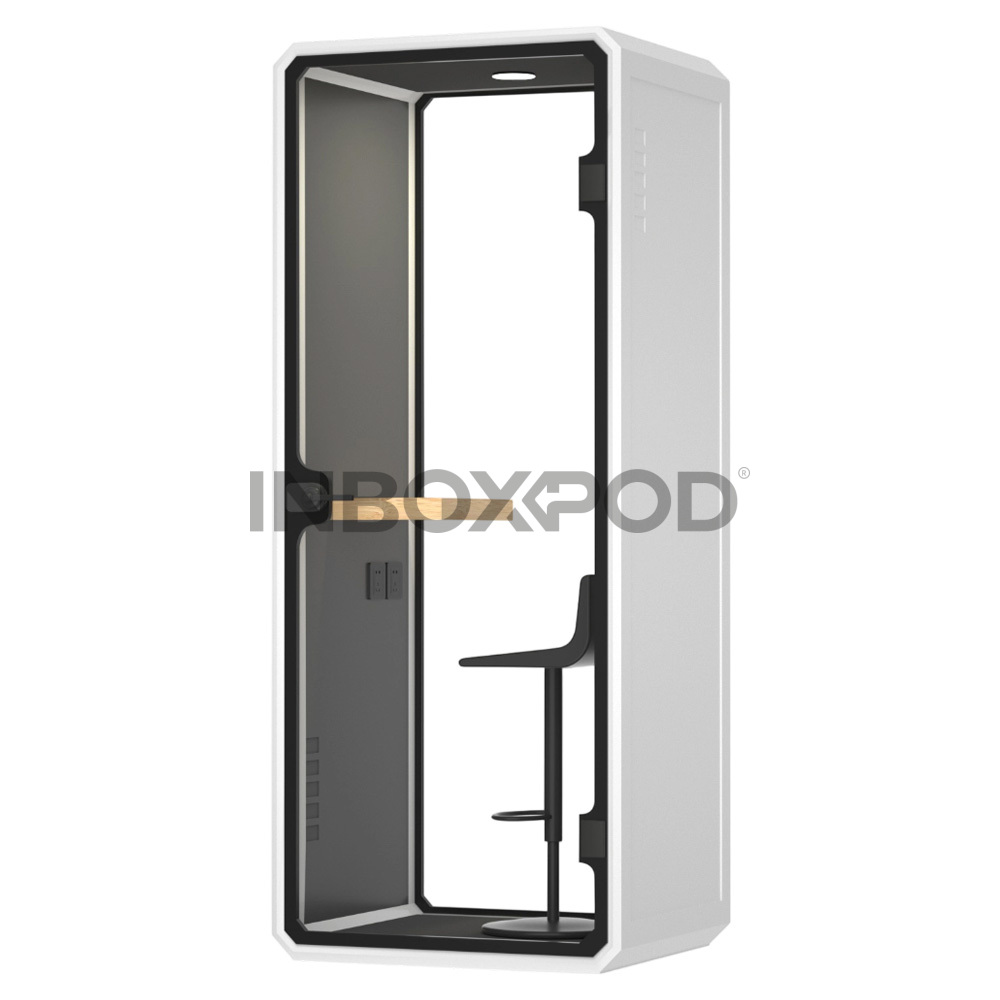
For organizations and individuals using a portable soundproof booth—such as the Silence Booth/Office pod Prefabricated V series-S size—regular, targeted maintenance is essential to preserve acoustic performance, ensure occupant comfort, and protect your investment. This guide provides evidence-based, practical maintenance tips tailored to modular, prefabricated acoustic booths: daily checks, cleaning best practices for high-performance acoustic materials, HVAC and ventilation care, seal and glazing inspection, electrical and lighting upkeep, and long-term strategies for repairs and upgrades to keep your portable studio or office pod functioning at peak levels.
Product snapshot:
Built with high-performance acoustic materials and a modular prefabricated structure, it offers excellent sound insulation, fast installation, and efficient space utilization.
Preventive Maintenance: Keep Your Portable Soundproof Booth Performing
Daily and weekly visual and functional checks
Simple daily and weekly checks detect small issues before they degrade acoustic performance. Inspect door seals and gasket compression around the entry for visible gaps or wear; even a 1–2 mm breach can noticeably increase sound leakage in critical frequency ranges. Test doors and latches for smooth operation and inspect any glazing (windows) for cracks, chip edges, or loose beads. Check interior surfaces for dirt, spills, or damage to acoustic panels and record any changes in a maintenance log.
Monthly acoustic and environmental checks
At least once a month, perform a short acoustic verification: close the booth, run a familiar noise source (e.g., voice or consistent test tone) and verify perceived isolation compared to baseline results recorded at installation. Monitor air exchange and ventilation: verify fan speeds, listen for unusual noises from the ventilation path, and check filter status. Track humidity and temperature inside the booth—extreme humidity can affect some acoustic absorbers and adhesives used in modular builds.
Why preventive care matters (standards and health context)
Maintaining specified sound reduction values preserves the intended privacy and recording/meeting quality and aligns with accepted acoustic practice. For context on sound and health, consult the WHO Environmental Noise Guidelines for the European Region which connects noise exposure to health and performance outcomes (WHO - Environmental Noise Guidelines). Following preventive maintenance reduces downtime and ensures compliance with workplace comfort expectations.
Cleaning, Materials Care, and Surface Maintenance
How to clean acoustic panels and fabric surfaces
The Silence Booth/Office pod Prefabricated V series-S size uses high-performance acoustic materials that require gentle handling. For fabric-faced absorbers, vacuum weekly using a soft brush attachment to remove dust and prevent fiber compaction which reduces absorption. For spills, blot liquids immediately with a clean, dry cloth—avoid aggressive rubbing. If manufacturer guidance permits, use a mild detergent solution for spot cleaning; always test in an inconspicuous area first. Avoid saturated cleaning methods that can soak panel cores or seams.
Maintaining hard surfaces, frames, and external finishes
Wipe external panels, metal frames, and modular joints with a soft cloth and non-abrasive cleaner. Avoid solvents that can degrade adhesives or finishes. Check the condition of connecting joints in the prefab structure: tightened brackets, bridged seams, and intact gaskets preserve both structural integrity and acoustic sealing. Lubricate hinges and latches lightly with silicone spray if squeaks or stiffness appear.
Door seals, thresholds, and glazing care
Door seals (EPDM, silicone or neoprene) are critical to airborne isolation. Clean seals with mild soap and water and inspect for compression set or cracks. Replace seals that have lost elasticity. For glazed elements, keep beads and perimeter seals free from dirt and ensure continuous compression; consider installing anti-fog films if condensation forms due to humidity differences between interior and exterior.
Mechanical, Electrical & Ventilation Maintenance
Ventilation and HVAC: filter schedules and fan checks
Prefabricated booths often rely on integrated ventilation for comfort and to maintain a healthy indoor environment. Replace or clean intake and recirculation filters according to usage—high-usage environments (e.g., recording studios with multiple occupants) should change filters every 1–3 months, light-use booths every 3–6 months. Inspect fans monthly for vibration or noise that could transfer into the booth; use anti-vibration mounts and flexible duct connectors to isolate mechanical noise. For guidance on acceptable reverberation and HVAC noise, audio engineering standards and acoustics literature such as the Acoustical Society of America resources are helpful (Acoustical Society of America).
Electrical systems and lighting maintenance
Check lighting fixtures for bulb life, flicker, and secure mounts. Inspect power outlets, cable entries, and any integrated control panels for loose connections, burn marks, or corrosion. Ensure sockets and power strips are not overloaded. Schedule an annual electrical safety inspection by a qualified technician for circuits dedicated to the booth to avoid nuisance noise from electrical interference and to ensure occupant safety.
Modular joints, seals, and lift points
The modular, prefabricated nature of the V series-S size makes it important to periodically check mechanical fasteners and alignment of panels. Tighten bolts to specified torque values supplied by the manufacturer, verify that panel alignment remains flush to prevent flanking paths, and inspect lift points used during installation for any deformation. Properly seated panels maintain the intended insertion loss across frequency bands.
Long-Term Care, Repairs, and Upgrades
When to repair vs. replace components
Minor cosmetics or seal replacements typically restore performance quickly. Replace acoustic panels when core integrity is compromised (e.g., water damage, delamination) or when panels show significant compression or loss of porosity. For glazing, replace units with cracks or permanent seal failure. If repeated HVAC issues occur, evaluate replacing the fan assembly rather than repeated repairs—newer units may offer improved acoustic isolation. Keep manufacturer warranty and recommended service intervals in the booth records.
Upgrading acoustic performance: targeted retrofits
To improve isolation or interior acoustics without full replacement, consider the following targeted upgrades: add a second sealing gasket to the door, install a thicker or additional absorptive panel in critical reflection zones, or add a decoupled secondary interior lining to increase mass and break flanking paths. When improving performance, consult recognized measurement standards (for example, see general acoustic measurement practices on Soundproofing (Wikipedia) for background) and, if required, have a qualified acoustician perform post-upgrade verification.
Documentation, maintenance logs and warranty considerations
Keep a maintenance log with dates, tasks performed, parts replaced, and acoustic verification notes. This supports warranty claims and helps identify recurring issues. For prefabricated systems, follow manufacturer-recommended service intervals and use approved spare part lists to avoid voiding warranties. If unsure about a repair, contact the manufacturer or an authorized service partner for guidance.
Maintenance Schedule (Recommended)
| Interval | Tasks | Performed by |
|---|---|---|
| Daily | Visual check of door seals, quick interior tidy, ensure ventilation is running | User / On-site staff |
| Weekly | Vacuum fabric panels, wipe surfaces, test door operation | Facility staff |
| Monthly | Check filters, fan noise, lighting, record acoustic check | Facility staff / AV technician |
| Quarterly | Inspect seals for wear, tighten fasteners, inspect glazing and gaskets | Service technician |
| Annually | Full electrical inspection, HVAC service, acoustic verification vs baseline | Certified technician / Acoustician |
References and Further Reading
Authoritative resources cited to support the guidance above:
- WHO — Environmental Noise Guidelines (health impacts of noise exposure)
- Soundproofing — Wikipedia (technical overview of sound isolation concepts)
- Acoustical Society of America (industry and research resources on acoustics)
- ISO Committee on Acoustics (standards development for acoustics)
FAQ — Frequently Asked Questions
How often should I replace door seals on a portable soundproof booth?
Replace seals when they show visible cracking, loss of elasticity, or if you detect sound leakage during acoustic checks. For typical office use, plan on inspection every 6 months and replacement every 2–4 years depending on wear.
Can I clean acoustic panels with water or steam cleaners?
Avoid saturation cleaning. Use vacuuming and spot-cleaning with a mild detergent and a damp cloth. Steam cleaners are generally not recommended because heat and moisture can damage adhesives and internal cores.
How do I know if ventilation noise is affecting acoustic isolation?
Listen for tonal or broadband noise when the booth is empty; if ventilation introduces noticeable noise, try isolating the fan with anti-vibration fittings, use low-speed, high-volume fans, or add lined ducting to attenuate fan noise. Have a technician measure in-booth background noise to determine the source.
Is it better to repair or upgrade the booth if acoustic performance declines?
Minor declines (seals, panel wear) are often repaired. If the booth’s mass or assembly shows long-term deterioration, or if modern performance expectations have changed, targeted upgrades (additional absorptive layers, improved seals, newer HVAC assemblies) can be cost-effective compared to replacement.
Do upgrades require re-certification or acoustic testing?
After significant repairs or upgrades that affect mass, sealing, or internal surfaces, perform acoustic verification to confirm that performance meets your requirements. For formal compliance or contractual obligations, re-measurement by a qualified acoustician may be necessary.
For product-specific maintenance guidance, spare parts, or to schedule professional servicing for your Silence Booth/Office pod Prefabricated V series-S size, contact our support team or view the product page for full specifications and approved consumables. Reach out to customer service or check our product listing for maintenance kits and authorized technicians.
Contact us / View product: Silence Booth — Prefabricated V series-S size | Contact Customer Service
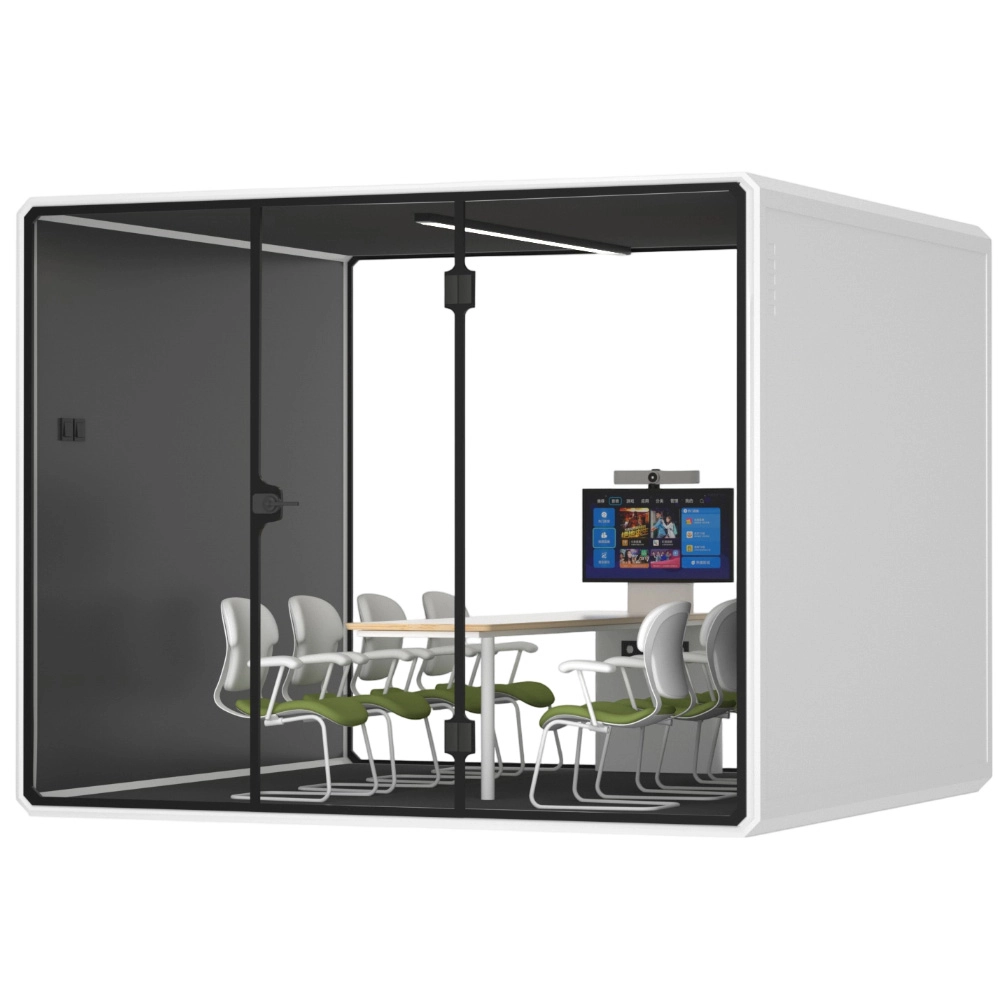
Mobility and Relocation: Moving a Prefabricated Office Pod
Soundproof Pod Acoustic Ratings: Understanding STC and NRC
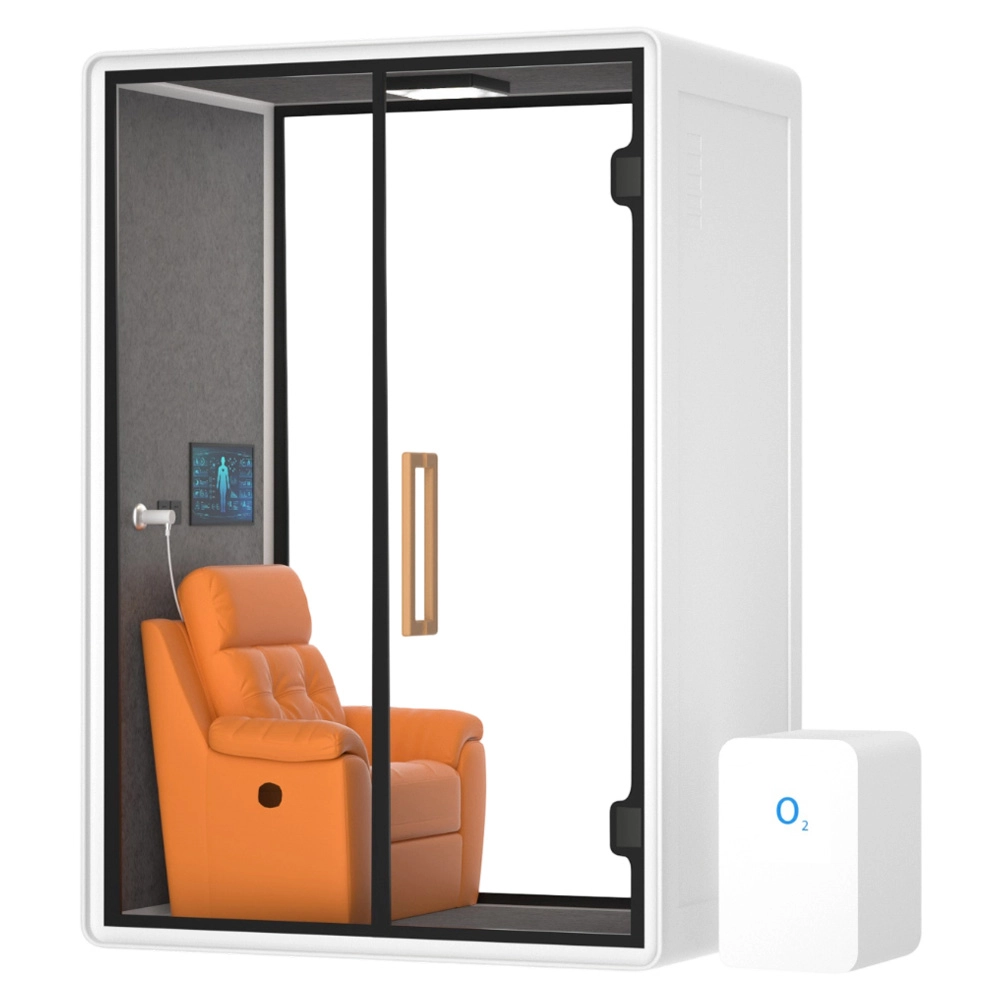
INBOXpod Soundproof Single-Seat Oxygen Pod — Private Focus, Clean Air, Superior Acoustics
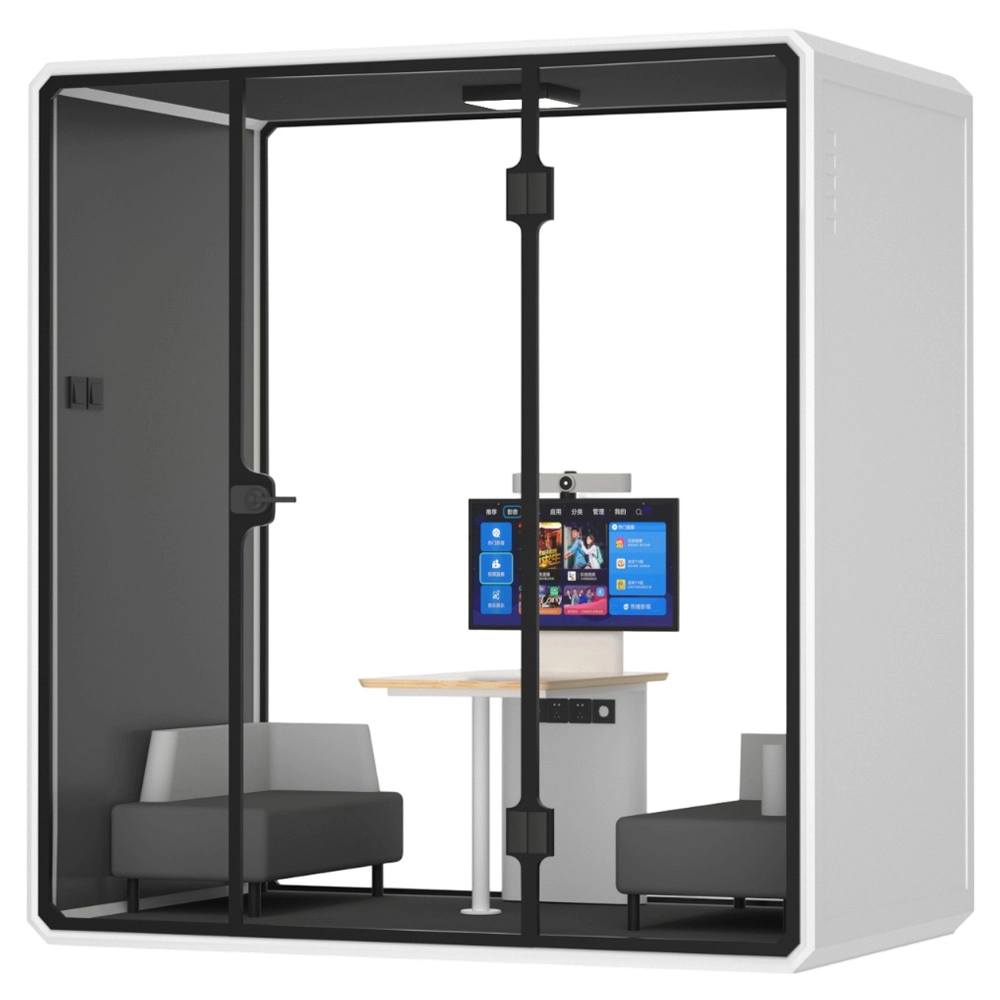
Silence Booth V-Series L — High-Performance Soundproof Office Pod by INBOXpod
Home-demo
How long does it take to assemble an INBOXpod booth?
Most of our booths can be assembled without tools in about 30 minutes, making installation quick and hassle-free.
What is the typical sound insulation level of your acoustic booths?
Our booths typically achieve up to 27 dB noise reduction, meeting Class B sound insulation standards suitable for offices and study environments.
Can the booths be customized to fit specific space requirements?
Yes, we offer flexible customization options including size, color, and additional features to perfectly suit your needs.
What materials are used in the construction of the booths?
Our booths are made from sustainable, high-quality materials including aluminum alloy frames and acoustic panels designed for optimal soundproofing.
Do you provide after-sales support and warranty?
Yes, we provide comprehensive after-sales service and warranty to ensure long-term satisfaction with our products.
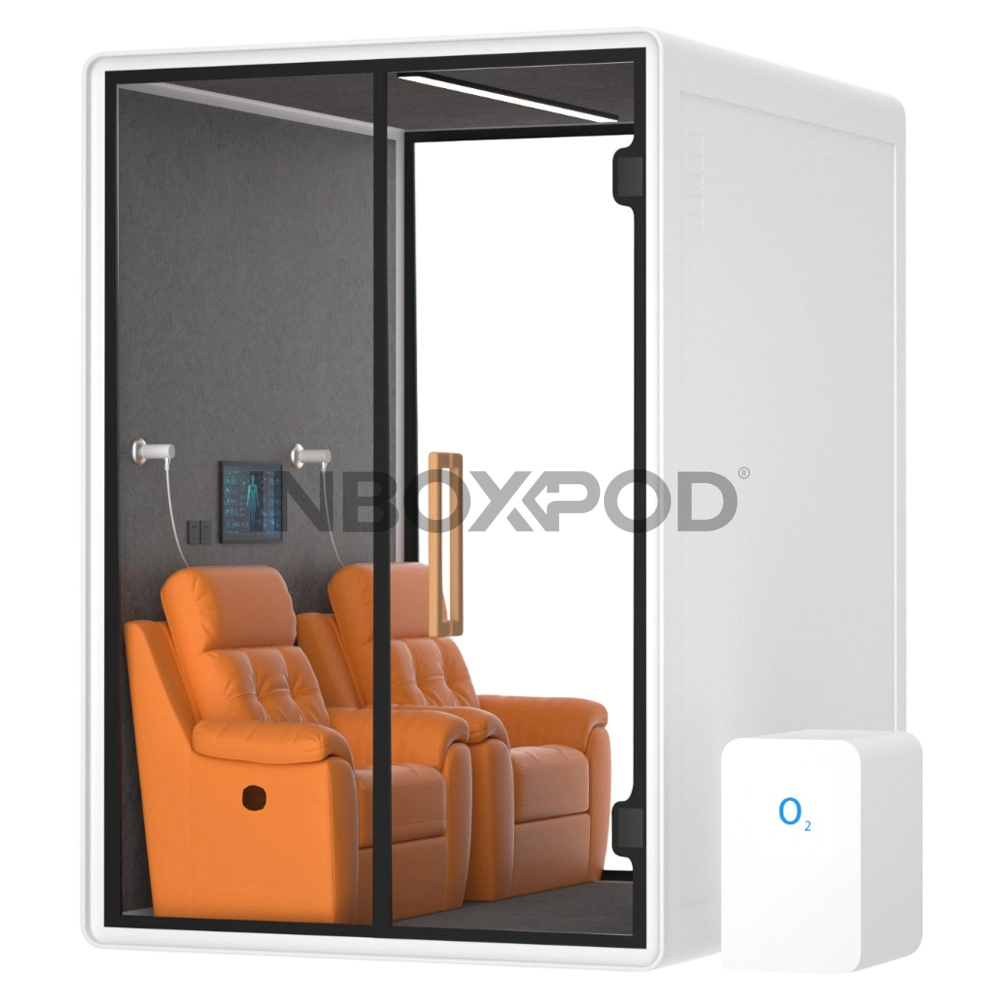
INBOXpod Double Seat Soundproof Oxygen Pod
An oxygen therapy space customized for double social interaction and health, with a double-seat design to promote a win-win situation for interaction and health. External size: W1600×D1929×H2300 mm; internal size: W1466×D1854×H2166 mm. You can improve cardiovascular function and concentration through oxygen therapy with friends and colleagues in a quiet and efficient acoustic environment, making health and social interaction complement each other.
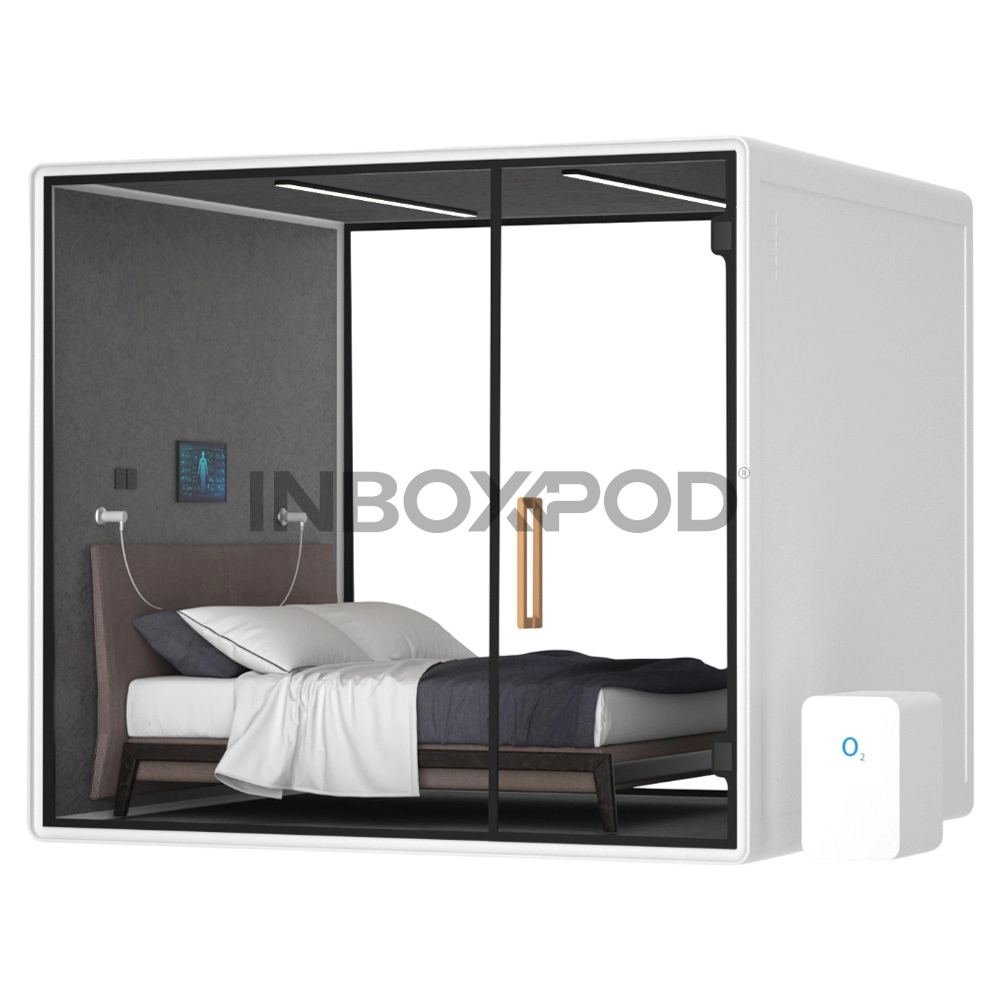
INBOXpod Soundproof Double Bed (small) Oxygen Pod
A double oxygen therapy option that balances space and experience, with a small double-bed layout suitable for various scenarios. External size: W2300×D1854×H2300 mm; internal size: W2300×D1929×H2300 mm. You can share the high-oxygen environment here with relatives and friends, relieve stress, improve physical fitness, and gain health and vitality in company.
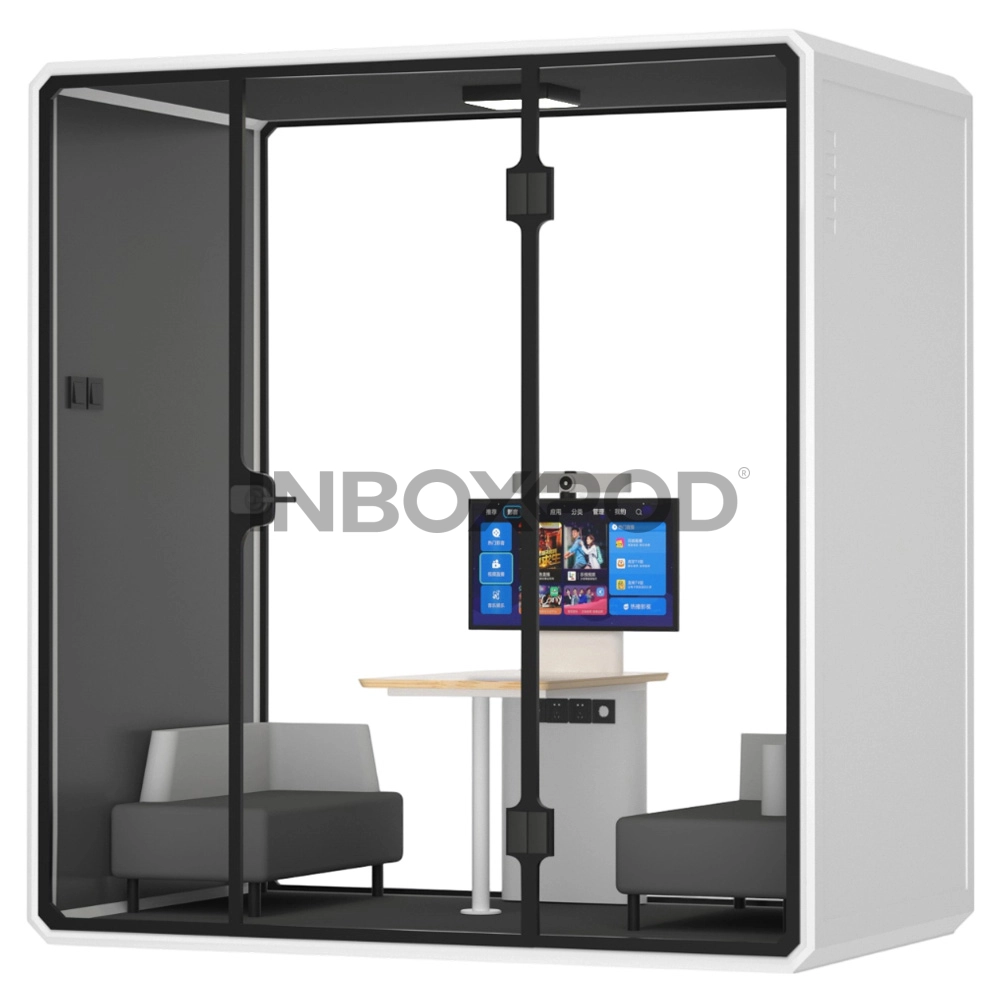
Silence Booth/Office Pod Prefabricated V series-L size
Designed for team collaboration and small meetings, the L-size booth provides a comfortable and acoustically optimized space for 4–6 people. With premium sound insulation, efficient ventilation, and integrated lighting and power systems, it ensures focus, privacy, and productivity—even in the busiest open offices.
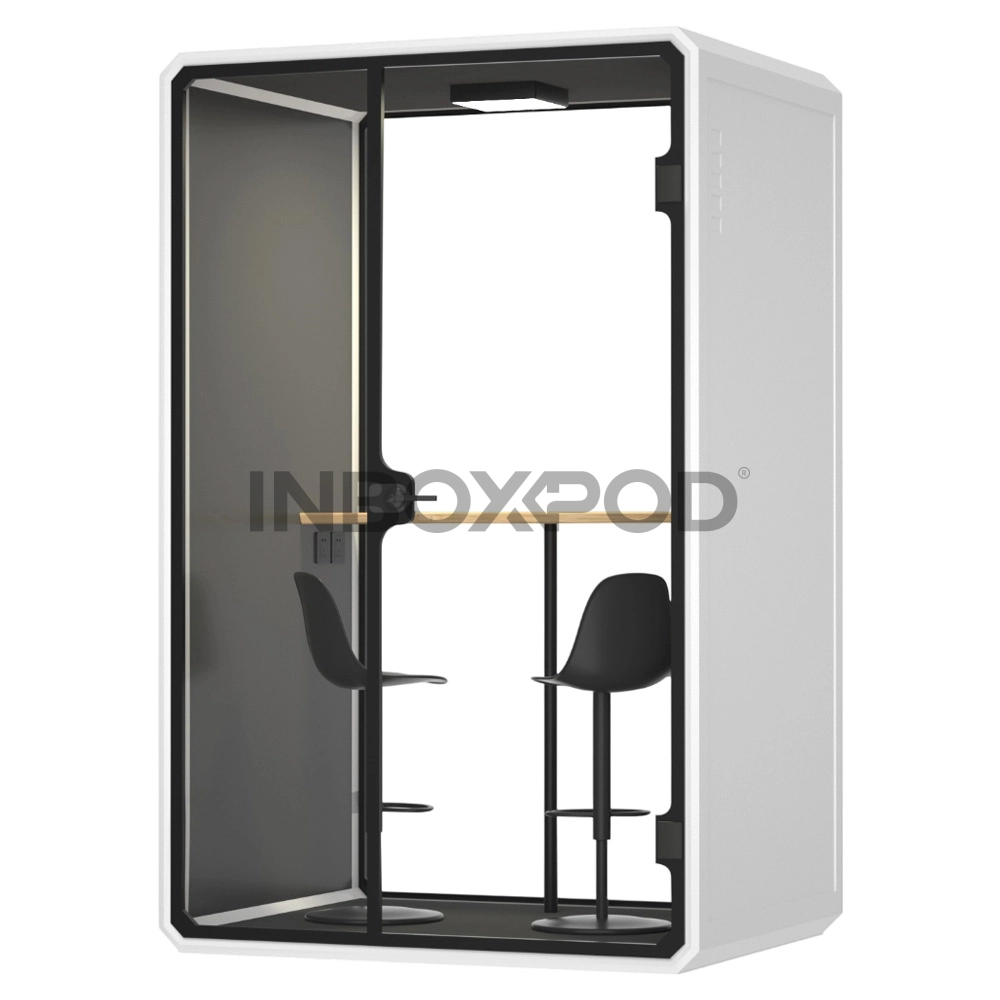
Silence Booth/Office pod Prefabricated V series - M size
Ideal for two-person discussions or focused solo work, the M-size booth offers a balanced mix of privacy and flexibility. Its advanced acoustic panels reduce external noise effectively, while the smart ventilation and lighting systems create a comfortable, quiet environment for calls, meetings, or concentrated tasks.
Whatsapp: +8613535292957