
Compliance & Safety Standards for Music Recording Booths
- Compliance & Safety Standards for Music Recording Booths
- Why compliance is critical for a music recording booth
- Key acoustic and health standards for music recording booth design
- Background noise and occupational limits for music recording booth environments
- Sound isolation and measurement
- Reverberation time and internal acoustics
- Fire, electrical, and materials safety standards
- Fire safety, material flammability, and egress
- Electrical safety and compliance
- Low-emission materials and indoor air quality
- Ventilation, thermal comfort, and HVAC noise control for music recording booths
- Ventilation rates and standards
- Balancing ventilation with noise control
- Testing, certification, and commissioning of music recording booths
- Typical acceptance test checklist for new booth installations
- Practical design and product guidance: Choosing a compliant music recording booth
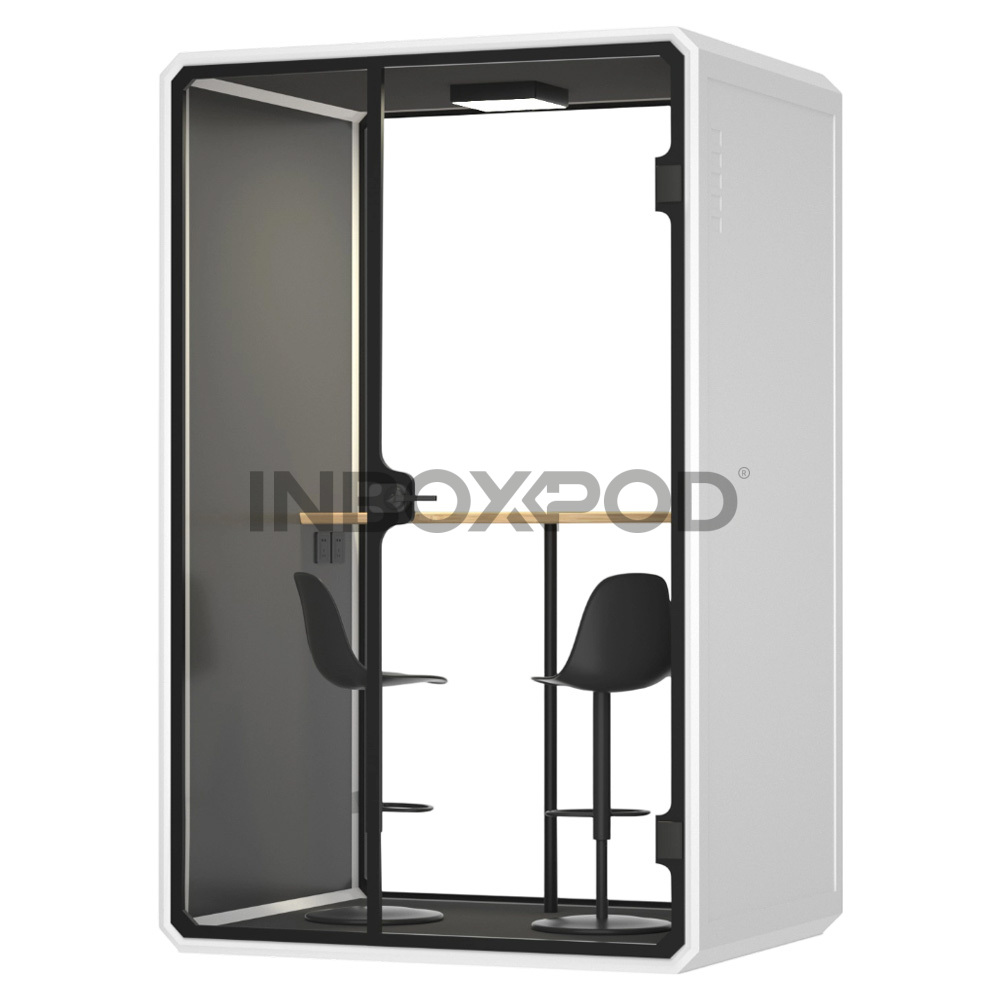
- Silence Booth/Office pod Prefabricated V series - M size
- Installation, maintenance, and ongoing compliance
- Comparison table: Typical targets and standards for a music recording booth
- Brand advantages: Why choose Silence Booth V series M size for a compliant music recording booth
- FAQ: Common questions about compliance & safety for music recording booths
- Q: Do I need a permit to install a prefabricated recording booth?
- Q: What background noise level is acceptable for professional vocal recordings?
- Q: How do I ensure ventilation is quiet enough for recording?
- Q: How often should I re-test acoustic performance?
- Q: Are acoustic panel materials safe for long-term occupancy?
- Contact / View Product
- Authoritative references and further reading
Compliance & Safety Standards for Music Recording Booths
Why compliance is critical for a music recording booth
Creating a compliant music recording booth protects people, preserves equipment, and ensures consistent audio quality. For commercial studios, compliance reduces liability, speeds permitting, and supports insurance claims. For in-house or private setups, meeting industry standards avoids health risks from poor ventilation, fire hazards from flammable finishes, or hearing damage from excessive noise exposure. This article explains the practical standards you should plan for when buying, installing, or operating a music recording booth — with specific recommendations for prefabricated solutions such as the Silence Booth/Office pod Prefabricated V series - M size.
Key acoustic and health standards for music recording booth design
Acoustic performance is at the core of any music recording booth. Standards and metrics to understand include background noise level, sound isolation, and reverberation time. Commercial and broadcast facilities commonly target these measurable values to meet user expectations and regulatory guidance.
Background noise and occupational limits for music recording booth environments
Noise exposure limits are aimed at protecting hearing and providing a controlled recording environment. Two commonly cited benchmarks are:
- NIOSH Recommended Exposure Limit (REL): 85 dB(A) over an 8-hour time-weighted average. (Use NIOSH guidance for occupational recording engineers and long sessions.)
- OSHA Permissible Exposure Limit (PEL): 90 dB(A) over an 8-hour day. Employers must follow OSHA regulations for worker safety.
For a music recording booth, objective targets are usually much lower than exposure limits: aim for a background noise rating around NC-20 to NC-25 (or lower for critical recording) so microphones capture only the intended sources. Lowering mechanical and HVAC background noise is essential to achieving professional results.
Sound isolation and measurement
Sound Transmission Class (STC) and related metrics describe how well a partition blocks airborne sound. Many high-quality recording booths achieve STC ratings in the mid-30s to 50s depending on construction; higher STC means better isolation. ISO and ANSI standards describe measurement practices — look for third-party test reports when comparing products.
Reverberation time and internal acoustics
Reverberation time (RT60) indicates how long sound decays inside a room. For music vocal booths, a relatively 'dry' acoustic (RT60 around 0.2–0.4 seconds across mid-frequencies) helps capture clean, intelligible recordings. Instrument booths may tolerate slightly longer RT values depending on desired tone. Proper acoustic panel placement, bass trapping, and diffusion are part of design to reach target RT60 values.
Fire, electrical, and materials safety standards
Beyond acoustics, safety codes for fire resistance, electrical distribution, and material emissions are mandatory considerations for any prefabricated or permanently installed music recording booth.
Fire safety, material flammability, and egress
Relevant considerations include:
- Surface burning characteristics: Materials used in panels and finishes should meet recognized fire test standards where required, such as ASTM E84 (surface burning) classifications or local building code equivalents.
- Smoke control and alarms: Booths installed within commercial facilities must integrate with building fire detection and alarm systems per local code and NFPA guidance.
- Egress and size limitations: Small prefabricated pods must permit safe, unobstructed entry/exit and in some jurisdictions may require emergency release hardware on doors.
Always confirm local fire marshal requirements before installing a pod inside commercial premises.
Electrical safety and compliance
Electrical work for a booth must follow the applicable national or regional electrical code (for example, NFPA 70/National Electrical Code in the U.S.). Key points:
- Use UL-listed or equivalent certified lighting and electrical components.
- Install sufficient and protected power circuits to avoid overloaded outlets near critical equipment.
- Provide surge protection for sensitive audio gear.
Low-emission materials and indoor air quality
Acoustic foams, composite panels, adhesives, and paints can emit volatile organic compounds (VOCs). Certification programs such as GREENGUARD or similar low-emission labels help ensure materials are safe for prolonged occupancy. For recording booths where people may spend hours, choosing low-VOC materials protects health and ensures microphone integrity (some high-VOC products off-gas odors that mics can pick up during sensitive sessions).
Ventilation, thermal comfort, and HVAC noise control for music recording booths
Proper ventilation is a safety and comfort requirement that must be balanced against noise constraints. A music recording booth must supply fresh air, remove CO2, and control temperature without adding intrusive noise or vibration.
Ventilation rates and standards
ASHRAE Standard 62.1 specifies ventilation requirements for acceptable indoor air quality. For small booths and office pods the guideline values often used as starting points are:
- Outdoor air per person: roughly 5 cfm per person for office-style occupancy.
- Outdoor air per unit area: around 0.06 cfm per square foot for some office classifications.
Designers typically provide slightly higher rates for booths intended to be occupied for recording sessions to maintain comfort during long takes.
Balancing ventilation with noise control
Acoustic treatments for ventilation include long duct runs with lined plenums, offset inlets and outlets, acoustic baffles, and low-velocity fans mounted on vibration isolators. The topic requires coordination between acoustical and mechanical consultants; prefabricated booths from reputable manufacturers often incorporate engineered ventilation that meets both air quality and low-noise targets.
Testing, certification, and commissioning of music recording booths
Verifiable test results are essential for compliance and performance validation. Look for these items when evaluating a music recording booth:
- Independent STC or Rw test reports conducted to recognized standards.
- Background noise measurements (NC or dB(A)) with HVAC systems operating at normal setpoints.
- Fire and electrical certification for components (e.g., UL listings).
- VOC testing or low-emission certifications such as GREENGUARD.
Commissioning should include airflow verification, smoke alarm integration checks, and a final acoustic sweep to document RT60 and isolation performance.
Typical acceptance test checklist for new booth installations
- STC or isolation test report on partition assembly
- Background noise measurement with HVAC on (target NC-20–NC-30 depending on use)
- Ventilation airflow verified per ASHRAE values
- Electrical and surge protection verification
- Fire detection and egress hardware checks
Practical design and product guidance: Choosing a compliant music recording booth
When selecting a booth, evaluate documented performance rather than claims. Consider occupancy, intended use (voiceover, vocal, instrument, or mixing), and whether the booth will be permanent or modular. Prefabricated units offer consistent manufacturing tolerances, factory-installed acoustic treatments, and integrated services that simplify compliance.
Silence Booth/Office pod Prefabricated V series - M size
Ideal for two-person discussions or focused solo work, the M-size booth offers a balanced mix of privacy and flexibility. Its advanced acoustic panels reduce external noise effectively, while the smart ventilation and lighting systems create a comfortable, quiet environment for calls, meetings, or concentrated tasks.
The V series M-size is particularly suitable as a music recording booth for demo sessions, voiceover, podcasting, and small ensemble captures because it combines documented acoustic paneling, engineered low-noise ventilation, and electrical provisions designed for studio equipment. Product selection should be paired with site-specific commissioning to ensure the installed performance meets your studio goals and local code requirements.
Installation, maintenance, and ongoing compliance
Installation should be performed by trained technicians following manufacturer instructions. Key ongoing responsibilities include:
- Periodic HVAC filter replacement and fan vibration checks.
- Annual verification of electrical safety and surge protection.
- Re-testing background noise and acoustic performance after any modifications.
- Monitoring for VOCs if new finishes are applied.
Routine maintenance keeps a booth within compliance and preserves acoustic integrity over the long term.
Comparison table: Typical targets and standards for a music recording booth
| Parameter | Recommended Target | Relevant Standard / Guidance |
|---|---|---|
| Occupational noise exposure | Keep below 85 dB(A) TWA where possible; limit peaks | NIOSH REL, OSHA PEL (https://www.osha.gov/noise) |
| Background noise (booth) | NC-20 to NC-25 for vocal/microphone recording | Best-practice studio targets; verified by acoustic testing |
| Sound isolation | STC 35–50+ depending on adjacent use | STC / ISO Rw measurement methods |
| Reverberation time (RT60) | 0.2–0.4s for vocal booths (mid frequencies) | ISO 3382 room acoustics measurement guidance |
| Ventilation | Approx. 5 cfm per person + 0.06 cfm/ft2 (office baseline) | ASHRAE 62.1 guidance |
| Material emissions | Low-VOC or GREENGUARD-certified where possible | GREENGUARD / UL standards |
Brand advantages: Why choose Silence Booth V series M size for a compliant music recording booth
When comparing prefabricated solutions, consider these advantages the Silence Booth/Office pod Prefabricated V series - M size provides:
- Engineered acoustic panels tuned for speech and vocal recording to reach practical RT60 targets.
- Factory-integrated ventilation designed for low background noise while meeting fresh-air needs.
- Electrical and lighting provisions designed for studio equipment and compliant components.
- Modular installation that simplifies site commissioning and minimizes on-site modification risks that can degrade acoustic or fire performance.
These factors reduce the technical effort and uncertainty involved in turning a booth into a compliant, production-ready music recording space.
FAQ: Common questions about compliance & safety for music recording booths
Q: Do I need a permit to install a prefabricated recording booth?
A: Permit requirements vary by jurisdiction and depend on use, permanent vs. temporary installation, and building impact (electrical, HVAC, fire). Consult your local building department and fire marshal before installation.
Q: What background noise level is acceptable for professional vocal recordings?
A: Aim for NC-20 to NC-25 or lower for high-quality vocal recordings. Many studios target even lower for critical work. Measure with HVAC operating as it will during sessions.
Q: How do I ensure ventilation is quiet enough for recording?
A: Use low-velocity ducting, lined plenums, acoustic baffles, and vibration-isolated fans. Prefabricated booths that incorporate engineered ventilation will typically include test data for background noise.
Q: How often should I re-test acoustic performance?
A: Test after installation and any significant modifications. Annual background noise verification and periodic RT60 checks are recommended for commercial studios.
Q: Are acoustic panel materials safe for long-term occupancy?
A: Choose panels with low-VOC ratings or third-party certifications such as GREENGUARD. Avoid uncertified open-cell foams with unknown emission profiles in enclosed booths.
Contact / View Product
To assess how the Silence Booth/Office pod Prefabricated V series - M size fits your recording needs and compliance requirements, contact our team to request technical datasheets, acoustic test reports, and site-specific guidance. Our specialists can arrange product demonstrations and help coordinate commissioning to meet local standards.
Once compliance and safety benchmarks are confirmed, the next challenge is execution—specifically how the booth is delivered, assembled, and positioned on-site. These practical considerations are addressed in Installation Logistics for Prefab Office Pod V Series.
Authoritative references and further reading
- Occupational Safety and Health Administration (OSHA) - Noise: https://www.osha.gov/noise
- National Institute for Occupational Safety and Health (NIOSH) - Noise and Hearing Loss Prevention: https://www.cdc.gov/niosh/topics/noise/default.
- ASHRAE Standards and Guidance (ventilation): https://www.ashrae.org/technical-resources/standards-and-guidelines/standards
- National Fire Protection Association (NFPA): https://www.nfpa.org/
- ADA (Americans with Disabilities Act) - general accessibility guidance: https://www.ada.gov/
- Sound Transmission Class (STC) - overview: https://en.wikipedia.org/wiki/Sound_transmission_class
- Reverberation time (RT60) - basics: https://en.wikipedia.org/wiki/Reverberation_time
- GREENGUARD Certification information: https://www.ul.com/resources/what-greenguard-certification
- ISO 3382 - Acoustics — Measurement of room acoustic parameters: https://www.iso.org/standard/61464.
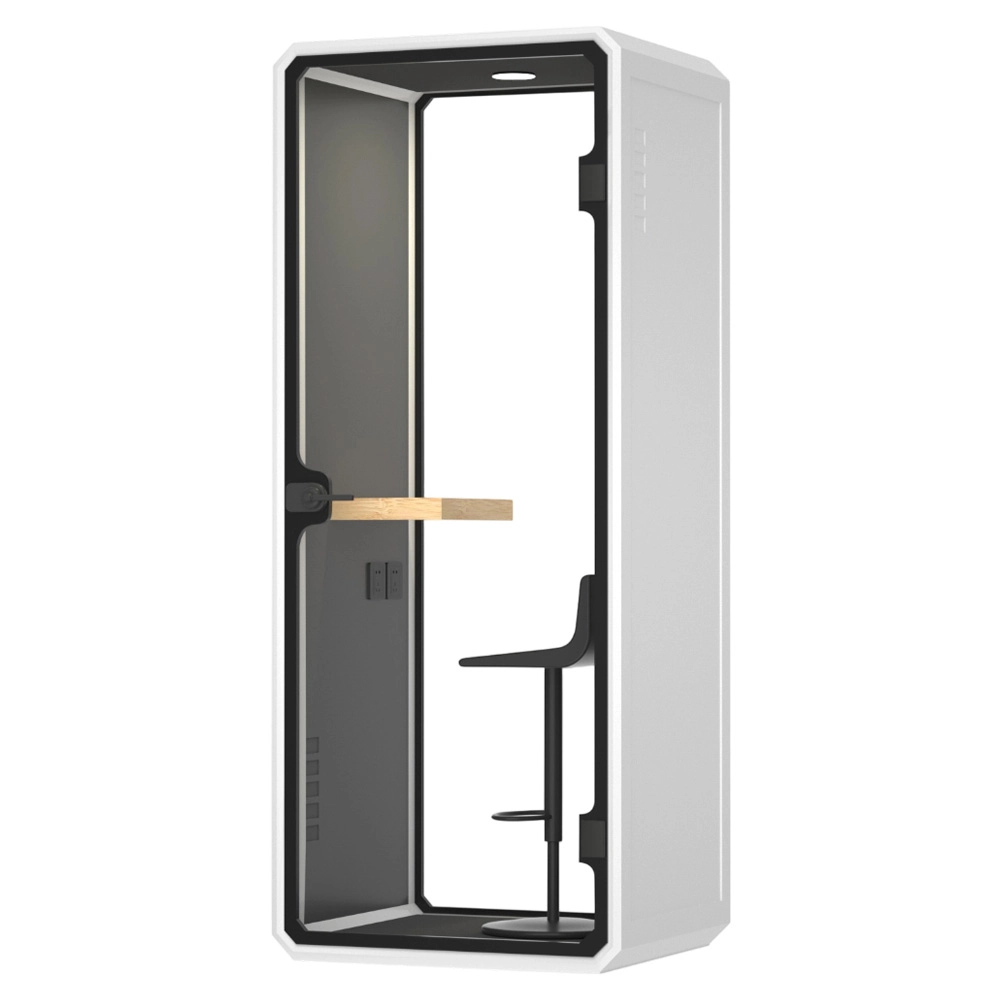
Silence Booth V Series-S Review: Is It Worth Buying?
Cost Breakdown: Silence Booth/Office Pod V Series-XXL Price Guide
Portable Soundproof Booths for Remote Teams & Studios
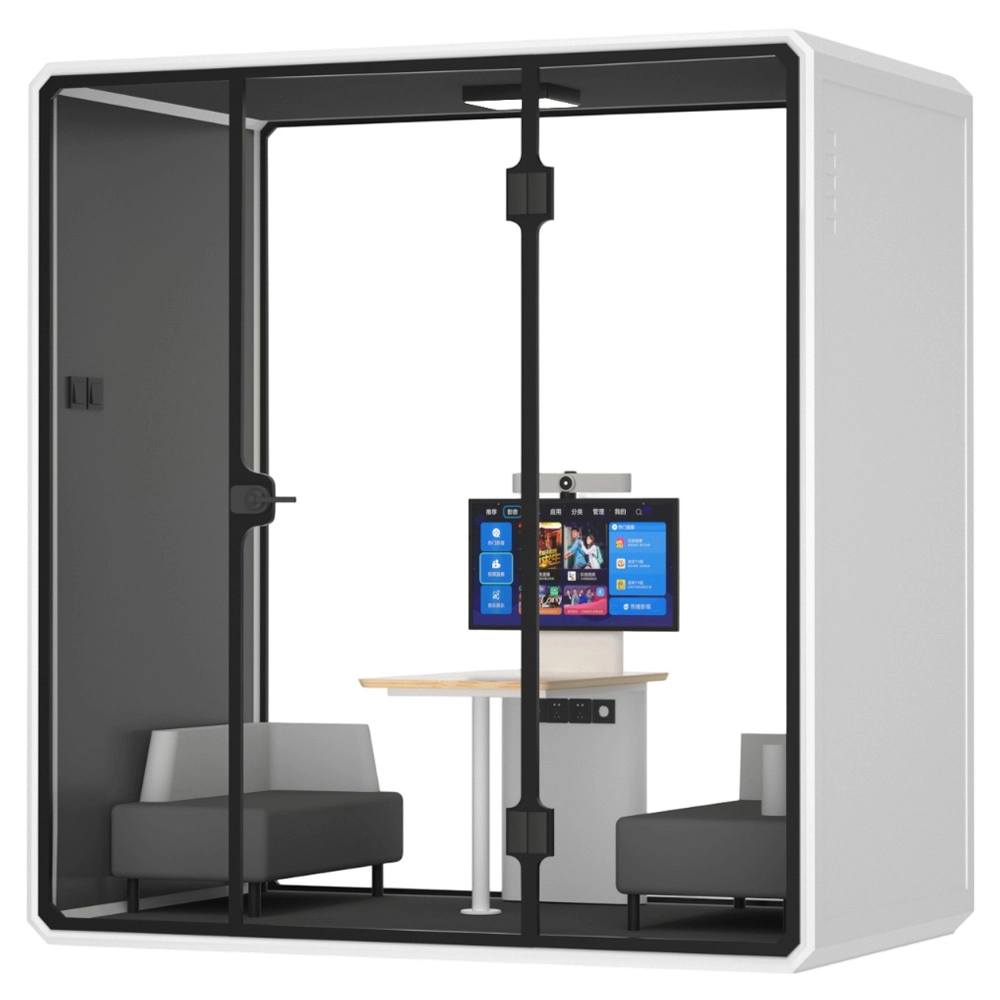
Silence Booth V-Series L — High-Performance Soundproof Office Pod by INBOXpod
Home-demo
Do you provide after-sales support and warranty?
Yes, we provide comprehensive after-sales service and warranty to ensure long-term satisfaction with our products.
What materials are used in the construction of the booths?
Our booths are made from sustainable, high-quality materials including aluminum alloy frames and acoustic panels designed for optimal soundproofing.
How long does it take to assemble an INBOXpod booth?
Most of our booths can be assembled without tools in about 30 minutes, making installation quick and hassle-free.
What is the typical sound insulation level of your acoustic booths?
Our booths typically achieve up to 27 dB noise reduction, meeting Class B sound insulation standards suitable for offices and study environments.
Can the booths be customized to fit specific space requirements?
Yes, we offer flexible customization options including size, color, and additional features to perfectly suit your needs.
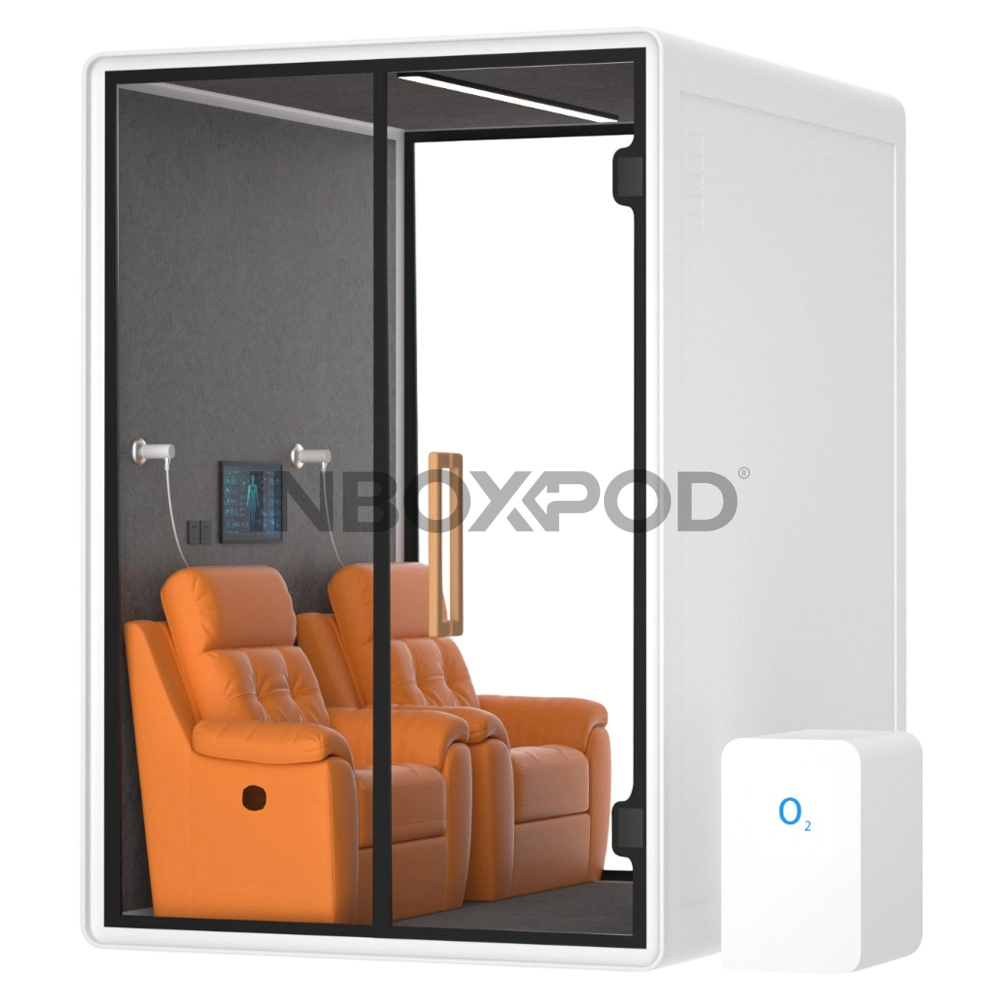
INBOXpod Double Seat Soundproof Oxygen Pod
An oxygen therapy space customized for double social interaction and health, with a double-seat design to promote a win-win situation for interaction and health. External size: W1600×D1929×H2300 mm; internal size: W1466×D1854×H2166 mm. You can improve cardiovascular function and concentration through oxygen therapy with friends and colleagues in a quiet and efficient acoustic environment, making health and social interaction complement each other.
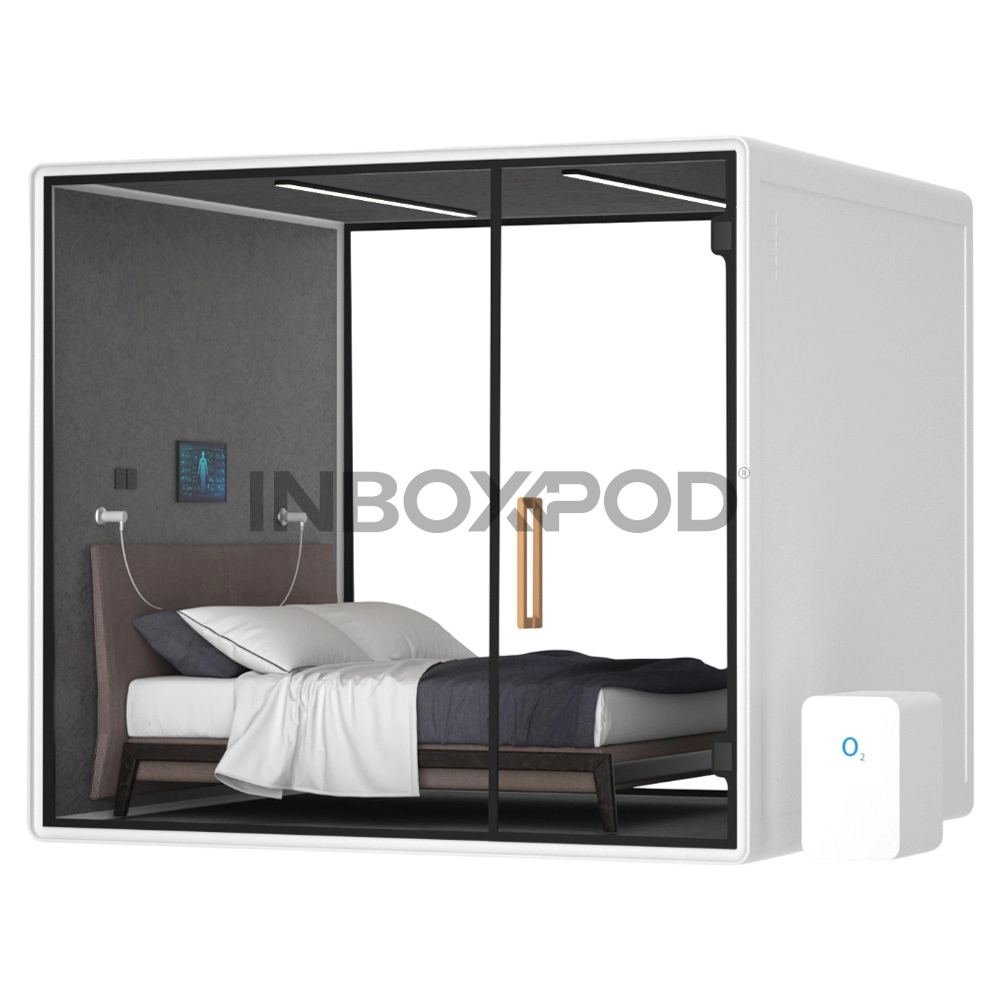
INBOXpod Soundproof Double Bed (small) Oxygen Pod
A double oxygen therapy option that balances space and experience, with a small double-bed layout suitable for various scenarios. External size: W2300×D1854×H2300 mm; internal size: W2300×D1929×H2300 mm. You can share the high-oxygen environment here with relatives and friends, relieve stress, improve physical fitness, and gain health and vitality in company.
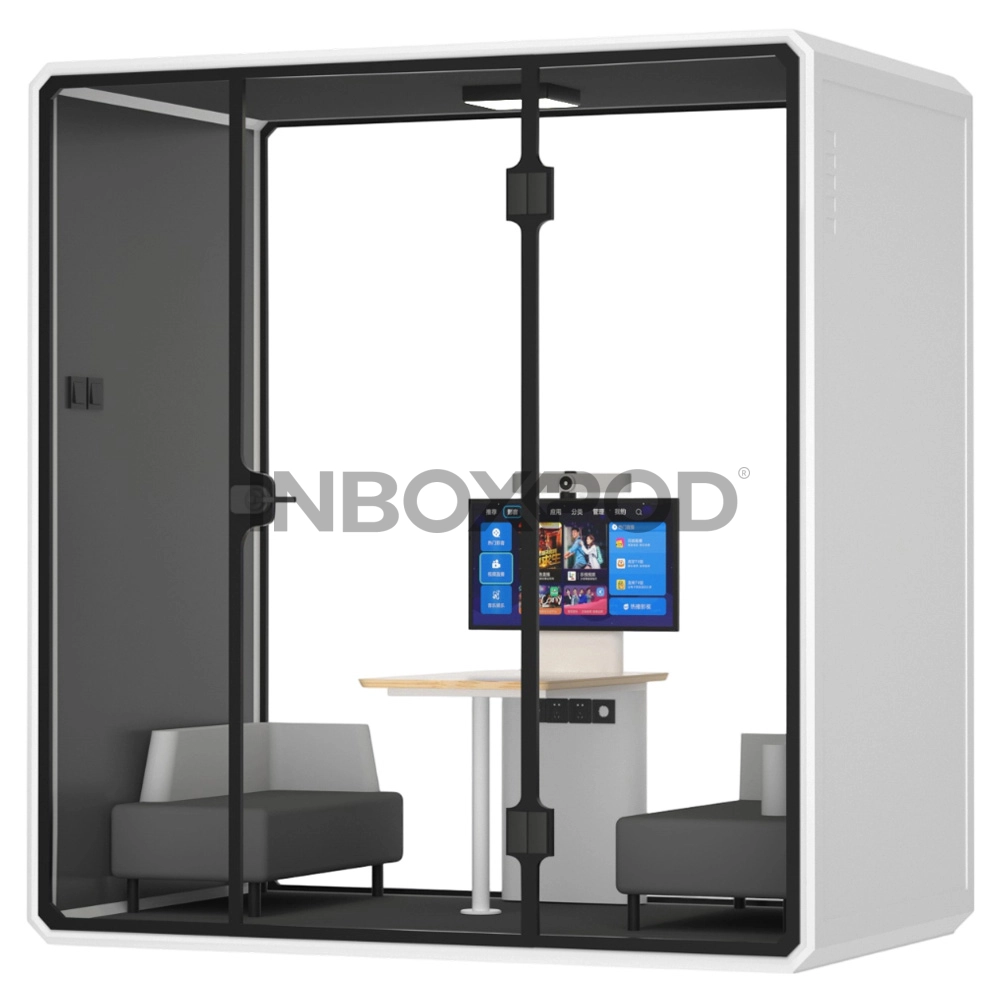
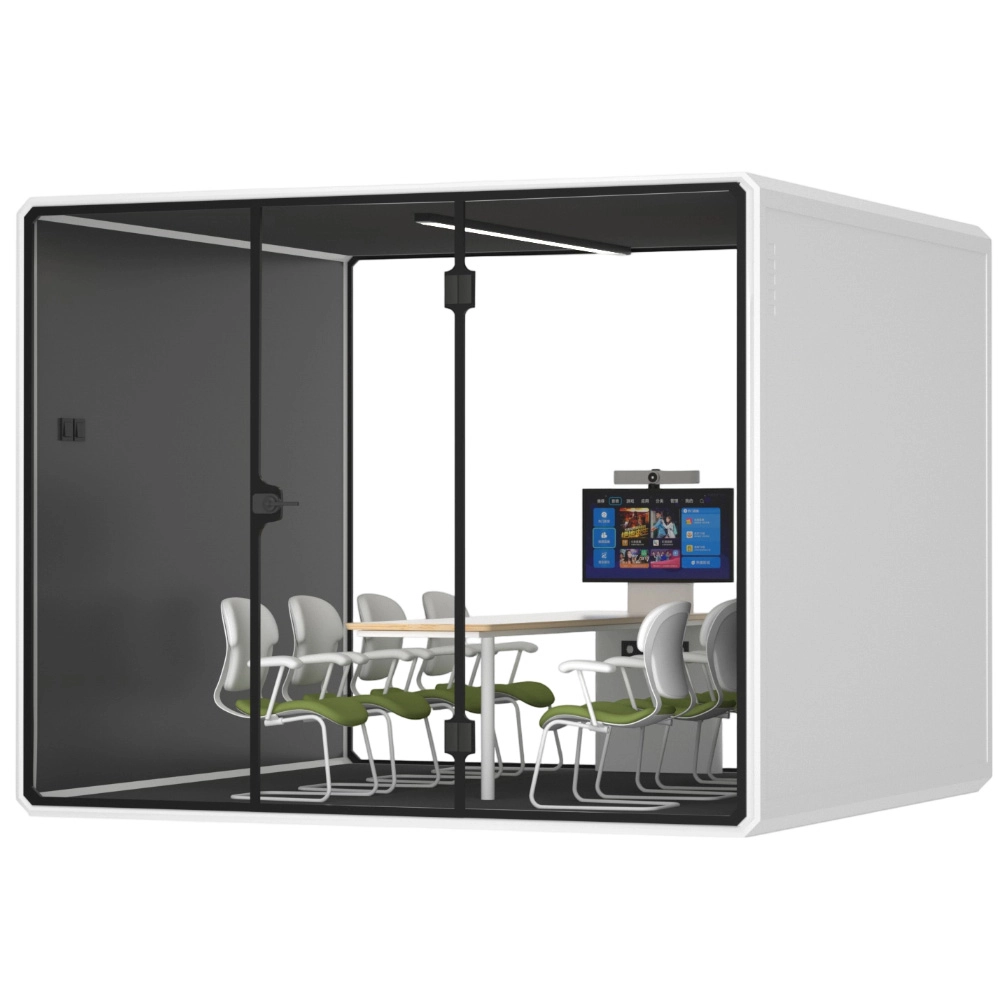
Silence Booth/Office Pod Prefabricated V series-L size
Designed for team collaboration and small meetings, the L-size booth provides a comfortable and acoustically optimized space for 4–6 people. With premium sound insulation, efficient ventilation, and integrated lighting and power systems, it ensures focus, privacy, and productivity—even in the busiest open offices.
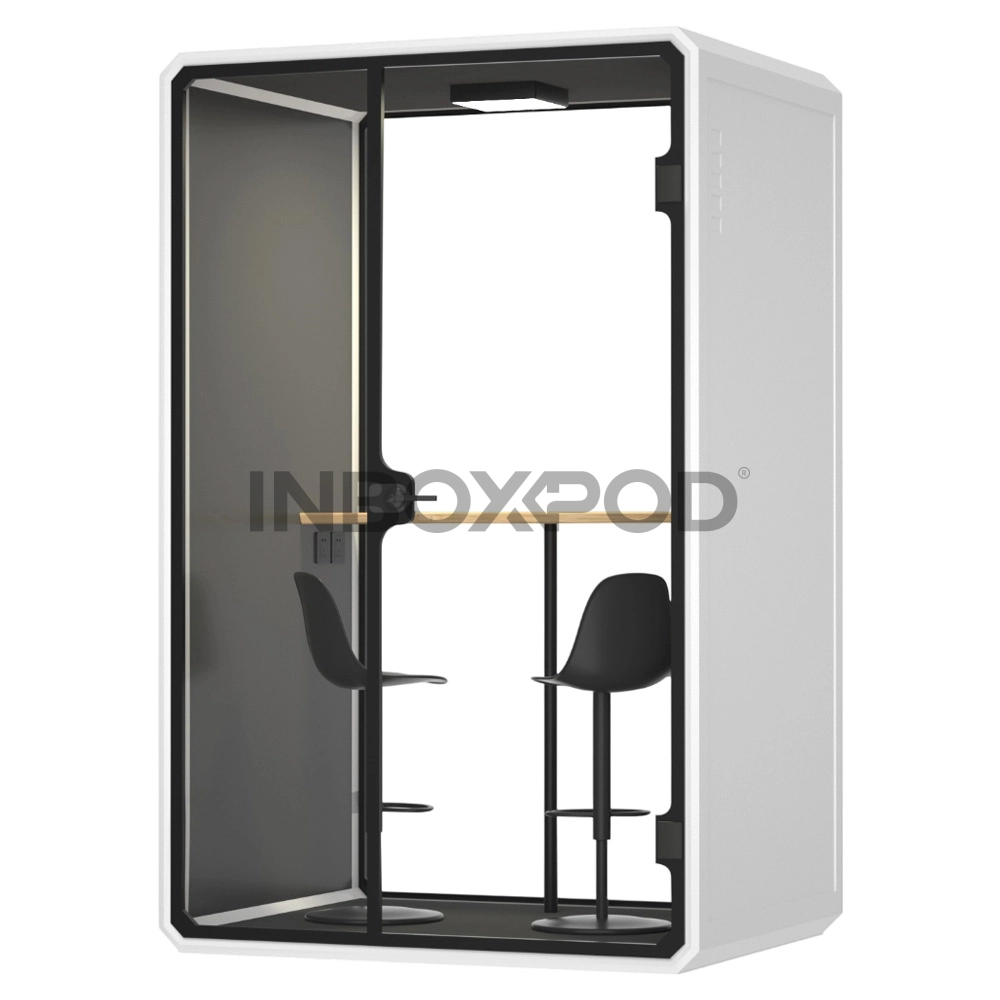
Silence Booth/Office pod Prefabricated V series - M size
Ideal for two-person discussions or focused solo work, the M-size booth offers a balanced mix of privacy and flexibility. Its advanced acoustic panels reduce external noise effectively, while the smart ventilation and lighting systems create a comfortable, quiet environment for calls, meetings, or concentrated tasks.
Whatsapp: +8613535292957