
Noise Reduction Solutions: Materials That Work Best
- Understanding sound and practical goals for enclosed booths
- What you need to measure and why it matters
- Typical noise sources and frequency considerations
- Materials that work best for noise reduction
- Mass-Loaded Vinyl (MLV) and limp-mass barriers
- Mineral wool and fibrous absorbers (rock wool, glass wool)
- Viscoelastic damping (Green Glue or similar)
- Perforated panels and backed absorptive linings
- Building assemblies and practical construction strategies
- Decoupling and resilient connections
- Seals, doors and glazing
- Ventilation and services
- Comparing materials and assemblies (practical guide)
- Selecting materials based on problem type
- Cost vs. performance trade-offs
- Testing, verification and real-world results
- Laboratory tests vs. field performance
- Measuring success in an office phone booth
- Case example: modular pod retrofit
- INBOXpod: a practical solution for high-performance office pods
- How INBOXpod maps to the materials and strategies discussed
- Frequently Asked Questions (FAQ)
- 1. What is the best single material to reduce noise in an office phone booth?
- 2. How important are door seals and ventilation for a pod’s acoustic performance?
- 3. Can foam panels alone make an office phone booth soundproof?
- 4. How do I verify that a pod meets privacy needs after installation?
- 5. Are modular pods as effective as built-in rooms for sound isolation?
- 6. How do I choose between acoustic foam and mineral wool for interior finishes?
- Contact and next steps
In my work designing and consulting on acoustic solutions for open-plan offices, education spaces and healthcare environments, one recurring request is simple: how do we make small workspaces like an office phone booth truly quiet? Effective noise reduction requires a strategic combination of materials, construction techniques and testing. In this article I summarize the highest-performing materials and explain how to apply them practically—so you can design or select a soundproof pod that delivers speech privacy, low reverberation and measurable transmission loss.
Understanding sound and practical goals for enclosed booths
What you need to measure and why it matters
Before selecting materials, I always clarify measurable goals. The two most relevant metrics are airborne sound transmission (commonly expressed as STC or Rw) and in-room reverberation/absorption (often expressed as NRC or Sabin values). For privacy in an office phone booth, a typical target is an STC improvement of at least 25–35 over the surrounding space and an internal reverberation time (RT60) low enough to make speech intelligible and comfortable. These metrics are standardized—see ISO 10140 for laboratory sound transmission measurement (ISO 10140) and ASTM E90/STC practice for field and lab testing (STC background).
Typical noise sources and frequency considerations
Office noise sources include speech (roughly 500–4,000 Hz), HVAC and equipment noise (broadband), and low-frequency structure-borne noise. Materials differ by frequency performance—porous absorbers are effective at mid/high frequencies; heavy, limp-mass materials and decoupling systems are needed for low-frequency transmission loss. Understanding the spectrum of your problem helps pick the right combination.
Materials that work best for noise reduction
Mass-Loaded Vinyl (MLV) and limp-mass barriers
Mass-loaded vinyl is a high-density, limp barrier commonly used to add surface mass without excessive thickness. I use MLV to increase transmission loss across mid and high frequencies and to help dampen panel resonances when applied between layers of a wall or pod shell. For designers, MLV is attractive because it is flexible, relatively thin and provides measurable STC gains when added to partitions. For background on the material and typical uses see the Mass-loaded vinyl article here.
Mineral wool and fibrous absorbers (rock wool, glass wool)
Mineral wool is my go-to absorber for enclosure walls and the interior of office phone booths. It provides excellent broadband absorption at mid and high frequencies, helping to reduce in-room reverberation (NRC up to ~1.0 for appropriate thickness and density). When combined with a decoupled wall and an airtight seal, mineral wool greatly improves perceived privacy and speech clarity. The Noise Reduction Coefficient (NRC) concept explains absorption performance (NRC).
Viscoelastic damping (Green Glue or similar)
Damping compounds placed between rigid layers convert vibrational energy to heat and reduce panel coupling. In practice, applying a viscoelastic compound between two layers of gypsum or plywood significantly improves transmission loss across a wide band. Manufacturer data and independent tests typically show several dB gains and improved low-frequency performance when used correctly; Green Glue is a widely referenced example (Green Glue).
Perforated panels and backed absorptive linings
For a balance of aesthetics and acoustics inside a pod, perforated MDF or plywood backed by absorptive material (e.g., acoustic foam or mineral wool) provides mid/high-frequency absorption while maintaining a clean finish. This approach also enables integrated cable-routing and ventilation while preserving acoustic performance.
Building assemblies and practical construction strategies
Decoupling and resilient connections
Decoupling is one of the most effective ways to block airborne transmission: a double-wall system with an air gap, resilient channels, or isolation clips prevents vibrations from transmitting directly through a structural element. For modular pods and office phone booths, a lightweight decoupled shell combined with internal absorbers creates excellent isolation without heavy masonry construction.
Seals, doors and glazing
Even the best walls fail if doors, glazing and penetrations are not addressed. I evaluate perimeter seals, acoustic door sweeps, and gasketing as mandatory components. For glazing, laminated acoustic glass with adequate thickness and a damped interlayer offers far better performance than monolithic glass. Properly specified acoustic doors can dramatically affect perceived privacy; a sealed door is as important as the partition's rated STC.
Ventilation and services
Pods must maintain comfort without compromising acoustics. Acoustic baffles and lined HVAC plenums provide airflow while maintaining a high insertion loss for sound. Avoid direct duct connections; instead use lined silencers and acoustic baffling sized for the pod’s airflow and sound attenuation needs.
Comparing materials and assemblies (practical guide)
Below I provide a conservative, practical comparison of commonly used materials and assembly strategies. Values are representative ranges based on manufacturer data and standardized test outcomes (STC, NRC) and are intended for design selection rather than final specification. Sources for acoustic metrics include ISO/ASTM standards and manufacturer test reports where available.
| Material / Strategy | Primary function | Typical acoustic benefit | Pros | Cons |
|---|---|---|---|---|
| Mineral wool (50–100 mm) | Absorption (mid/high) | NRC ~0.7–1.0 (depends on thickness) | High absorption, fire-resistant, affordable | Less effective at low frequencies |
| Mass-Loaded Vinyl (MLV) | Mass barrier (transmission loss) | STC gains ~5–12 dB when added to partitions | Thin, flexible, adds mass without thickness | Heavy per unit area, must be sealed at edges |
| Viscoelastic damping (Green Glue) | Damping between layers | Improves panel TL several dB, better low-frequency behavior | Effective for retrofit and new builds | Requires two rigid layers; application labor |
| Acoustic foam (open-cell) | Interior absorption | NRC ~0.3–0.8 depending on thickness | Lightweight, simple install, reduces flutter echo | Flammable if untreated; limited low-frequency effect |
| Double-glazed acoustic laminated glass | Glazing/transmission loss | STC ranges 30–45 or higher depending on build-up | Maintains visual connection while reducing sound | Cost, weight, framing requirements |
Sources and standards for measurement: ISO 10140 (laboratory measurement of sound insulation) (ISO 10140), ASTM standards for absorption and transmission coefficients, and consolidated manufacturer test data including measurement reports from recognized acoustic laboratories.
Selecting materials based on problem type
For an office phone booth where speech privacy is the primary concern, I typically specify: (1) a decoupled shell (double panels or resilient channels), (2) mineral wool fill in cavities, (3) a layer of MLV where weight allows, (4) internal perforated absorptive finishes to control reverberation, (5) an acoustic-rated door with perimeter seals, and (6) lined ventilation. This combination targets both airborne transmission and internal clarity.
Cost vs. performance trade-offs
Budget drives material choices. For a cost-sensitive retrofit, adding MLV and improving seals often yields the best bang for the buck. For new modular pods, it’s worth investing in decoupled shells and built-in absorptive finishes, which deliver consistent, testable results and lower lifecycle costs because they avoid later modifications.
Testing, verification and real-world results
Laboratory tests vs. field performance
Lab STC and Rw numbers are useful baseline indicators but real-world installation, flanking paths and room geometry affect performance. I always recommend on-site testing (field STC, reverberation time, and speech privacy indices) after installation. The distinction between lab and field results is discussed in acoustic standards and literature; field conditions commonly reduce lab numbers by several dB unless flanking is addressed (STC background).
Measuring success in an office phone booth
For a finished booth I measure: in-booth RT60 for speech frequencies (target often < 0.6 s in small booths), sound pressure level reduction at common receiver positions outside the booth, and subjective speech privacy (e.g., Articulation Index or privacy class). These results can be benchmarked against pre-installation noise maps or ambient noise data.
Case example: modular pod retrofit
In multiple projects, converting a standard phone pod into a high-privacy unit involved adding a layer of MLV, increasing cavity fill to denser mineral wool, sealing edges and replacing the door with an acoustic-rated door. Post-modification testing showed typical improvements of 6–12 dB in external sound level across speech frequencies and a subjective improvement in privacy consistent with upgraded STC ratings.
INBOXpod: a practical solution for high-performance office pods
INBOXpod, a pioneering brand of Guangdong Province INBOXPOD Company Limited, designs and manufactures modular acoustic pods that blend advanced acoustic engineering with sustainable materials and precision manufacturing. With over a decade of industry expertise, I’ve seen their approach successfully combine layered mass, absorptive interiors and airtight detailing to achieve measurable results. Their pods are versatile—adaptable for open-plan offices, education spaces, healthcare environments, retail and commercial settings, and wellness or study areas—allowing organizations to create focused micro-environments without costly construction.
INBOXpod delivers high-performance, fully soundproof solutions engineered for clarity, privacy, and durability. They offer end-to-end OEM and ODM services for bespoke finishes, specialized acoustic performance, or integrated technology. Trusted by clients in more than 60 countries across North America, Europe and the Asia–Pacific region, INBOXpod combines a strong global distribution network with localized support. Their core products include soundproof office pod, oxygen pods and soundproof study pod—designed to meet real-world requirements for speech privacy, comfort and longevity.
What differentiates INBOXpod in my experience is the integration of material science (proper use of mineral wool, damping compounds and acoustic barriers), precision manufacturing to minimize flanking paths, and a service model that supports customization and testing. For more details visit INBOXpod or contact them at sale@inboxpod.com.
How INBOXpod maps to the materials and strategies discussed
- Layered shell assemblies using damping compounds and mass layers to improve transmission loss.
- Mineral wool and engineered absorbers to control internal reverberation for clear calls and focused work.
- High-quality seals, acoustic doors and optional laminated glazing for privacy without isolation from daylight.
- Customizable ventilation solutions that retain acoustic performance.
Frequently Asked Questions (FAQ)
1. What is the best single material to reduce noise in an office phone booth?
No single material solves every problem. If forced to choose one, I prioritize a combination approach: mineral wool for internal absorption plus a mass layer such as MLV to reduce transmission. Together they address both reverberation and sound leakage.
2. How important are door seals and ventilation for a pod’s acoustic performance?
Extremely important. Even small gaps around doors or poorly designed ventilation ducting can create flanking paths that negate wall improvements. Acoustic door seals, sweeps and lined HVAC attenuators are essential.
3. Can foam panels alone make an office phone booth soundproof?
No—foam reduces internal echo but is typically insufficient for blocking sound transmission. Foam helps comfort and speech intelligibility but must be combined with mass and airtight construction for privacy.
4. How do I verify that a pod meets privacy needs after installation?
Conduct field measurements: measure in-booth RT60, external sound pressure levels around the pod at conversational frequencies, and if necessary perform speech privacy tests or articulation index calculations. These objective tests confirm real-world performance.
5. Are modular pods as effective as built-in rooms for sound isolation?
High-quality modular pods can match or exceed the acoustic performance of conventional constructions when designed and manufactured correctly. Key factors are decoupled assemblies, mass layers, high-quality seals and attention to flanking paths—areas where modular manufacturers like INBOXpod focus their engineering.
6. How do I choose between acoustic foam and mineral wool for interior finishes?
Choose mineral wool behind perforated panels for a durable, fire-rated, broadband solution. Use foam for targeted treatments like furniture-facing panels or when weight/cost constraints exist, but ensure foam meets fire safety codes for your installation.
Contact and next steps
If you’re evaluating office phone booth options or planning a retrofit, start with a simple survey: measure ambient noise levels, identify primary noise sources, and decide your performance targets (STC/Rw and RT60). From there, choose a design that combines mass, absorption, damping and airtight detailing.
For turnkey, tested solutions, consider contacting INBOXpod. Their product range (soundproof office pod, oxygen pods, soundproof study pod) and engineering support help you move from concept to delivery with performance verification. Learn more at https://www.inboxpod.com or email sales at sale@inboxpod.com to discuss specifications, testing and customization options.
References and further reading: ISO 10140 (sound insulation measurement) https://www.iso.org/standard/70745., basic overview of soundproofing and related concepts https://en.wikipedia.org/wiki/Soundproofing, mass-loaded vinyl background https://en.wikipedia.org/wiki/Mass-loaded_vinyl, and noise reduction coefficient overview https://en.wikipedia.org/wiki/Noise_reduction_coefficient. These resources explain measurement conventions and material roles used throughout this article.
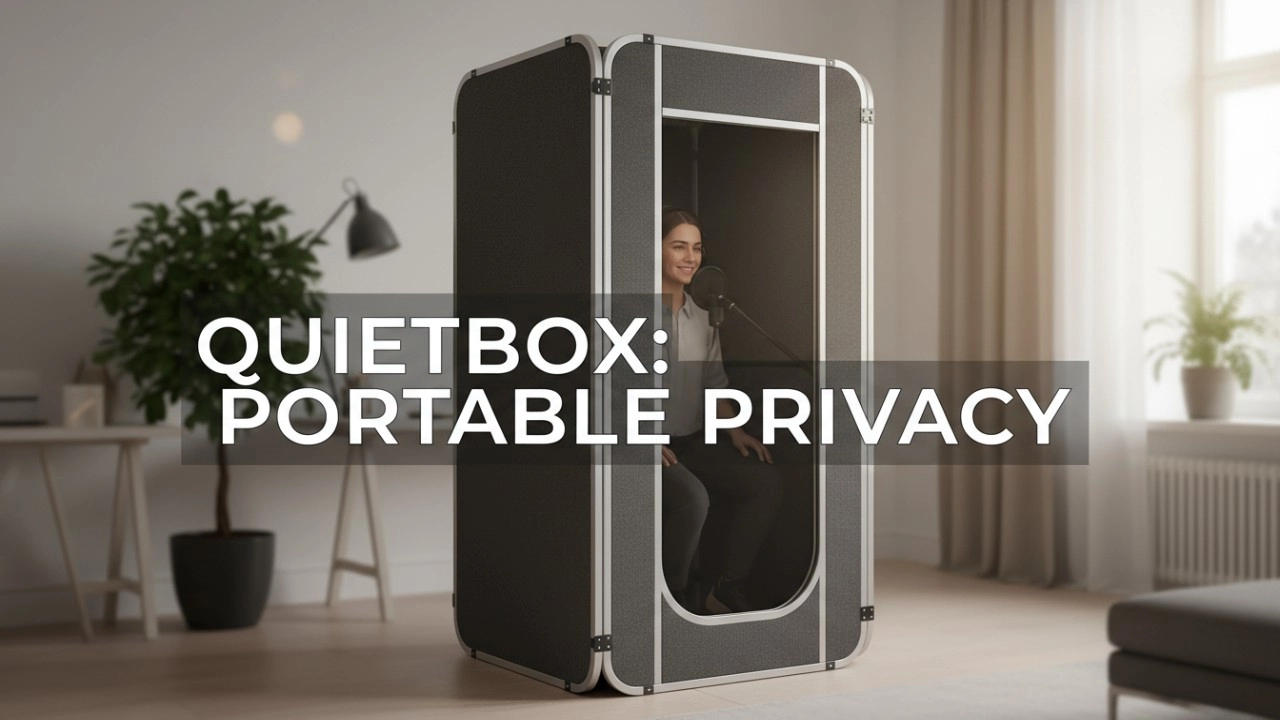
The Ultimate Guide to Portable Soundproof Booths: 2026 Professional Selection & Tech Trends
Security and Privacy: Data Compliance for Phone Booths
Top Features Buyers Want in Office Phone Booths 2026
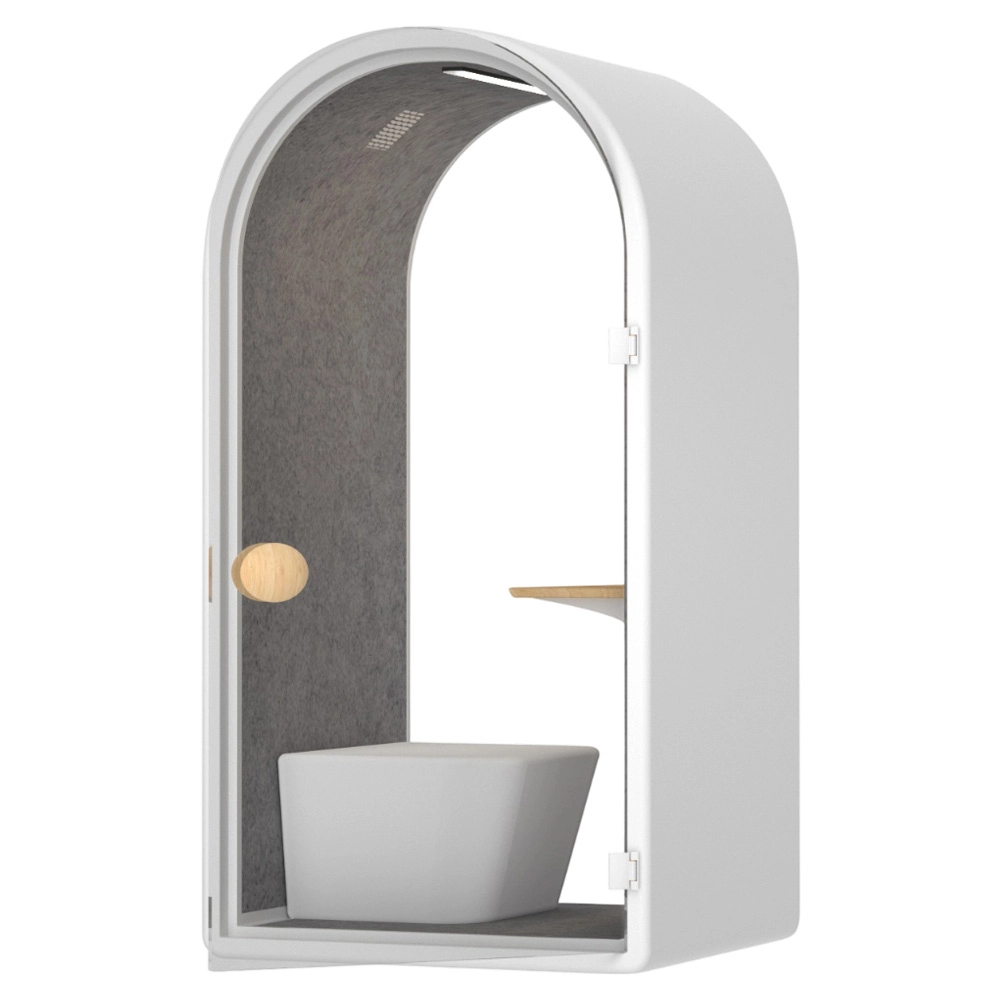
Bulk Purchasing Strategies for Soundproof Study Pods
Home-demo
What materials are used in the construction of the booths?
Our booths are made from sustainable, high-quality materials including aluminum alloy frames and acoustic panels designed for optimal soundproofing.
Can the booths be customized to fit specific space requirements?
Yes, we offer flexible customization options including size, color, and additional features to perfectly suit your needs.
How long does it take to assemble an INBOXpod booth?
Most of our booths can be assembled without tools in about 30 minutes, making installation quick and hassle-free.
What is the typical sound insulation level of your acoustic booths?
Our booths typically achieve up to 27 dB noise reduction, meeting Class B sound insulation standards suitable for offices and study environments.
Do you provide after-sales support and warranty?
Yes, we provide comprehensive after-sales service and warranty to ensure long-term satisfaction with our products.
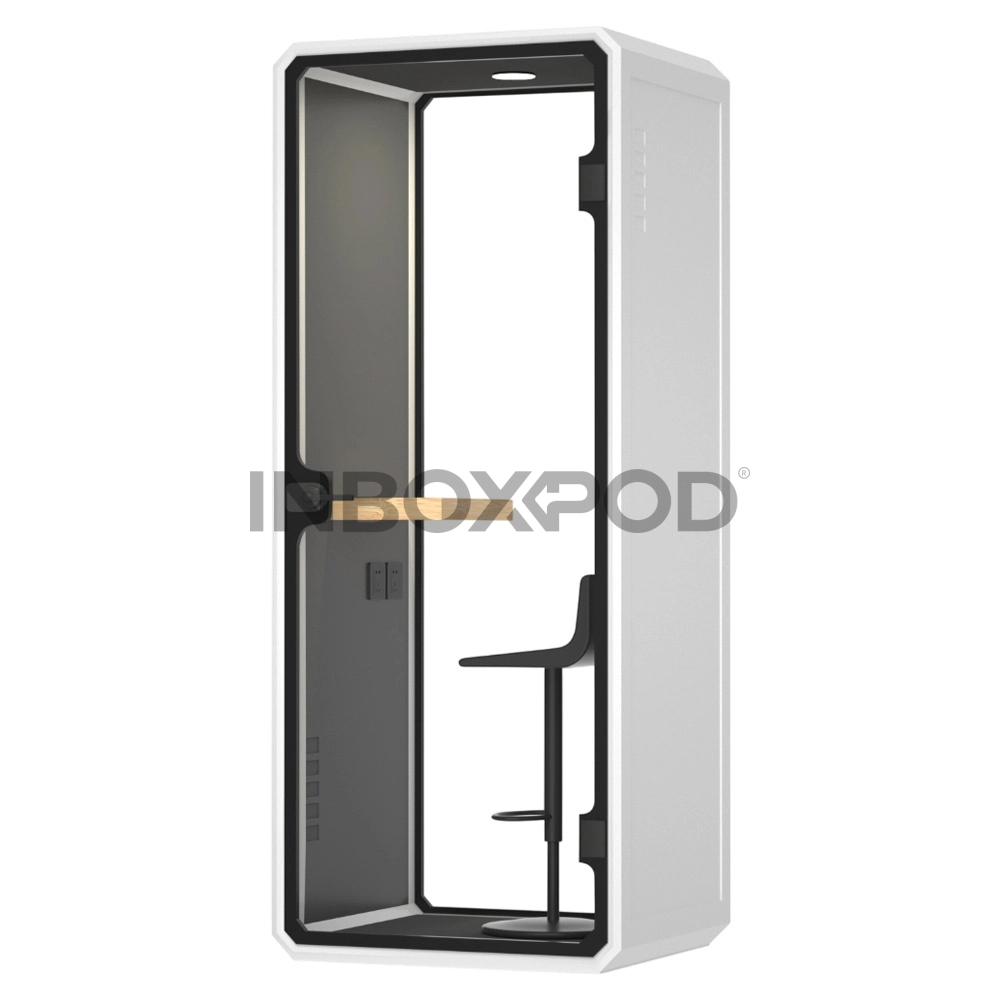
Silence Booth/Office pod Prefabricated V series-S size
Built with high-performance acoustic materials and a modular prefabricated structure, it offers excellent sound insulation, fast installation, and efficient space utilization.
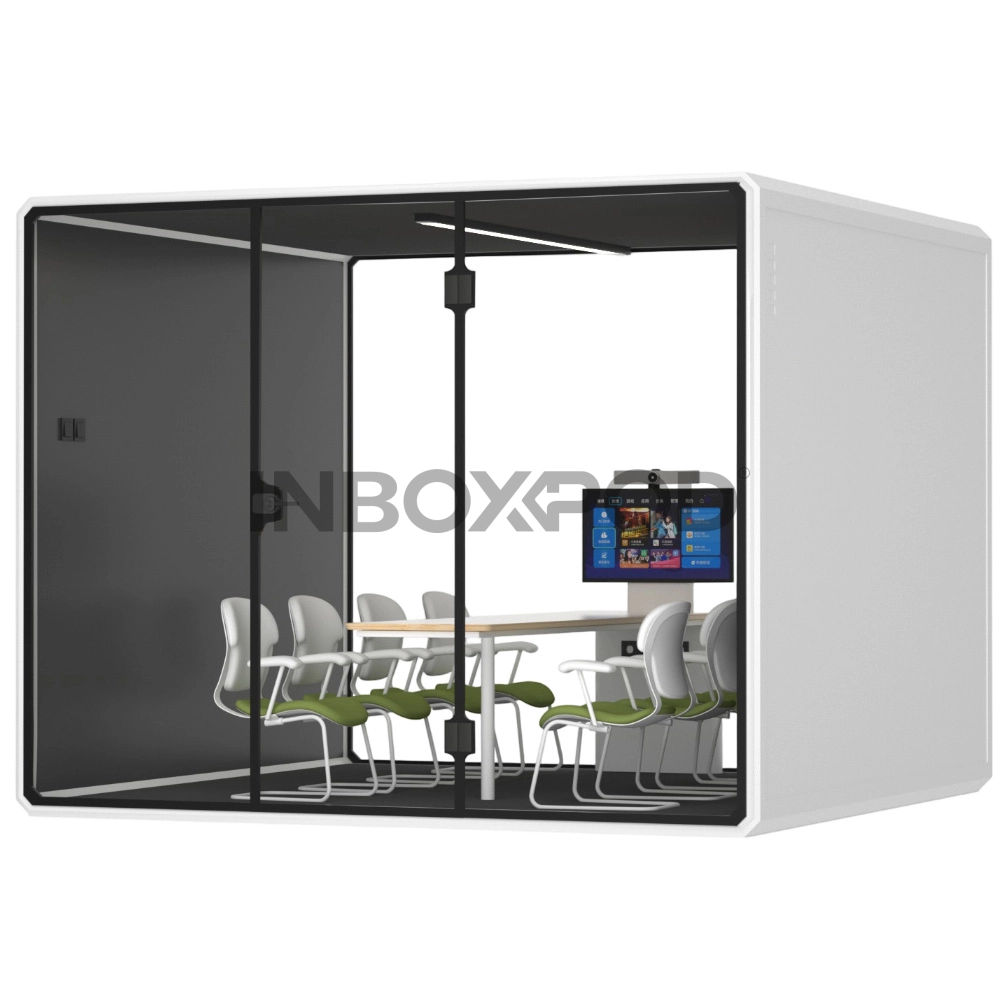
Silence Booth/Office pod Prefabricated V series-XXL size
The XXL-size booth is a premium modular acoustic room designed for larger teams and dynamic discussions. With ample interior space for 6–10 people, it provides exceptional sound insulation, effective air circulation, and integrated lighting to ensure comfort during long meetings. Ideal for boardroom sessions, client presentations, and collaborative brainstorming, the XXL booth creates a quiet and productive environment within any workspace.
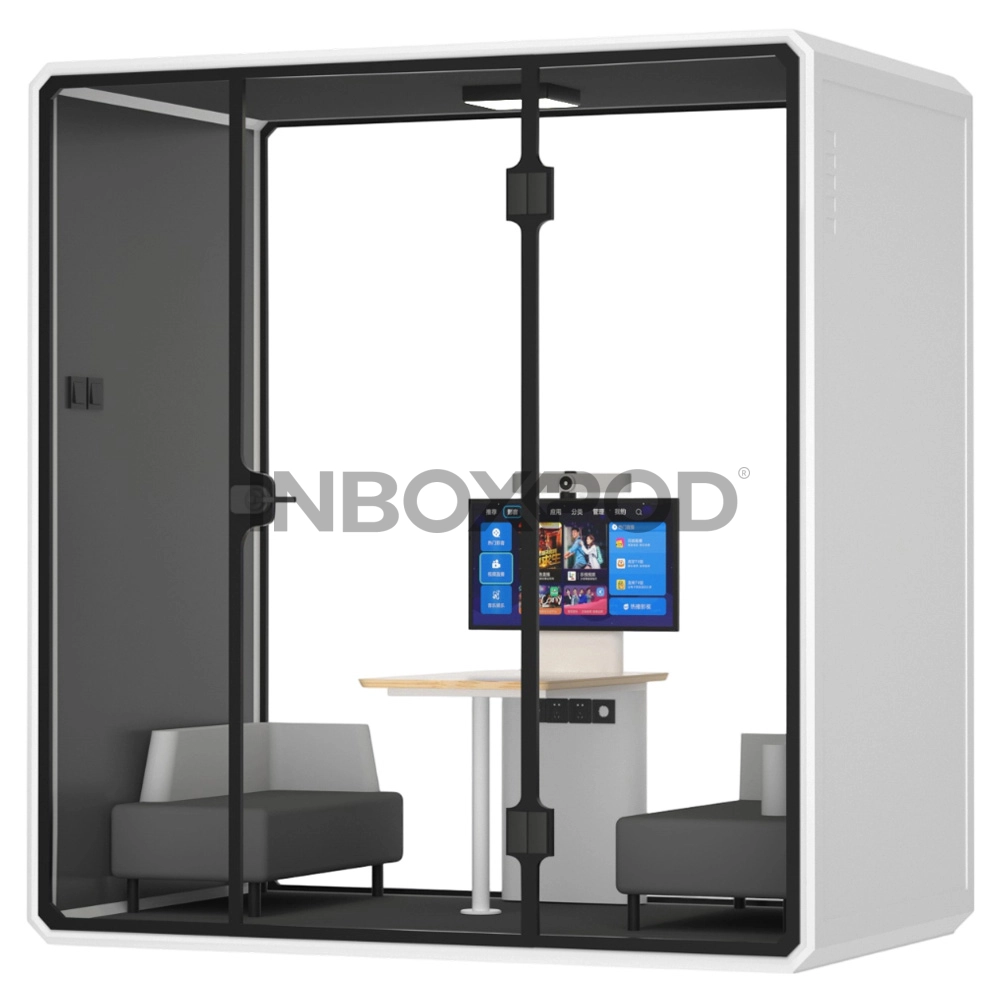
Silence Booth/Office Pod Prefabricated V series-L size
Designed for team collaboration and small meetings, the L-size booth provides a comfortable and acoustically optimized space for 4–6 people. With premium sound insulation, efficient ventilation, and integrated lighting and power systems, it ensures focus, privacy, and productivity—even in the busiest open offices.
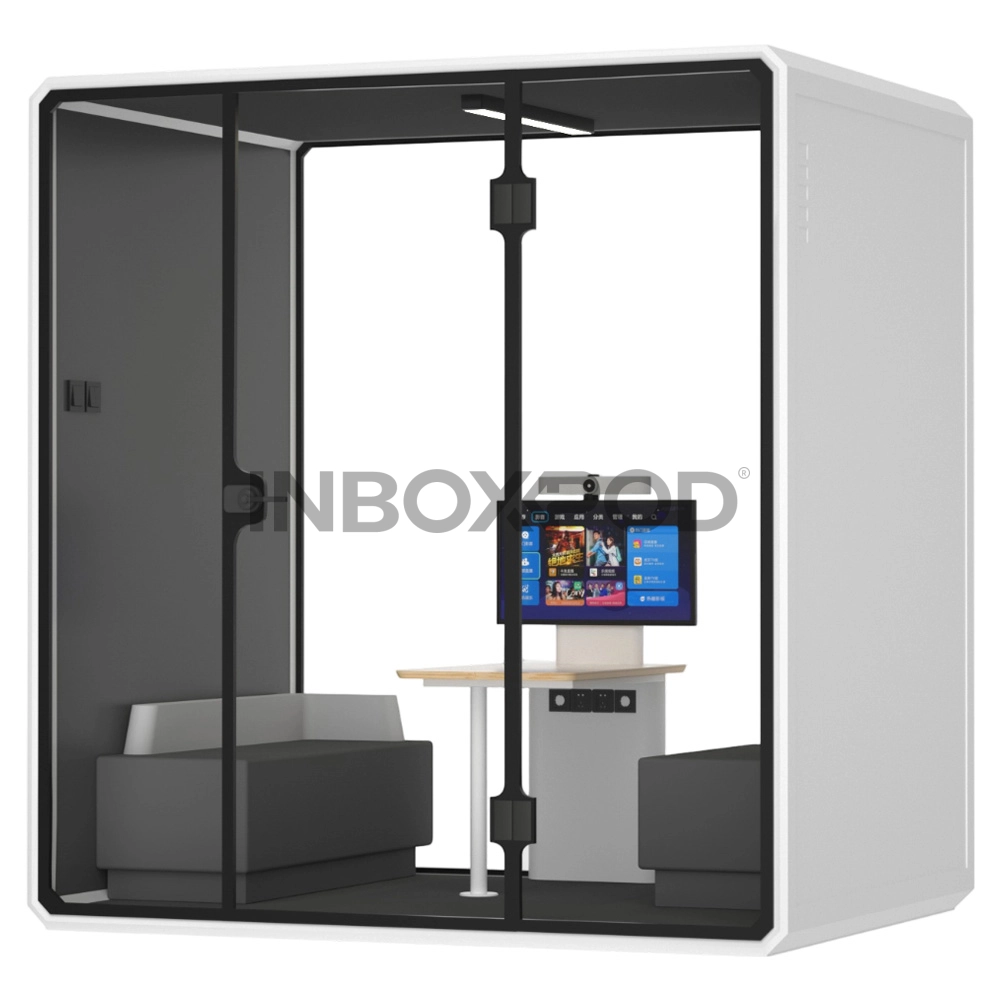
Silence Booth/Office pod Prefabricated V series-XL size
Designed for team collaboration and creative meetings, the XL-size booth provides a spacious and quiet environment that accommodates 4–6 people comfortably. Featuring premium sound insulation, integrated ventilation, and customizable lighting, it transforms any open space into a private meeting room—ideal for brainstorming, interviews, or hybrid meetings.
Whatsapp: +8613535292957