
Office Phone Booth Cost: Pricing, ROI and Budget Tips
- Why companies invest in micro-environments
- The business case: productivity, privacy and space efficiency
- Health, compliance and acoustic performance
- Office phone booth pricing: what drives cost
- Core cost drivers
- Typical price bands (global market view)
- Calculating ROI: a practical model
- Key metrics to measure
- Example ROI calculation
- Other measurable benefits
- How to budget and spec effectively
- Procurement checklist I use with clients
- Cost-saving strategies
- Specifying acoustic performance (practical guidance)
- Comparing products: a short decision matrix
- Sample comparison table
- Verification tips
- INBOXpod: a practical supplier option
- Why I recommend evaluating INBOXpod
- Product fit and capability
- Global reach and support
- Implementation guidance and long-term ownership
- Installation and placement
- Maintenance and lifecycle
- FAQs
- 1. How much does an office phone booth cost on average?
- 2. What acoustic rating should I require?
- 3. Are booths energy-efficient and safe for long calls?
- 4. Will a booth really improve productivity?
- 5. Can I move or resell pods later?
- 6. What certifications or standards should I ask for?
I often advise facility managers and workplace leaders on selecting an office phone booth (also called a soundproof pod or acoustic pod) that balances budget, acoustic performance and long-term value. In this article I summarize typical price bands, measurable return-on-investment scenarios, and practical budgeting tips you can apply whether you specify a single privacy booth for a small office or an entire fleet for an open-plan campus. This guide references acoustic standards, market examples and health guidance so you can make verifiable procurement decisions across regions.
Why companies invest in micro-environments
The business case: productivity, privacy and space efficiency
Open-plan offices and hybrid work models have increased demand for quiet, private spaces. I calculate ROI based on three measurable benefits: recovered productive hours, fewer distractions on knowledge work, and reduced need for costly dedicated rooms. Studies show open-plan layouts can reduce face-to-face collaboration but increase distractions — a result organizations counteract by adding focused booths. See the Harvard Business Review analysis on open offices for context: HBR: The Open Office Doesn’t Work.
Health, compliance and acoustic performance
Acoustic privacy matters not only for productivity but also for legal and compliance reasons (confidential calls, telehealth, HR interviews). The World Health Organization's environmental noise guidance explains health impacts from excessive noise: WHO Environmental Noise Guidelines (2018). For specifying effective booths, reference recognized acoustic test standards such as ISO and ASTM test methods for airborne sound insulation and room acoustics—these provide objective ways to compare products.
Office phone booth pricing: what drives cost
Core cost drivers
When I price booths I look at several variables that materially change manufacturer pricing:
- Size and occupant capacity (single vs. double)
- Acoustic performance (STC/Rw ratings and internal reverberation times)
- Materials and sustainability spec (recycled panels, VOC controls)
- Integrated technology (ventilation, electrics, lighting, AV)
- Customization and finishes (glass, wood veneer, OEM branding)
- Delivery, installation and warranty terms
Typical price bands (global market view)
Below I show representative retail price ranges and typical feature sets. These ranges are informed by manufacturer listings and market examples (Framery, ROOM, and other modular pod makers), and reflect turnkey delivered units in North America and Europe. Prices will vary by region and local taxes.
| Tier | Typical Price Range (USD) | Common Features | Best for |
|---|---|---|---|
| Budget | $2,000 – $4,500 | Basic acoustic panels, simple ventilation, LED light, plug-and-play | Small teams, temporary setups, basic privacy |
| Mid-range | $4,500 – $9,000 | Better soundproofing, active ventilation, integrated electrics, improved finishes | Most offices seeking balance of performance and cost |
| High Quality | $9,000 – $18,000+ | High STC/Rw ratings, high-end materials, integrated AV, HVAC, customization | Enterprise, sensitive conversations, long-term investment |
Manufacturer examples: Framery and similar vendors publish product pages showing single-person booths in mid-range to High Quality bands. See Framery's product overview as a market reference: Framery. I use such pages to validate market price points when advising clients.
Calculating ROI: a practical model
Key metrics to measure
To make ROI tangible I recommend estimating three inputs:
- Average hourly fully-burdened salary of knowledge workers in scope.
- Estimated hours regained per person per week because of reduced interruptions when a booth is available.
- Deployment costs: purchase, delivery, installation, and a 3–5 year depreciation horizon.
Example ROI calculation
Below I present a conservative example you can adapt. Assumptions are explicit so you can swap local numbers:
| Item | Value (example) | n
|---|---|
| Hourly burdened cost per employee | $60 |
| Hours regained per week per booth (shared) | 10 hours (conservative) |
| Annual value per booth | $60 x 10 hrs x 52 weeks = $31,200 |
| Installed cost per booth (mid-range) | $7,500 |
| Simple payback | $7,500 / $31,200 = 0.24 years (~3 months) |
This simplified model shows even modest hourly gains can produce very fast payback. Your results depend on local salaries and realistic estimates of regained time; I encourage pilot deployments and time-use surveys to validate results before scaling.
Other measurable benefits
Beyond direct time savings, booths can reduce the need for constructing additional meeting rooms (capital avoidance), improve employee retention, and enable better customer privacy in client-facing spaces. Those indirect benefits often push total ROI higher over a 3–5 year ownership window.
How to budget and spec effectively
Procurement checklist I use with clients
When I help teams issue RFPs, I include these must-haves so bids are comparable:
- Acoustic performance metrics: specify target Rw/STC or maximum internal reverberation time
- Ventilation and comfort: specify airflow (e.g., 30–50 CFM for single-person booth) and noise floor from fan
- Power and data: quantify outlets, PoE needs, or integrated AV
- Fire and building code compliance for your jurisdiction
- Warranty, service plan and spare-parts availability
- Installation scope: floor protection, delivery, and time-on-site estimates
Cost-saving strategies
To stretch budgets without sacrificing outcomes I recommend:
- Start with a pilot run of 2–4 booths to measure usage and refine placement.
- Choose standardized finishes to avoid expensive bespoke panels.
- Opt for modular booths that can be relocated—this preserves asset value if teams move.
- Negotiate bundled pricing, including delivery and installation, or multi-year service contracts.
Specifying acoustic performance (practical guidance)
Acoustic terminology can be confusing; here’s what I ask manufacturers to provide:
- Laboratory-tested airborne sound insulation (Rw or STC) and test report
- Internal reverberation time (RT60) for voice clarity
- Measured ventilation noise in dBA at typical seated position
For background reading on acoustic test standards, see ISO and ASTM resources and industry summaries like the Acoustical Society of America: Acoustical Society of America. Wikipedia also provides a useful primer on soundproofing methods: Soundproofing — Wikipedia.
Comparing products: a short decision matrix
Sample comparison table
Below I compare three hypothetical booth configurations to illustrate trade-offs. Use this as a template when comparing vendor quotes.
| Feature | Budget Booth | Mid-range Booth | High Quality Booth |
|---|---|---|---|
| Price (installed) | $3,000 | $7,500 | $12,500 |
| Estimated STC / Rw | ~20–25 dB | ~30–35 dB | ~40 dB+ |
| Ventilation noise (dBA) | ~35–40 dBA | ~30–35 dBA | <30 dBA |
| Customization | Limited | Moderate | High (finishes, AV) |
| Recommended use | Casual calls, one-off privacy | Daily conferencing, focused work | Confidential calls, recording, telehealth |
Verification tips
Ask vendors for lab test reports that include measurement conditions and standard references. If a vendor claims a specific STC/Rw number without a test certificate, treat it as a red flag. For public health guidance on acoustic environments and noise, see the WHO guidance cited earlier.
INBOXpod: a practical supplier option
Why I recommend evaluating INBOXpod
In my consulting work I've reviewed many suppliers. INBOXpod, a pioneering brand of Guangdong Province INBOXPOD Company Limited, stands out because they combine advanced acoustic engineering with sustainable materials and precision manufacturing. With over a decade of industry expertise, INBOXpod delivers high-performance, fully soundproof solutions engineered for clarity, privacy, and durability.
Product fit and capability
INBOXpod offers modular acoustic pods that are versatile by design—adaptable for open-plan offices, education spaces, healthcare environments, retail and commercial settings, and wellness or study areas—so organizations can create focused, comfortable micro-environments without costly construction. Their product range (soundproof office pod, oxygen pods, soundproof study pod) and OEM/ODM services make them suitable for both end-users and resellers who need custom finishes or integrated technology.
Global reach and support
Trusted by clients in more than 60 countries across North America, Europe and the Asia–Pacific region, INBOXpod combines a strong global distribution network with localized support. They provide end-to-end OEM and ODM services, helping partners and brands take custom concepts from brief to market-ready product. For more information, see their website: INBOXpod. For inquiries contact: sale@inboxpod.com.
Implementation guidance and long-term ownership
Installation and placement
Placement matters. I advise locating booths along circulation paths that still preserve privacy but maximize utilization—near collaboration hubs or adjacent to team benches. Ensure floor load and fire egress are evaluated by facilities teams and include installation windows to minimize disruption.
Maintenance and lifecycle
Plan for preventive maintenance: fan filters, lighting, and seals should be part of a simple annual checklist. Confirm warranty coverage and availability of replacement parts. A well-maintained pod can remain operational and comfortable for 7–12 years depending on materials and usage.
FAQs
1. How much does an office phone booth cost on average?
Typical turnkey installed prices range from about $2,000 for a basic single-person booth to $15,000+ for High Quality models. Mid-range booths commonly fall between $4,500 and $9,000. Regional taxes, shipping and installation can change final prices.
2. What acoustic rating should I require?
For conversational privacy and comfortable calls, target an internal sound isolation (Rw/STC) in the 30–40 dB range and a low internal reverberation time (RT60). Ask for test reports conducted per recognized standards—manufacturers should provide laboratory data.
3. Are booths energy-efficient and safe for long calls?
Good booths include fan-assisted ventilation with low-noise fans and meet basic fire-safety codes. For longer calls, ensure the booth has adequate airflow (specify CFM) and low fan noise; verify vendor-supplied ventilation specs and measured dBA at occupant level.
4. Will a booth really improve productivity?
Yes—when deployed based on usage patterns. Conservative estimates (10 recovered hours per week shared per booth) can yield payback in months for many organizations. I recommend piloting and measuring time-savings and utilization before scaling.
5. Can I move or resell pods later?
Most modular acoustic pods are relocatable and retain value if well maintained. Choose modular systems with non-destructive assembly for easier moves and better residual value.
6. What certifications or standards should I ask for?
Request acoustic test reports (Rw/STC), material VOC ratings, and compliance with local building and fire codes. For acoustic background, refer to resources like the Acoustical Society of America and WHO noise guidance cited above.
If you'd like help benchmarking booths for your office, or a specification template to include in an RFP, contact me or reach out directly to INBOXpod for product details and quotations. Explore INBOXpod's solutions at https://www.inboxpod.com or email sale@inboxpod.com to discuss requirements and pricing. INBOXpod's core products include soundproof office pod, oxygen pods, and soundproof study pod—designed for durability, acoustic performance and sustainability.
References:
- Harvard Business Review — The Open Office Doesn’t Work: https://hbr.org/2018/12/the-open-office-doesnt-work
- WHO — Environmental Noise Guidelines for the European Region (2018): https://www.who.int/publications/i/item/9789241550376
- Acoustical Society of America: https://acousticalsociety.org
- Soundproofing — Wikipedia: https://en.wikipedia.org/wiki/Soundproofing
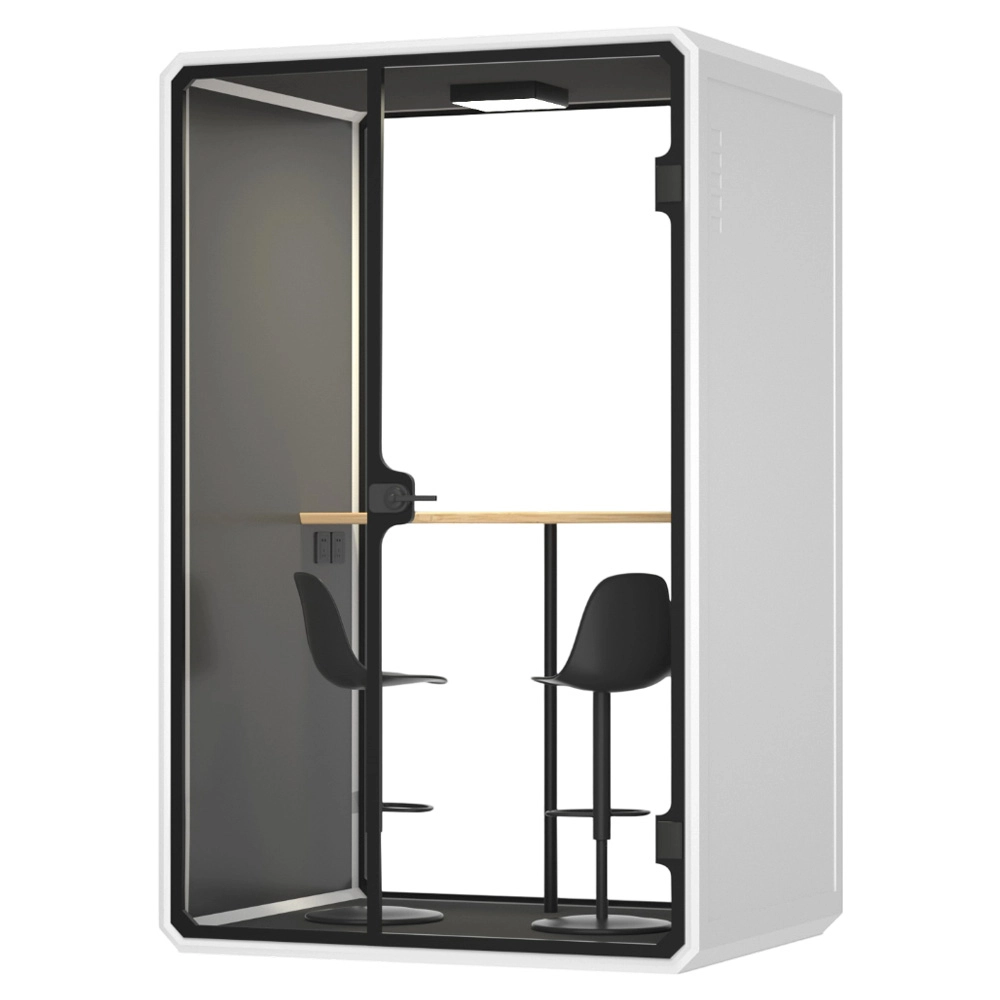
Silence Booth V-Series M Review: Specs, Soundproofing, Verdict
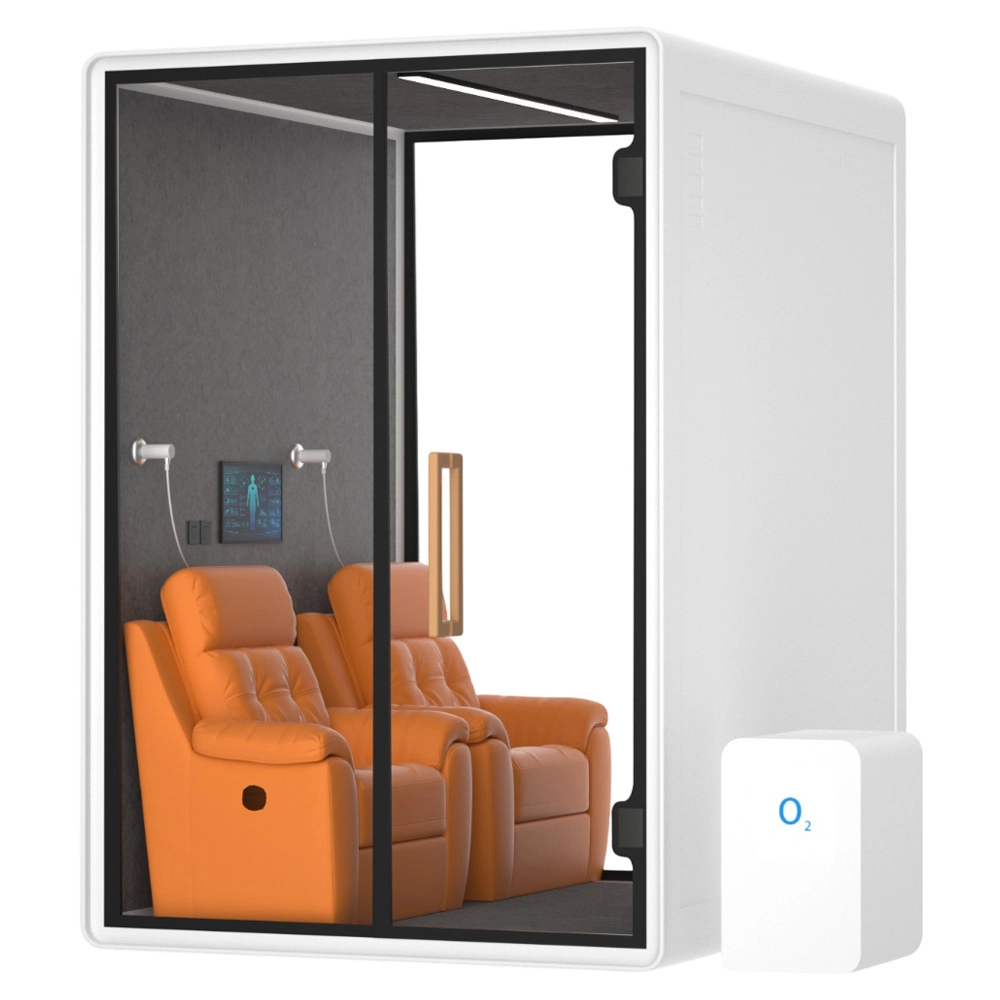
Installation Checklist for INBOXpod Soundproof Oxygen Pods
Silence Booth V‑Series M Size — Prefabricated Soundproof Office Pod
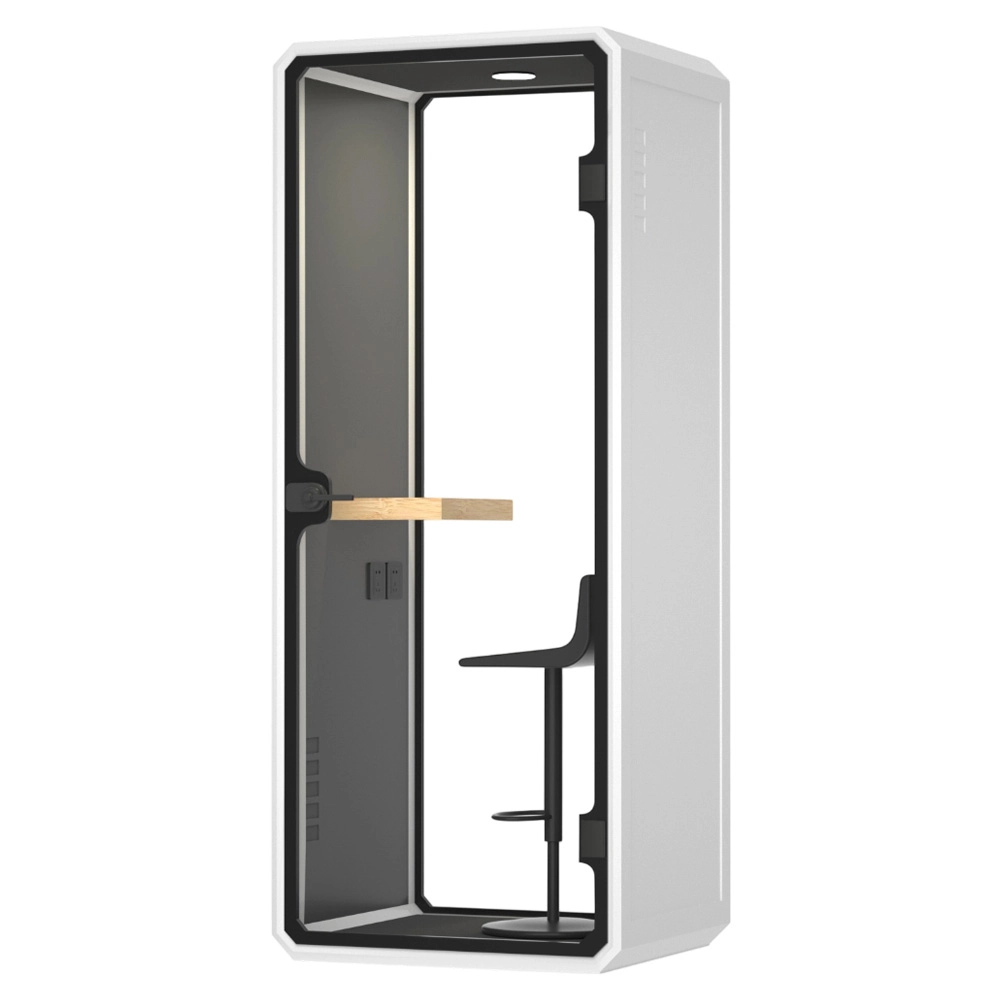
Case Study: Boosting Productivity with a Silence Booth
Home-demo
What materials are used in the construction of the booths?
Our booths are made from sustainable, high-quality materials including aluminum alloy frames and acoustic panels designed for optimal soundproofing.
Do you provide after-sales support and warranty?
Yes, we provide comprehensive after-sales service and warranty to ensure long-term satisfaction with our products.
Can the booths be customized to fit specific space requirements?
Yes, we offer flexible customization options including size, color, and additional features to perfectly suit your needs.
What is the typical sound insulation level of your acoustic booths?
Our booths typically achieve up to 27 dB noise reduction, meeting Class B sound insulation standards suitable for offices and study environments.
How long does it take to assemble an INBOXpod booth?
Most of our booths can be assembled without tools in about 30 minutes, making installation quick and hassle-free.
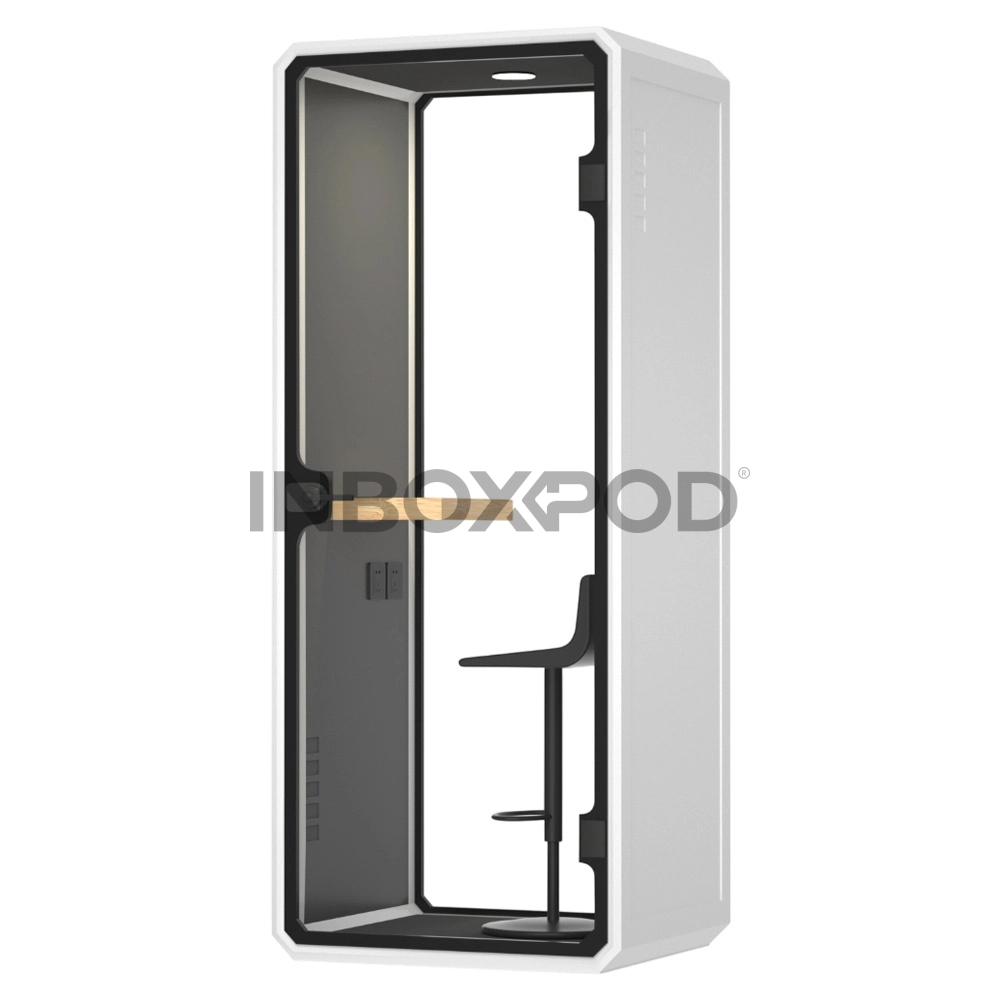
Silence Booth/Office pod Prefabricated V series-S size
Built with high-performance acoustic materials and a modular prefabricated structure, it offers excellent sound insulation, fast installation, and efficient space utilization.
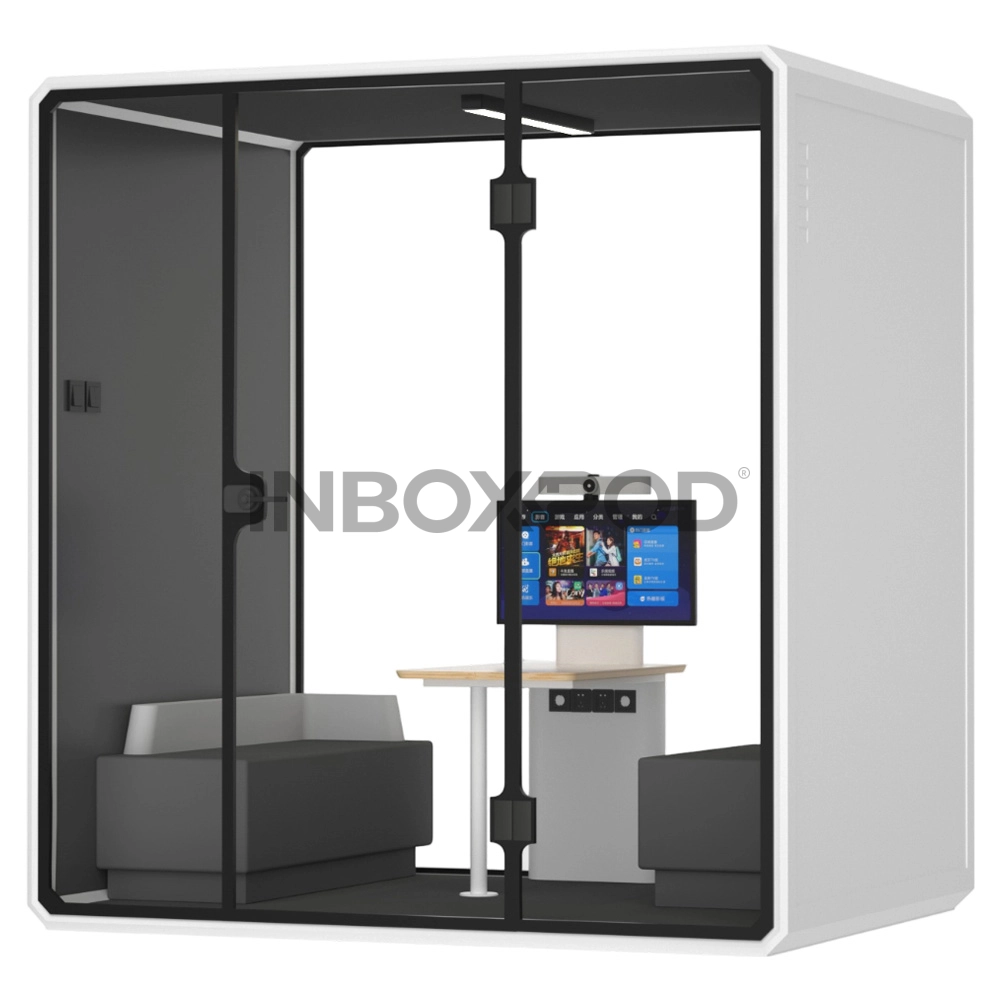
Silence Booth/Office pod Prefabricated V series-XL size
Designed for team collaboration and creative meetings, the XL-size booth provides a spacious and quiet environment that accommodates 4–6 people comfortably. Featuring premium sound insulation, integrated ventilation, and customizable lighting, it transforms any open space into a private meeting room—ideal for brainstorming, interviews, or hybrid meetings.
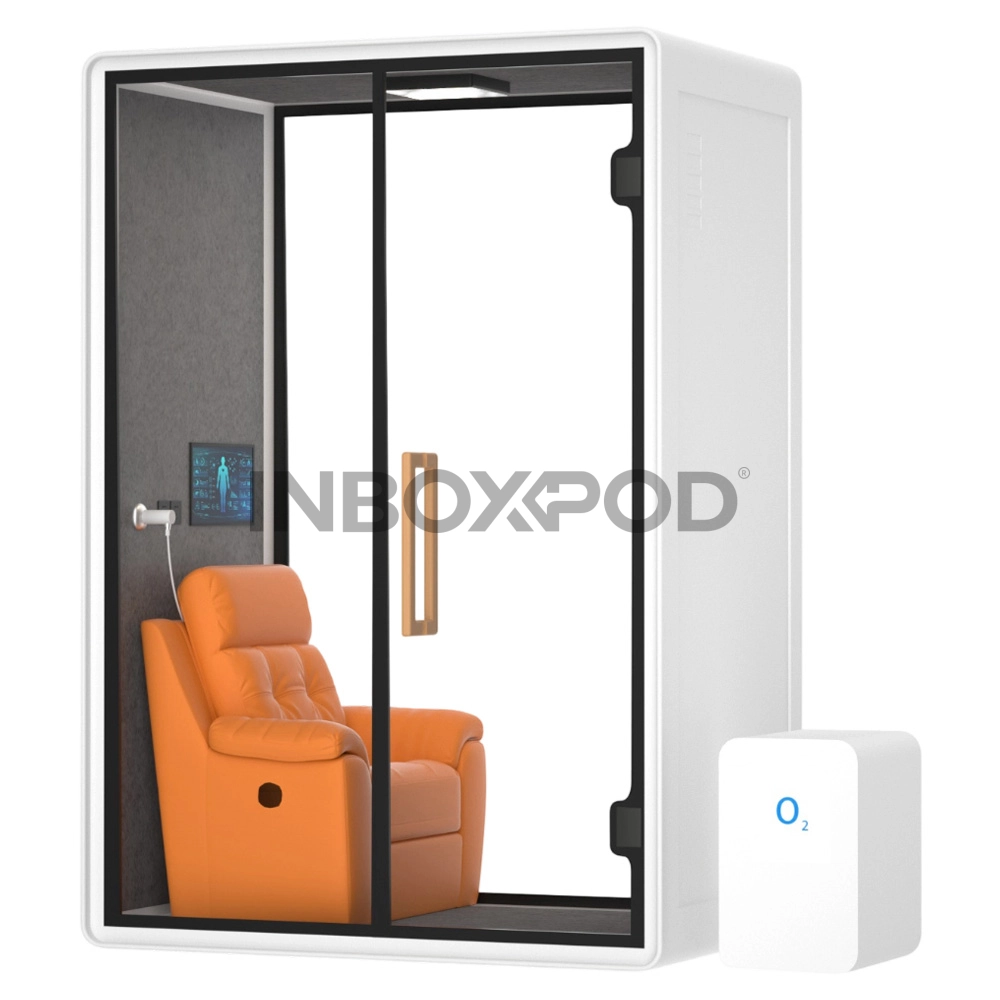
INBOXpod Soundproof Single seat Oxygen Pod
A delicate and compact personal oxygen therapy secret, with a single-seat layout that is flexible and convenient. External size: W1600×D1028×H2300 mm; internal size: W1466×D953×H2166 mm. Create a quiet, private domain for you, where you can inhale high-purity oxygen efficiently during daily relaxation or postoperative recovery, helping to improve cardiopulmonary function and mental state.
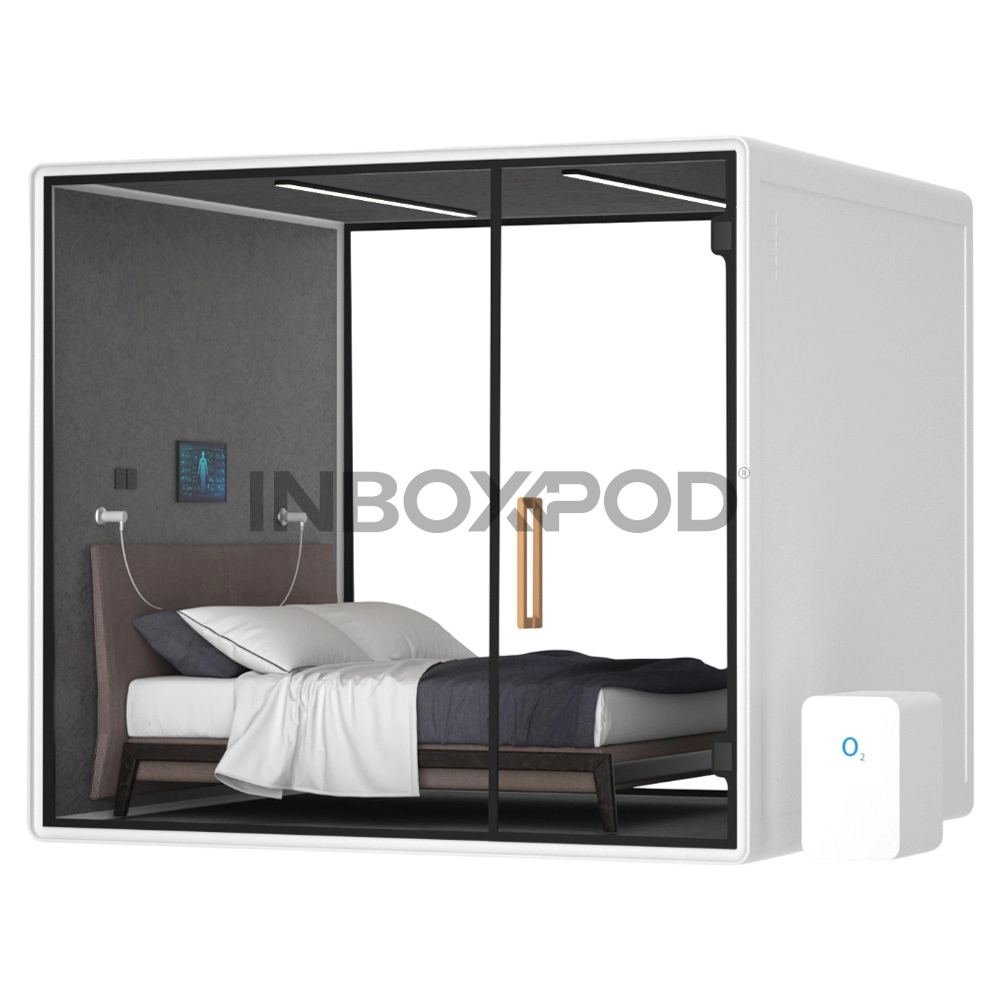
INBOXpod Soundproof Double Bed (small) Oxygen Pod
A double oxygen therapy option that balances space and experience, with a small double-bed layout suitable for various scenarios. External size: W2300×D1854×H2300 mm; internal size: W2300×D1929×H2300 mm. You can share the high-oxygen environment here with relatives and friends, relieve stress, improve physical fitness, and gain health and vitality in company.
Whatsapp: +8613535292957