
How Phone Booths Support Hybrid and Remote Meetings
- Why quiet collaboration matters
- The real cost of poor audio and privacy
- Acoustics, confidentiality and legal risk
- Hybrid work demands flexible micro-spaces
- How office phone booths improve hybrid and remote meetings
- Delivering clear audio and better participation
- Supporting camera framing and lighting for video calls
- Encouraging concentrated, shorter meetings
- Selecting the right phone booth: performance, ergonomics, and integration
- Key acoustic and technical specs to evaluate
- Ergonomics, technology and user experience
- Deployment speed, lifecycle and sustainability
- Comparisons: pods vs traditional meeting rooms vs huddle spaces
- When to choose which option
- Side-by-side comparison
- Practical deployment: policies, booking and change management
- Policies that drive adoption
- Booking, sensors and utilization tracking
- Case example: measurable benefits
- About INBOXpod and how we partner on hybrid meeting solutions
- Standards, testing and evidence-based procurement
- Ask for measurable test results
- Compliance and material safety
- Independent resources
- Frequently Asked Questions (FAQ)
- 1. What exactly is an office phone booth?
- 2. Are phone booths really soundproof?
- 3. How many people fit in a typical pod?
- 4. How do pods affect HVAC and building systems?
- 5. Can pods be moved or reconfigured?
- 6. How should I choose between a pod and a small meeting room?
- 7. What is the expected lifecycle and maintenance?
Hybrid and remote meetings place new demands on workplace design: people need private, quiet places to take video calls from open-plan offices, campuses, and shared environments. As an experienced consultant in workplace acoustics and a content specialist in soundproof pod solutions, I find that office phone booths—also called phone pods, acoustic booths, or soundproof pods—consistently deliver a practical blend of acoustic performance, flexibility, and speed of deployment that supports modern hybrid collaboration. In this article I summarize why phone booths matter, how they materially improve meeting quality and inclusion, what performance metrics to evaluate, and how to choose and integrate pods into an agile workplace strategy.
Why quiet collaboration matters
The real cost of poor audio and privacy
Background noise and lack of privacy increase cognitive load, lengthen meetings, and reduce participation. Studies and practitioner reports show that poor acoustic environments decrease task performance and raise stress levels. The Harvard Business Review summarized how open-plan layouts can undermine collaboration and well-being (HBR), and workplace surveys repeatedly list privacy and noise as top employee complaints. When people dial into hybrid meetings from a noisy desk, they speak less, repeat themselves, or defer participation—resulting in lower meeting effectiveness.
Acoustics, confidentiality and legal risk
For many organizations, protecting sensitive conversations is not just a comfort issue but a compliance and reputation concern. Acoustic enclosures that provide high levels of airborne sound insulation (measured using standards such as ISO 10140 series for sound insulation testing) reduce the risk of confidential information leaking across an open office floor (Wikipedia – Soundproofing). Phone booths that meet strong sound reduction targets help protect conversations about HR, sales strategy, legal matters and patient data in healthcare settings.
Hybrid work demands flexible micro-spaces
Hybrid work patterns require on-demand, bookable spaces rather than an over-supply of fixed meeting rooms. Phone booths are modular micro-environments that can be deployed where and when needed—near teams, on open floors, or in quiet zones—supporting both scheduled and ad-hoc use. According to workplace design research from McKinsey and others, flexibility and reconfigurability are central to resilient office design in a hybrid era (McKinsey).
How office phone booths improve hybrid and remote meetings
Delivering clear audio and better participation
Phone booths reduce background noise and reverberation, improving microphone pickup for video conferencing and enabling clearer two-way communication. That clarity translates into more active participation: remote participants can hear nuanced discussion and non-native speakers can be understood more easily. In practice, a well-designed pod with internal absorption and airtight seals reduces direct sound leakage and internal reflections, improving speech intelligibility and reducing the need for repetition.
Supporting camera framing and lighting for video calls
Besides sound, phone booths create consistent visual conditions: controllable interior lighting, neutral backgrounds, and predictable camera framing. That reduces visual distraction for remote attendees and creates a more professional presence for front-line staff and execs who must join frequent external video meetings.
Encouraging concentrated, shorter meetings
Pods encourage focused, single-topic interactions. Because they’re sized for one to four people and reserved for short calls, they tend to reduce meeting drift, lower average meeting time, and improve agenda discipline. Organizations that deliberate on meeting types and assign the appropriate space (quiet focus work vs. collaborative whiteboarding room) see material improvements in meeting efficiency.
Selecting the right phone booth: performance, ergonomics, and integration
Key acoustic and technical specs to evaluate
When assessing office phone booth options, I focus on measurable criteria: airborne sound reduction (Rw or STC-like metrics), internal reverberation time (RT60), HVAC noise (NC rating), and ventilation/air-exchange. Ask suppliers for test reports, and prefer booths tested according to international standards (e.g., ISO 10140 series for airborne sound insulation or third-party lab measurements). If you require a specific sound reduction (for example to protect confidential conversations), request the supplier’s dB attenuation figures and the test setup used.
Ergonomics, technology and user experience
Comfort influences adoption: adequate ventilation, power outlets, adjustable lighting, acoustic interior finishes, and good seating make booths usable for the recommended duration. Integration with AV and booking systems (calendar hooks, occupancy sensors, and payback on shared devices) increases utility. I recommend vendors who offer modular tech integration options and support for common conferencing platforms (Zoom, Teams, Google Meet).
Deployment speed, lifecycle and sustainability
One of the strongest value propositions for pods is speed: compared to constructing new meeting rooms or private offices, pods can be delivered and installed in days to weeks with minimal disruption. Evaluate manufacturers on lead times, modularity, end-of-life recyclability, and certifications for low-VOC materials. Sustainable material choices and durable construction reduce total cost of ownership and align with corporate ESG goals.
Comparisons: pods vs traditional meeting rooms vs huddle spaces
When to choose which option
Different tasks require different spaces. Use phone booths for private calls, focused video meetings, short one-on-one check-ins, and sensitive conversations. Reserve meeting rooms for collaborative, whiteboard-driven sessions and workshops. Huddle rooms can be used for small-team, multi-person hybrid meetings where some collaborative tools are needed.
Side-by-side comparison
| Metric | Office Phone Booth (Soundproof Pod) | Traditional Meeting Room | Huddle Space |
|---|---|---|---|
| Typical deployment time | Days–weeks | Weeks–months (construction) | Weeks |
| Footprint | Compact (1–4 people) | Large (4–12+ people) | Small to medium |
| Privacy / Sound Isolation | High (designed for speech privacy) | Variable (depends on construction) | Moderate |
| Cost (relative) | Moderate (capex per unit) | High (construction, MEP) | Moderate |
| Best for | Calls, video meetings, private work | Workshops, presentations, team meetings | Quick team syncs, brainstorms |
Sources and further reading include workplace design analyses from McKinsey and HBR that discuss the changing role of physical space in hybrid work models (McKinsey, Harvard Business Review).
Practical deployment: policies, booking and change management
Policies that drive adoption
Pods succeed when accompanied by clear usage policies: recommended call durations, reservation etiquette, and sanitation guidelines. I advise organizations to map meeting types to space types (e.g., 15–30 minute ad-hoc calls = pod; cross-functional workshop = meeting room) and to educate staff via quick guides and signage.
Booking, sensors and utilization tracking
Integrate pods with your workplace booking system and consider occupancy sensors to gather utilization metrics. Measuring usage helps justify additional pods or reconfiguration of existing rooms. Many organizations see rapid ROI when pods reduce lost productivity from noisy environments; objective utilization data supports those investments.
Case example: measurable benefits
In client engagements I’ve led, introducing a fleet of soundproof phone booths increased private call capacity while reducing interruptions on an open floor. We tracked a 15–25% reduction in average meeting duration for short calls and reported higher satisfaction in employee surveys post-deployment. These results align with broader surveys showing employees value private, bookable spaces for calls (Global Workplace Analytics).
About INBOXpod and how we partner on hybrid meeting solutions
INBOXpod, a pioneering brand of Guangdong Province INBOXPOD Company Limited, designs and manufactures modular acoustic pods that blend advanced acoustic engineering with sustainable materials and precision manufacturing. With over a decade of industry expertise, we deliver high-performance, fully soundproof solutions engineered for clarity, privacy, and durability. Our pods are versatile by design—adaptable for open-plan offices, education spaces, healthcare environments, retail and commercial settings, and wellness or study areas—so organizations can create focused, comfortable micro-environments without costly construction.
Trusted by clients in more than 60 countries across North America, Europe and the Asia–Pacific region, INBOXpod combines a strong global distribution network with localized support to meet diverse market needs. We offer end-to-end OEM and ODM services, helping partners and brands take custom concepts from brief to market-ready product, whether for bespoke finishes, specialized acoustic performance, or integrated technology. Guided by a mission to enhance productivity and well-being and a vision to lead globally in soundproof solutions, INBOXpod is committed to continuous innovation, sustainability, and long-term partnerships that deliver measurable value and exceptional user experience.
Our main products—soundproof office pod, oxygen pods, soundproof study pod—are engineered to address the full range of hybrid and remote meeting needs. Compared with building new rooms, our modular pods reduce disruption, speed time-to-use, and provide consistent acoustic results verified by lab or in situ testing. For product details, case studies, and customization options, please visit https://www.inboxpod.com or contact our team at sale@inboxpod.com.
Standards, testing and evidence-based procurement
Ask for measurable test results
Avoid vague marketing claims. Require suppliers to provide third-party or lab test reports that reference accepted acoustic measurement methods (for example, ISO 10140 for laboratory airborne sound reduction or in-situ field measurements). In the absence of formal lab testing, request measured RT60 and in-room background noise (dBA) figures under representative conditions.
Compliance and material safety
Confirm that materials meet low-VOC requirements and relevant fire safety standards for your jurisdiction. Many pod manufacturers publish certificates and material declarations—these documents support procurement and facilities management reviews and help compliance with corporate sustainability policies.
Independent resources
For technical background on acoustic measurement standards, see ISO acoustics references and general soundproofing resources (Wikipedia – Soundproofing). For workplace strategy guidance related to hybrid work, review industry analyses from McKinsey and other workplace research bodies.
Frequently Asked Questions (FAQ)
1. What exactly is an office phone booth?
An office phone booth (also known as a phone pod or acoustic pod) is a prefabricated enclosed unit designed to provide auditory and visual privacy for one to a few occupants. It typically includes acoustic insulation, internal finishes to control reverberation, ventilation, lighting, power, and often AV or connectivity options.
2. Are phone booths really soundproof?
No consumer product is perfectly silent, but high-quality office phone booths are engineered to significantly reduce both internal reverberation and external noise intrusion. Performance varies by model: look for published dB reduction figures, RT60 values, and third-party tests. For sensitive or regulated conversations, request lab test reports.
3. How many people fit in a typical pod?
Pods are commonly sized for 1–4 occupants. Single-occupant phone booths are optimized for private calls; 2–4 person pods suit small team huddles or interviews. Choose based on your typical use cases and average meeting sizes.
4. How do pods affect HVAC and building systems?
Pods typically include integrated ventilation to maintain air quality and thermal comfort. That means they can operate without reworking building HVAC in many cases; however, confirm that pod ventilation meets local code requirements and your indoor air quality standards. For longer-duration occupancy, ensure adequate air exchange rates and consider CO2 monitoring.
5. Can pods be moved or reconfigured?
Yes. One of the main advantages of modular pods is reconfigurability. Most pods are designed for relatively straightforward relocation with minimal disruption, unlike fixed construction. Check the manufacturer's recommendations for disassembly, transportation, and reinstallation.
6. How should I choose between a pod and a small meeting room?
Use pods for private calls, focused work, and short video meetings where space efficiency and quick availability are priorities. Choose meeting rooms when collaborative tools, larger capacities, or whiteboarding/visual collaboration are critical.
7. What is the expected lifecycle and maintenance?
High-quality pods should have a multi-year lifecycle (often 7–15 years depending on use and finishes). Consider warranties, availability of replacement parts, and the ability to refurbish interior components as part of procurement decisions.
If you have more specific questions about acoustic performance, customization, or deployment planning, I invite you to contact INBOXpod for technical guidance and product options.
Contact us to discuss your hybrid meeting needs and view product specifications: visit https://www.inboxpod.com or email sale@inboxpod.com. Whether you need high-privacy soundproof office pod solutions, oxygen pods for wellness, or soundproof study pod options, we can provide tailored recommendations and OEM/ODM services to meet your workplace objectives.
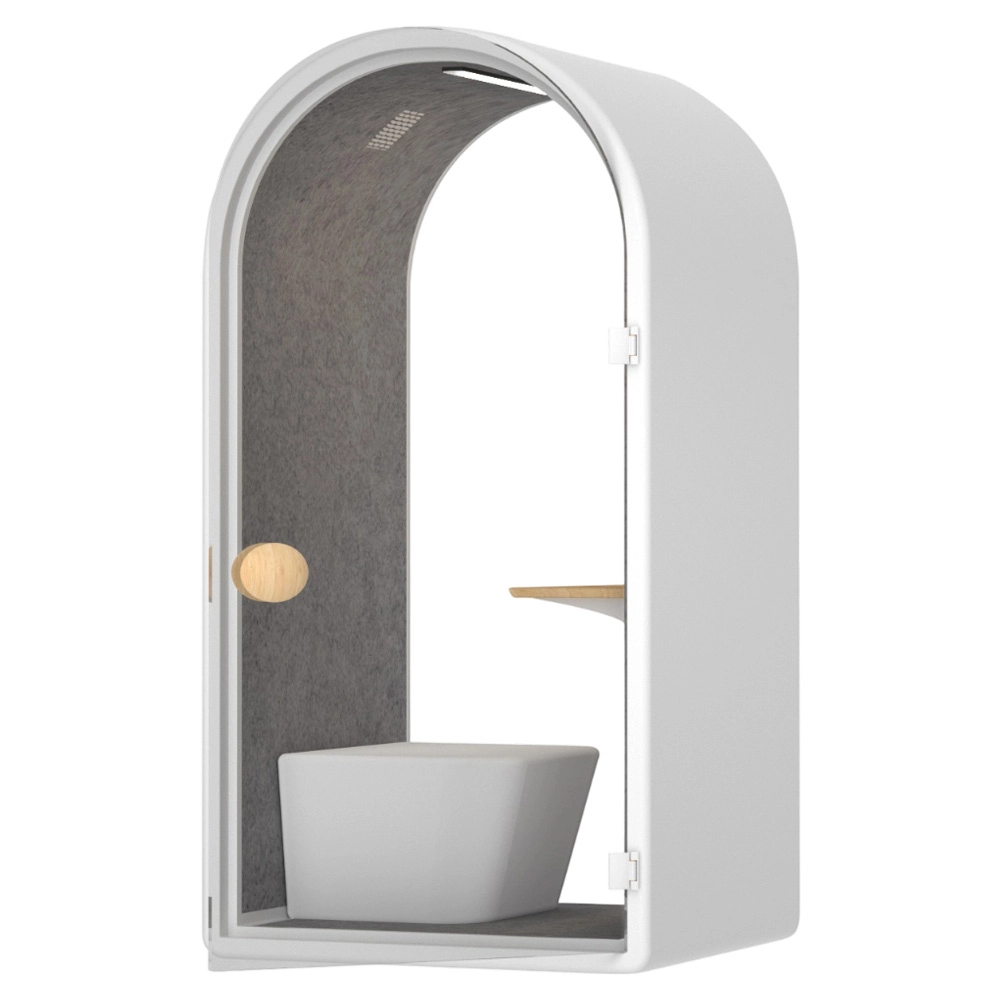
Procurement Checklist: Soundproof Booths for Libraries
Case Study: How Phone Booths Improved Office Productivity
Top 10 soundproof booth Manufacturers and Supplier Brands in 2026
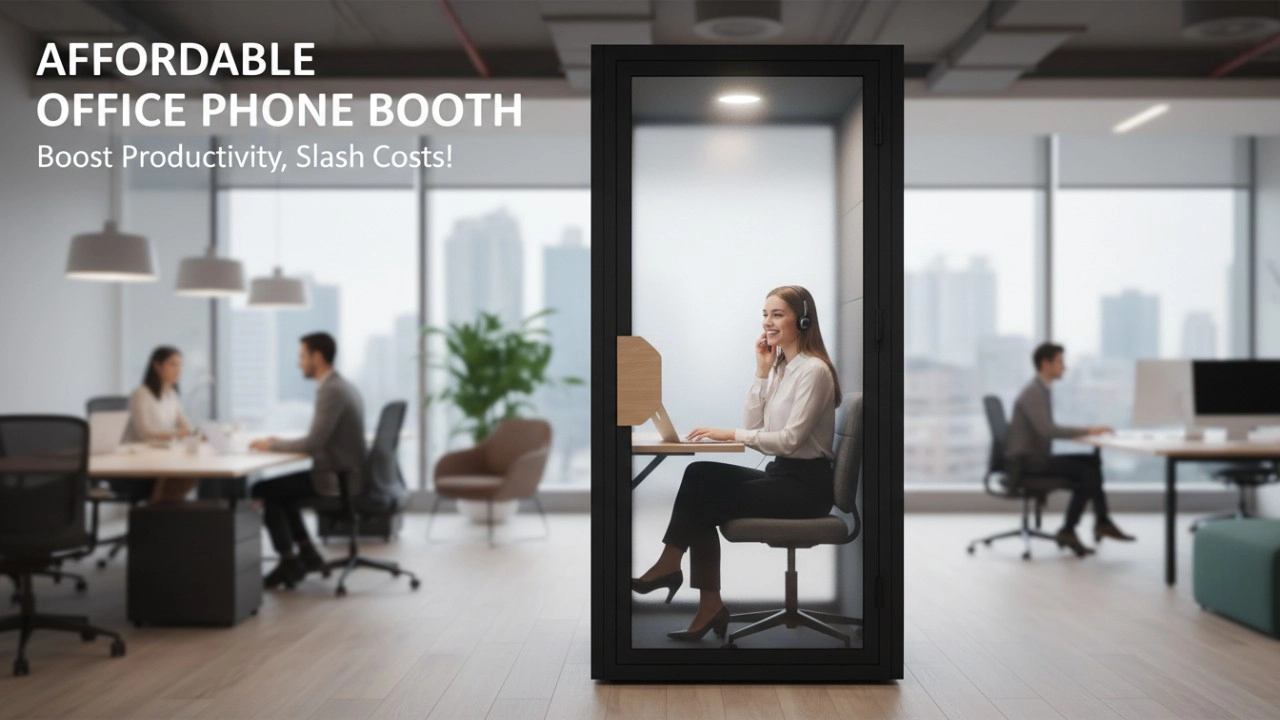
12 Best Affordable Office Phone Booths of 2026: Ranked by Real Soundproofing Tests
Home-demo
Can the booths be customized to fit specific space requirements?
Yes, we offer flexible customization options including size, color, and additional features to perfectly suit your needs.
Do you provide after-sales support and warranty?
Yes, we provide comprehensive after-sales service and warranty to ensure long-term satisfaction with our products.
How long does it take to assemble an INBOXpod booth?
Most of our booths can be assembled without tools in about 30 minutes, making installation quick and hassle-free.
What is the typical sound insulation level of your acoustic booths?
Our booths typically achieve up to 27 dB noise reduction, meeting Class B sound insulation standards suitable for offices and study environments.
What materials are used in the construction of the booths?
Our booths are made from sustainable, high-quality materials including aluminum alloy frames and acoustic panels designed for optimal soundproofing.
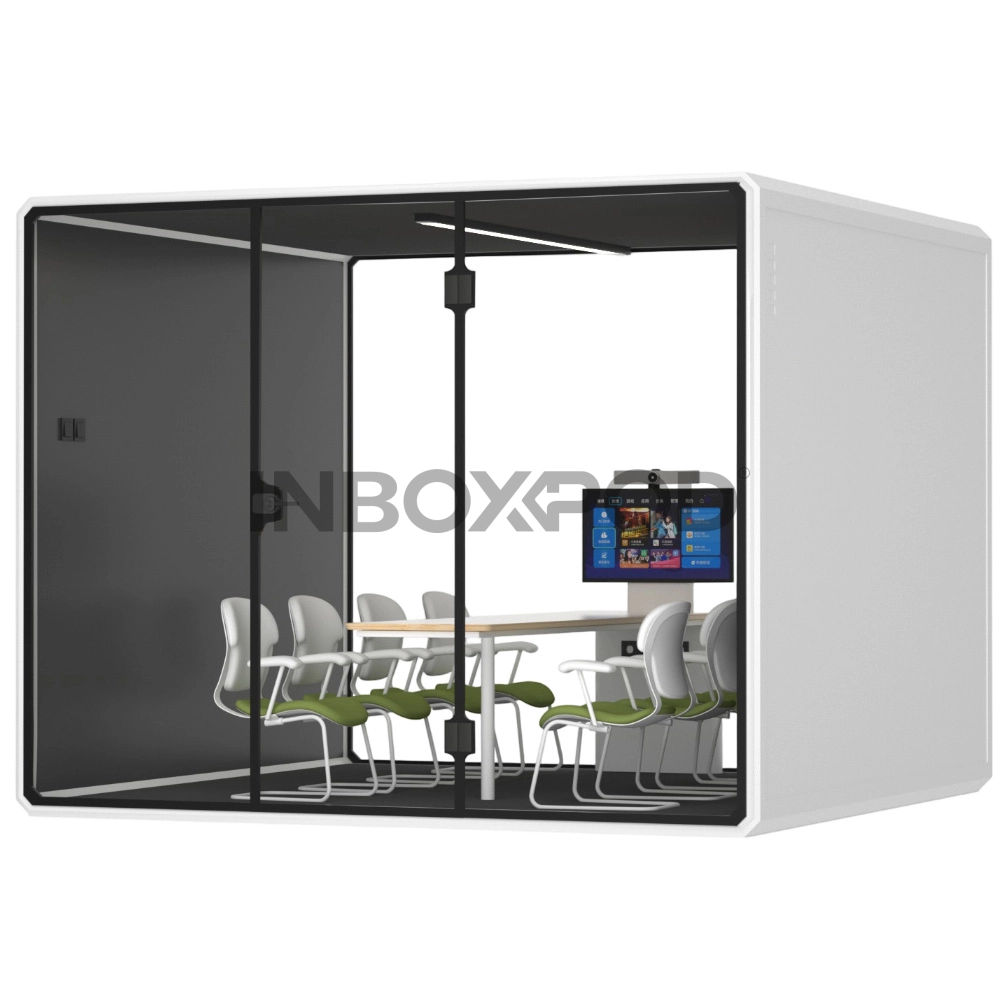
Silence Booth/Office pod Prefabricated V series-XXL size
The XXL-size booth is a premium modular acoustic room designed for larger teams and dynamic discussions. With ample interior space for 6–10 people, it provides exceptional sound insulation, effective air circulation, and integrated lighting to ensure comfort during long meetings. Ideal for boardroom sessions, client presentations, and collaborative brainstorming, the XXL booth creates a quiet and productive environment within any workspace.
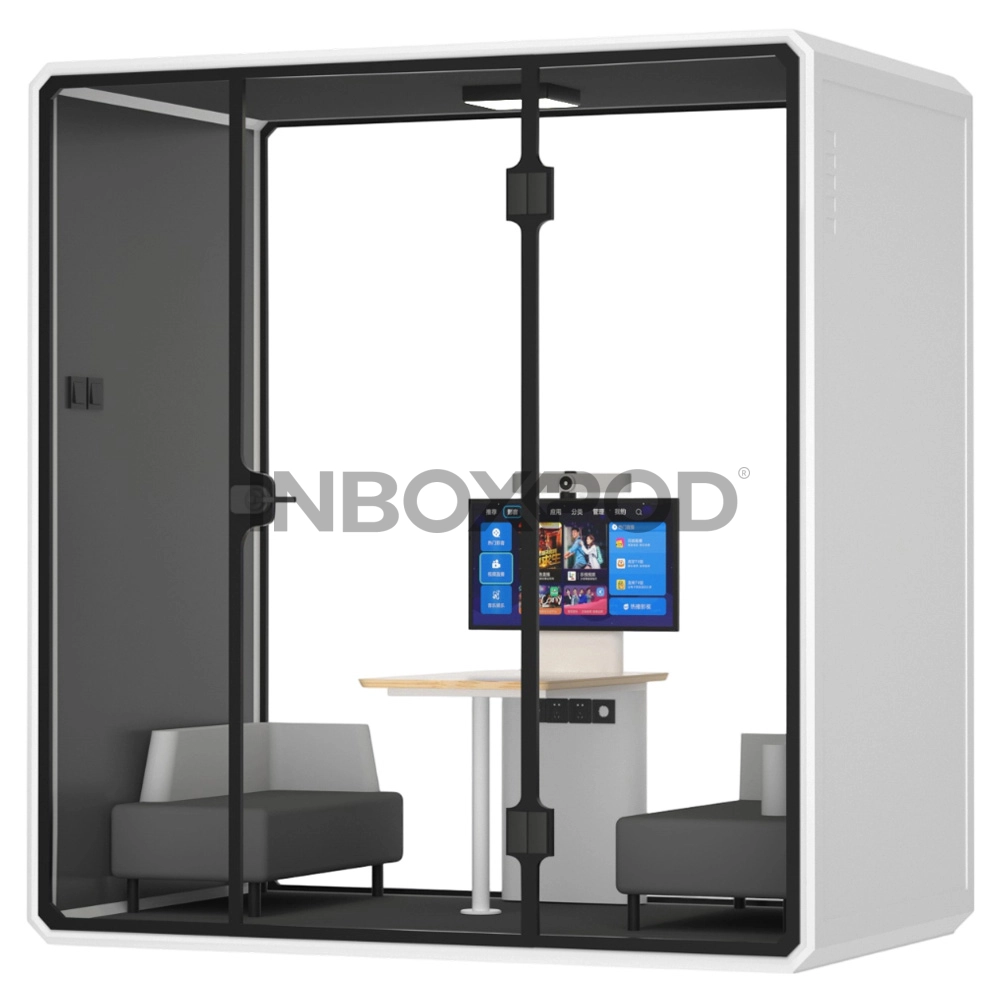
Silence Booth/Office Pod Prefabricated V series-L size
Designed for team collaboration and small meetings, the L-size booth provides a comfortable and acoustically optimized space for 4–6 people. With premium sound insulation, efficient ventilation, and integrated lighting and power systems, it ensures focus, privacy, and productivity—even in the busiest open offices.
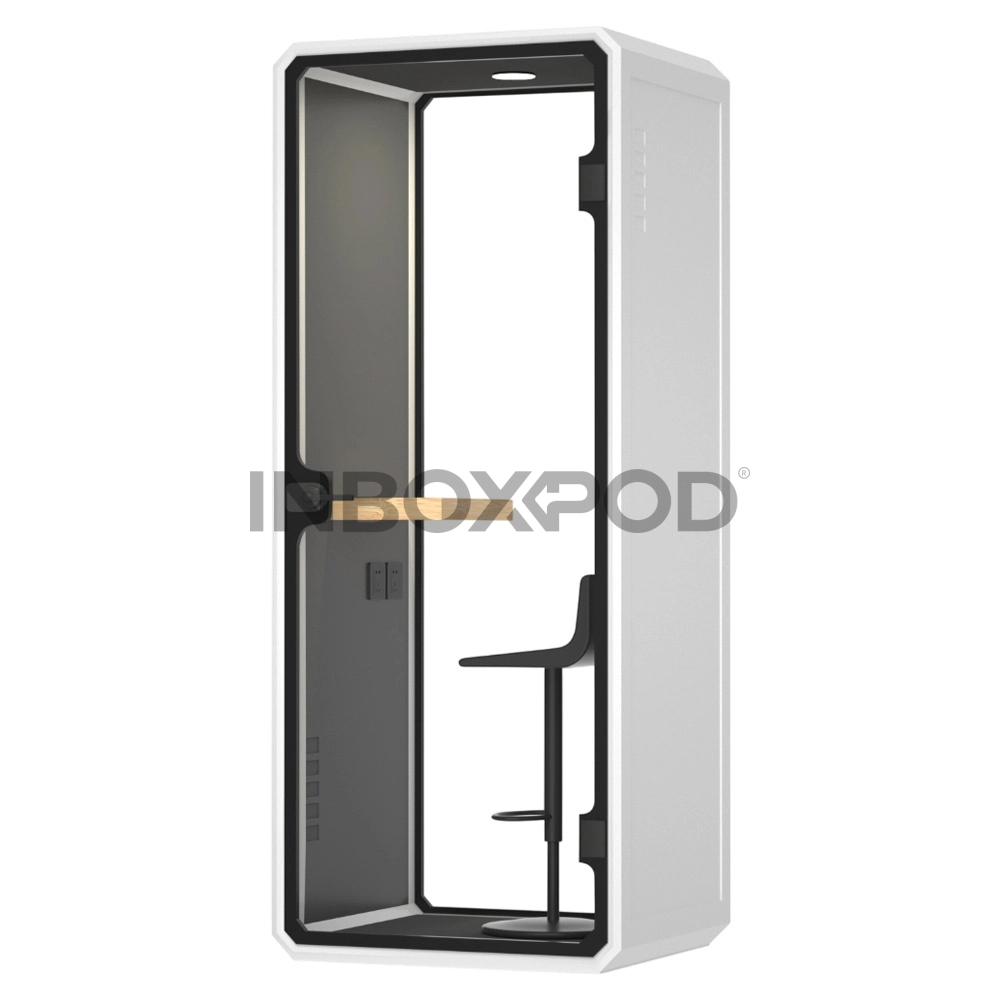
Silence Booth/Office pod Prefabricated V series-S size
Built with high-performance acoustic materials and a modular prefabricated structure, it offers excellent sound insulation, fast installation, and efficient space utilization.
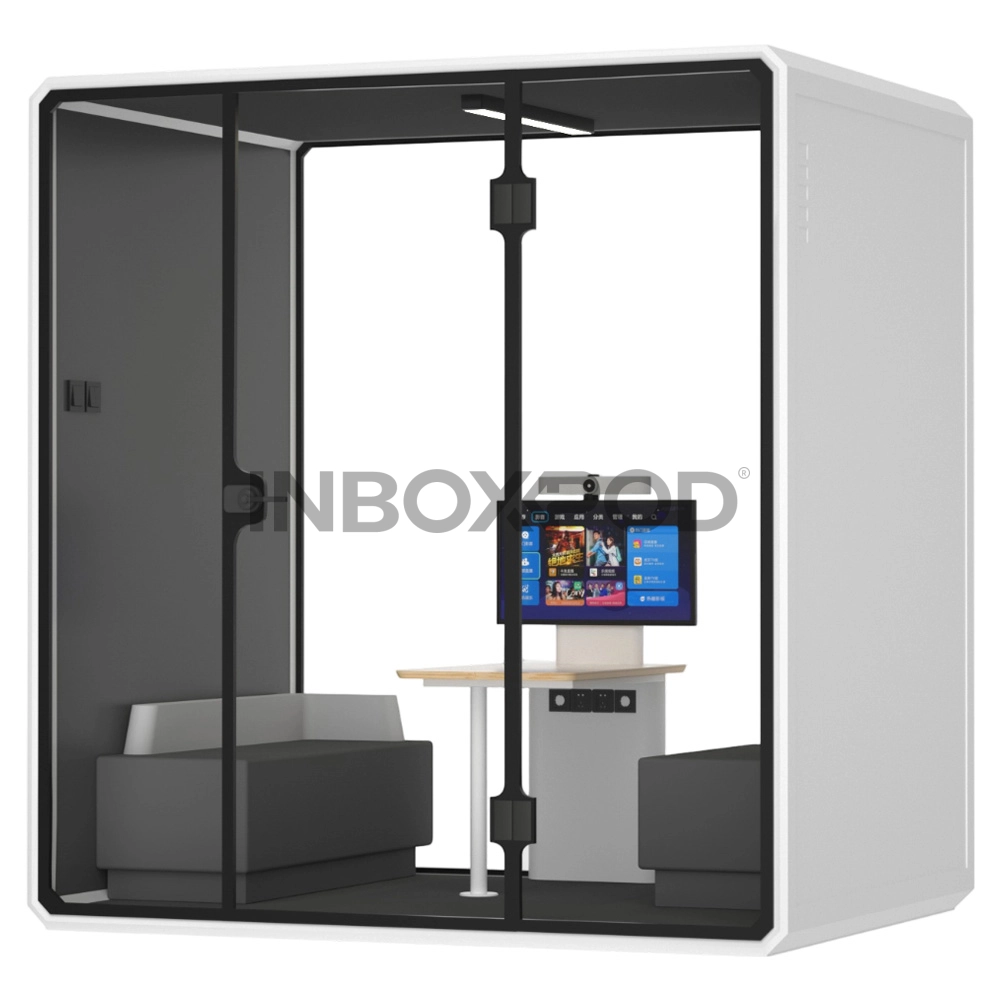
Silence Booth/Office pod Prefabricated V series-XL size
Designed for team collaboration and creative meetings, the XL-size booth provides a spacious and quiet environment that accommodates 4–6 people comfortably. Featuring premium sound insulation, integrated ventilation, and customizable lighting, it transforms any open space into a private meeting room—ideal for brainstorming, interviews, or hybrid meetings.
Whatsapp: +8613535292957