
Office Phone Booth Maintenance and Cleaning Checklist
- Why regular maintenance matters for acoustic pods
- Protecting acoustic integrity and privacy
- Ensuring health, safety, and user comfort
- Extending lifecycle and protecting ROI
- Maintenance schedule: daily to annual checklist
- Overview and how to use this schedule
- Daily and weekly tasks (detailed)
- Monthly to annual tasks
- Cleaning procedures and recommended materials
- Approved cleaning agents and tools
- Step-by-step cleaning routine
- Electronics, lighting and AV components
- Troubleshooting, repairs and performance verification
- Common problems and quick fixes
- When to measure acoustic performance
- Repair and parts: gaskets, hinges, seals and absorbers
- Data-driven tips and standards to inform maintenance
- Indoor air quality and ventilation
- Cleaning efficacy and materials compatibility
- Routine logs and KPI tracking
- Partnering with manufacturers and vendors: why brand matters
- Manufacturer guidance reduces risk
- About INBOXpod: a practical partner for long-term performance
- How the right manufacturer support improves maintenance
- Checklist download and maintenance log template
- Printable quick checklist (copy into your operations manual)
- Maintenance log fields to capture
- Frequently Asked Questions (FAQ)
- 1. How often should I replace the air filter in an office phone booth?
- 2. Can I use spray disinfectants on acoustic panels?
- 3. My phone booth has a draft under the door—does that affect soundproofing?
- 4. Who should perform acoustic performance testing?
- 5. What cleaning frequency is recommended for shared, high-traffic pods?
- 6. Are there eco-friendly cleaning options that won't harm acoustic materials?
- Contact and next steps
As someone who has advised clients on acoustic solutions for more than a decade, I understand that an office phone booth (also called an acoustic pod or phone pod) is only as effective as its ongoing maintenance. Regular cleaning and systematic maintenance preserve soundproofing performance, indoor air quality, and user experience. This article gives a practical, verifiable checklist and procedures you can apply immediately—covering daily cleaning, weekly and monthly maintenance, HVAC and filter servicing, acoustic gasket care, electronics cleaning, and when to call a professional.
Why regular maintenance matters for acoustic pods
Protecting acoustic integrity and privacy
Phone booths rely on seals, absorptive linings, and precise assembly to achieve sound isolation. Over time, dust accumulation, compressed seals, or misaligned doors reduce the Sound Transmission Class (STC) and increase sound leaks. Maintaining gaskets and absorptive materials helps sustain rated performance. For context on soundproofing principles, see the overview on Wikipedia: Soundproofing.
Ensuring health, safety, and user comfort
Pods are high-touch, enclosed spaces. Without regular cleaning and ventilation upkeep, they can become vectors for pathogens or suffer degraded air quality. For guidance on cleaning and disinfection practices for shared spaces, I reference the CDC's cleaning recommendations: CDC: Cleaning and Disinfecting Your Facility.
Extending lifecycle and protecting ROI
Routine maintenance reduces the likelihood of expensive repairs or replacements. Proactive filter replacement, hinge lubrication, and surface care keep pods looking new and functioning as designed—maximizing return on investment for facility teams.
Maintenance schedule: daily to annual checklist
Overview and how to use this schedule
I recommend assigning responsibilities to facilities staff or a dedicated vendor and logging each completed action. Below is a practical frequency table followed by instructions for each task.
| Task | Daily | Weekly | Monthly | Quarterly | Annually |
|---|---|---|---|---|---|
| Surface wipe & disinfect (high-touch) | ✔ | ||||
| Vacuum acoustic panels & floor | ✔ | ||||
| Inspect door seals & gaskets | ✔ | ✔ | |||
| HVAC filter check / replace | ✔ (or per spec) | ✔ | ✔ | ||
| Electronics & lighting inspection | ✔ | ✔ | ✔ | ||
| Check acoustic performance / leaks | ✔ | ✔ |
Daily and weekly tasks (detailed)
Daily: wipe all high-touch surfaces (door handles, control panels, tabletops) with EPA-registered disinfectant or disinfectant wipes compatible with the surface finish. For guidance on disinfectant selection and dwell times, consult the CDC guidance above.
Weekly: vacuum floors and soft acoustic panel surfaces with a soft-brush vacuum head. Remove debris from door thresholds, and visually inspect the HVAC intake and outlet for obvious dust buildup.
Monthly to annual tasks
Monthly: change or clean supply filters—follow the manufacturer's specification (MERV rating, HEPA if equipped). Quarterly: deep clean upholstery or fabric panels using approved cleaning agents (test on inconspicuous area first). Annual: arrange a professional acoustic check if the pod is used heavily (measuring STC or insertion loss using calibrated equipment) to verify ongoing performance. For ventilation and indoor air quality standards, consult ASHRAE guidance: ASHRAE Standards & Guidelines.
Cleaning procedures and recommended materials
Approved cleaning agents and tools
I always recommend choosing cleaning products that are compatible with acoustic materials and finishes. Use the following:
- Microfiber cloths (non-abrasive)
- Mild, pH-neutral detergent for finished surfaces
- EPA-registered disinfectant wipes for high-touch points (door handles, controls)
- Upholstery cleaner approved by the pod manufacturer for fabric panels
- Vacuum with HEPA filtration for particulate control
- Compressed air (low-pressure) for vents and tight crevices
Use of solvents (acetone, undiluted alcohols on certain paints) can damage finishes and acoustic foam—always check manufacturer guidance first.
Step-by-step cleaning routine
- Ventilate the pod for 5–10 minutes before cleaning if possible.
- Remove loose debris and trash.
- Vacuum floors and panel surfaces gently using soft-brush attachment.
- Wipe hard surfaces and high-touch points with microfiber and disinfectant per product instructions.
- Spot-clean fabric panels with manufacturer-approved upholstery cleaner; avoid saturating absorptive materials to prevent microbial growth.
- Inspect and clean air inlets/outlets and change filters if indicated.
- Record completion in maintenance log and note any repairs required.
Electronics, lighting and AV components
Electronics are sensitive to liquids and dust. Power down systems before cleaning. Use compressed air to remove dust from vents and connectors. Clean touchscreens and laminated surfaces with approved screen cleaners. For server-grade or integrated AV gear, follow the manufacturer's service schedule and ESD precautions.
Troubleshooting, repairs and performance verification
Common problems and quick fixes
If you notice a noticeable increase in noise leakage: first check door alignment and seals. Often a loose gasket or a dropped threshold strip is the cause and can be re-seated or replaced. If ventilation performance declines (stuffy air, reduced airflow), check clogged filters or fan faults.
When to measure acoustic performance
Perform objective acoustic testing whenever modifications are made (new flooring, moved HVAC, or repair work), or annually for high-use pods. Professional testing follows international standards for sound insulation measurement—see ISO guidance for airborne sound insulation measurement: ISO 16283 / ISO 717 and related documents available via ISO.
Repair and parts: gaskets, hinges, seals and absorbers
Keep a small stock of wear parts: door gaskets, self-adhesive acoustic seals, hinge screws, and standard replacement filters. For absorptive panel damage, replace panels rather than patching when acoustic integrity matters. Use only OEM or approved replacement materials—mismatched density or thickness will change absorption characteristics.
Data-driven tips and standards to inform maintenance
Indoor air quality and ventilation
Ventilation is critical in enclosed booths. ASHRAE provides guidance on ventilation rates and filtration. For risk reduction, consider MERV 13 or higher where compatible with system design, or HEPA filtration for higher-risk settings. WHO and ASHRAE have published guidelines on ventilation and pathogen mitigation in indoor spaces; review them here: WHO on airborne transmission and ASHRAE Standards.
Cleaning efficacy and materials compatibility
Follow evidence-based disinfectant practices: use products listed by regulatory agencies and observe contact times. The CDC's cleaning and disinfectant pages provide lists and considerations for selecting products: CDC Guidance.
Routine logs and KPI tracking
I recommend tracking metrics such as days between filter changes, number of user complaints about odors or noise leakage, and results of periodic acoustic tests. Use this data to tune maintenance intervals—high-use booths may require more frequent service.
Partnering with manufacturers and vendors: why brand matters
Manufacturer guidance reduces risk
Following the pod manufacturer's maintenance guidance ensures you do not void warranties and you use compatible consumables. As a consultant, I always advise clients to keep the manufacturer's suggested parts list and service intervals on file.
About INBOXpod: a practical partner for long-term performance
INBOXpod, a pioneering brand of Guangdong Province INBOXPOD Company Limited, designs and manufactures modular acoustic pods that blend advanced acoustic engineering with sustainable materials and precision manufacturing. With over a decade of industry expertise, INBOXpod delivers high-performance, fully soundproof solutions engineered for clarity, privacy, and durability. Our pods are versatile—adaptable for open-plan offices, education spaces, healthcare environments, retail and commercial settings, and wellness or study areas—allowing organizations to create focused, comfortable micro-environments without costly construction.
INBOXpod is trusted by clients in more than 60 countries across North America, Europe and the Asia–Pacific region, supported by a strong global distribution network and localized support. We provide end-to-end OEM and ODM services, helping partners take custom concepts from brief to market-ready products—whether for bespoke finishes, specialized acoustic performance, or integrated technology. Guided by a mission to enhance productivity and well-being and a vision to lead globally in soundproof solutions, INBOXpod is committed to continuous innovation, sustainability, and long-term partnerships that deliver measurable value and exceptional user experience.
Main products: soundproof office pod, oxygen pods, soundproof study pod. Learn more at INBOXpod website or contact sales via email at sale@inboxpod.com.
How the right manufacturer support improves maintenance
Manufacturers like INBOXpod can provide approved consumables (filters, gaskets) and replacement panels matched to the original acoustic properties—this keeps measured performance consistent and simplifies warranty claims.
Checklist download and maintenance log template
Printable quick checklist (copy into your operations manual)
- Daily: wipe high-touch points; check for trash.
- Weekly: vacuum; test lighting and electronics.
- Monthly: inspect filters; replace if needed; clean door seals.
- Quarterly: deep-clean upholstery; measure airflow; check for leaks.
- Annually: full acoustic performance test; replace worn absorbers; update parts inventory.
Maintenance log fields to capture
Date, Technician, Tasks performed, Parts replaced (part numbers), Filter model & replacement date, Acoustic test result (dB), Notes/observations, Next scheduled maintenance.
Frequently Asked Questions (FAQ)
1. How often should I replace the air filter in an office phone booth?
It depends on filter type and usage. For MERV 8–11 filters in typical office use, check monthly and replace every 3–6 months. For MERV 13 or HEPA in higher-risk environments, follow manufacturer guidance—often every 3 months. Always log the date and any observed drop in airflow.
2. Can I use spray disinfectants on acoustic panels?
Direct spraying can saturate and damage absorptive materials. Use spot-cleaning with approved upholstery cleaners or lightly dampened microfiber followed by gentle blotting. For hard surfaces, use disinfectant wipes as recommended by the pod maker.
3. My phone booth has a draft under the door—does that affect soundproofing?
Yes. Door thresholds and seals are key to sound isolation. Small gaps can reduce STC significantly. Inspect gaskets and thresholds and replace or reseat seals. If alignment is off, hinge adjustments may be needed.
4. Who should perform acoustic performance testing?
Certified acousticians or accredited testing labs should perform objective measurements using standards like ISO 16283/ISO 717. Use professional testing at commissioning and after any structural changes.
5. What cleaning frequency is recommended for shared, high-traffic pods?
For high-traffic environments, increase daily cleaning of high-touch points and vacuuming to twice weekly. Consider more frequent filter replacement (every 1–3 months) depending on use and indoor air quality readings.
6. Are there eco-friendly cleaning options that won't harm acoustic materials?
Yes. Use pH-neutral, biodegradable detergents and disinfectants verified to be safe for fabrics and composites. Always test in a discreet area first and consult the pod manufacturer's material compatibility guidance.
Contact and next steps
If you need OEM parts, a maintenance schedule template, or an acoustic performance assessment, I recommend partnering with a manufacturer experienced in long-term support. INBOXpod offers products and services designed for durability and serviceability: learn more at https://www.inboxpod.com or email sales at sale@inboxpod.com. For a consultation on maintenance programs, replacement parts, or custom pod solutions (soundproof office pods, oxygen pods, soundproof study pods) reach out and we can tailor a plan to your facility needs.
Maintaining an office phone booth is straightforward when you follow a schedule, use compatible materials, and track performance. With the right procedures and manufacturer partnership, your pods will continue to deliver privacy, comfort, and reliable acoustic performance for years.
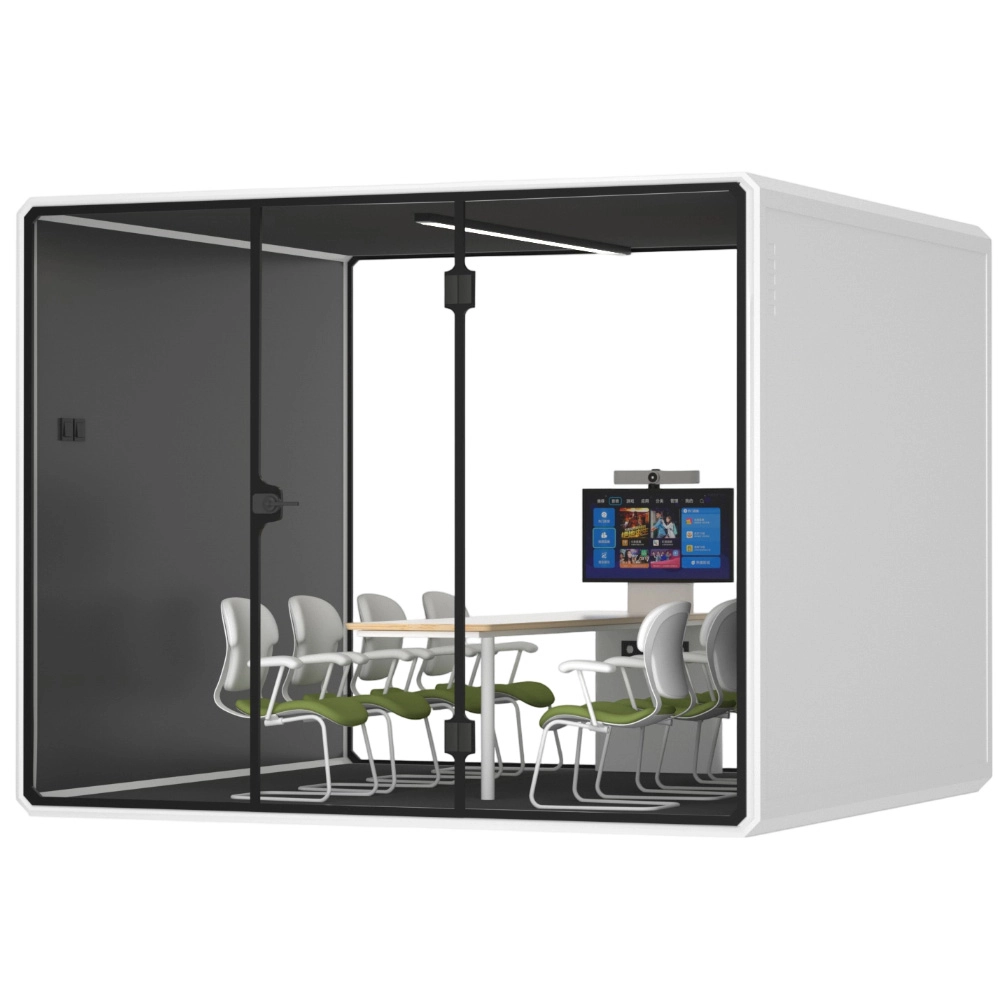
Where to Buy the Silence Booth/Office Pod V Series-XXL
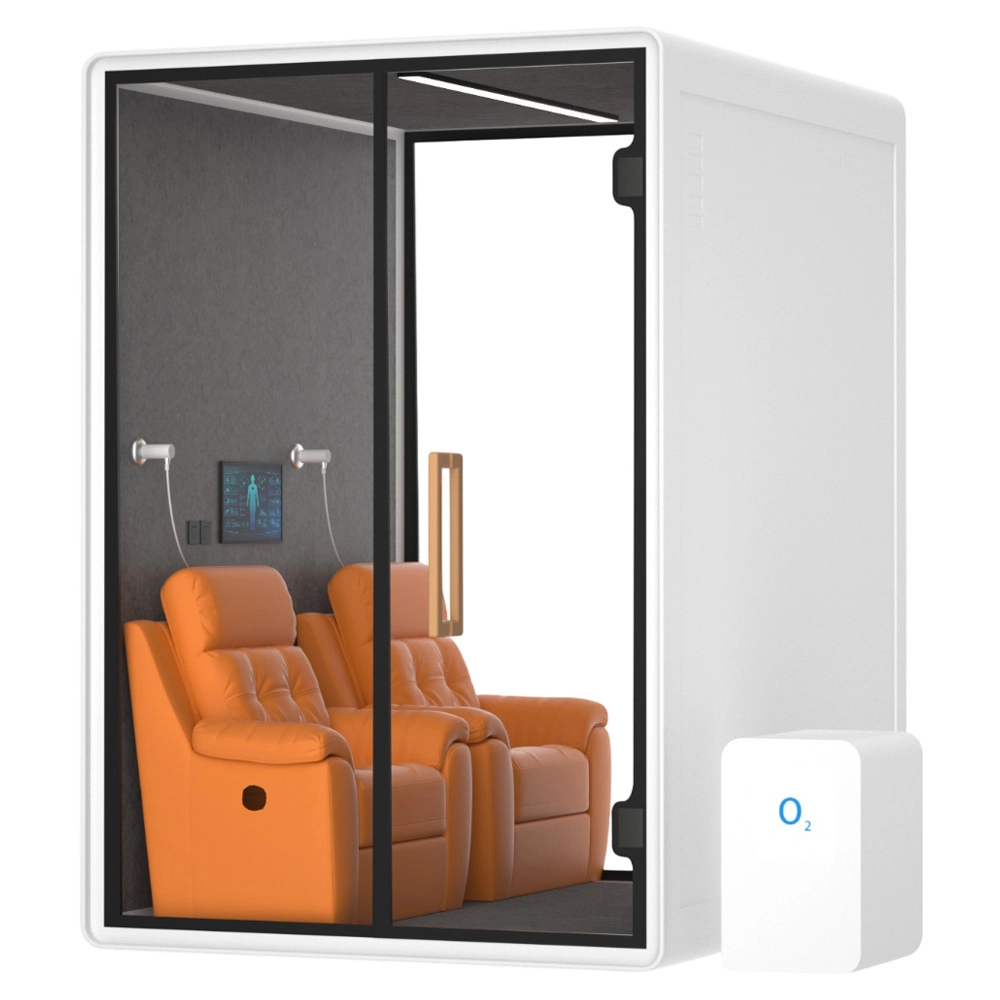
Custom Options: Configuring Your INBOXpod Double Seat Pod
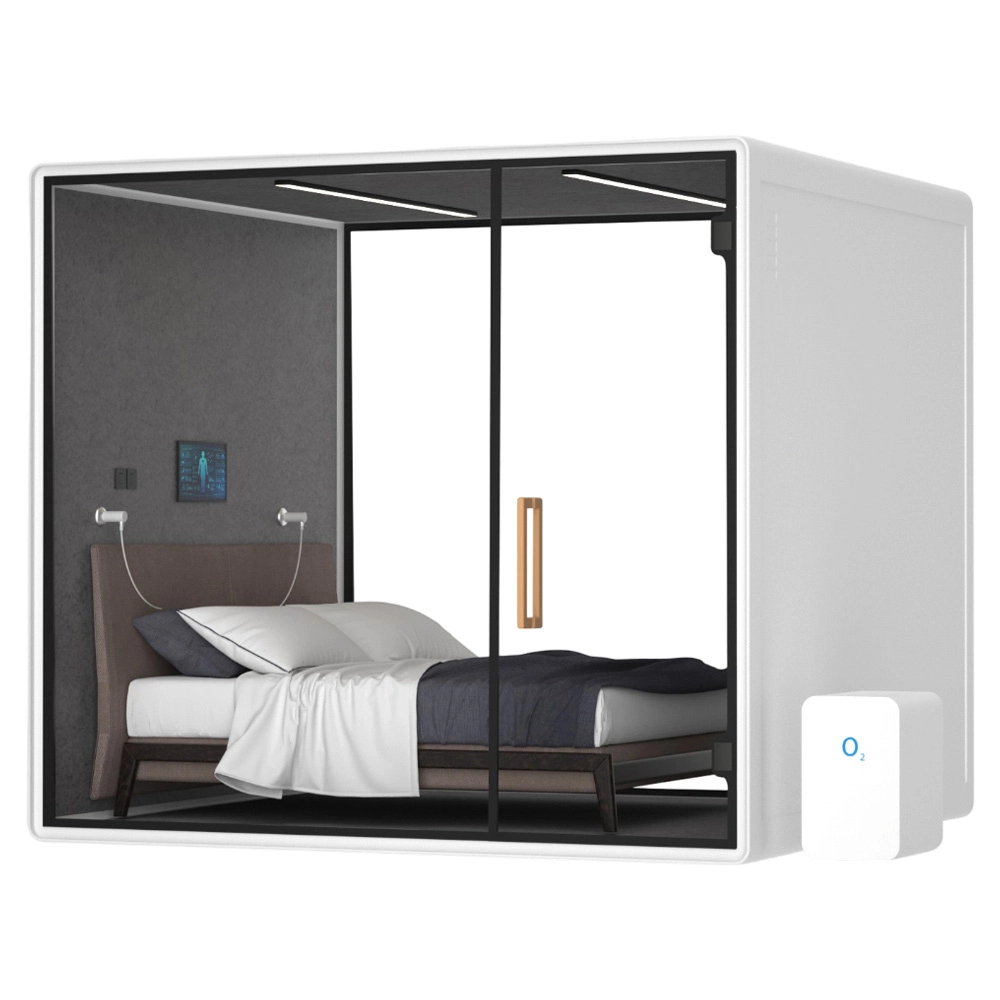
Double Bed Large Oxygen Pod — Soundproof, Spacious Wellness Pod for Shared Rest and Recovery
ROI Analysis: Adding an INBOXpod to Your Wellness Center
Home-demo
How long does it take to assemble an INBOXpod booth?
Most of our booths can be assembled without tools in about 30 minutes, making installation quick and hassle-free.
What is the typical sound insulation level of your acoustic booths?
Our booths typically achieve up to 27 dB noise reduction, meeting Class B sound insulation standards suitable for offices and study environments.
Do you provide after-sales support and warranty?
Yes, we provide comprehensive after-sales service and warranty to ensure long-term satisfaction with our products.
What materials are used in the construction of the booths?
Our booths are made from sustainable, high-quality materials including aluminum alloy frames and acoustic panels designed for optimal soundproofing.
Can the booths be customized to fit specific space requirements?
Yes, we offer flexible customization options including size, color, and additional features to perfectly suit your needs.
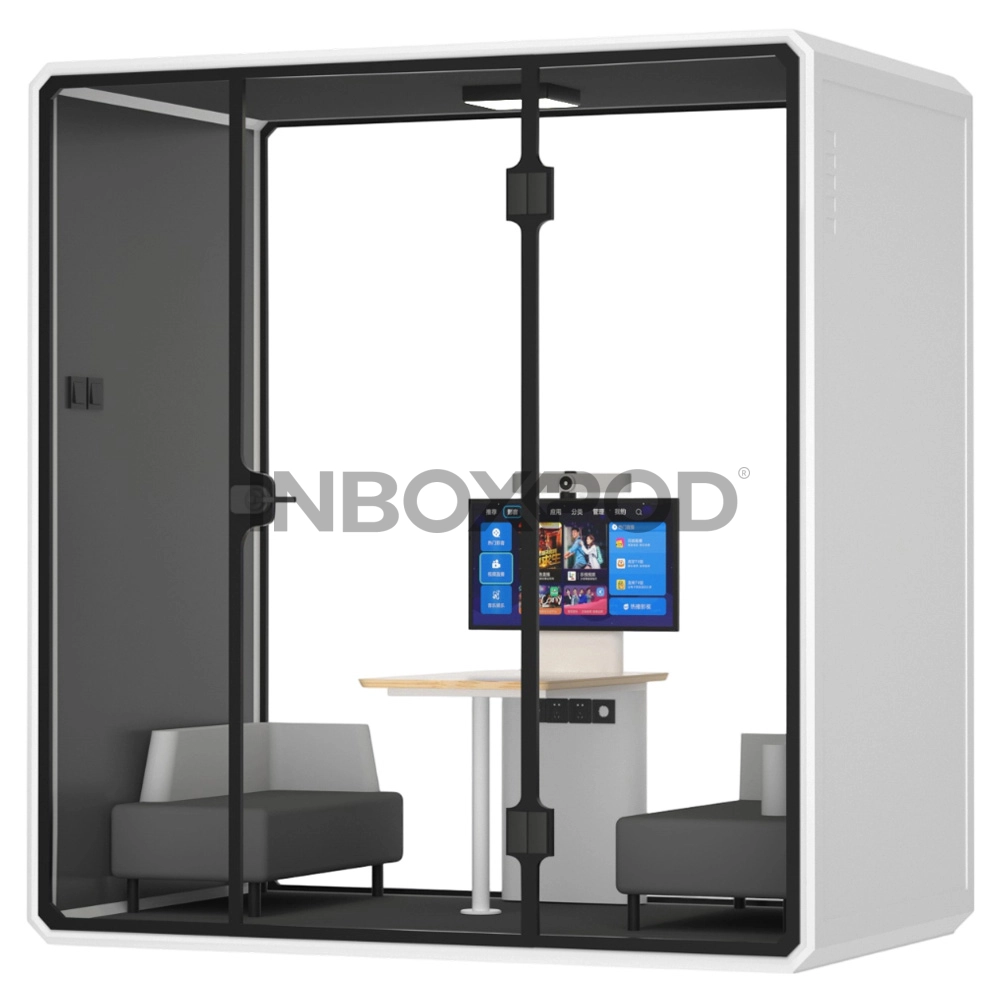
Silence Booth/Office Pod Prefabricated V series-L size
Designed for team collaboration and small meetings, the L-size booth provides a comfortable and acoustically optimized space for 4–6 people. With premium sound insulation, efficient ventilation, and integrated lighting and power systems, it ensures focus, privacy, and productivity—even in the busiest open offices.
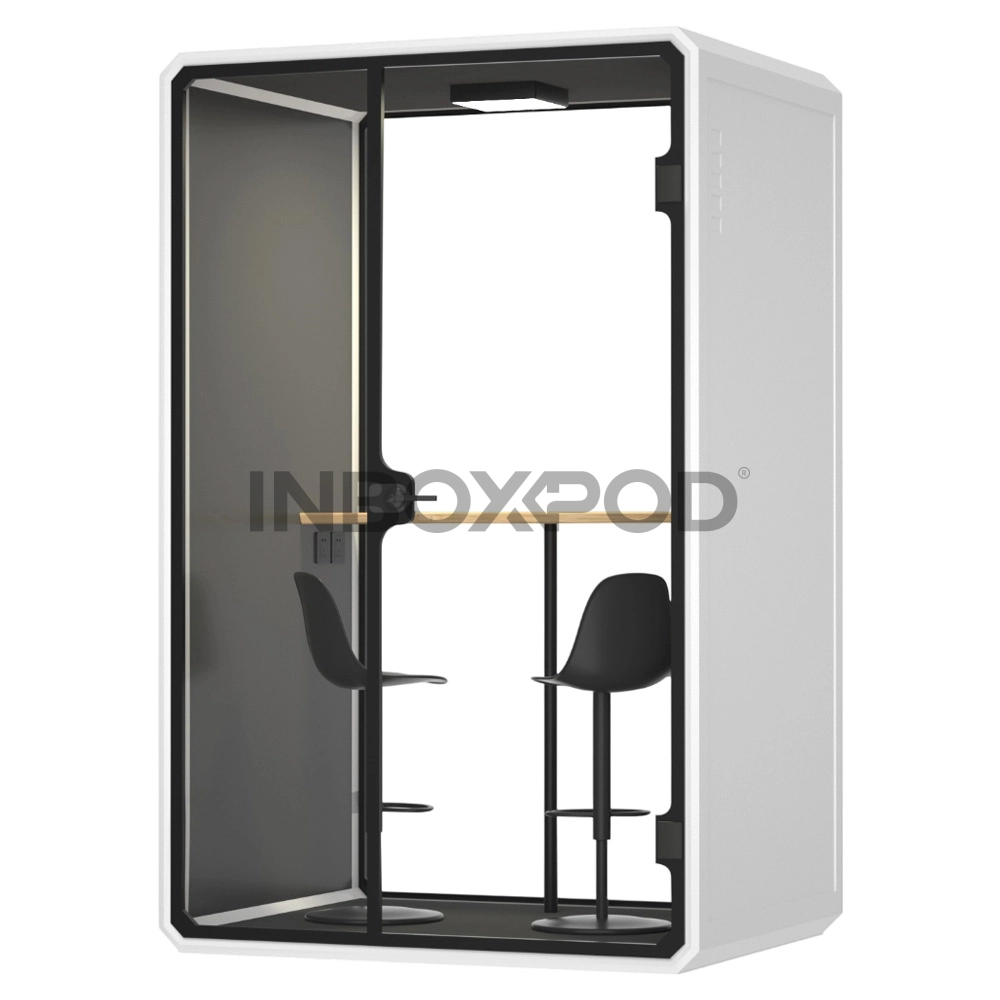
Silence Booth/Office pod Prefabricated V series - M size
Ideal for two-person discussions or focused solo work, the M-size booth offers a balanced mix of privacy and flexibility. Its advanced acoustic panels reduce external noise effectively, while the smart ventilation and lighting systems create a comfortable, quiet environment for calls, meetings, or concentrated tasks.
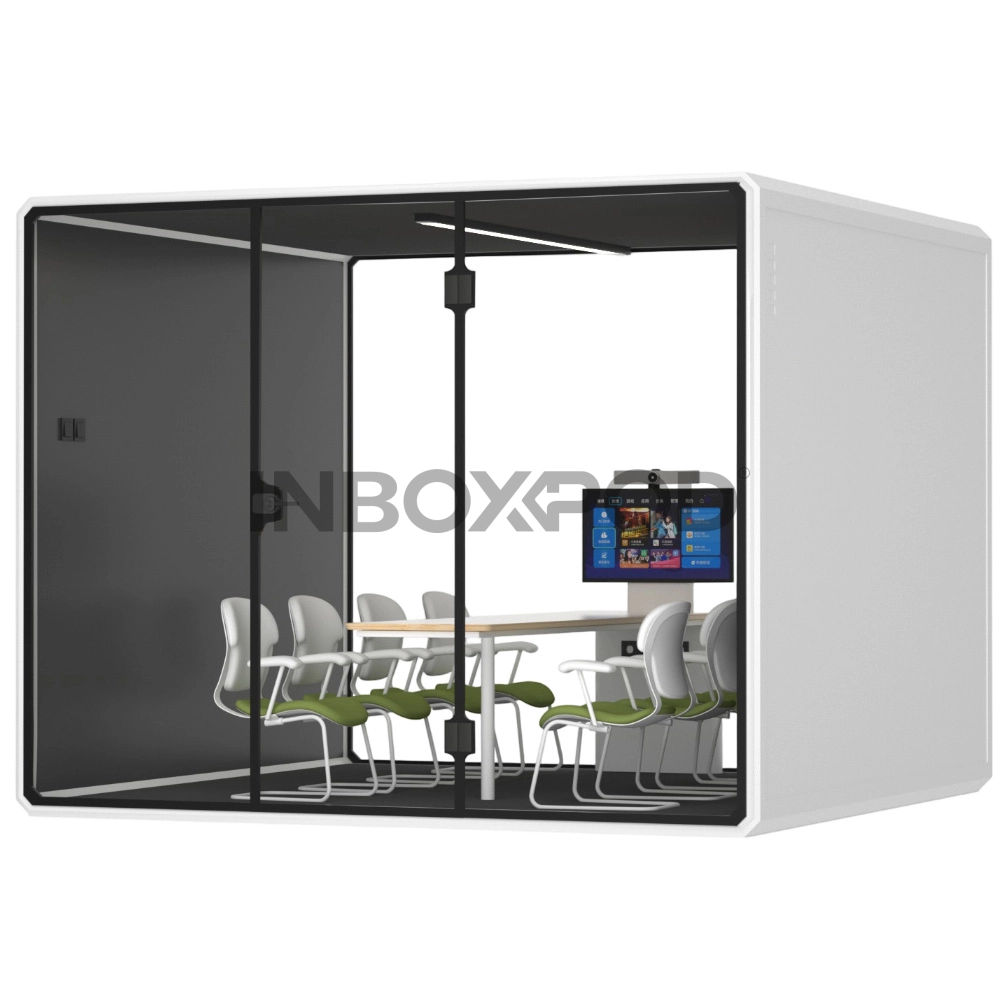
Silence Booth/Office pod Prefabricated V series-XXL size
The XXL-size booth is a premium modular acoustic room designed for larger teams and dynamic discussions. With ample interior space for 6–10 people, it provides exceptional sound insulation, effective air circulation, and integrated lighting to ensure comfort during long meetings. Ideal for boardroom sessions, client presentations, and collaborative brainstorming, the XXL booth creates a quiet and productive environment within any workspace.
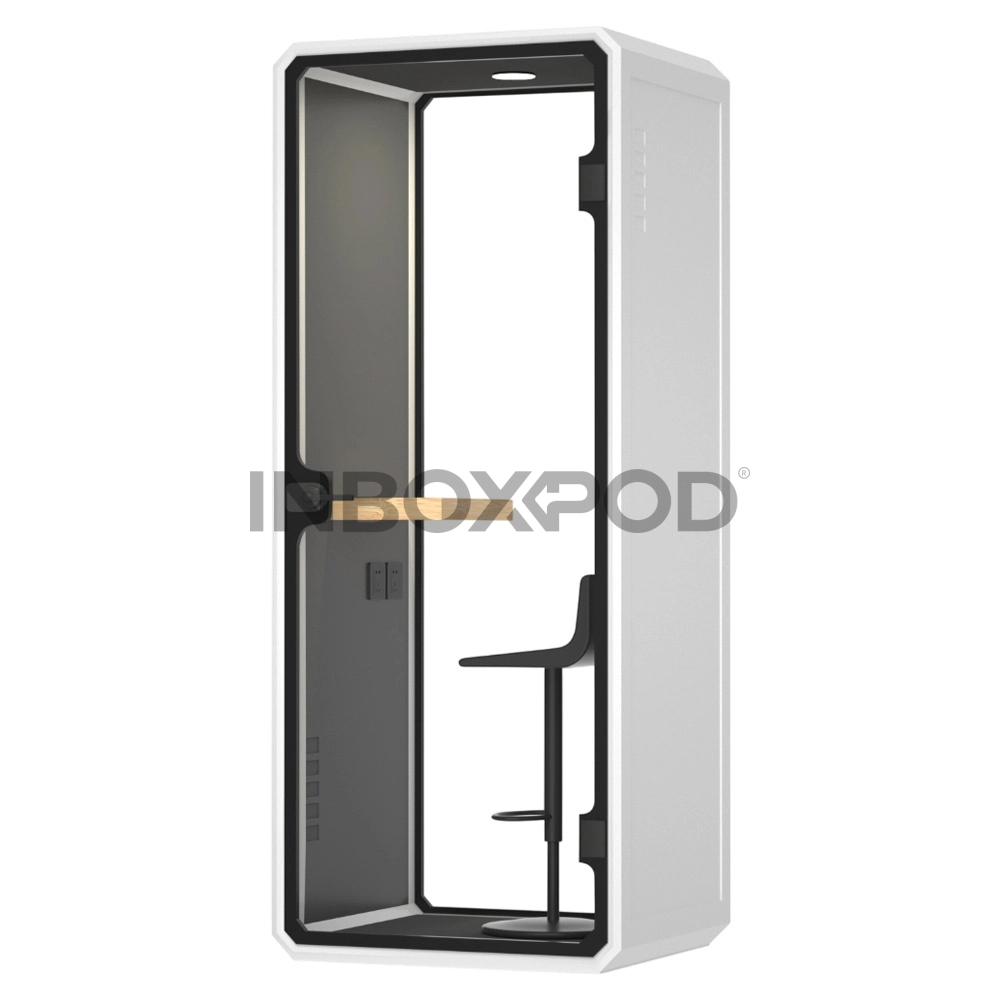
Silence Booth/Office pod Prefabricated V series-S size
Built with high-performance acoustic materials and a modular prefabricated structure, it offers excellent sound insulation, fast installation, and efficient space utilization.
Whatsapp: +8613535292957