
Procurement Checklist: Soundproof Booths for Libraries
- Procurement Checklist: Soundproof Booths for Libraries
- Why libraries need a dedicated soundproof booth solution
- 1. Define use-cases and capacity requirements (soundproof booth planning)
- 2. Acoustic performance: dB reduction and speech privacy (soundproof booth acoustics)
- 3. Ventilation and indoor air quality (IAQ) requirements
- 4. Fire and safety compliance (soundproof booth safety)
- 5. Accessibility and universal design (soundproof booth accessibility)
- 6. Size, interior layout, and ergonomics (soundproof booth design)
- 7. Power, data, and technology integration (soundproof booth tech readiness)
- 8. Materials, durability, and maintenance (soundproof booth lifecycle)
- 9. Aesthetics and integration with library spaces (soundproof booth aesthetics)
- 10. Installation, logistics, and space planning (soundproof booth installation)
- 11. Budgeting, total cost of ownership, and ROI (soundproof booth budget)
- 12. Supplier evaluation and warranties (soundproof booth supplier selection)
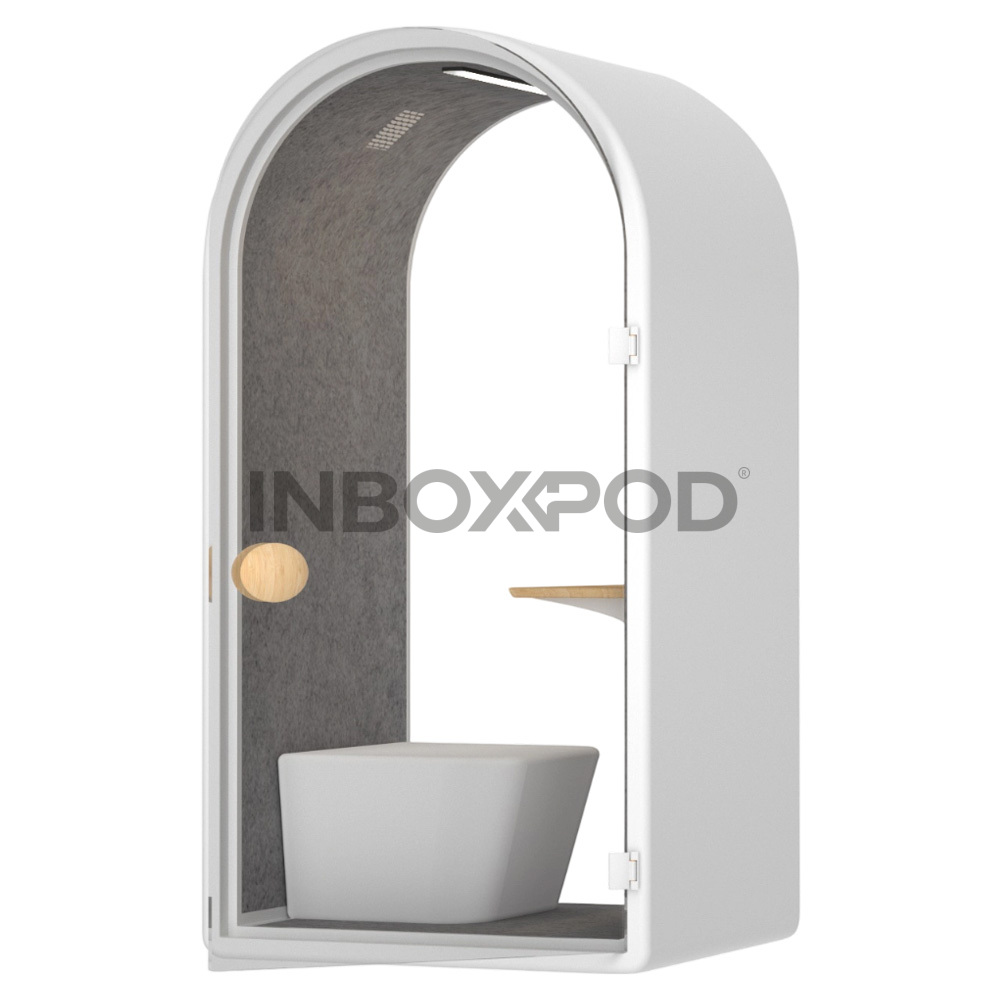
- Product spotlight: INBOXpod Soundproof Study Pod (balancing aesthetics and practicality)
- Comparison table: Typical soundproof booth options for libraries
- 13. Procurement steps and contract language recommendations (soundproof booth purchasing)
- 14. Acceptance testing and commissioning (soundproof booth validation)
- FAQ — Frequently Asked Questions about soundproof booths for libraries
- Q: How much noise reduction do I need for a library soundproof booth?
- Q: Will a glass front reduce acoustic performance?
- Q: Can booths be relocated later?
- Q: Are soundproof booths safe for longer occupancy?
- Q: How do I justify the cost to stakeholders?
- Contact and next steps — see the INBOXpod solution
- Authoritative references and further reading
Procurement Checklist: Soundproof Booths for Libraries
Why libraries need a dedicated soundproof booth solution
Libraries are evolving from quiet book repositories into multifunctional community centers that host studying, tutoring, recording, and small-group collaboration. A soundproof booth provides a flexible, private micro-environment for individual study, interviews, voice recording, or confidential conversations. When you search for a 'soundproof booth' for libraries, you're buying more than acoustic isolation: you're investing in user experience, space efficiency, and long-term operational reliability. This checklist helps procurement teams make evidence-based decisions that balance acoustics, safety, accessibility, aesthetics, and budget.
1. Define use-cases and capacity requirements (soundproof booth planning)
Begin with a clear definition of how the soundproof booth will be used. Typical library use-cases include silent individual study, tutor-student sessions, phone/video calls, oral history recording, and content creation. Each use-case has slightly different requirements:
- Individual focused study: seating, small desk, power outlets, task lighting.
- Phone/video calls and interviews: acoustic privacy, good internal lighting, webcam-friendly interiors.
- Recording/podcasting: higher acoustic treatment and interior dampening, professional microphone mounts.
- Small meetings: seating for 2–4 people, ventilation and fire safety compliance.
Estimate daily occupancy and peak usage to decide how many booths are required and their optimal placement in the library floor plan. Embedding 'soundproof booth' in planning conversations helps align vendor proposals with library objectives.
2. Acoustic performance: dB reduction and speech privacy (soundproof booth acoustics)
Acoustic performance is the most important technical metric. Look for laboratory and field-tested ratings such as insertion loss (dB attenuation) and Speech Transmission Index (STI) when evaluating booths. For libraries, a practical target is at least 25–30 dB insertion loss between inside and adjacent noisy spaces; 30 dB provides strong privacy for phone/video calls and quiet study.
Example: INBOXpod Soundproof Study Pod - Home Third Space for Quiet Focus, Balancing Aesthetics and Practicality offers 30 dB noise reduction, making it suitable for most library quiet-use scenarios. Verify the vendor's test reports (third-party preferred) and ask how performance varies with door seals, ventilation openings, and installed furniture.
3. Ventilation and indoor air quality (IAQ) requirements
Soundproof booths are enclosed spaces. Adequate ventilation is mandatory for occupant comfort and code compliance. Specify a mechanical ventilation system that provides continuous fresh-air exchange, quiet operation (<30 dB internal noise ideally), and filtration appropriate for your environment. ASHRAE references and local building codes should guide airflow rates.
Checklist items:
- Continuous fresh air supply and exhaust with controlled noise levels.
- Filter rating (MERV) if air quality concerns exist.
- CO2 monitoring recommendations for high-occupancy booths.
4. Fire and safety compliance (soundproof booth safety)
Ensure all booths comply with local fire codes and have appropriate materials, egress, and detection systems. Important considerations:
- Fire-resistance rating of materials and flame-retardant certificates.
- Smoke detectors and compatibility with the library's alarm system.
- Emergency release mechanisms on doors, clear signage, and lighting.
Request documentation and third-party certification from suppliers and include acceptance tests as part of procurement contracts.
5. Accessibility and universal design (soundproof booth accessibility)
Booths must meet ADA or equivalent accessibility requirements: door width, threshold height, maneuvering space, reachable controls and seating options. Consider at least one fully accessible booth per library floor or per cluster of standard booths.
6. Size, interior layout, and ergonomics (soundproof booth design)
Select booth sizes based on intended use: single-user study, two-person interview, or small-group collaboration. Interior ergonomics are crucial for user comfort — adjustable seating, proper desk height, and cable management. Lighting should be even and glare-free, with color temperature suitable for study (3500–5000K recommended).
7. Power, data, and technology integration (soundproof booth tech readiness)
Booths should be equipped with sufficient power outlets, USB charging, Ethernet ports (or robust Wi‑Fi access), and optional A/V features like integrated lighting, microphone mounts, or video conferencing equipment. Plan for cable routing and surge protection. Ask vendors whether the booth supports easy retrofitting for future tech upgrades.
8. Materials, durability, and maintenance (soundproof booth lifecycle)
Libraries are high-use public environments. Evaluate materials for wear resistance, stain resistance, and ease of cleaning. Look at replaceable acoustic panels and modular components for economical long-term maintenance. Request expected lifecycle data and typical maintenance tasks from suppliers.
9. Aesthetics and integration with library spaces (soundproof booth aesthetics)
Booths should match your library's visual identity and wayfinding. Acoustic booths can be design-forward elements — choose finishes, colors, and glazing options that make booths inviting while avoiding overly reflective surfaces. For glass panels, consider acoustic laminated glass to combine transparency and sound isolation.
10. Installation, logistics, and space planning (soundproof booth installation)
Determine whether the booth is delivered modular and assembled on-site or requires craning. Consider floor loading, elevator access, door clearances, and temporary closure needs during installation. Include timelines and staging areas in procurement specifications. Get a detailed installation plan from vendors, including required site preparation.
11. Budgeting, total cost of ownership, and ROI (soundproof booth budget)
Beyond purchase price, account for shipping, installation, power, ventilation connection, maintenance, and replacement parts. Estimate total cost of ownership over 5–10 years and consider ROI metrics: increased patron satisfaction, new program revenue, improved seat utilization, or reduced complaints about noise.
12. Supplier evaluation and warranties (soundproof booth supplier selection)
Evaluate vendors on product testing, warranties, installation support, and service networks. Key procurement criteria:
- Third-party acoustic test reports and certifications.
- Clear warranty terms for structure, acoustic materials, ventilation, and electrical components.
- References from other libraries or educational institutions.
- Availability of spare parts and local service technicians.
Product spotlight: INBOXpod Soundproof Study Pod (balancing aesthetics and practicality)
INBOXpod Soundproof Study Pod - Home Third Space for Quiet Focus, Balancing Aesthetics and Practicality is designed for private quiet use with a claimed 30 dB noise reduction, an integrated fresh air system, and a modern aesthetic suitable for public spaces that prioritize both form and function. For libraries seeking single-user or small-group pods that blend into contemporary interiors, INBOXpod can be considered when it meets local safety and accessibility requirements. Verify vendor-supplied test reports and site-specific installation needs before purchase.
Comparison table: Typical soundproof booth options for libraries
| Model / Type | Typical dB Reduction | Occupancy | Ventilation | Estimated Price Range (USD) | Best for |
|---|---|---|---|---|---|
| INBOXpod Soundproof Study Pod | 30 dB | 1–2 | Integrated fresh air system | 5,000–10,000 | Individual study, calls, quiet focus |
| Modular 2-person booth (commercial) | 25–30 dB | 2 | HVAC tie-in or inbuilt fan | 7,000–12,000 | Small meetings and interviews |
| High-performance recording booth | 35–50 dB | 1 | Specialized silent ventilation required | 15,000+ | Professional audio recording |
Note: Prices vary by region, configuration, and additional options.
13. Procurement steps and contract language recommendations (soundproof booth purchasing)
Draft an RFP that includes required acoustic performance metrics, ventilation specifications, safety compliance, accessibility features, warranty terms, installation timeline, and acceptance testing procedures. Ask vendors to provide:
- Third-party acoustic test reports and methodology.
- Detailed drawings and installation plans.
- Maintenance manuals and spare-parts lead times.
- References from installations in public or educational settings.
14. Acceptance testing and commissioning (soundproof booth validation)
Acceptance should include on-site acoustic verification (using the same methodology as the vendor's test report), ventilation airflow and noise measurements, and functional checks of doors, lighting, and electrical systems. Include a commissioning checklist in the contract and retain a portion of payment until successful commissioning is completed.
FAQ — Frequently Asked Questions about soundproof booths for libraries
Q: How much noise reduction do I need for a library soundproof booth?
A: For most library uses, target 25–30 dB insertion loss. This level offers audible separation from general library noise and privacy for conversations. For professional recording, aim higher (35–50 dB) with specialized booths.
Q: Will a glass front reduce acoustic performance?
A: Standard glass reduces performance compared to fully solid walls, but acoustic laminated or double-glazed laminated glass can provide both visibility and significant sound isolation when correctly specified.
Q: Can booths be relocated later?
A: Many modern booths are modular and can be disassembled and reinstalled, but relocation costs and site preparation should be considered. Confirm modularity and relocation support with the vendor.
Q: Are soundproof booths safe for longer occupancy?
A: Yes, if properly ventilated, compliant with fire/safety regulations, and designed with emergency egress. Always require ventilation specs and safety certifications in procurement documents.
Q: How do I justify the cost to stakeholders?
A: Build a simple ROI model estimating improved seat utilization, increased program revenue, reduced complaints, and increased patron satisfaction. Include qualitative benefits such as enhanced reputation and expanded service offerings.
Contact and next steps — see the INBOXpod solution
Ready to evaluate a soundproof booth for your library? Contact the INBOXpod sales team or request an on-site demo to assess fit, acoustics, and installation needs. For procurement guidance, ask vendors for third-party acoustic reports and a detailed installation plan tailored to your site. To learn more about the INBOXpod Soundproof Study Pod and request specifications, contact your vendor representative or visit their product page.
Once you have reviewed institutional procurement requirements, the next step is to evaluate acoustic specifications for educational settings—especially where speech privacy and classroom noise control matter. Continue with:
Acoustic Specs: Choosing a Soundproof Booth for Schools
Authoritative references and further reading
- Soundproofing — Wikipedia
- ISO 717 — Acoustics (overview) — ISO
- ASHRAE Standards and Guidelines (ventilation & indoor air quality)
- National Fire Protection Association (NFPA)
- American Library Association — Facilities & Building Resources
Disclaimer: Product names and specifications mentioned are examples to illustrate procurement considerations. Always verify the latest product data, certifications, and local code compliance with the manufacturer and local authorities before purchase.
Inboxpod Soundproof Double-Bed Small Oxygen Pod — Quiet Recovery & Rest
Bulk Buying Strategies for INBOXpod: Distributors & Resellers
Mobility and Relocation: Moving a Prefabricated Office Pod
ROI of Installing Silence Booths: Productivity and Privacy
Home-demo
What is the typical sound insulation level of your acoustic booths?
Our booths typically achieve up to 27 dB noise reduction, meeting Class B sound insulation standards suitable for offices and study environments.
Do you provide after-sales support and warranty?
Yes, we provide comprehensive after-sales service and warranty to ensure long-term satisfaction with our products.
How long does it take to assemble an INBOXpod booth?
Most of our booths can be assembled without tools in about 30 minutes, making installation quick and hassle-free.
Can the booths be customized to fit specific space requirements?
Yes, we offer flexible customization options including size, color, and additional features to perfectly suit your needs.
What materials are used in the construction of the booths?
Our booths are made from sustainable, high-quality materials including aluminum alloy frames and acoustic panels designed for optimal soundproofing.
INBOXpod Double Seat Soundproof Oxygen Pod
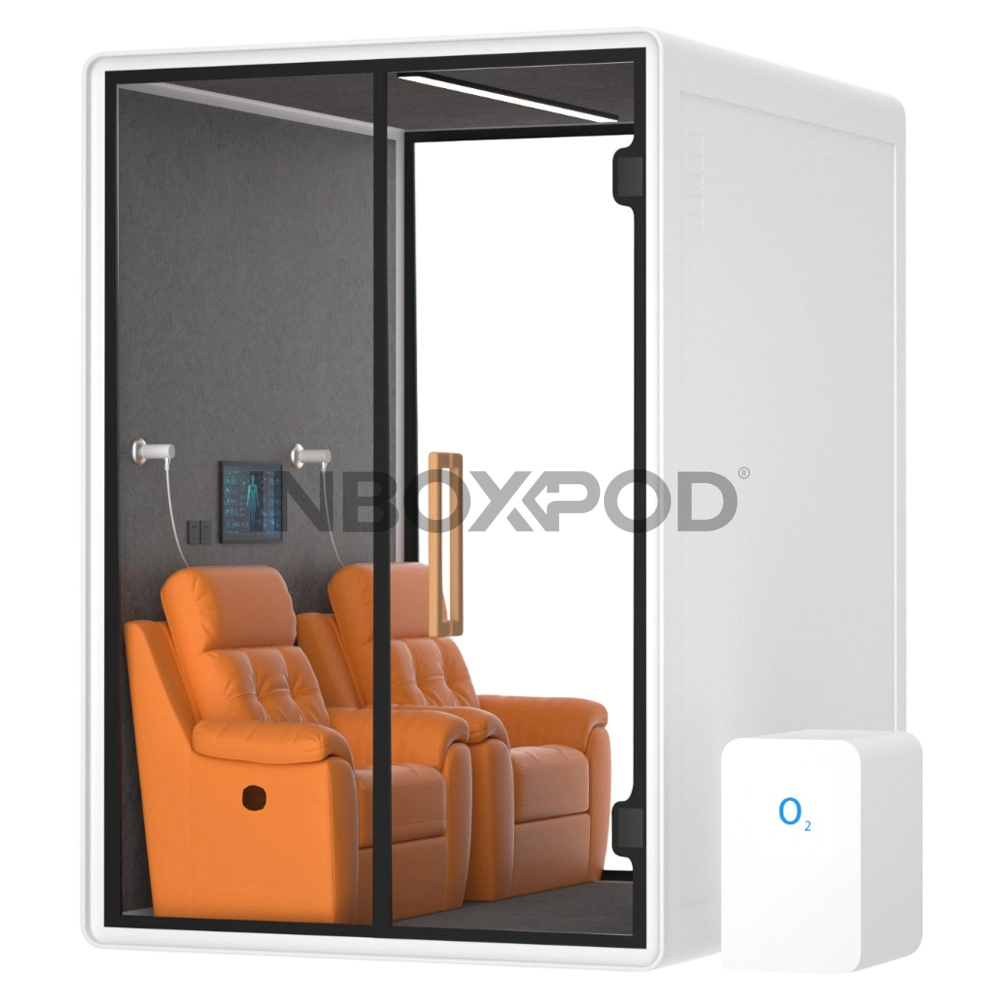
An oxygen therapy space customized for double social interaction and health, with a double-seat design to promote a win-win situation for interaction and health. External size: W1600×D1929×H2300 mm; internal size: W1466×D1854×H2166 mm. You can improve cardiovascular function and concentration through oxygen therapy with friends and colleagues in a quiet and efficient acoustic environment, making health and social interaction complement each other.
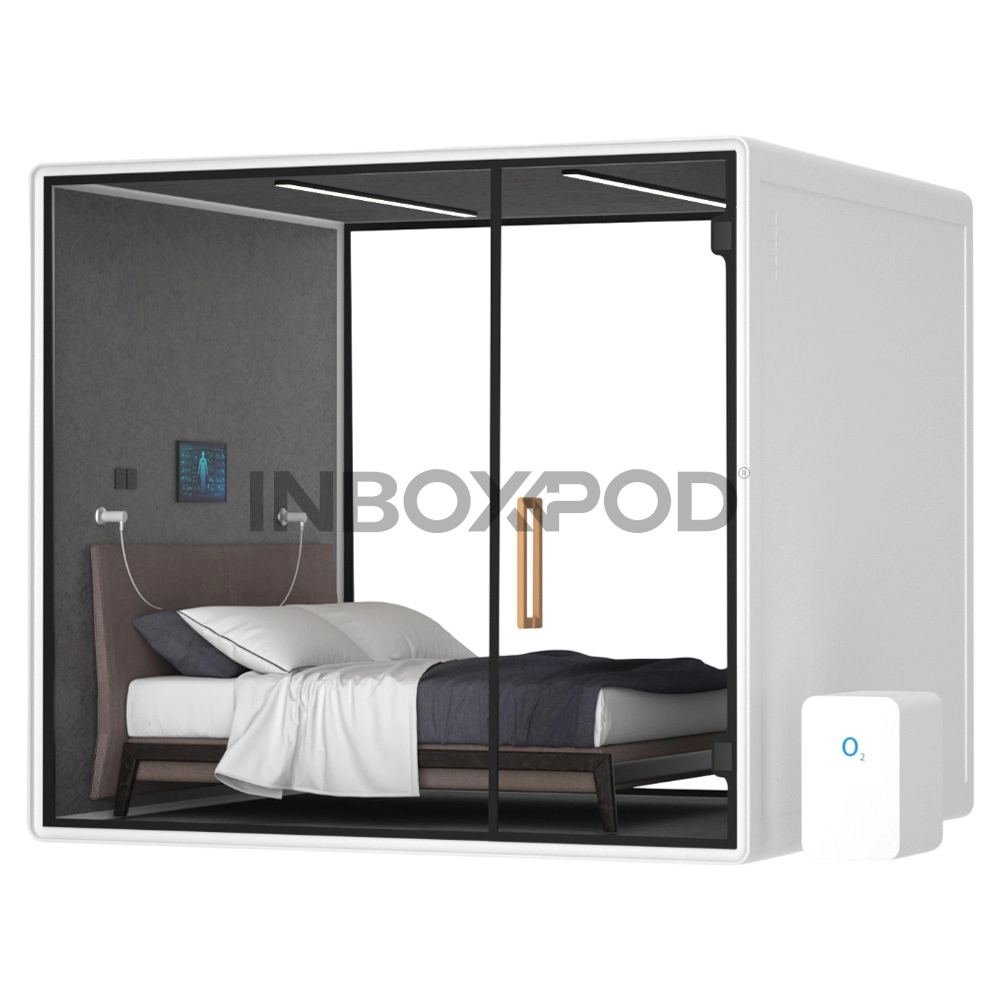
INBOXpod Soundproof Double Bed (small) Oxygen Pod
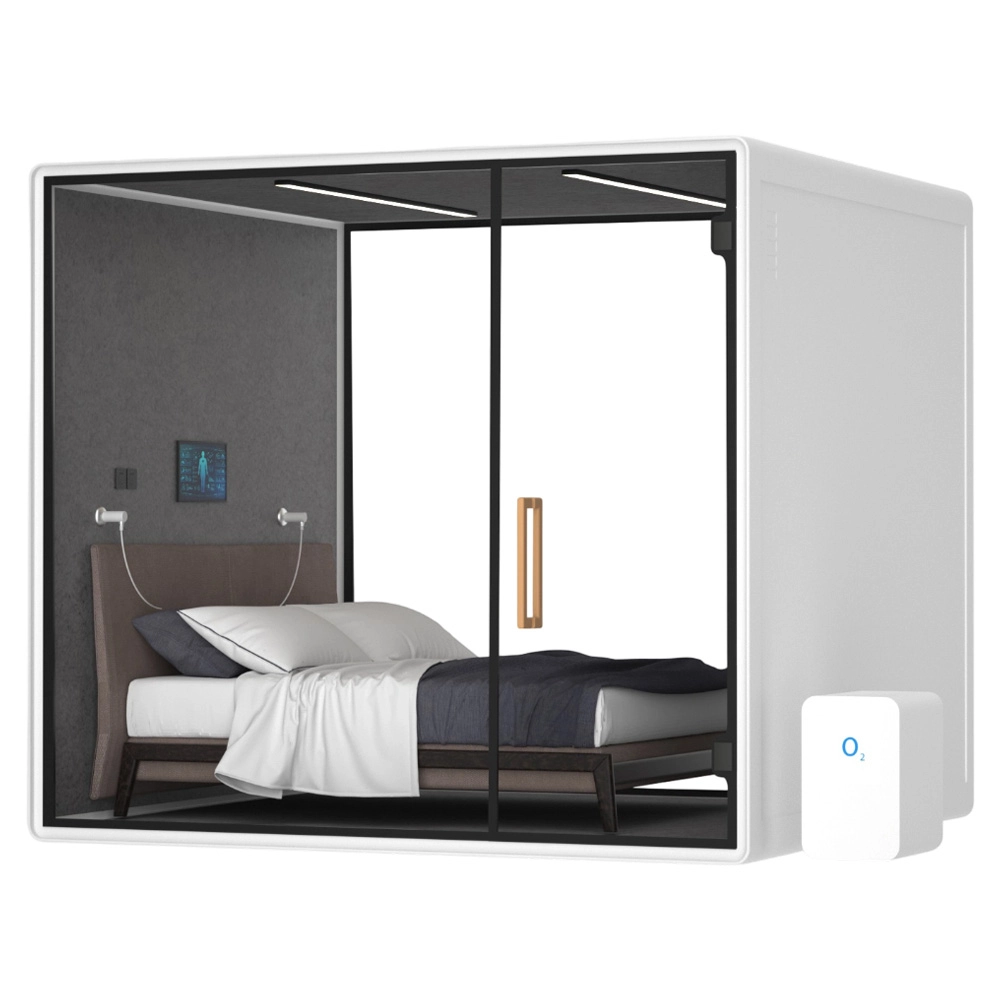
A double oxygen therapy option that balances space and experience, with a small double-bed layout suitable for various scenarios. External size: W2300×D1854×H2300 mm; internal size: W2300×D1929×H2300 mm. You can share the high-oxygen environment here with relatives and friends, relieve stress, improve physical fitness, and gain health and vitality in company.
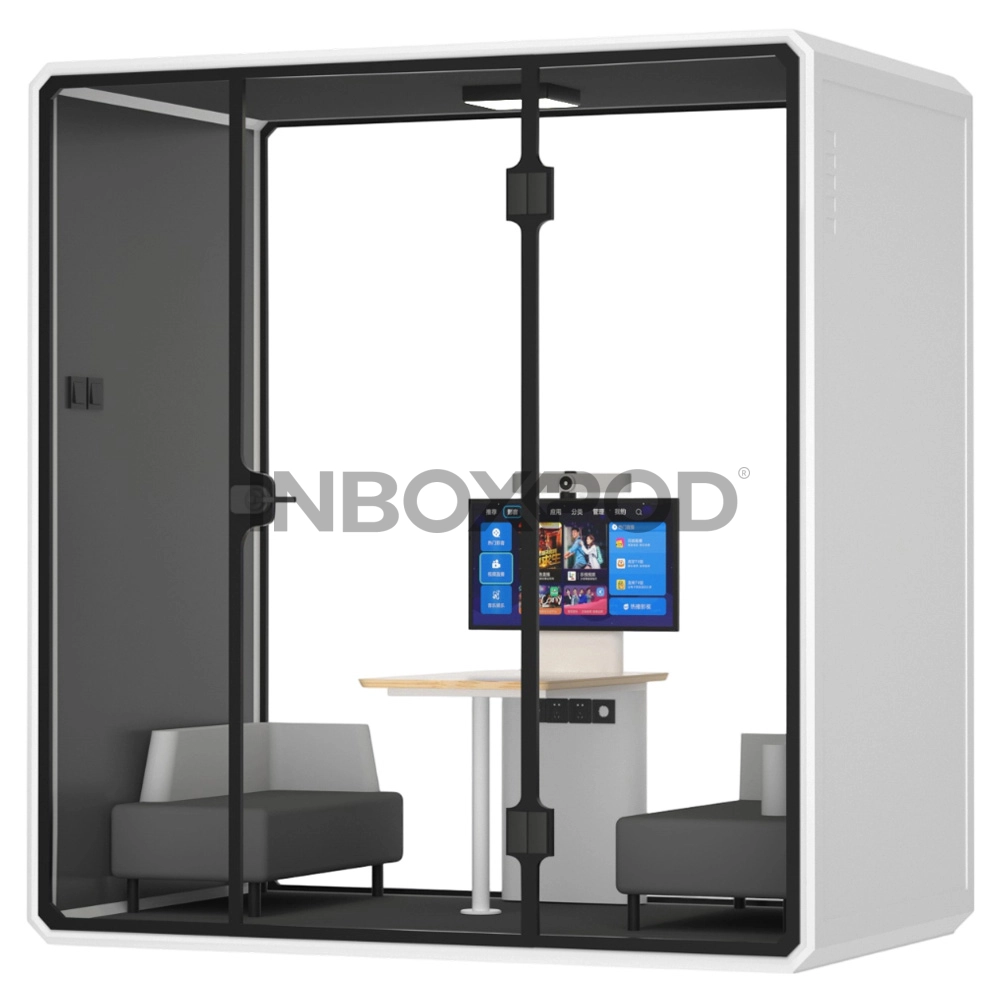
Silence Booth/Office Pod Prefabricated V series-L size
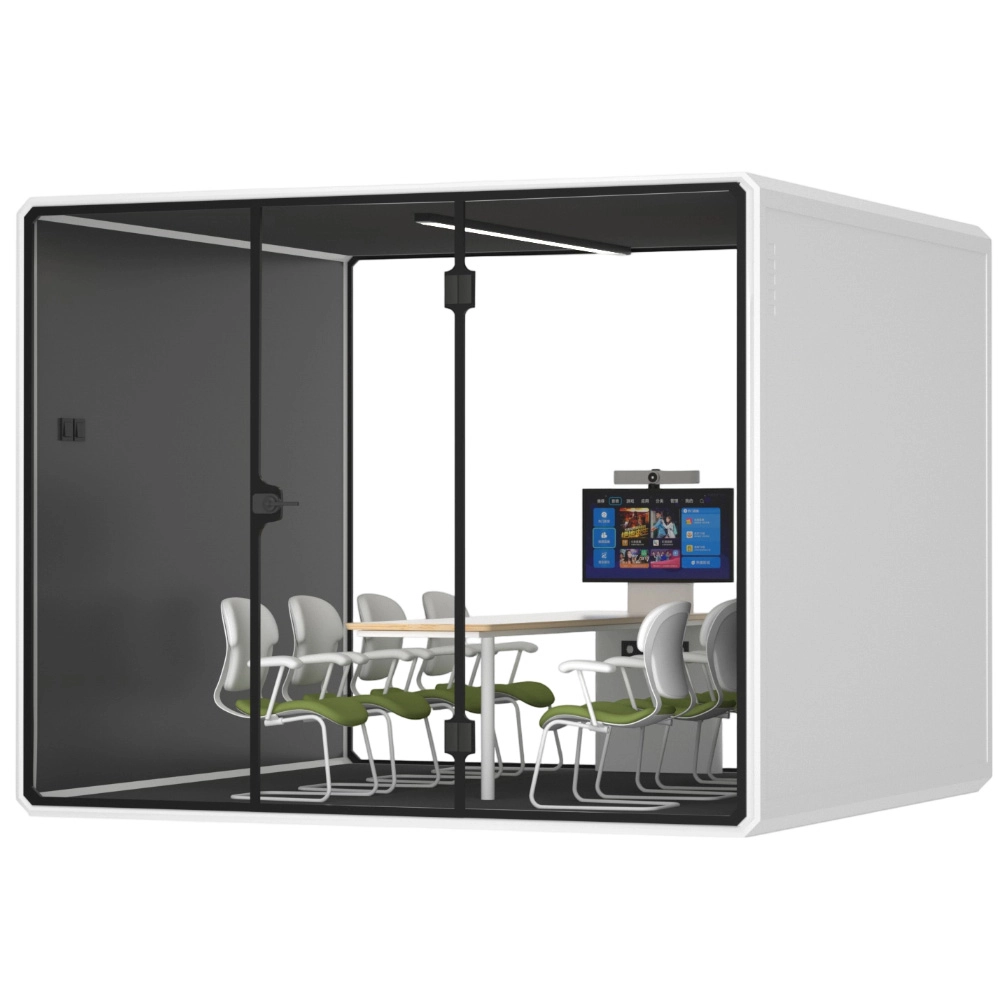
Designed for team collaboration and small meetings, the L-size booth provides a comfortable and acoustically optimized space for 4–6 people. With premium sound insulation, efficient ventilation, and integrated lighting and power systems, it ensures focus, privacy, and productivity—even in the busiest open offices.
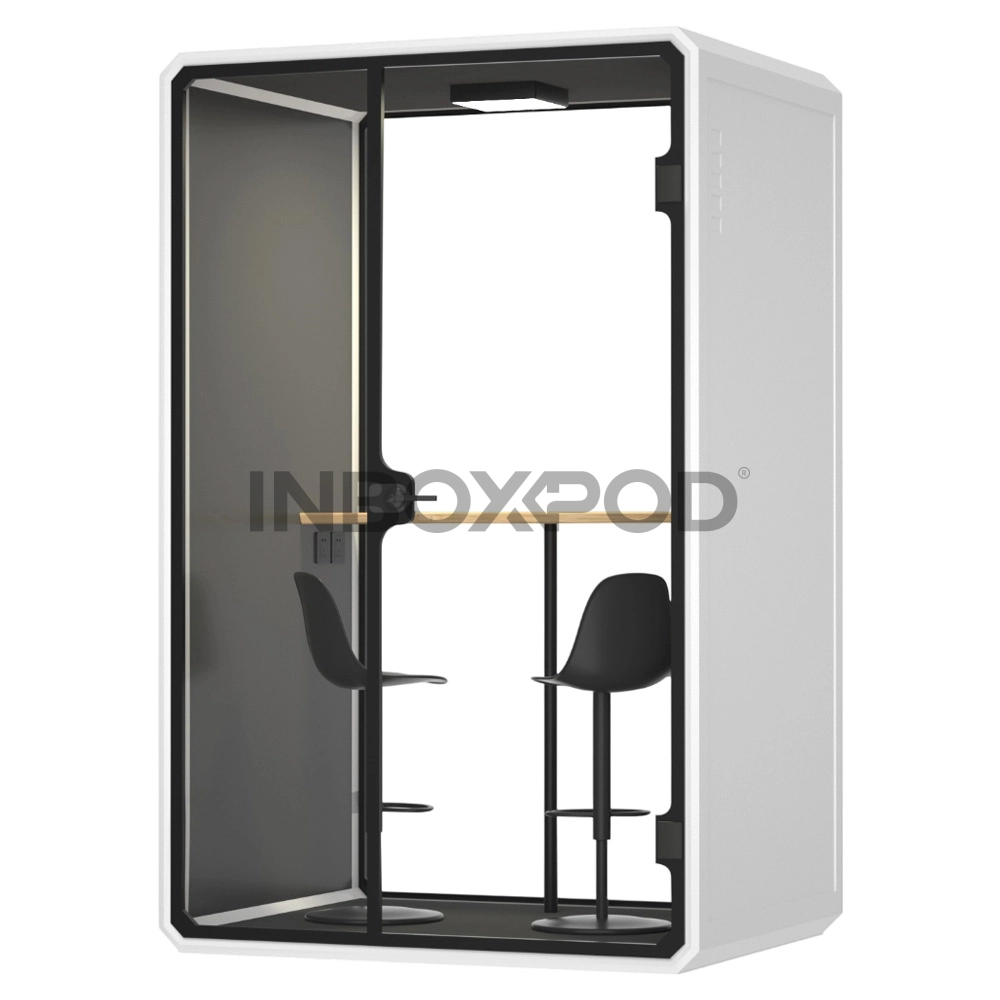
Silence Booth/Office pod Prefabricated V series - M size
Ideal for two-person discussions or focused solo work, the M-size booth offers a balanced mix of privacy and flexibility. Its advanced acoustic panels reduce external noise effectively, while the smart ventilation and lighting systems create a comfortable, quiet environment for calls, meetings, or concentrated tasks.
Whatsapp: +8613535292957