
Safety and Fire Ratings for Prefabricated Office Pods
- How fire safety standards apply to prefabricated office pods
- Key international standards and what they mean
- Common tests and classifications
- Why standards matter for office phone booths
- Materials, construction and fire performance of the Silence Booth V series-XXL size
- Product overview: Silence Booth/Office pod Prefabricated V series-XXL size
- Core materials and their fire ratings
- Acoustic treatments vs fire performance: balancing priorities
- Installation, active protection, and compliance in occupied buildings
- Integration with building fire protection systems
- Active systems: smoke detection, suppression and ventilation
- Labeling, certification and documentation
- Risk assessment, maintenance and practical best practices
- Performing a pod-specific fire risk assessment
- Routine maintenance and safety checks
- Emergency procedures and occupant training
- Comparative overview: fire tests and material classes
- FAQ — Safety and Fire Ratings for Prefabricated Office Pods
- Q: Are prefabricated office pods required to have the same fire rating as the host building?
- Q: What is the single most important specification to request from a pod manufacturer?
- Q: Can acoustic foam be fire-safe?
- Q: Does the XXL Silence Booth require sprinklers?
- Q: How often should pod penetrations (cable, HVAC) be inspected for firestopping?
- Q: Can we retrofit an existing pod to improve fire safety?
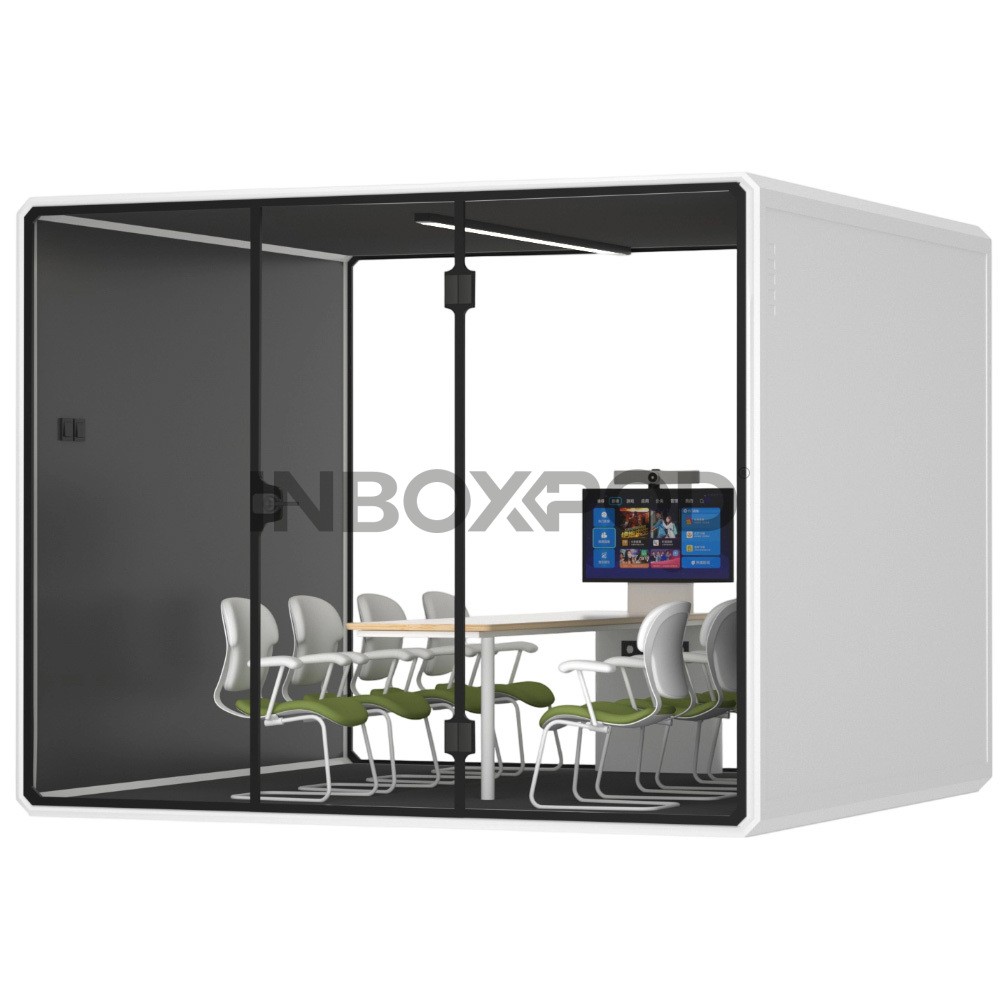
The rapid adoption of prefabricated office pods and office phone booths in modern workplaces raises important questions about fire safety, material flammability, and regulatory compliance. This article explains how international standards and practical design choices apply to modular acoustic rooms like the Silence Booth/Office pod Prefabricated V series-XXL size, and provides actionable guidance for architects, facility managers, safety officers and procurement teams to ensure pods meet or exceed safety and fire-rating expectations.
How fire safety standards apply to prefabricated office pods
Key international standards and what they mean
Prefabricated office pods are judged against several internationally recognized standards that assess reaction-to-fire, smoke development and material flammability. The most relevant authorities include ISO, the National Fire Protection Association (NFPA), and testing laboratories such as UL. For an accessible overview of fire safety principles and testing, see the Fire safety entry on Wikipedia.
Common tests and classifications
Typical tests used for pod components include: EN 13501-1 (European reaction-to-fire classification), ASTM E84 (surface burning characteristics / flame spread index), UL 94 (flammability of plastics), and NFPA methodologies for smoke and flame spread in buildings. These tests evaluate different behaviors: flame spread across surfaces, how materials contribute to fire growth, heat release rates, and smoke toxicity. Understanding each test helps specify materials that balance acoustic performance with low fire risk.
Why standards matter for office phone booths
Office phone booths and larger pods are standalone spaces placed within a larger occupied building. Their materials, joints, and integrated systems (lighting, HVAC, power) can influence building fire-safety strategies. Compliance with recognized standards simplifies permitting and reduces liability by demonstrating that pods meet established performance thresholds for reaction to fire and smoke production.
Materials, construction and fire performance of the Silence Booth V series-XXL size
Product overview: Silence Booth/Office pod Prefabricated V series-XXL size
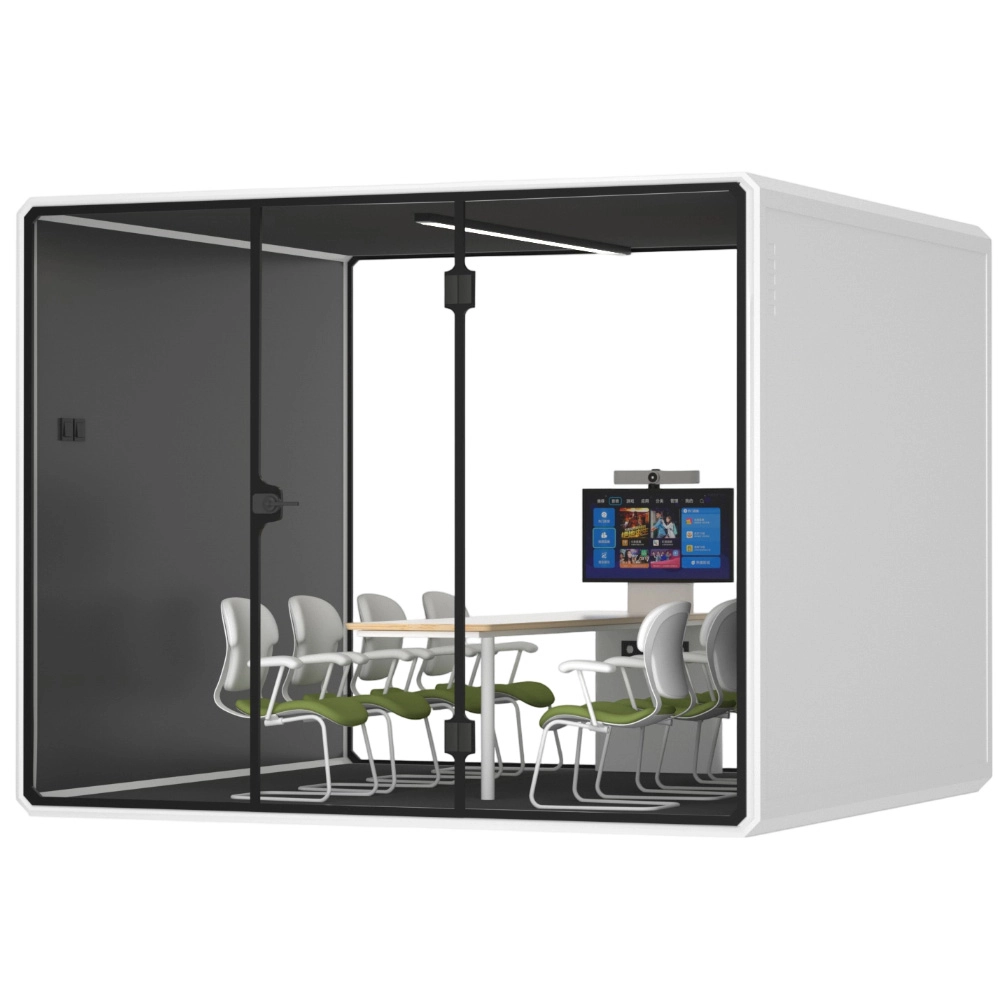
The XXL-size booth is a High Quality modular acoustic room designed for larger teams and dynamic discussions. With ample interior space for 6–10 people, it provides exceptional sound insulation, effective air circulation, and integrated lighting to ensure comfort during long meetings. Ideal for boardroom sessions, client presentations, and collaborative brainstorming, the XXL booth creates a quiet and productive environment within any workspace.
Core materials and their fire ratings
Prefabricated pods typically combine structural frames, composite panels, insulation, interior finishes (fabric or wood veneer), glazing and seals. Each element should be selected and tested to meet a required fire classification. Examples:
- Structural frame: steel or aluminum (non-combustible when exposed).
- Panel cores and facings: mineral wool or non-combustible honeycomb cores are preferred for high fire resistance; some polymer cores need UL 94 or EN class approval.
- Insulation: mineral wool has superior reaction-to-fire properties compared with many foams.
- Interior textiles and acoustic foam: must meet textile flammability standards (e.g., NFPA 701) or be treated to achieve acceptable ratings.
When specifying the Silence Booth V series-XXL, prioritize non-combustible or low-flame-spread materials and verify test reports for each component.
Acoustic treatments vs fire performance: balancing priorities
Acoustic foams and fabrics improve sound isolation but can worsen flammability if untreated. Manufacturers mitigate this by using inherently fire-retardant fibres, applying intumescent coatings, or using mineral-based acoustic panels. For large office phone booths and XXL pods, request material data sheets and third-party test certificates to confirm both acoustic and fire performance.
Installation, active protection, and compliance in occupied buildings
Integration with building fire protection systems
Pods are often installed in open-plan floors. Integration steps to ensure compliance include:
- Confirming the pod location does not block required escape routes or reduce corridor widths below code minimums.
- Ensuring pod penetrations for power, data, and HVAC maintain firestopping integrity at ceiling and floor interfaces.
- Coordinating with building fire alarm systems so smoke detectors, manual call points and strobes cover the pod area if required by code.
Local fire codes and Authorities Having Jurisdiction (AHJ) will have the final say; early coordination minimizes retrofit complexity.
Active systems: smoke detection, suppression and ventilation
Active protection strategies for pods include:
- Dedicated smoke detection or connection to the building alarm, depending on occupancy and local code.
- Automatic suppression (sprinklers) is not always required for small pods but may be mandated for larger enclosed rooms or by building classification.
- Mechanical ventilation should include smoke control considerations and ensure that HVAC integration does not create smoke paths that circumvent building smoke control strategies.
Always consult the local code (e.g., NFPA 101 Life Safety Code in the U.S.) and the building’s fire engineer to determine exact requirements.
Labeling, certification and documentation
Buyers should request a package of compliance documents: component test reports, full-system fire test (if available), CE/UKCA markings for European markets, and UL listings where applicable. Proper documentation streamlines approval by the AHJ and supports maintenance planning.
Risk assessment, maintenance and practical best practices
Performing a pod-specific fire risk assessment
A focused risk assessment should analyze: occupancy (number of users), intended activities (presentations with AV equipment, catering), ignition sources (charging devices, installed lighting), escape times and proximity to building egress. For the XXL booth used by 6–10 people, assume higher occupancy and higher requirement for detection and emergency lighting.
Routine maintenance and safety checks
Maintain a clear schedule for:
- Checking seals and firestopping at every service penetration annually.
- Testing integrated smoke detectors and alarm connections according to building schedules.
- Inspecting interior finishes for wear that could expose untreated combustible substrates; replace or re-treat as needed.
Emergency procedures and occupant training
Because pods are enclosed, the emergency plan should include quick evacuation guidance, location of nearest exits, and instructions for alarm response. Train frequent users (reception, IT, facilities) on alarm recognition and safe evacuation from the pod, and affix visible signage about maximum occupancy and emergency exit routes.
Comparative overview: fire tests and material classes
The table below summarizes common fire rating systems and typical expectations for pod components. Use this as a reference when reviewing supplier documentation.
| Test / Standard | What it measures | Typical target for pods |
|---|---|---|
| EN 13501-1 | Reaction to fire (Europe): classes A1, A2, B, C, D, E, F | Preferably A2-s1,d0 or B-s1,d0 for visible surfaces; A1 for structural non-combustible parts |
| ASTM E84 (UL 723) | Surface burning characteristics: Flame Spread Index (FSI) and Smoke Developed Index (SDI) | Low FSI (≤25) and low SDI are preferred for interior finishes |
| UL 94 | Plastics flammability (V-0, V-1, V-2) | V-0 rated plastics for any exposed polymer components |
| NFPA 701 | Textile/flame propagation for fabrics | Compliant or treated fabrics for curtains, acoustic panels |
FAQ — Safety and Fire Ratings for Prefabricated Office Pods
Q: Are prefabricated office pods required to have the same fire rating as the host building?
A: Not always. Requirements depend on local building codes, pod size, occupancy and location. Many jurisdictions require pods to meet certain reaction-to-fire and smoke criteria but allow flexibility if active protection (alarms, sprinklers) and firestopping are in place. Always verify with the Authority Having Jurisdiction (AHJ).
Q: What is the single most important specification to request from a pod manufacturer?
A: Ask for third-party test reports for core components (panels, insulation, interior finishes) and any full-system fire test data. These documents show verifiable performance rather than marketing claims.
Q: Can acoustic foam be fire-safe?
A: Yes. Use mineral-based acoustic panels or foams tested to appropriate flammability standards. Some foams are treated with fire retardants; however, treatments can wear off—so prefer inherently fire-resistant materials where possible.
Q: Does the XXL Silence Booth require sprinklers?
A: Whether sprinklers are required depends on local code and the booth’s placement in the building. Because the XXL booth accommodates 6–10 people, many jurisdictions may require detection and possibly connection to the building alarm; sprinklers may be required in certain occupancies. Coordinate with the building fire engineer and AHJ.
Q: How often should pod penetrations (cable, HVAC) be inspected for firestopping?
A: Inspect penetrations annually and after any maintenance that disturbs seals. Keep a log of repairs and replacement of firestop materials.
Q: Can we retrofit an existing pod to improve fire safety?
A: Yes. Retrofitting options include replacing combustible finishes with low-flame-spread materials, adding or upgrading detection and alarm connectivity, improving firestopping, and treating fabrics with approved fire-retardant systems. Work with the pod manufacturer or a qualified fire protection engineer for approved solutions.
If you need help assessing compliance, reviewing test reports, or specifying a prefabricated office pod for your space, contact our safety team for a free consultation. To view the Silence Booth/Office pod Prefabricated V series-XXL size and request documentation, reach out to sales or visit the product page.
Contact us: Email support@yourcompany.com or call +1-800-XXX-XXXX — Request full fire test reports, material safety data sheets, and installation guidance for the V series-XXL.
Case Study: How an XXL Silence Booth Improved Team Focus
Bulk Buying Strategies for INBOXpod: Distributors & Resellers
Maintenance, Warranty & Lifecycle Costs of Soundproof Pods
Comparing INBOXpod vs Modular Booths: What Buyers Need
Home-demo
What materials are used in the construction of the booths?
Our booths are made from sustainable, high-quality materials including aluminum alloy frames and acoustic panels designed for optimal soundproofing.
What is the typical sound insulation level of your acoustic booths?
Our booths typically achieve up to 27 dB noise reduction, meeting Class B sound insulation standards suitable for offices and study environments.
Can the booths be customized to fit specific space requirements?
Yes, we offer flexible customization options including size, color, and additional features to perfectly suit your needs.
How long does it take to assemble an INBOXpod booth?
Most of our booths can be assembled without tools in about 30 minutes, making installation quick and hassle-free.
Do you provide after-sales support and warranty?
Yes, we provide comprehensive after-sales service and warranty to ensure long-term satisfaction with our products.
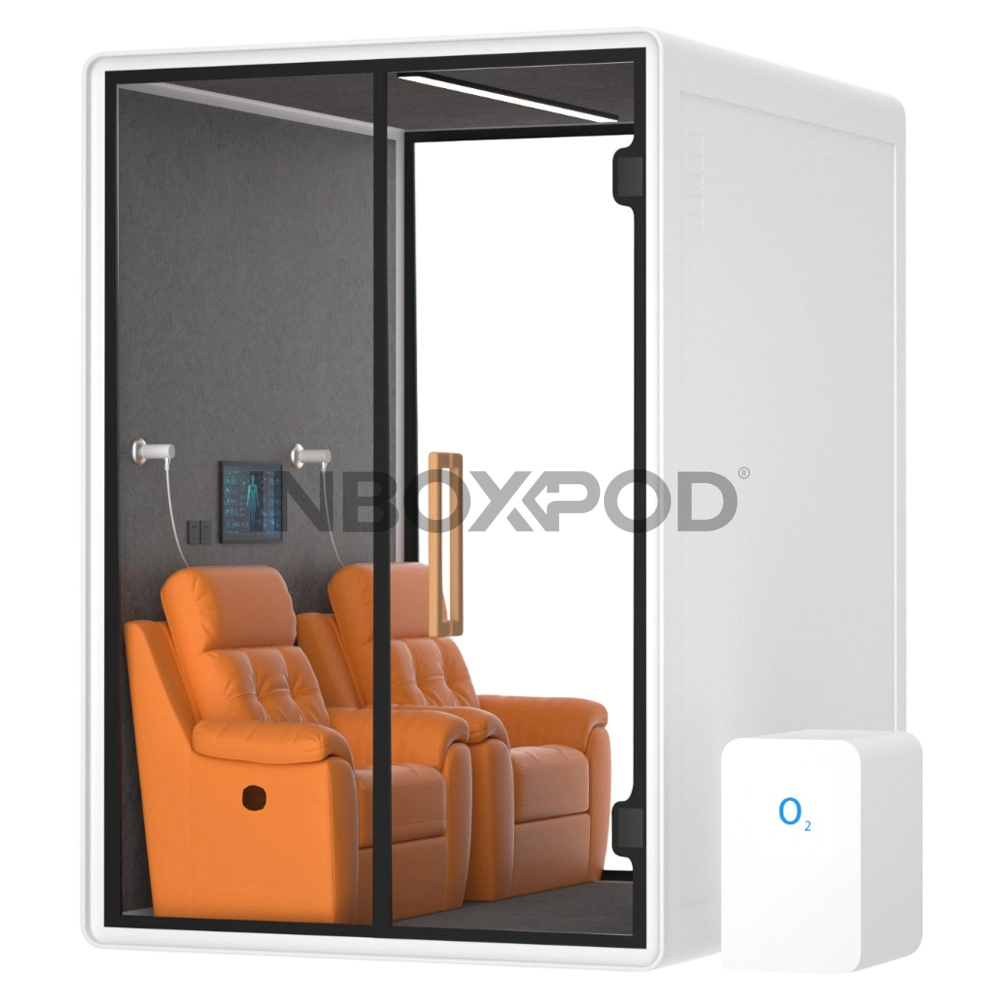
INBOXpod Double Seat Soundproof Oxygen Pod
An oxygen therapy space customized for double social interaction and health, with a double-seat design to promote a win-win situation for interaction and health. External size: W1600×D1929×H2300 mm; internal size: W1466×D1854×H2166 mm. You can improve cardiovascular function and concentration through oxygen therapy with friends and colleagues in a quiet and efficient acoustic environment, making health and social interaction complement each other.
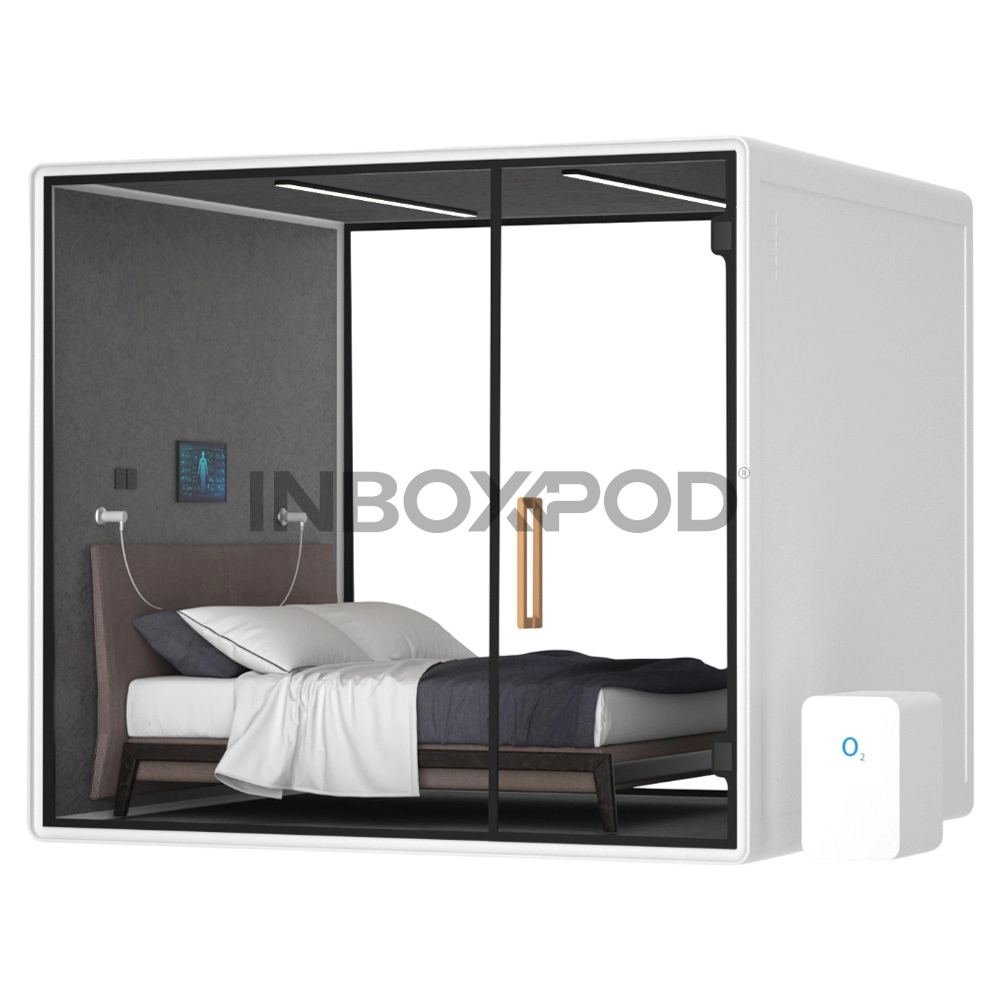
INBOXpod Soundproof Double Bed (small) Oxygen Pod
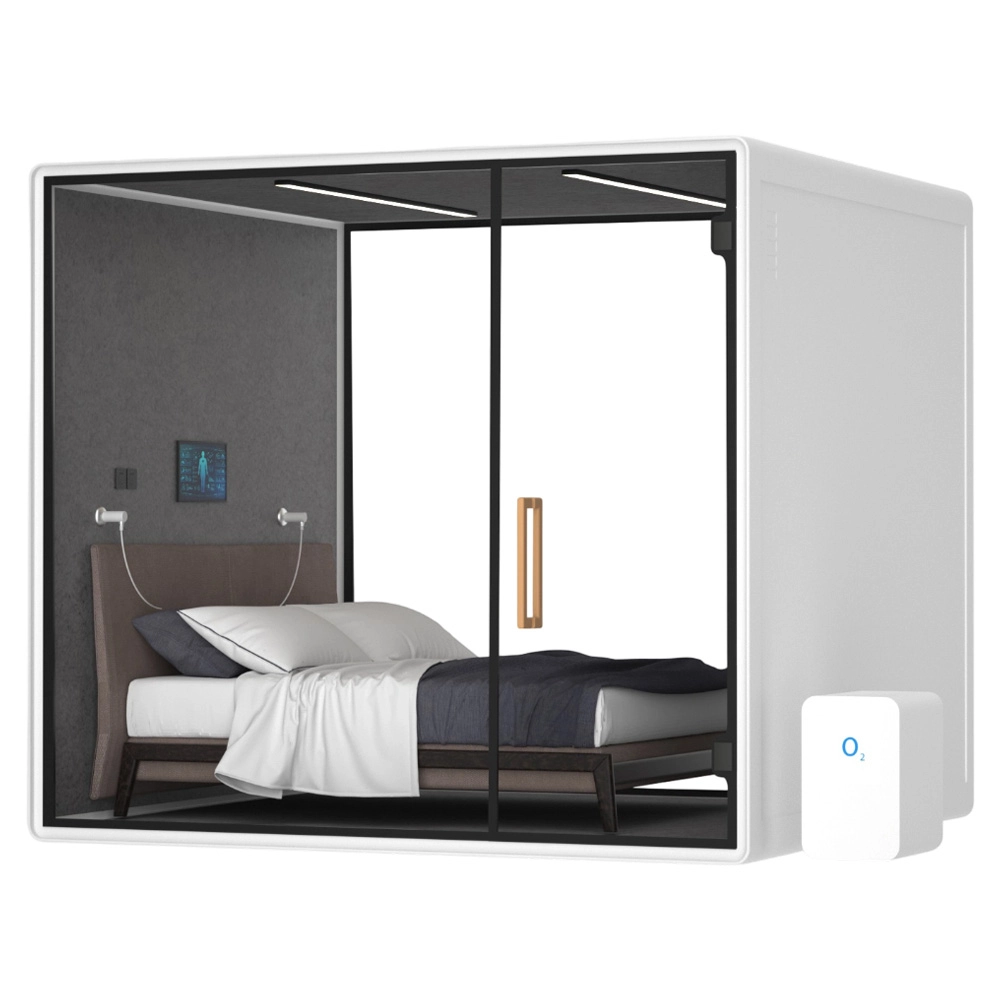
A double oxygen therapy option that balances space and experience, with a small double-bed layout suitable for various scenarios. External size: W2300×D1854×H2300 mm; internal size: W2300×D1929×H2300 mm. You can share the high-oxygen environment here with relatives and friends, relieve stress, improve physical fitness, and gain health and vitality in company.
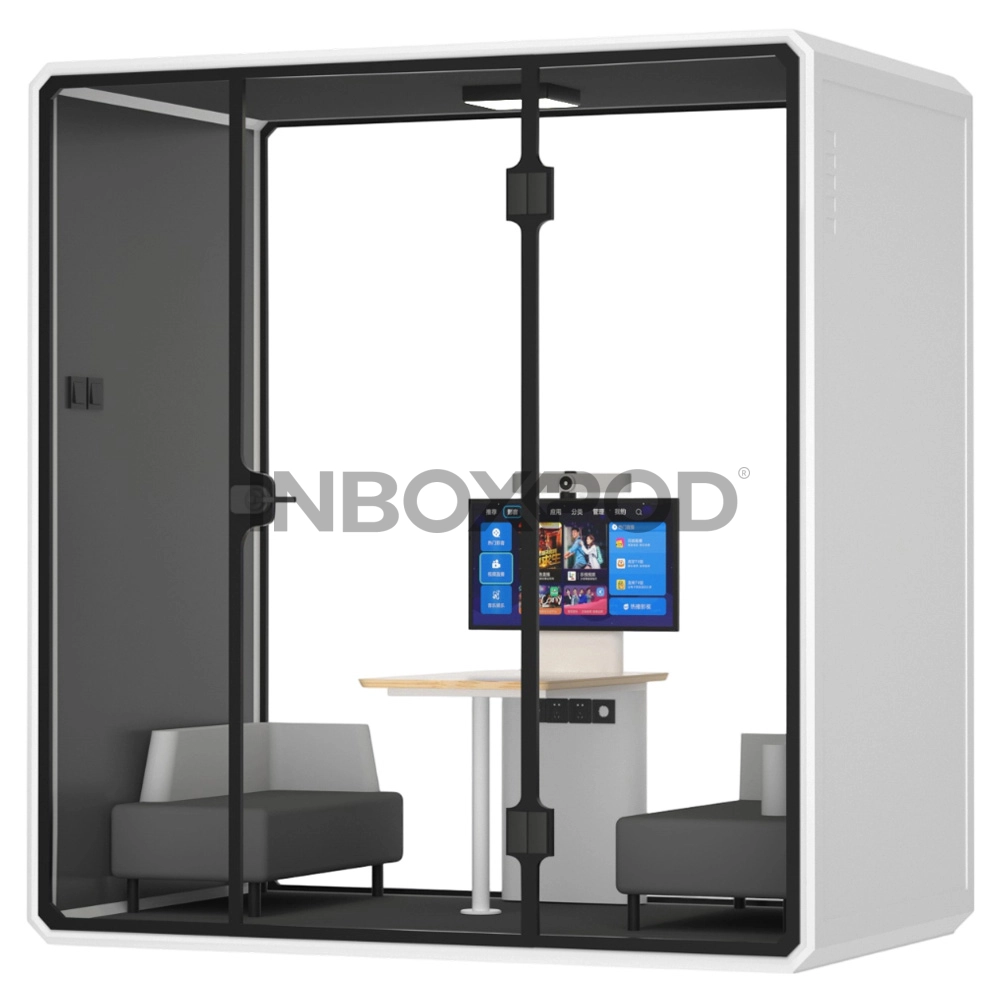
Silence Booth/Office Pod Prefabricated V series-L size
Designed for team collaboration and small meetings, the L-size booth provides a comfortable and acoustically optimized space for 4–6 people. With premium sound insulation, efficient ventilation, and integrated lighting and power systems, it ensures focus, privacy, and productivity—even in the busiest open offices.
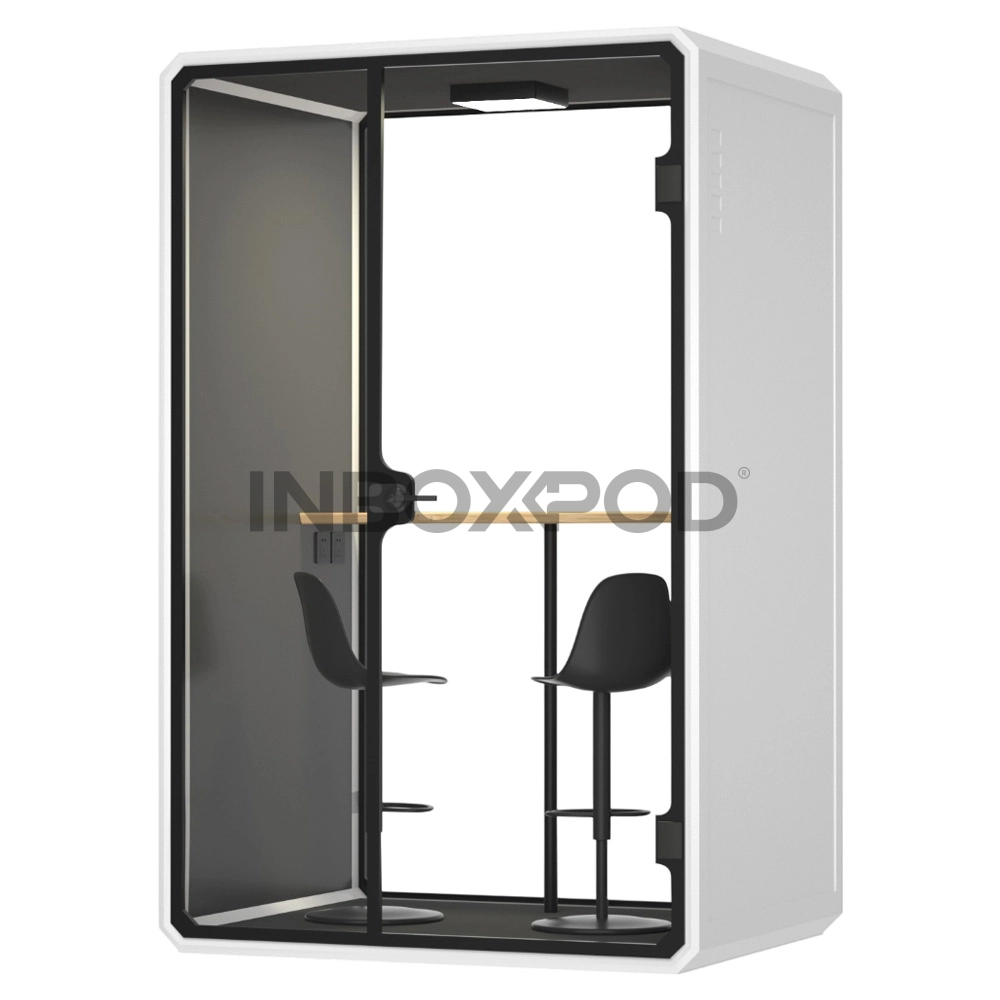
Silence Booth/Office pod Prefabricated V series - M size
Ideal for two-person discussions or focused solo work, the M-size booth offers a balanced mix of privacy and flexibility. Its advanced acoustic panels reduce external noise effectively, while the smart ventilation and lighting systems create a comfortable, quiet environment for calls, meetings, or concentrated tasks.
Whatsapp: +8613535292957