
Supplier Vetting: Choosing a Reliable Oxygen Pod Manufacturer
- Essential Criteria for Vetting Oxygen Pod Manufacturers
- 1. Regulatory Compliance and Certifications
- 2. Materials, Build Quality and Acoustic Performance
- 3. Oxygen System Design and Clinical Safety
- Technical and Safety Standards: What to Verify
- 1. Quality Management and Manufacturing Traceability
- 2. Electrical, Fire and Oxygen Safety Tests
- 3. Acoustic and Environmental Testing
- Operational Considerations and After-Sale Support
- 1. Installation, Commissioning and Site Requirements
- 2. Warranty, Spare Parts and Service Network
- 3. Training, Documentation and Clinical Protocols
- Case Study: INBOXpod Double Seat Soundproof Oxygen Pod — How It Meets Vetting Criteria
- Product Overview
- How INBOXpod Addresses Key Vetting Questions
- Operational Fit: Use Cases and Limitations
- Supplier Questions and a Practical Vetting Checklist
- Essential Questions to Ask Prospective Manufacturers
- Practical On-Site and Pre-Purchase Checks
- References and Standards
- Frequently Asked Questions (FAQ)
- Q1: Is an oxygen therapy pod the same as a hyperbaric chamber?
- Q2: What certifications should I require from a manufacturer?
- Q3: How do I evaluate acoustic performance objectively?
- Q4: What safety risks are associated with oxygen pods and how are they mitigated?
- Q5: How long is typical warranty and support?
When sourcing oxygen therapy units for clinics, workplaces, or wellness centers, procurement teams and facility managers need clear vetting criteria that combine clinical safety, acoustic performance, and manufacturer reliability. This article outlines actionable steps to evaluate suppliers of oxygen health systems hyperbaric chamber–related devices and soundproof oxygen pods, so you can confidently choose a partner who meets regulatory, technical, and operational expectations.
Essential Criteria for Vetting Oxygen Pod Manufacturers
1. Regulatory Compliance and Certifications
A primary step in supplier vetting is verifying that the manufacturer adheres to relevant medical device and safety standards. Although oxygen therapy pods are often used for wellness and non-invasive respiratory support rather than invasive hyperbaric treatments, many buyers compare them to clinical devices such as hyperbaric chambers and consult guidance from bodies like the U.S. Food and Drug Administration (FDA) and relevant standards organizations. For high-risk medical devices, check FDA listings and guidance (FDA) and clinical society recommendations (for hyperbaric therapy, see the Undersea and Hyperbaric Medical Society: UHMS).
Ask suppliers for documented conformity: CE mark declarations, ISO certificates (for quality management ISO 13485 or ISO 9001), electrical safety test reports (IEC 60601 series where applicable), and any country-specific device registrations.
2. Materials, Build Quality and Acoustic Performance
Soundproof oxygen pods must combine airtight oxygen systems with acoustic isolation. Inspect materials (fire-rated composites, antimicrobial surfaces, hypoallergenic seals) and check measured acoustic ratings. Acoustic performance is often benchmarked with standards (for example, airborne sound insulation metrics (ISO 717) and lab-based sound reduction measures). Ask for third-party acoustic test reports and details on seals, glazing, and isolation mounts.
3. Oxygen System Design and Clinical Safety
Even for non-hyperbaric oxygen booths, oxygen handling safety matters: oxygen concentrators or supply lines must be compliant, oxygen concentrator specifications should be provided, and the manufacturer should provide risk assessments for oxygen-enriched atmospheres (fire risk mitigation). If your purchase context overlaps with clinical hyperbaric equipment, be aware of clinical standards and differences between enclosed hyperbaric chambers and pressurized oxygen therapy pods. For clinical hyperbaric guidance, refer to authoritative sources such as the UHMS and clinical summaries like Hyperbaric Oxygen Therapy on Wikipedia.
Technical and Safety Standards: What to Verify
1. Quality Management and Manufacturing Traceability
Verify whether the manufacturer operates under a certified quality management system (QMS). ISO 13485 is the recognized QMS for medical devices; ISO 9001 is a widely used alternative for non-medical products. Request traceability documentation for critical components (electrical systems, oxygen concentrators, seals) and manufacturing process controls—this reduces supply-chain risk and supports corrective action if issues occur.
2. Electrical, Fire and Oxygen Safety Tests
Electrical safety testing (e.g., IEC 62368-1, IEC 60601 for medical electrical equipment) and fire-resistance evaluations are essential. Oxygen-enriched environments increase combustibility; ask for risk assessments and design controls that minimize ignition sources (spark-free components, intrinsically safe lighting, non-sparking hardware). Where applicable, seek third-party lab test reports or certificates.
3. Acoustic and Environmental Testing
Soundproof pods should provide not just subjective quiet but measurable noise reduction. Request lab-based sound transmission class (STC) or other ISO-based acoustic metrics. Also verify thermal comfort, ventilation rates (air exchange), and any HEPA/filtration specs if air cleanliness is necessary. For broader context on oxygen therapy safety and environmental controls, see WHO guidance and technical literature on oxygen systems (World Health Organization).
Operational Considerations and After-Sale Support
1. Installation, Commissioning and Site Requirements
Good suppliers provide end-to-end support: site surveys, installation, commissioning, and integration with building systems. Clarify power and ventilation requirements, footprint, door swing and clearances, and whether specialized installation (crane, forklift) is needed. Insist on a written commissioning protocol and acceptance criteria.
2. Warranty, Spare Parts and Service Network
Evaluate warranty length, what it covers (mechanical, acoustic paneling, electronics, oxygen equipment), and the availability of spare parts locally. A global or regional service network reduces downtime. Ask for service level agreements (SLAs) with response and repair time commitments.
3. Training, Documentation and Clinical Protocols
Suppliers should provide user manuals, maintenance schedules, cleaning/disinfection guidance, and training for operators. If the oxygen pod will be used in a healthcare setting, request protocols for oxygen delivery, contraindications, and emergency procedures. Documentation should be clear, translated if required, and updated as standards change.
Case Study: INBOXpod Double Seat Soundproof Oxygen Pod — How It Meets Vetting Criteria
Product Overview
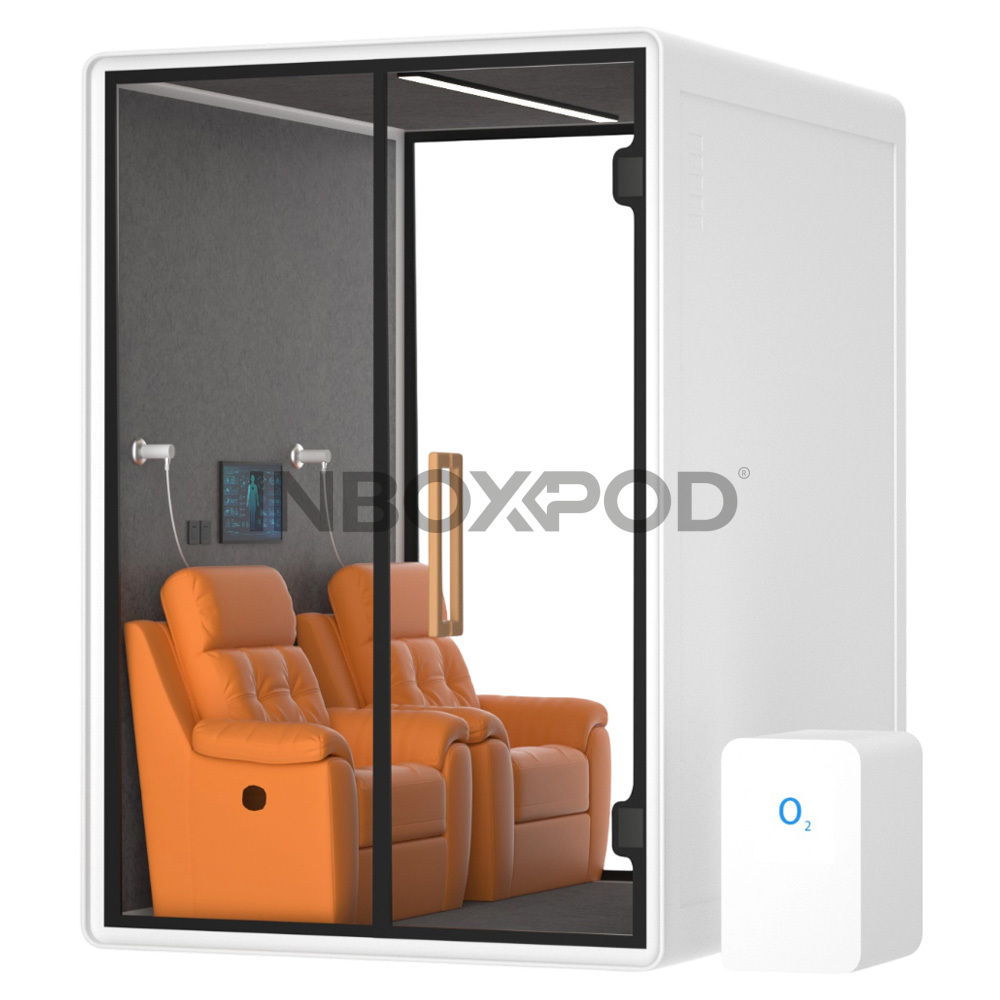
INBOXpod Double Seat Soundproof Oxygen Pod
An oxygen therapy space customized for double social interaction and health, with a double-seat design to promote a win-win situation for interaction and health. External size: W1600×D1929×H2300 mm; internal size: W1466×D1854×H2166 mm. You can improve cardiovascular function and concentration through oxygen therapy with friends and colleagues in a quiet and efficient acoustic environment, making health and social interaction complement each other.
How INBOXpod Addresses Key Vetting Questions
Below is a practical comparison and checklist demonstrating how a pod like the INBOXpod stacks up on common vetting criteria.
| Vetting Criterion | What to Ask | INBOXpod Example / Acceptable Evidence |
|---|---|---|
| Regulatory Status | Is the product registered where it’s sold? Any CE/FDA/QMS certificates? | Request copies of certificates and declarations of conformity. INBOXpod supplier should provide ISO/QMS and product declarations on request. |
| Acoustic Performance | Measured sound reduction figures, lab test reports | Third-party acoustic test reports (e.g., STC or ISO metrics) demonstrating a low internal noise floor suitable for focused therapy sessions. |
| Oxygen Systems | Oxygen supply type, flow rates, safety interlocks | Detailed technical datasheets for integrated concentrators or supply connections; operational and emergency ventilation guidance. |
| Service & Warranty | Warranty length; spare parts availability; SLA | Written warranty, regional spare-parts inventory, optional maintenance contracts. |
Operational Fit: Use Cases and Limitations
The double-seat design supports social sessions—two users can share a therapy session while maintaining an acoustically quiet environment. However, buyers should distinguish between oxygen therapy pods and clinical hyperbaric chambers. Hyperbaric chambers apply pressurized oxygen and are regulated differently; see clinical descriptions at Hyperbaric Oxygen Therapy for technical differences. If you need pressurized hyperbaric treatment, select certified hyperbaric manufacturers and consult clinical guidance from UHMS (UHMS).
Supplier Questions and a Practical Vetting Checklist
Essential Questions to Ask Prospective Manufacturers
- Can you provide certificates for quality management and product conformity (ISO 13485 / ISO 9001, CE, other)?
- Do you have third-party acoustic and electrical safety test reports? Can we review them?
- What oxygen systems are integrated—specs, maintenance intervals, and backup strategies?
- What are the installation requirements and recommended site preparations?
- What warranty and spare parts support are included? Are there local service partners?
Practical On-Site and Pre-Purchase Checks
During factory visits or acceptance tests, inspect build quality, verify serial-number traceability, observe test reports being performed (electrical, acoustic), and request a demonstration of normal operation and emergency shut-off procedures. For clinical settings, ensure the pod's documentation matches hospital procurement standards and that infection control teams approve cleaning protocols.
References and Standards
Use authoritative references when making decisions. Examples include regulatory and standards organizations as well as clinical societies for oxygen therapies:
- FDA — U.S. Food and Drug Administration: https://www.fda.gov/
- UHMS — Undersea and Hyperbaric Medical Society: https://www.uhms.org/
- WHO — World Health Organization (oxygen systems guidance): https://www.who.int/
- Hyperbaric Oxygen Therapy overview (Wikipedia): https://en.wikipedia.org/wiki/Hyperbaric_oxygen_therapy
Frequently Asked Questions (FAQ)
Q1: Is an oxygen therapy pod the same as a hyperbaric chamber?
No. Oxygen therapy pods (like the INBOXpod Double Seat Soundproof Oxygen Pod) typically provide enriched oxygen at normal atmospheric pressure to improve comfort and cognitive function in wellness or workplace settings. Hyperbaric chambers provide pressurized oxygen environments for specific medical treatments and are regulated differently. For clinical hyperbaric information, consult resources such as the UHMS and clinical literature (Hyperbaric Oxygen Therapy).
Q2: What certifications should I require from a manufacturer?
Require quality management certification (ISO 13485 for medical devices or ISO 9001), product conformity declarations (CE where applicable), electrical safety reports (IEC standards), and any local device registrations. For acoustic claims, request third-party lab test reports that quantify sound insulation or internal noise levels.
Q3: How do I evaluate acoustic performance objectively?
Ask for lab-based sound transmission and internal noise floor measurements (STC or ISO-based metrics), test conditions, and third-party lab accreditation. Combine objective test data with on-site demonstrations to confirm user experience in your intended environment.
Q4: What safety risks are associated with oxygen pods and how are they mitigated?
Oxygen-enriched environments increase fire risk. Mitigations include non-sparking materials, controlled electrical systems, strict cleaning protocols that avoid oil-based products, and clear ventilation or purge policies. Ensure manufacturers provide a risk assessment and operation/maintenance documents.
Q5: How long is typical warranty and support?
Warranties vary; common ranges are 12–36 months depending on supplier and included services. Crucial is the availability of spare parts and local service partners—verify response times and SLAs in writing.
If you’d like to evaluate the INBOXpod Double Seat Soundproof Oxygen Pod for your facility, review product details and request certificates or a factory audit. Contact our sales team for configurations, pricing, acoustic test reports, and installation planning: Contact Us. View full product specifications and ordering information: INBOXpod Double Seat Soundproof Oxygen Pod.
Bulk Buying Strategies for INBOXpod: Distributors & Resellers

12 Best Affordable Office Phone Booths of 2026: Ranked by Real Soundproofing Tests
How Prefabricated Office Pods Save Time and Installation Costs
Bulk Purchase Strategies for Soundproof Booths
Home-demo
Do you provide after-sales support and warranty?
Yes, we provide comprehensive after-sales service and warranty to ensure long-term satisfaction with our products.
Can the booths be customized to fit specific space requirements?
Yes, we offer flexible customization options including size, color, and additional features to perfectly suit your needs.
How long does it take to assemble an INBOXpod booth?
Most of our booths can be assembled without tools in about 30 minutes, making installation quick and hassle-free.
What is the typical sound insulation level of your acoustic booths?
Our booths typically achieve up to 27 dB noise reduction, meeting Class B sound insulation standards suitable for offices and study environments.
What materials are used in the construction of the booths?
Our booths are made from sustainable, high-quality materials including aluminum alloy frames and acoustic panels designed for optimal soundproofing.
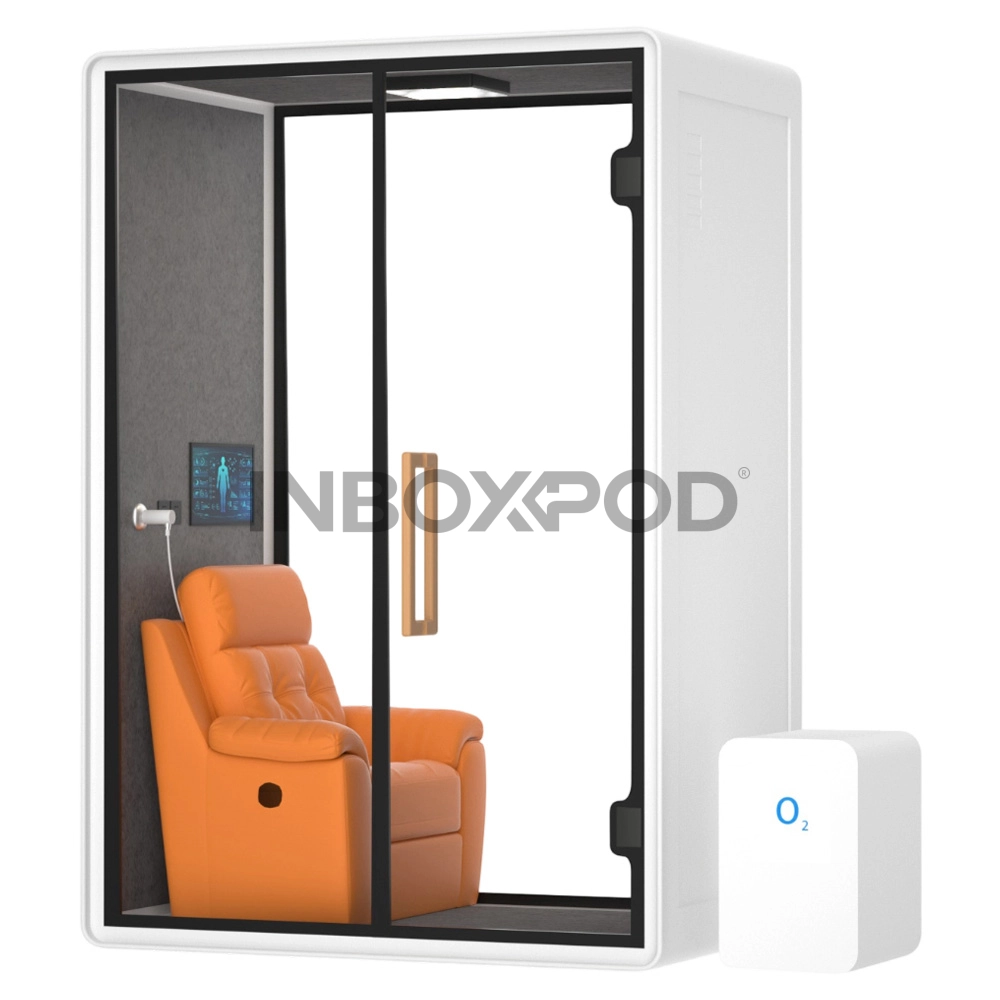
INBOXpod Soundproof Single seat Oxygen Pod
A delicate and compact personal oxygen therapy secret, with a single-seat layout that is flexible and convenient. External size: W1600×D1028×H2300 mm; internal size: W1466×D953×H2166 mm. Create a quiet, private domain for you, where you can inhale high-purity oxygen efficiently during daily relaxation or postoperative recovery, helping to improve cardiopulmonary function and mental state.
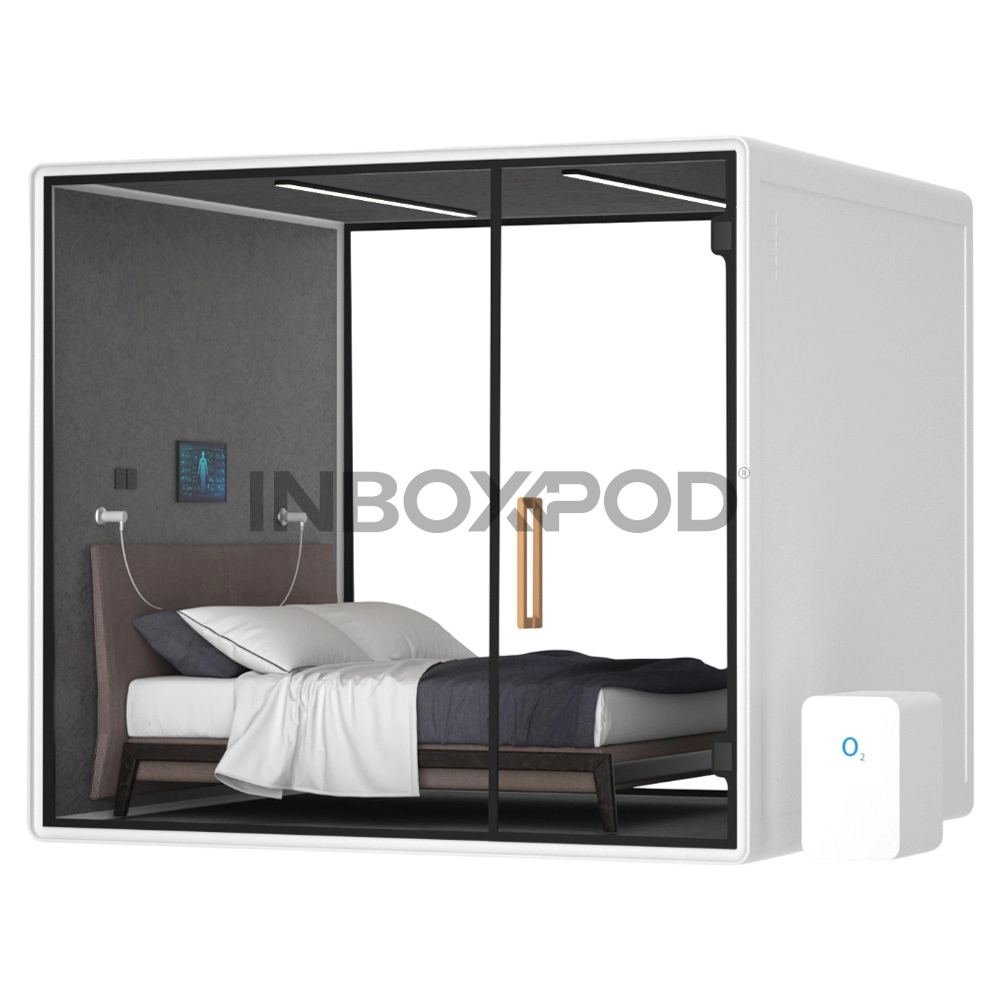
INBOXpod Soundproof Double Bed (small) Oxygen Pod
A double oxygen therapy option that balances space and experience, with a small double-bed layout suitable for various scenarios. External size: W2300×D1854×H2300 mm; internal size: W2300×D1929×H2300 mm. You can share the high-oxygen environment here with relatives and friends, relieve stress, improve physical fitness, and gain health and vitality in company.
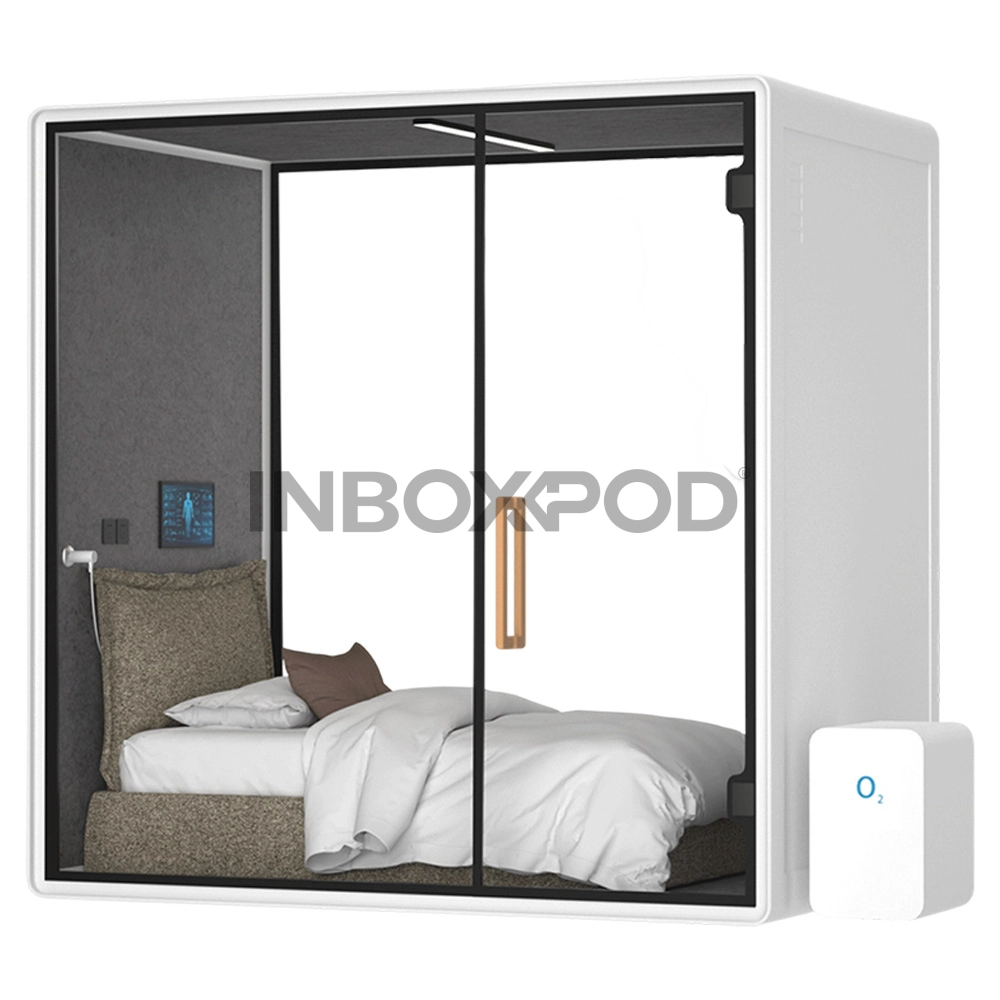
Soundproof Single Bed Oxygen Pod Therapy
Create an immersive deep health oxygen therapy space for you, with a single bed design for ultimate comfort. External size: W2300×D1478×H2300 mm; internal size: W2166×D1403×H2166 mm. Enjoy the nourishment of high-concentration oxygen while lying down, improve sleep, relieve fatigue, enhance immunity, and start a journey of health renewal.
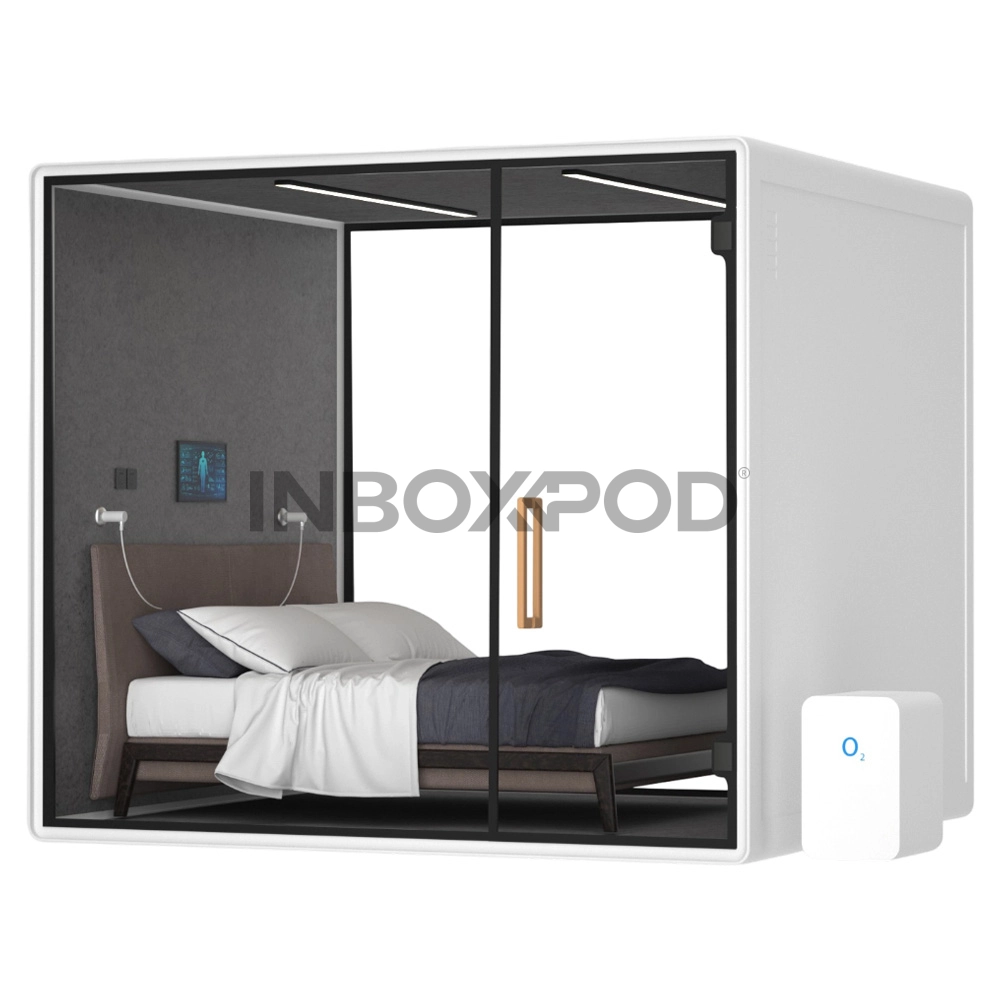
Double bed (large) Soundproof Oxygen Pod
A shared health oxygen therapy world for families, with a large double-bed design to meet the comfort needs of two people. External size: W2300×D2379×H2300 mm; internal size: W2166×D2304×H2166 mm. Let you and your family or partner enjoy high-oxygen nourishment together, improve body functions, delay aging, and embrace a healthy life with intimate company.
Whatsapp: +8613535292957