
Are acoustic meeting pods customizable for branding and layouts?
- Beyond generic noise reduction, what specific STC rating and material science ensure our acoustic meeting pod *truly* blocks conversations and office chatter, rather than just muffling it, for sensitive discussions?
- How deeply can acoustic meeting pods be customized for unique brand aesthetics and internal tech integration, beyond just exterior color options, to genuinely reflect our company's identity and specific collaborative workflow needs?
- Given the enclosed nature of soundproof office pods, what advanced ventilation systems and air quality metrics (like CO2 levels and CADR) are critical to ensure a consistently fresh, healthy, and non-stuffy environment during extended meetings?
- What are the practicalities and hidden complexities involved in the installation and future relocation of a modular acoustic pod, especially regarding office disruption, specialized tools, and the ability to reconfigure layouts without significant damage or cost?
- Beyond the initial purchase price, what are the long-term ROI factors for investing in flexible soundproof meeting rooms, considering potential savings on construction, increased employee productivity, and improved workspace adaptability?
- What are the essential maintenance requirements and typical lifespan considerations for acoustic privacy booths, specifically concerning acoustic material degradation, ventilation system upkeep, and overall structural durability over years of heavy office use?
Unlocking Quiet Collaboration: Your Expert Guide to Acoustic Meeting Pods
In today's dynamic open-plan offices, the need for focused work and confidential discussions is paramount. Acoustic meeting pods, also known as soundproof office pods or privacy booths, have emerged as a leading solution. Yet, many beginners in the market find themselves with specific, crucial questions that often receive superficial or outdated answers. This comprehensive guide aims to provide in-depth, expert insights to help you make informed decisions when investing in these essential modular office solutions, ensuring you choose the best sound-dampening enclosures for your team's needs.
Beyond generic noise reduction, what specific STC rating and material science ensure our acoustic meeting pod *truly* blocks conversations and office chatter, rather than just muffling it, for sensitive discussions?
Achieving true acoustic privacy goes far beyond mere sound muffling; it requires understanding specific metrics and advanced material science. The critical metric here is the Sound Transmission Class (STC) rating. An STC rating quantifies a partition's ability to reduce airborne sound transmission. For effective speech privacy in an office environment, especially for sensitive discussions, an STC rating of 35-40 is generally considered the minimum for intelligible speech reduction. However, for truly confidential conversations or blocking loud office chatter, a rating of STC 40-45+ is highly recommended, making conversations in adjacent areas virtually inaudible. Top-tier acoustic pods often achieve STC ratings in this higher range, with some High Quality models even exceeding STC 45, which can block up to 95% of speech noise.
The material science behind this involves multiple layers and strategically chosen components:
- Dense Core Materials: Walls often feature high-density acoustic insulation, such as mineral wool or specialized foam, sandwiched between rigid panels (e.g., MDF, steel). This mass helps reflect and absorb sound waves.
- Airtight Seals: Gaps are the enemy of soundproofing. High-quality quiet work pods utilize robust perimeter seals around doors and ventilation openings, and often incorporate double-glazed or laminated acoustic glass for windows, eliminating sound leaks.
- Resilient Decoupling: Some advanced designs incorporate a room within a room concept where inner and outer layers are physically decoupled, preventing sound vibrations from easily transmitting through the structure.
- Sound-Absorbing Interior Finishes: While not directly contributing to the STC rating (which measures transmission *through* a barrier), interior panels lined with felt or other porous materials absorb reverberation within the pod, enhancing speech clarity for occupants and reducing internal echo.
Always request documented STC ratings from manufacturers, often tested in certified labs according to ASTM standards, to ensure the stated performance meets your specific workplace privacy needs.
How deeply can acoustic meeting pods be customized for unique brand aesthetics and internal tech integration, beyond just exterior color options, to genuinely reflect our company's identity and specific collaborative workflow needs?
Customization for acoustic meeting pods extends far beyond a simple paint job; modern modular systems offer significant flexibility to integrate INBOXpod's identity and workflow. For brand aesthetics, options typically include:
- Exterior Finishes: Beyond standard colors, many manufacturers offer custom finishes like wood veneers, high-pressure laminates mimicking concrete or stone, branded vinyl wraps, or even bespoke color matching to your corporate palette (e.g., specific RAL or Pantone codes).
- Interior Fabrics and Furnishings: Upholstery for integrated seating (if applicable) and acoustic wall panels can be selected from a wide range of colors, textures, and patterns to align with your interior design scheme. Some suppliers offer custom printed acoustic panels for unique visual branding.
- Branding Elements: Company logos can be integrated through etched glass, custom signage, or even specialized lighting features on the pod's exterior or interior. Digital screens can also display branded content or company announcements.
For internal tech integration and workflow optimization, the possibilities are even more impactful:
- Integrated AV Solutions: Pods can be pre-wired and fitted with monitors (up to 65-inch displays for larger pods), video conferencing cameras, high-quality microphones, and soundbars, creating seamless meeting experiences. Many solutions offer 'plug-and-play' connectivity with USB-C, HDMI, and Ethernet ports.
- Smart Controls: Touchscreen interfaces for lighting (dimmable LEDs, color temperature control), ventilation, and meeting scheduling can be integrated, enhancing user experience and energy efficiency. Occupancy sensors can automate lighting and HVAC systems, reducing energy consumption by up to 30%.
- Ergonomic Furnishings: Custom tables (fixed, adjustable-height, or standing options), ergonomic chairs, interactive whiteboards, and ample power outlets (USB-A, USB-C, AC) can be specified to support various activities, from focused individual work to multi-person collaboration pods.
- Unique Layouts: While standard sizes exist, some manufacturers offer semi-custom or fully custom dimensions and internal configurations (e.g., specific seating arrangements for panel discussions, ADA-compliant accessibility features, or integration of specialized equipment for creative teams).
When considering customization, work closely with the manufacturer to leverage their design expertise and ensure the customizations do not compromise the pod's core sound-dampening enclosures or ventilation performance.
Given the enclosed nature of soundproof office pods, what advanced ventilation systems and air quality metrics (like CO2 levels and CADR) are critical to ensure a consistently fresh, healthy, and non-stuffy environment during extended meetings?
Maintaining optimal air quality within soundproof meeting rooms is paramount for occupant comfort, health, and cognitive function. A stuffy environment quickly negates the benefits of privacy. Key elements of advanced ventilation systems include:
- High Air Exchange Rates: Reputable quiet work pods are designed to achieve a high number of air changes per hour (ACH). Industry best practices, often guided by ASHRAE Standard 62.1 for acceptable indoor air quality, suggest at least 6-8 ACH for small, enclosed spaces. This means the air inside the pod is completely replaced multiple times an hour (e.g., a 2-person pod might have a fan moving 60-80 CFM, achieving 8+ ACH), preventing CO2 buildup.
- Low-Noise Fans: To maintain acoustic integrity, ventilation fans must operate extremely quietly, typically below 30-35 dB(A) at ear level within the pod, ensuring they don't disrupt concentration or conversations. Advanced fan designs minimize turbulence and vibration.
- Effective Filtration: High-efficiency particulate air (HEPA) filters or activated carbon filters are increasingly common. These filters remove dust, allergens, VOCs (Volatile Organic Compounds), and odors, contributing to a healthier environment. Look for a strong Clean Air Delivery Rate (CADR) specification, indicating how quickly the system delivers clean air for specific pollutants (e.g., 99.97% of particles down to 0.3 microns).
- CO2 Sensors and Smart Control: Advanced pods often integrate CO2 sensors that automatically adjust fan speed based on occupant levels. This ensures ventilation is ramped up when needed and reduced when the pod is empty, optimizing energy efficiency and maintaining CO2 levels below recommended thresholds (e.g., under 800-1000 ppm for optimal cognitive function, compared to outdoor ambient levels of ~400 ppm). Exceeding 1200 ppm can lead to drowsiness and reduced decision-making.
Always inquire about the ventilation system's specifications, including ACH, noise levels, and filtration capabilities, to ensure a truly fresh and healthy experience in your focus pods.
What are the practicalities and hidden complexities involved in the installation and future relocation of a modular acoustic pod, especially regarding office disruption, specialized tools, and the ability to reconfigure layouts without significant damage or cost?
One of the primary advantages of modular office solutions like acoustic pods is their supposed flexibility, but understanding the nuances of installation and relocation is key.
Installation:
- Minimal Disruption: Unlike traditional construction, most quality soundproof office pods are designed for quick, dry assembly. A typical single-person phone booth can often be installed in 1-3 hours, and a larger 4-person meeting pod in 4-8 hours, minimizing disruption to your ongoing office operations. This is a significant advantage over building permanent walls, which involve dust, noise, and weeks of work, potentially saving 70-80% of the time required for traditional construction.
- No Highly Specialized Tools (Generally): While professional installers use standard power tools and expertise, the process usually doesn't require highly specialized or proprietary equipment. Many systems utilize interlocking panels and simple fastening mechanisms. However, electrical hook-up (often a single standard outlet) should always be done by a qualified electrician in compliance with local codes.
- Flat-Pack Delivery: Pods typically arrive in flat-pack components, making them easier to transport through standard office doorways and elevators, a crucial consideration for existing spaces with limited access.
Relocation & Reconfiguration:
- Demountable Design: High-quality custom office pods are fully demountable and designed to be disassembled and reassembled multiple times (often 5-10+ times) without significant wear or damage to structural components. This flexibility is critical for evolving office layouts or moving to a new premises.
- Retention of Acoustic Performance: A common concern is whether acoustic performance degrades after relocation. Reputable manufacturers design their sealing mechanisms, panel connections, and structural components to maintain their STC rating even after multiple moves, provided correct reassembly.
- Cost-Effectiveness: While there's a labor cost associated with relocation, it's drastically lower than demolishing and rebuilding a traditional room. This adaptability significantly boosts the long-term ROI of your flexible workspace. Costs for relocation can be 10-20% of the initial purchase price, far less than new construction.
- Professional Services Recommended: While technically possible for in-house teams with some expertise, it's often recommended to use the manufacturer's certified installers for relocation to ensure proper reassembly, maintain warranties, and preserve acoustic integrity.
Always verify the manufacturer's claims regarding ease of assembly/disassembly and inquire about their relocation services or guidelines to ensure long-term flexibility.
Beyond the initial purchase price, what are the long-term ROI factors for investing in flexible soundproof meeting rooms, considering potential savings on construction, increased employee productivity, and improved workspace adaptability?
Investing in acoustic meeting pods delivers a strong return on investment (ROI) that extends far beyond the initial capital outlay, impacting operational costs, employee well-being, and future adaptability.
- Significant Savings on Construction: This is often the most immediate financial benefit. Building traditional meeting rooms involves extensive architectural planning, permits, demolition, construction, and long project timelines. Pods eliminate most of these costs and dramatically reduce installation time, often saving 20-50% compared to conventional build-outs, depending on local labor rates and complexity. They also avoid the disruption and lost productivity associated with prolonged construction.
- Enhanced Employee Productivity & Focus: Noise is a major productivity killer in open offices. By providing dedicated focus pods and privacy booths, companies empower employees to concentrate without distractions or conduct calls without disturbing others. Studies consistently show that noise reduction leads to improved concentration, fewer errors, and greater job satisfaction. A 2018 study by the University of Sydney found that poor acoustics in open-plan offices can reduce productivity by up to 60%, directly impacting output.
- Improved Workspace Adaptability & Future-Proofing: Office layouts are constantly evolving. Unlike permanent structures, modular office solutions can be easily moved, reconfigured, or expanded to meet changing team sizes, work styles, or office relocations. This flexibility avoids costly renovations or the need to purchase entirely new furniture, securing your investment for years and reducing future capital expenditures by up to 30-40%.
- Optimized Real Estate Utilization: Pods allow offices to maximize their existing footprint by creating functional private spaces in otherwise underutilized open areas, eliminating the need for expensive additional square footage. They turn hallways or open spaces into valuable assets for workplace privacy, effectively increasing the usable space without expanding the physical footprint.
- Attraction & Retention of Talent: Offering well-designed, comfortable, and acoustically private spaces signals a commitment to employee well-being and modern work practices. This can be a significant differentiator in attracting top talent, especially those who value a balanced and productive work environment. Surveys indicate that a quiet space is a top amenity sought by employees in open-plan offices.
Considering these multifaceted benefits, the investment in acoustic privacy solutions quickly translates into tangible financial and strategic advantages for any organization, enhancing both employee experience and bottom line.
What are the essential maintenance requirements and typical lifespan considerations for acoustic privacy booths, specifically concerning acoustic material degradation, ventilation system upkeep, and overall structural durability over years of heavy office use?
Understanding the maintenance and longevity of acoustic privacy booths is crucial for protecting your investment and ensuring continued performance.
Routine Maintenance:
- Cleaning Surfaces: Regular cleaning of exterior and interior surfaces (laminates, glass) with appropriate, non-abrasive cleaners is essential. Fabric surfaces may require periodic vacuuming or spot cleaning according to manufacturer guidelines to prevent dirt buildup and maintain aesthetics.
- Ventilation System: This is the most critical maintenance aspect. Air filters (HEPA, activated carbon) in the ventilation unit typically need to be replaced every 6-12 months, depending on usage and air quality, to ensure optimal airflow and filtration. Failure to do so can lead to reduced air exchange, increased noise from the fans, and compromised air quality. Fan motors themselves are generally designed for 50,000+ hours of operation and are maintenance-free for many years.
- Door Mechanisms & Seals: Periodically inspect door hinges, latches, and especially the acoustic seals around the door frame. These seals are vital for soundproofing and can wear out over time. Minor adjustments or replacement may be needed after several years of heavy use (e.g., 5-7 years for high-traffic doors).
- Lighting: Modern pods typically use long-lasting LED lighting, which requires minimal maintenance other than occasional cleaning and has a lifespan often exceeding 50,000 hours.
Longevity and Durability:
- Structural Integrity: High-quality soundproof meeting rooms are built with robust, commercial-grade materials (e.g., steel frames, high-density panels) designed for heavy office use. They can typically withstand years of daily use and multiple relocations without significant structural degradation, often lasting 10-15+ years with proper care. Many manufacturers offer warranties of 5-10 years on the structure.
- Acoustic Material Degradation: The acoustic materials (insulation, dampening layers) within the walls are generally stable and do not degrade in their sound-absorbing properties over time under normal indoor conditions. They are sealed within the panels, protecting them from environmental factors and maintaining their noise reduction solutions.
- Wear and Tear on Finishes: While the core structure remains sound, exterior and interior finishes (fabrics, laminates) might show signs of wear and tear in high-traffic areas after many years. These can often be refurbished or replaced if desired, extending the aesthetic life of the pod without needing to replace the entire unit.
Always refer to the manufacturer's specific maintenance manual for detailed instructions and recommended service intervals. Choosing a reputable vendor ensures access to spare parts and support throughout the soundproof pod's lifespan.
Acoustic meeting pods represent a forward-thinking investment in modern office design and employee well-being. By offering unparalleled acoustic privacy solutions, robust ventilation, and versatile customization options, these flexible workspace solutions empower teams to collaborate effectively, focus intensely, and thrive in any office environment. They provide a tangible ROI through significant cost savings, increased productivity, and the ability to adapt to future needs, making them a strategic asset for any business.
Ready to transform your workspace with cutting-edge soundproof pods? Contact us today for a personalized quote tailored to your specific requirements. Visit www.inboxpod.com or email us at sale@inboxpod.com.
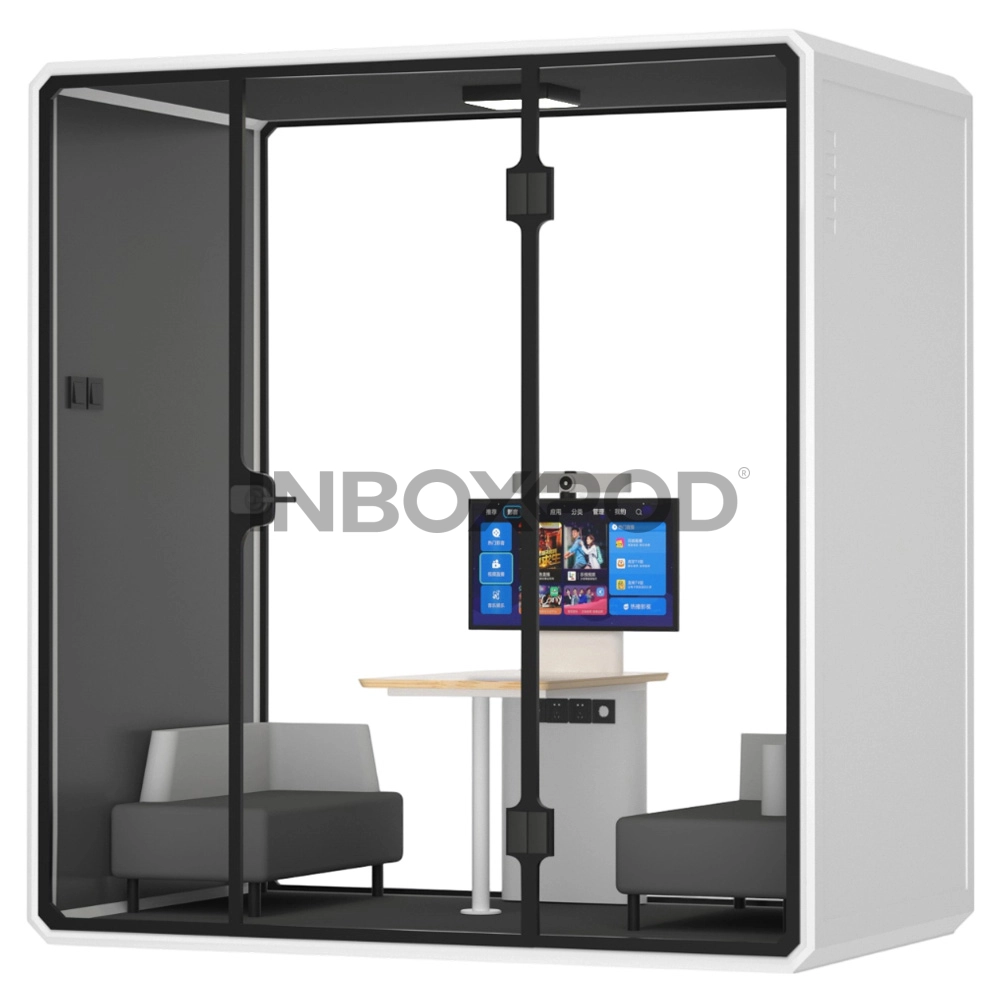
Home-demo
How long does it take to assemble an INBOXpod booth?
Most of our booths can be assembled without tools in about 30 minutes, making installation quick and hassle-free.
What materials are used in the construction of the booths?
Our booths are made from sustainable, high-quality materials including aluminum alloy frames and acoustic panels designed for optimal soundproofing.
Can the booths be customized to fit specific space requirements?
Yes, we offer flexible customization options including size, color, and additional features to perfectly suit your needs.
What is the typical sound insulation level of your acoustic booths?
Our booths typically achieve up to 27 dB noise reduction, meeting Class B sound insulation standards suitable for offices and study environments.
Do you provide after-sales support and warranty?
Yes, we provide comprehensive after-sales service and warranty to ensure long-term satisfaction with our products.
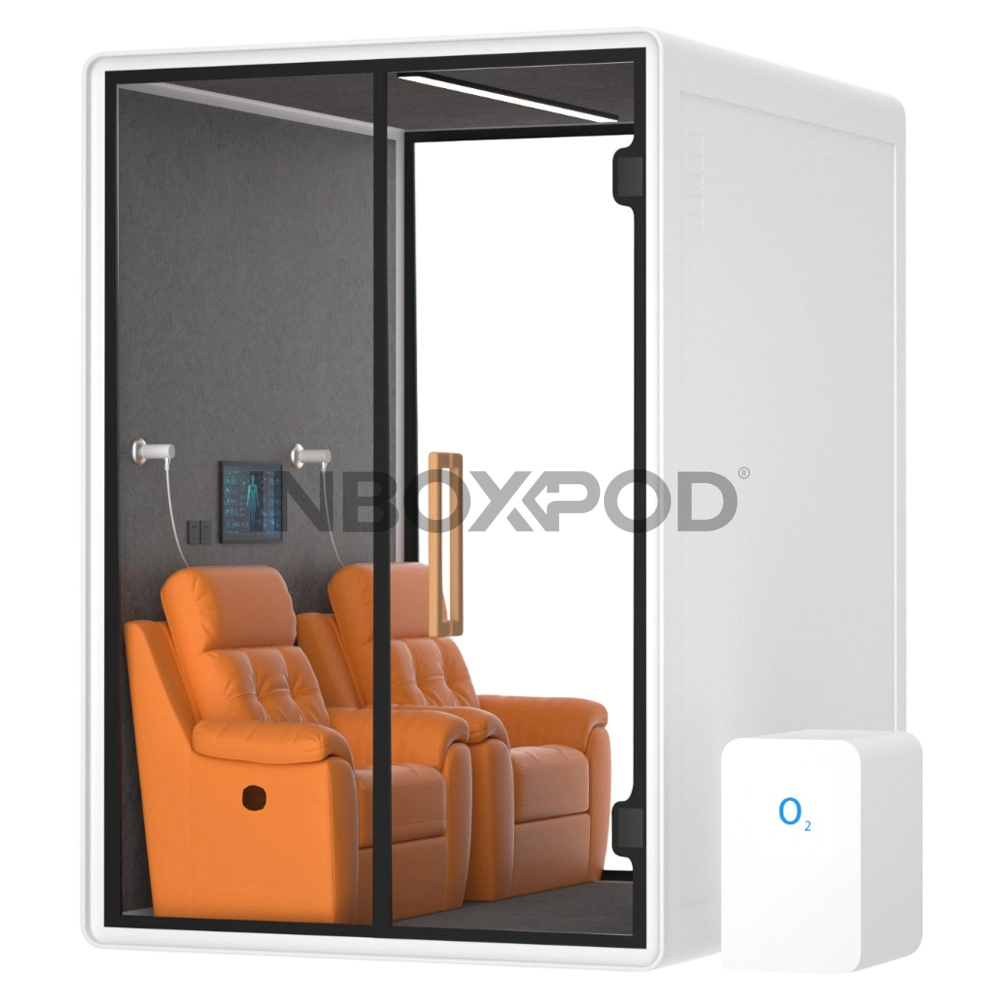
INBOXpod Double Seat Soundproof Oxygen Pod
An oxygen therapy space customized for double social interaction and health, with a double-seat design to promote a win-win situation for interaction and health. External size: W1600×D1929×H2300 mm; internal size: W1466×D1854×H2166 mm. You can improve cardiovascular function and concentration through oxygen therapy with friends and colleagues in a quiet and efficient acoustic environment, making health and social interaction complement each other.
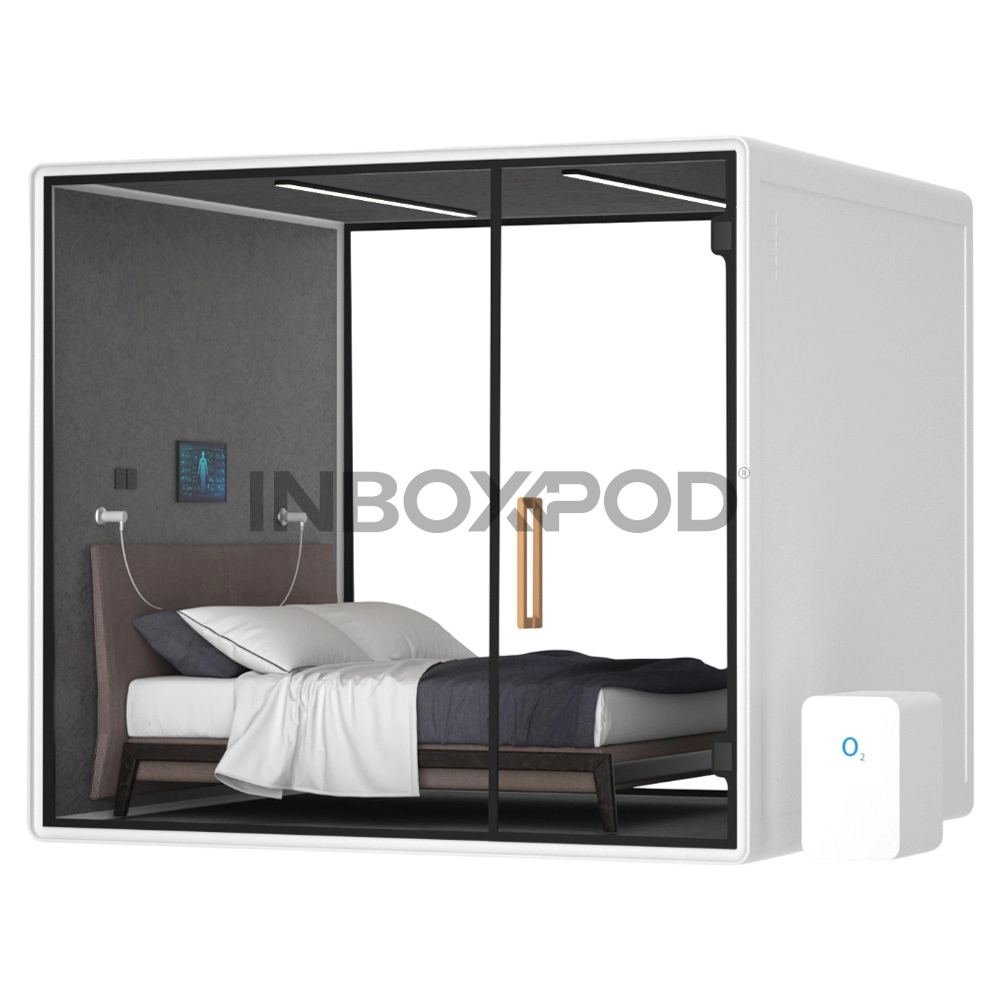
INBOXpod Soundproof Double Bed (small) Oxygen Pod
A double oxygen therapy option that balances space and experience, with a small double-bed layout suitable for various scenarios. External size: W2300×D1854×H2300 mm; internal size: W2300×D1929×H2300 mm. You can share the high-oxygen environment here with relatives and friends, relieve stress, improve physical fitness, and gain health and vitality in company.
Silence Booth/Office Pod Prefabricated V series-L size
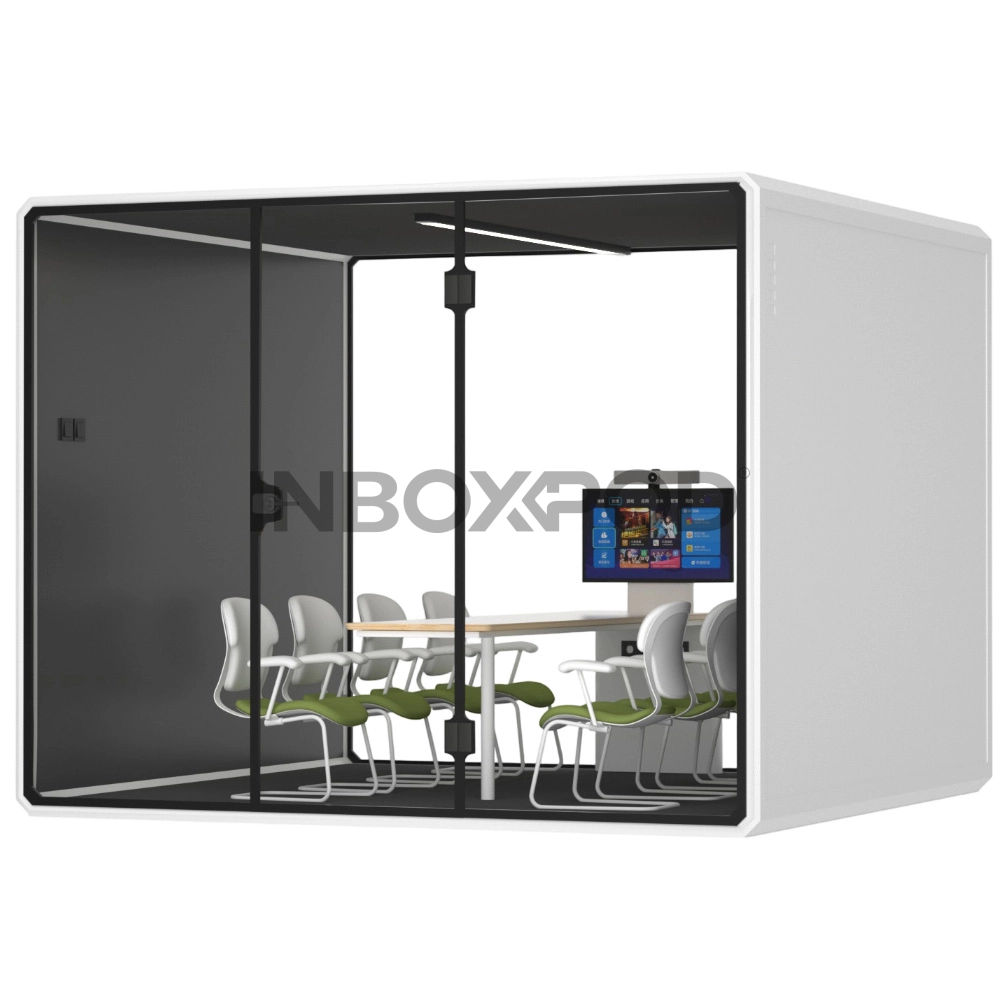
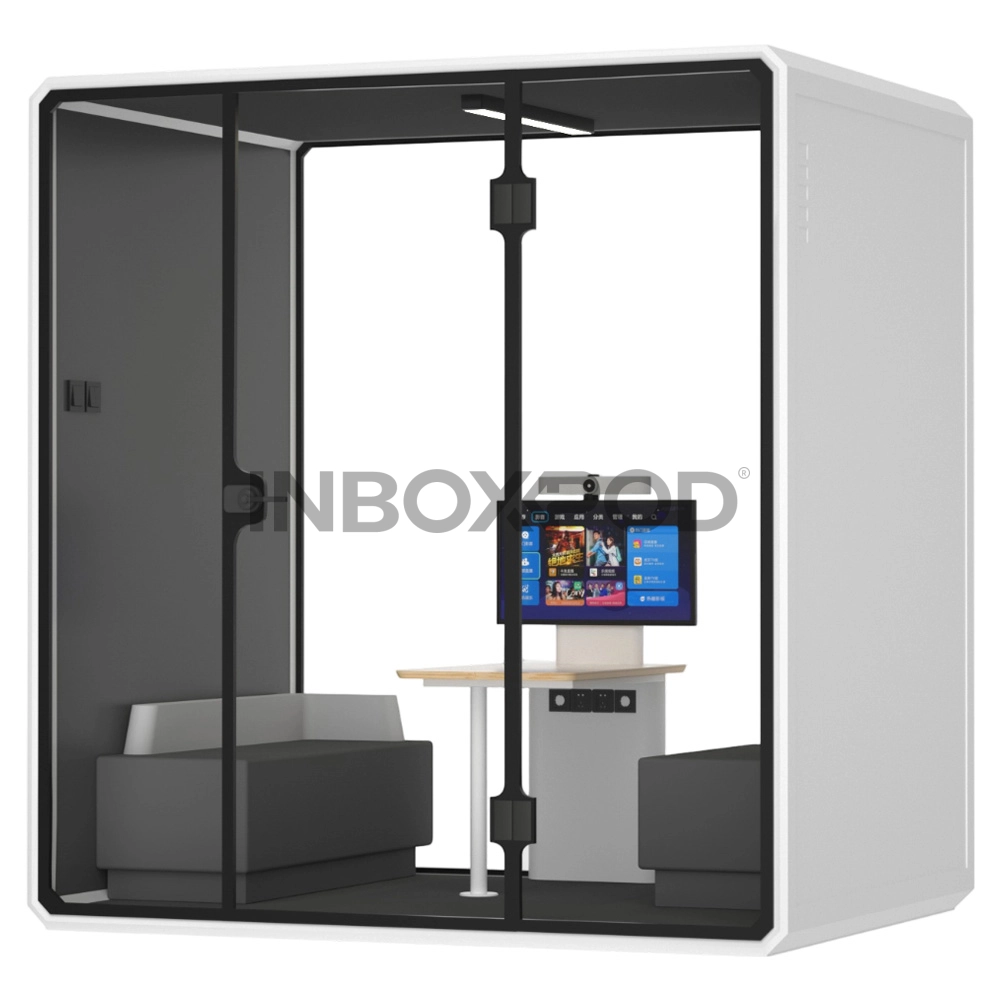
Designed for team collaboration and small meetings, the L-size booth provides a comfortable and acoustically optimized space for 4–6 people. With premium sound insulation, efficient ventilation, and integrated lighting and power systems, it ensures focus, privacy, and productivity—even in the busiest open offices.
Silence Booth/Office pod Prefabricated V series - M size
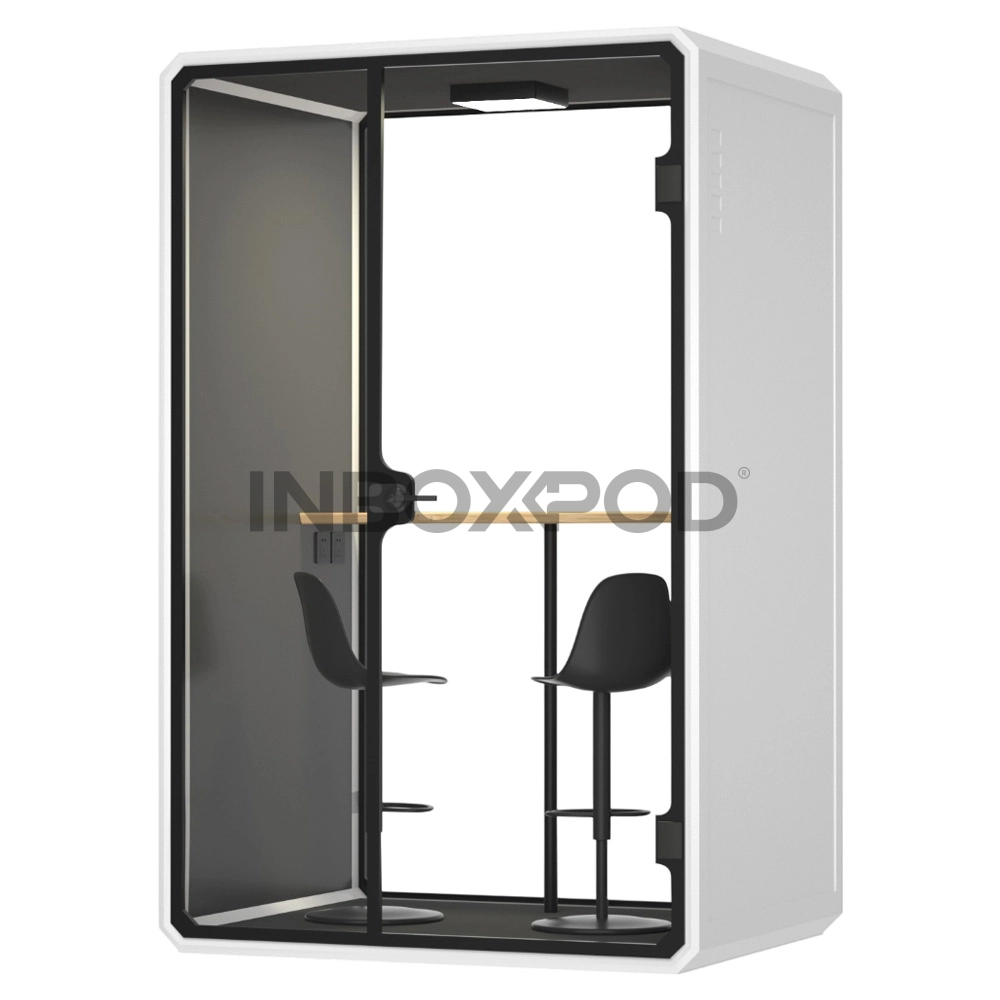
Ideal for two-person discussions or focused solo work, the M-size booth offers a balanced mix of privacy and flexibility. Its advanced acoustic panels reduce external noise effectively, while the smart ventilation and lighting systems create a comfortable, quiet environment for calls, meetings, or concentrated tasks.
Stay Updated with INBOXpod Insights
Subscribe to receive the latest articles, industry news, and updates on our acoustic solutions. Stay informed and discover distribution opportunities with INBOXpod.
Whatsapp: +8613535292957