
Should buyers choose portable or fixed acoustic meeting pods?
- How much noise reduction (in dB) can I *realistically* expect from a typical acoustic meeting pod, and how does this compare to general office noise?
- Beyond just soundproofing, what are the critical factors for air circulation and ventilation in an acoustic pod, and how do I ensure it doesn't become stuffy or compromise occupant health?
- When evaluating portable versus fixed acoustic meeting pods, what are the hidden long-term costs associated with relocation, reassembly, or potential damage for portable units versus the initial higher installation of fixed models?
- Can modern acoustic meeting pods seamlessly integrate with our existing AV equipment, network infrastructure, and smart building systems, or will we need proprietary solutions and extensive rewiring?
- What specific fire safety standards and building codes do acoustic meeting pods need to comply with in commercial office spaces, and what documentation should I request from manufacturers to ensure compliance?
- What is the expected lifespan of an acoustic meeting pod, and what specific maintenance routines are required for its soundproofing materials, ventilation system, and interior finishes to ensure peak performance and hygiene over time?
Acoustic Meeting Pods: Your Expert Guide to Choosing Portable vs. Fixed & Overcoming Beginner Challenges
In today's dynamic work environments, the demand for dedicated quiet spaces and soundproof office pods has surged. As organizations embrace hybrid work solutions and seek to optimize their workspace design trends, acoustic meeting pods offer unparalleled flexibility and privacy. However, for those new to this market, a plethora of questions can arise, often leading to confusion. This expert guide aims to address specific, pain-point-oriented questions frequently asked by beginners, providing in-depth answers to facilitate informed purchasing decisions.
How much noise reduction (in dB) can I *realistically* expect from a typical acoustic meeting pod, and how does this compare to general office noise?
When evaluating acoustic meeting pods, many beginners focus solely on manufacturer claims, which can sometimes be theoretical. Realistically, a high-quality soundproof office booth should offer an ambient noise reduction of approximately 25-35 dB (decibels). This is typically measured using the Sound Transmission Class (STC) rating, or more accurately, the Weighted Sound Reduction Index (Rw) for European standards. An STC rating of 30-35 dB is excellent for speech privacy within a typical open-plan office.
To put this into perspective, typical open-plan office noise levels often hover between 50-65 dB. A normal conversation is around 60 dB, while quiet background noise might be 40-50 dB. If a pod reduces ambient noise by 30 dB, a 60 dB conversation inside would be reduced to 30 dB outside – essentially a whisper, making it unintelligible and non-disruptive. Beware of claims significantly higher than 35-40 dB for standard modular units, as achieving extreme sound isolation (e.g., 50+ dB) typically requires specialized, fixed construction methods, double-wall systems, and extensive acoustic treatment far beyond what a portable pod can offer. Focus on the *perceived* quietness and speech privacy, which a good pod delivers effectively for private office booths and focused work.
Beyond just soundproofing, what are the critical factors for air circulation and ventilation in an acoustic pod, and how do I ensure it doesn't become stuffy or compromise occupant health?
Often overlooked, the air quality in pods is paramount for user comfort and health. A truly effective noise cancelling pod must integrate a robust ventilation system. Critical factors include:
- Air Changes Per Hour (ACH): This measures how many times the air inside the pod is completely replaced by fresh air within an hour. For optimal comfort and health, aim for a minimum of 30-60 ACH. High-quality pods from reputable manufacturers will typically specify this rate.
- CO2 Levels: Stuffy environments lead to elevated CO2, causing drowsiness and reduced concentration. Good pods actively monitor and manage CO2 levels, often using demand-controlled ventilation that adjusts fan speed based on occupancy and CO2 sensors.
- Filtration: Integrated HEPA or MERV-rated filters are essential for removing dust, allergens, and airborne particles, contributing significantly to a healthier environment, especially in offices with varying indoor air quality.
- Quiet Operation: The ventilation system itself should be quiet, ideally operating below 30-35 dB, to ensure it doesn't counteract the pod's acoustic performance.
Always inquire about the specific HVAC systems for pods, their ACH rating, and any air purification features. This ensures your investment provides not just quiet spaces for work but also a fresh and healthy environment.
When evaluating portable versus fixed acoustic meeting pods, what are the hidden long-term costs associated with relocation, reassembly, or potential damage for portable units versus the initial higher installation of fixed models?
The choice between portable office pods and fixed meeting room alternatives hinges significantly on long-term costs and flexibility. While portable units often seem cheaper upfront, consider the Total Cost of Ownership (TCO):
- Relocation Costs: For portable pods, moving within the same office or to a new location incurs labor costs for disassembly, transport, and reassembly. While designed for this, frequent moves can lead to wear and tear on components, fasteners, and seals, potentially compromising soundproofing solutions over time.
- Potential Damage: Each relocation introduces a risk of cosmetic or structural damage, which can lead to repair costs or reduced aesthetic appeal and functional performance.
- Scalability & Flexibility: Portable pods offer unmatched flexibility for adapting to evolving office layouts, making them ideal for companies anticipating growth or redesigns. This flexibility can be a significant long-term saving by avoiding costly structural renovations.
- Fixed Models: While initial installation of fixed structures is generally higher due to construction, electrical, and HVAC integration into the building’s infrastructure, their cost is typically amortized over a longer period. However, reconfiguring or relocating a fixed space is significantly more expensive and disruptive.
- Depreciation & Resale Value: High-quality portable pods can retain a reasonable resale value due to their modularity, whereas fixed installations become part of the building's infrastructure, potentially complicating lease agreements or future sales.
ly, assess your organization's anticipated need for flexibility. If frequent layout changes or future office moves are likely, the slight added cost per move for a high-quality modular office pod might still offer a better return on investment than the rigidity of fixed alternatives.
Can modern acoustic meeting pods seamlessly integrate with our existing AV equipment, network infrastructure, and smart building systems, or will we need proprietary solutions and extensive rewiring?
Seamless integration is a hallmark of modern acoustic meeting pods designed for today's tech-savvy workplaces. Most leading manufacturers engineer their pods to be highly compatible with standard office technology:
- Power & Data: Expect integrated power outlets (AC, USB-A, USB-C) and often Ethernet ports for reliable wired network access. High-quality pods also feature thoughtful cable management systems to keep the interior tidy and functional.
- AV Equipment: Many pods come with integrated VESA mounts for screens, allowing easy installation of your preferred monitors or interactive whiteboards. Some even include pre-wired conduits for HDMI, display port, or USB-C connections, minimizing additional wiring.
- Smart Building Systems: While direct integration with *all* proprietary smart building systems (like lighting or HVAC controls) may require custom solutions, many pods offer basic compatibility. This can include occupancy sensors for energy efficiency (e.g., automatically turning lights/fans on/off) or API access for data on pod usage. Discuss your specific smart building requirements with the manufacturer.
Prioritize pods that adhere to industry standards for power and data connectivity, offering a 'plug-and-play' experience. This minimizes the need for extensive rewiring and ensures your flexible meeting spaces are truly ready for action from day one.
What specific fire safety standards and building codes do acoustic meeting pods need to comply with in commercial office spaces, and what documentation should I request from manufacturers to ensure compliance?
Fire safety and compliance are non-negotiable for any commercial installation of acoustic meeting pods. Neglecting this can lead to serious legal liabilities and safety hazards. Key standards and documentation include:
- Building Codes: Compliance with local, national, and international building codes (e.g., IBC in the US, Eurocodes in Europe) is essential. These codes dictate requirements for materials, egress, and sprinkler systems.
- Material Flammability: All materials used in the pod (fabrics, panels, insulation) must meet specific fire-retardant standards. Look for certifications like ASTM E84 Class A (for surface burning characteristics), UL 94 V-0 (for plastic components), or equivalent European standards (e.g., EN 13501-1 Class B-s1, d0).
- Sprinkler Compatibility: For larger pods or those that exceed certain dimensions, local fire marshals may require them to be equipped with internal sprinkler heads or to be designed in a way that doesn't obstruct existing building sprinkler coverage. Some pods feature open tops or integrated systems to address this.
- Egress: Ensure pods have clear, unobstructed exits and do not impede emergency escape routes in the broader office layout.
- Documentation: Always request comprehensive documentation from the manufacturer. This should include fire safety test reports, material safety data sheets (MSDS) for components, declarations of conformity to relevant standards (e.g., CE marking for Europe), and specific information regarding local building code adherence.
A reputable manufacturer will readily provide all necessary certifications and guidance. Always consult with your building's facilities management and local fire safety authorities to confirm specific requirements before purchasing.
What is the expected lifespan of an acoustic meeting pod, and what specific maintenance routines are required for its soundproofing materials, ventilation system, and interior finishes to ensure peak performance and hygiene over time?
The expected lifespan of a well-built acoustic meeting pod is typically 10-15 years, with many high-quality units lasting even longer with proper maintenance. Investing in durable office privacy solutions requires understanding the ongoing care:
- Soundproofing Materials: The core acoustic panels and seals generally require minimal maintenance. Regularly check seals around doors and panels for wear and tear, as damaged seals can compromise acoustic performance. Avoid harsh chemicals on acoustic fabrics, which can degrade their sound-absorbing properties.
- Ventilation System: This is the most critical component for regular maintenance. Air filters should be checked monthly and replaced every 3-6 months, depending on usage and office air quality, to maintain optimal airflow and air purity. Fans should be inspected annually for dust buildup and proper operation.
- Interior Finishes: Upholstery and hard surfaces should be cleaned according to manufacturer guidelines. Regular vacuuming of carpets or wiping of hard floors, along with sanitizing touchpoints (door handles, control panels), is crucial for hygiene, especially in high-traffic quiet spaces for work.
- Structural Integrity: Periodically check all fasteners and connections to ensure the pod remains structurally sound, particularly for modular office pods that might be reconfigured.
A comprehensive maintenance plan ensures the pod continues to deliver on its promise of privacy and comfort, maximizing your return on investment for office pods over its entire lifespan.
Choosing the right acoustic meeting pods transforms your workspace, providing essential office privacy solutions and flexible meeting spaces crucial for productivity in hybrid work environments. By understanding the nuances of soundproofing solutions, ventilation, long-term costs, integration, fire safety, and maintenance, you can make an expert-level decision that supports your organization's goals for years to come. Whether you opt for the adaptability of portable office pods or the permanence of fixed meeting room alternatives, a well-chosen pod enhances employee well-being and operational efficiency.
For a tailored solution that meets your specific requirements and to receive a detailed quote, please visit www.inboxpod.com or email us at sale@inboxpod.com.
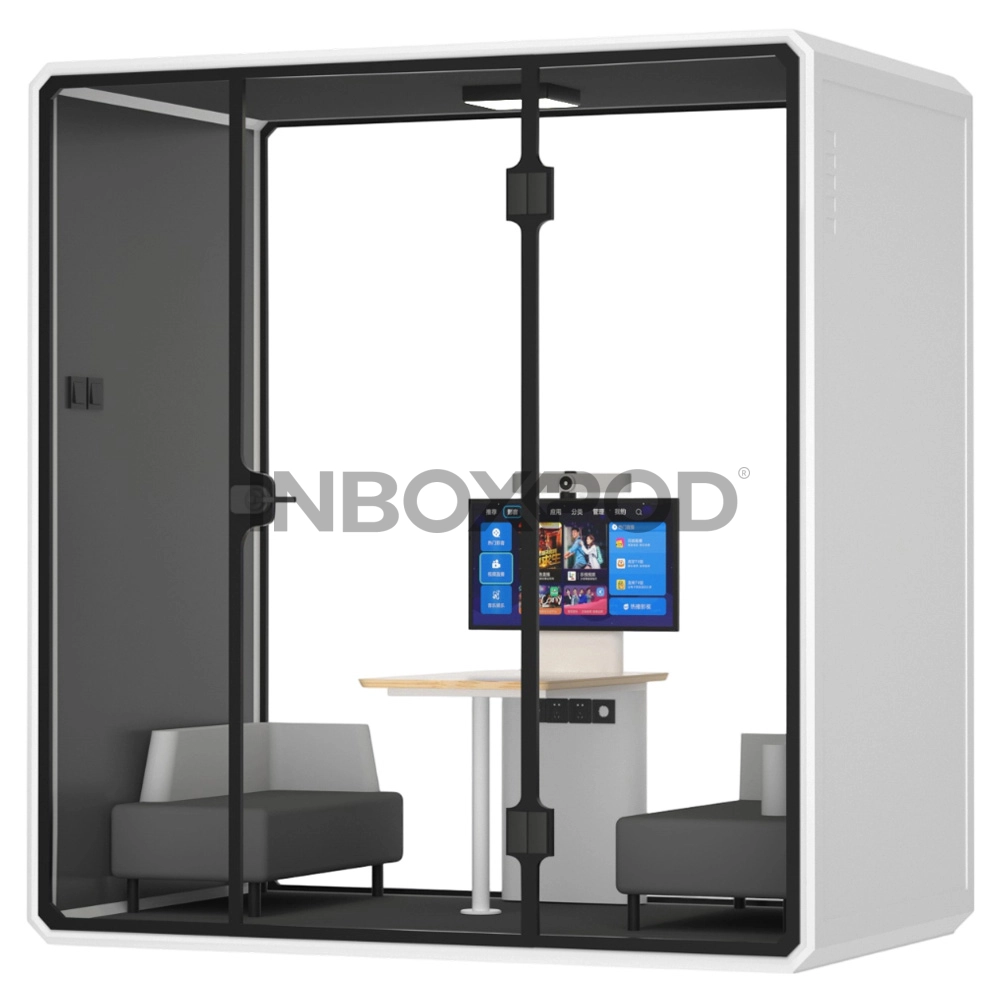
Home-demo
How long does it take to assemble an INBOXpod booth?
Most of our booths can be assembled without tools in about 30 minutes, making installation quick and hassle-free.
Do you provide after-sales support and warranty?
Yes, we provide comprehensive after-sales service and warranty to ensure long-term satisfaction with our products.
What is the typical sound insulation level of your acoustic booths?
Our booths typically achieve up to 27 dB noise reduction, meeting Class B sound insulation standards suitable for offices and study environments.
Can the booths be customized to fit specific space requirements?
Yes, we offer flexible customization options including size, color, and additional features to perfectly suit your needs.
What materials are used in the construction of the booths?
Our booths are made from sustainable, high-quality materials including aluminum alloy frames and acoustic panels designed for optimal soundproofing.
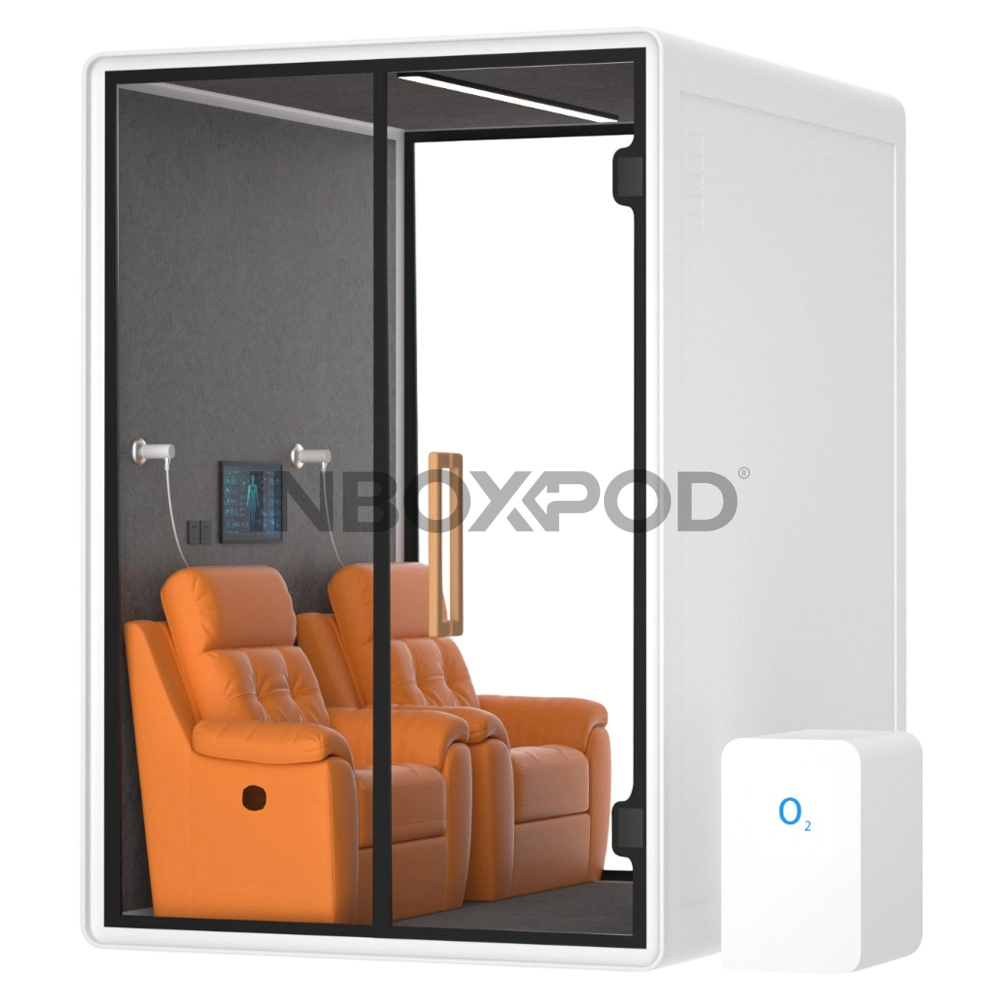
INBOXpod Double Seat Soundproof Oxygen Pod
An oxygen therapy space customized for double social interaction and health, with a double-seat design to promote a win-win situation for interaction and health. External size: W1600×D1929×H2300 mm; internal size: W1466×D1854×H2166 mm. You can improve cardiovascular function and concentration through oxygen therapy with friends and colleagues in a quiet and efficient acoustic environment, making health and social interaction complement each other.
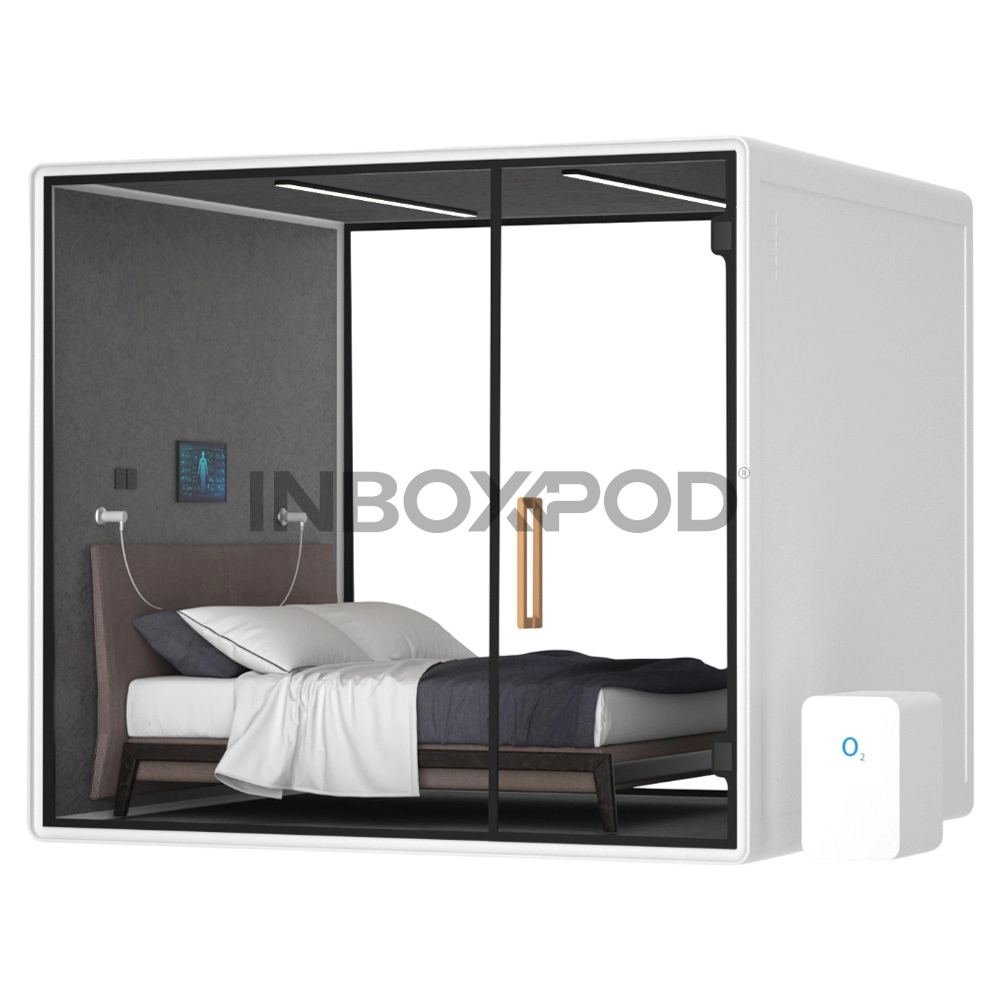
INBOXpod Soundproof Double Bed (small) Oxygen Pod
A double oxygen therapy option that balances space and experience, with a small double-bed layout suitable for various scenarios. External size: W2300×D1854×H2300 mm; internal size: W2300×D1929×H2300 mm. You can share the high-oxygen environment here with relatives and friends, relieve stress, improve physical fitness, and gain health and vitality in company.
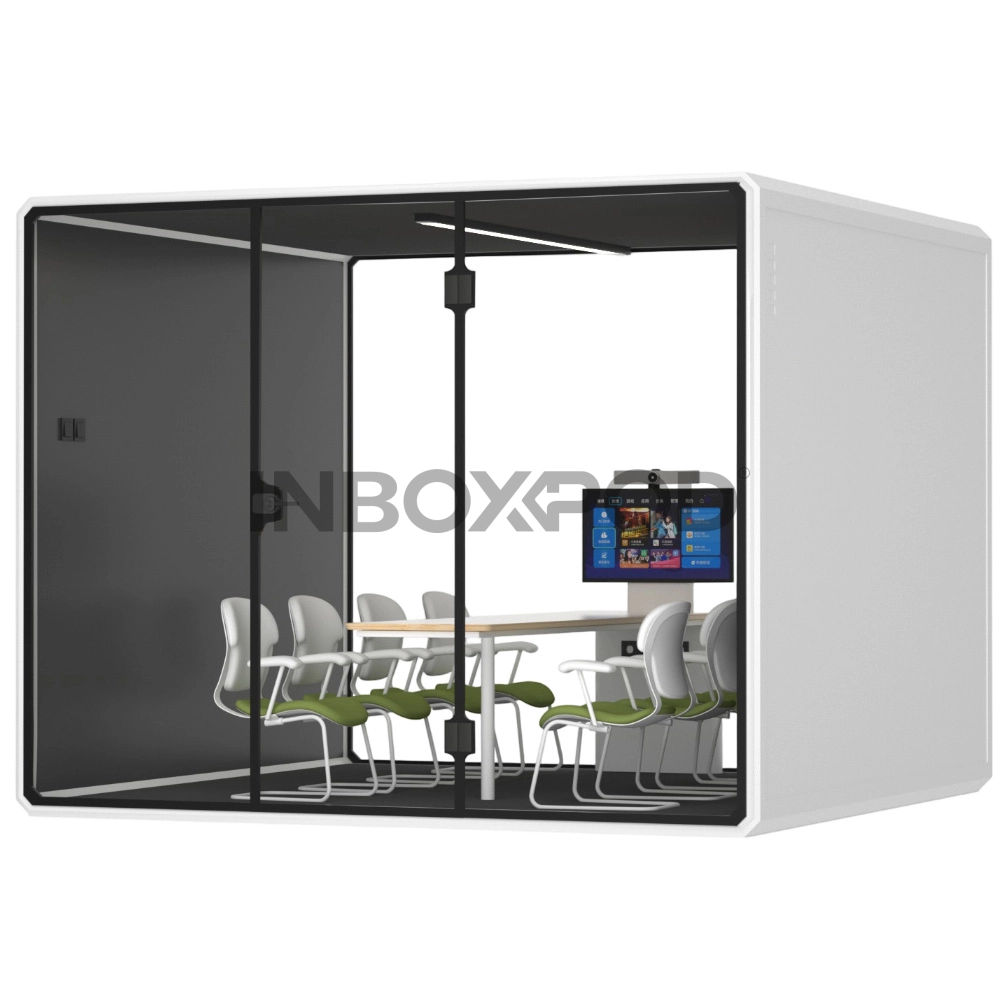
Silence Booth/Office Pod Prefabricated V series-L size
Designed for team collaboration and small meetings, the L-size booth provides a comfortable and acoustically optimized space for 4–6 people. With premium sound insulation, efficient ventilation, and integrated lighting and power systems, it ensures focus, privacy, and productivity—even in the busiest open offices.
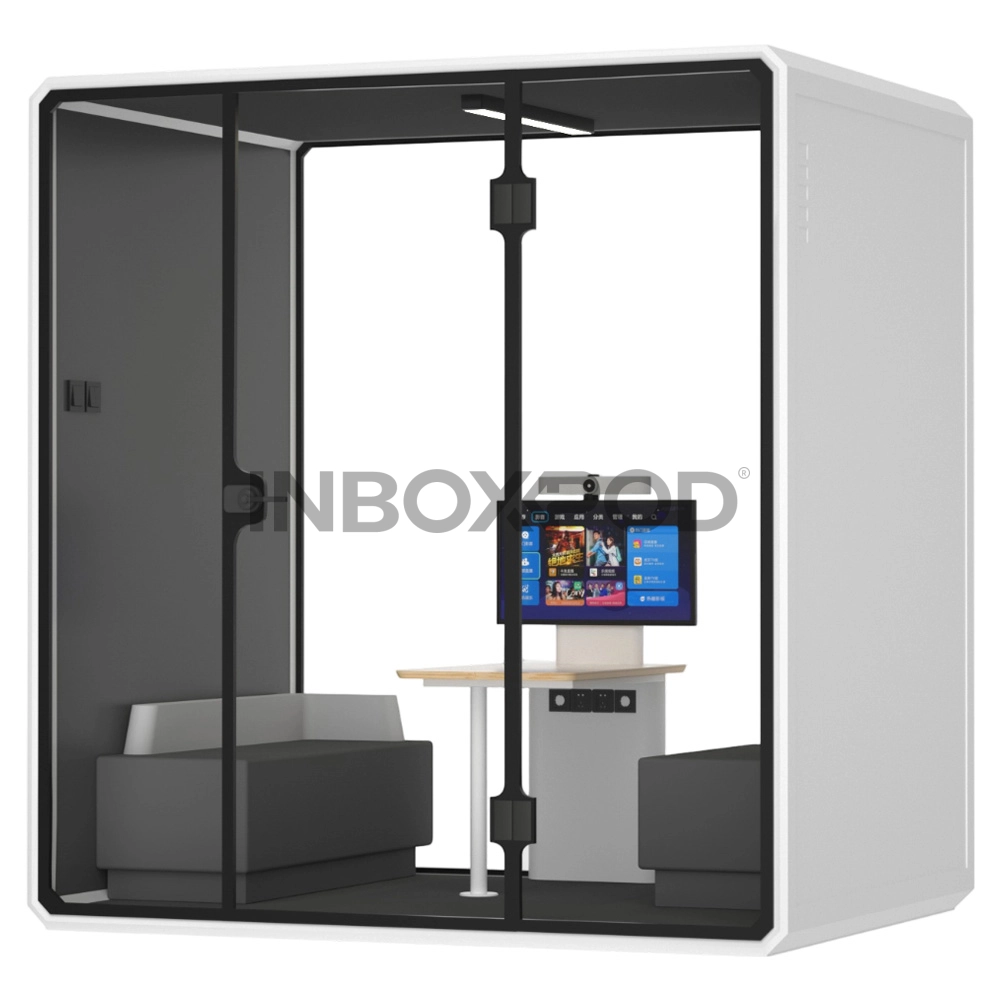
Silence Booth/Office pod Prefabricated V series - M size
Ideal for two-person discussions or focused solo work, the M-size booth offers a balanced mix of privacy and flexibility. Its advanced acoustic panels reduce external noise effectively, while the smart ventilation and lighting systems create a comfortable, quiet environment for calls, meetings, or concentrated tasks.
Stay Updated with INBOXpod Insights
Subscribe to receive the latest articles, industry news, and updates on our acoustic solutions. Stay informed and discover distribution opportunities with INBOXpod.
Whatsapp: +8613535292957