
What power, ventilation, and tech do acoustic meeting pods need?
- How much air changes per hour (ACH) is truly necessary for a small acoustic meeting pod to feel fresh and prevent stuffiness, especially for extended use, and how does this compare to general office standards?
- What kind of power outlets and USB charging capabilities are standard or recommended in a modern acoustic meeting pod to support laptops, monitors, and smartphones simultaneously without overloading the system?
- Beyond basic power, what advanced tech infrastructure (e.g., integrated displays, conferencing systems, smart controls) should I consider for an acoustic meeting pod to ensure it remains relevant for the next 5-10 years?
- When manufacturers state a dB reduction, what does that actually mean for real-world speech privacy inside and outside an acoustic pod, and how can I verify this performance effectively?
- Is special electrical wiring or structural consideration for floor loading typically required for installing an acoustic meeting pod, especially larger models, or are they mostly plug-and-play?
- What are the common maintenance requirements for ventilation fans, lighting, and acoustic panels in meeting pods, and what's the typical lifespan of these components before replacement is needed?
Acoustic meeting pods have become an indispensable element of modern office design, offering quiet workspaces amidst open-plan environments. These soundproof booths provide much-needed privacy for calls, focused work, and collaborative sessions. However, for those new to the market, understanding the intricacies of their power, ventilation, and integrated technology can be challenging. This guide aims to answer your most pressing, pain-point-oriented questions, ensuring you make an informed decision when investing in these crucial office privacy solutions.
How much air changes per hour (ACH) is truly necessary for a small acoustic meeting pod to feel fresh and prevent stuffiness, especially for extended use, and how does this compare to general office standards?
The air changes per hour (ACH) rate is critical for maintaining a comfortable and healthy environment within an enclosed acoustic meeting pod. While general office spaces might aim for 6-8 ACH according to ASHRAE standards, a small, enclosed pod requires significantly higher rates due to its compact volume and potential for rapid CO2 buildup. For a comfortable and non-stuffy experience, especially during extended use, look for acoustic pods offering upwards of 30-40 ACH, or an airflow rate of at least 70-90 m³/h per person. This ensures a rapid exchange of air, effectively removing CO2 and circulating fresh air. Some High Quality soundproof pods even integrate intelligent ventilation systems that adjust airflow based on occupancy, further optimizing air quality and energy efficiency. Without adequate ventilation, a pod, no matter how acoustically superb, will quickly become uncomfortable and counterproductive, making robust HVAC systems for pods a non-negotiable feature.
What kind of power outlets and USB charging capabilities are standard or recommended in a modern acoustic meeting pod to support laptops, monitors, and smartphones simultaneously without overloading the system?
Modern acoustic meeting pods are designed to be fully functional, integrated technology solutions. For power management solutions, the standard offering typically includes 2-4 AC power outlets (e.g., 120V in North America, 230V in Europe/Asia) suitable for laptops, external monitors, or other peripherals. Crucially, look for integrated USB-A and USB-C charging ports, especially those with Power Delivery (PD) capabilities (e.g., 60W or 100W). This allows for rapid charging of modern laptops and smartphones without needing bulky power adapters. A well-designed pod should have these power amenities readily accessible, typically integrated into the desk or wall, connected to a single standard power cord (often 10A-16A circuit compatible) for easy plug-and-play installation. Ensure the total power capacity of the pod's internal circuit is sufficient to handle multiple devices simultaneously without tripping breakers, a key factor for uninterrupted workflow in your quiet workspaces.
Beyond basic power, what advanced tech infrastructure (e.g., integrated displays, conferencing systems, smart controls) should I consider for an acoustic meeting pod to ensure it remains relevant for the next 5-10 years?
To future-proof your investment in an acoustic meeting pod, consider more than just basic power. Look for features that support seamless integration of advanced technology. This includes: VESA mount compatibility for easily installing meeting room displays (e.g., 27-inch to 55-inch monitors), pre-wired or easily installable video conferencing kits (cameras, microphones, and speakers optimized for the pod's acoustics), and network connectivity options (Ethernet ports or robust Wi-Fi repeaters). Smart meeting rooms increasingly leverage occupancy sensors for automated lighting and ventilation, integrated booking systems that display availability, and smart lighting with adjustable color temperature for enhanced comfort. Choosing a modular office pod that allows for easy upgrades or swaps of internal tech components will extend its lifespan and adaptability to evolving workplace needs, making it a truly sustainable office pod solution.
When manufacturers state a dB reduction, what does that actually mean for real-world speech privacy inside and outside an acoustic pod, and how can I verify this performance effectively?
Deciphering dB reduction claims is vital for understanding true acoustic performance. When manufacturers state a dB reduction, they are typically referring to the Weighted Sound Reduction Index (Rw), measured in a laboratory setting according to ISO standards. An Rw value of 30-35 dB generally means that normal speech outside the pod becomes largely unintelligible inside, providing good speech privacy. For higher confidentiality, where even muffled speech is undesirable, look for an Rw of 35-40+ dB. However, real-world performance can be influenced by ambient noise levels in the office (Dn,T,w – normalized apparent sound reduction). To verify effectively, ask for third-party acoustic test reports rather than just internal claims. If possible, experience the pod yourself in a busy office environment to gauge its actual sound dampening materials effectiveness. Pay attention to sound leakage from doors, seams, and ventilation ports, as these are common weak points in a pod's noise reduction capabilities.
Is special electrical wiring or structural consideration for floor loading typically required for installing an acoustic meeting pod, especially larger models, or are they mostly plug-and-play?
For the vast majority of acoustic meeting pods, installation is designed to be remarkably straightforward and plug-and-play. Most standard-sized pods (e.g., 1-person phone booths to 4-person meeting rooms) require only a standard wall outlet (a dedicated 10A-16A circuit is often recommended but not always strictly required for smaller units), similar to plugging in office appliances. They generally don't demand special electrical wiring beyond what's already present in a modern office. When it comes to structural considerations, standard office floor loading capacities are typically sufficient to accommodate most acoustic meeting pods. A typical office floor is designed to support significant distributed loads (e.g., around 2.4-4.8 kN/m² or 50-100 psf), and even larger pods distribute their weight over a substantial footprint. However, for exceptionally large collaboration spaces or if placing multiple pods close together in an older building, it's always prudent to consult a facilities manager or structural engineer to ensure compliance with building codes and to avoid exceeding local load limits. This ensures safety and longevity for your flexible workspaces.
What are the common maintenance requirements for ventilation fans, lighting, and acoustic panels in meeting pods, and what's the typical lifespan of these components before replacement is needed?
Maintenance for acoustic meeting pods is generally minimal but crucial for their longevity and optimal performance. The primary maintenance task involves replacing air filters in the ventilation system, typically every 6-12 months, depending on usage and air quality. Neglecting this can reduce airflow and fan efficiency. Ventilation fans themselves are usually designed for long-term operation, often 50,000+ hours, meaning they might not need replacement for 5-10 years or more under normal office use. LED lighting, a standard in modern pods, also boasts an impressive lifespan, often 50,000 to 100,000 hours, making replacements infrequent. Acoustic panels and sound dampening materials require little maintenance beyond occasional dusting or spot cleaning with appropriate fabric cleaners, if stained. Their lifespan is typically that of the pod itself, although physical damage can necessitate earlier repair. Regularly inspecting door seals and moving parts (if applicable) can also prevent minor issues from becoming larger problems, ensuring your quiet workspaces remain effective for years.
Investing in acoustic meeting pods elevates productivity, provides essential privacy, and adds a modern aesthetic to any office environment. By understanding the core requirements for power, ventilation, and integrated technology, alongside real-world acoustic performance and maintenance needs, you can confidently select the perfect solution for your organization's unique demands. These modular office solutions offer unparalleled flexibility and are a cornerstone of effective workspace acoustics.
Ready to transform your office with high-performance acoustic meeting pods? Contact us today for a personalized quote! Website: www.inboxpod.com, Email: sale@inboxpod.com
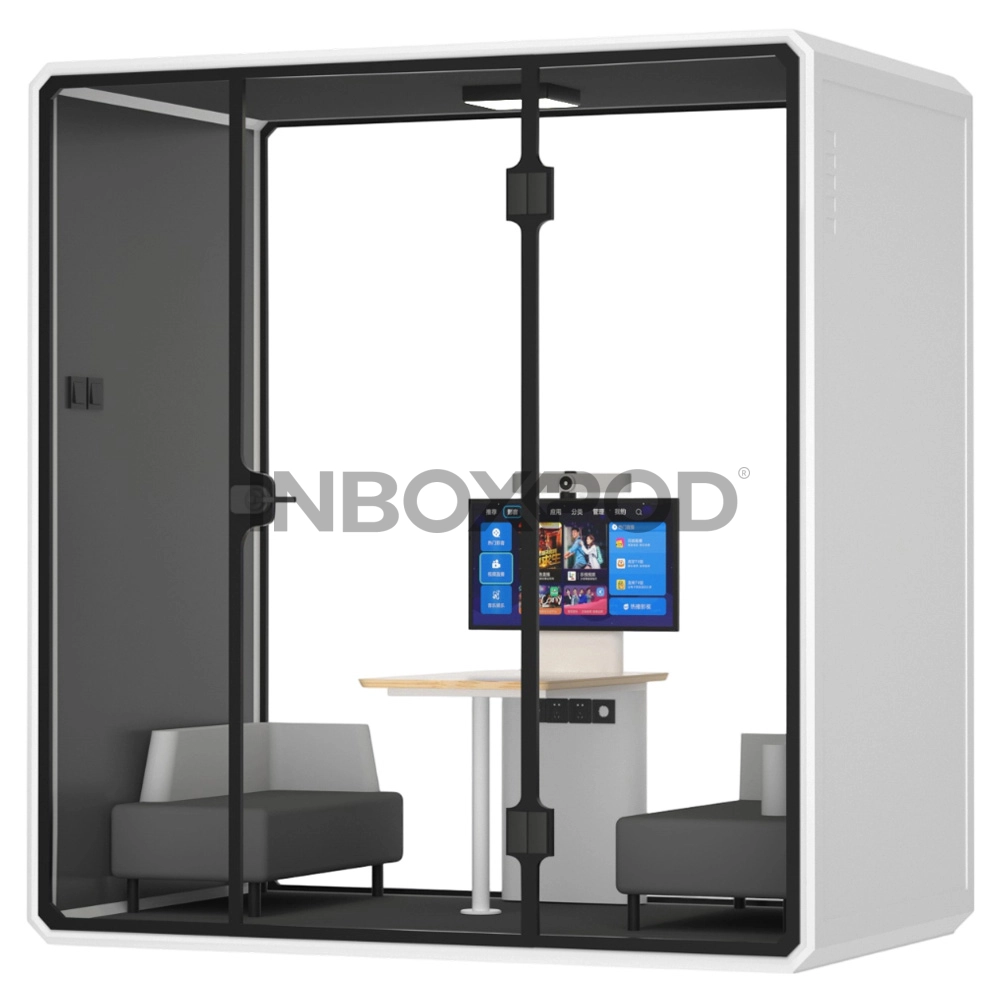
Home-demo
Do you provide after-sales support and warranty?
Yes, we provide comprehensive after-sales service and warranty to ensure long-term satisfaction with our products.
What materials are used in the construction of the booths?
Our booths are made from sustainable, high-quality materials including aluminum alloy frames and acoustic panels designed for optimal soundproofing.
What is the typical sound insulation level of your acoustic booths?
Our booths typically achieve up to 27 dB noise reduction, meeting Class B sound insulation standards suitable for offices and study environments.
Can the booths be customized to fit specific space requirements?
Yes, we offer flexible customization options including size, color, and additional features to perfectly suit your needs.
How long does it take to assemble an INBOXpod booth?
Most of our booths can be assembled without tools in about 30 minutes, making installation quick and hassle-free.
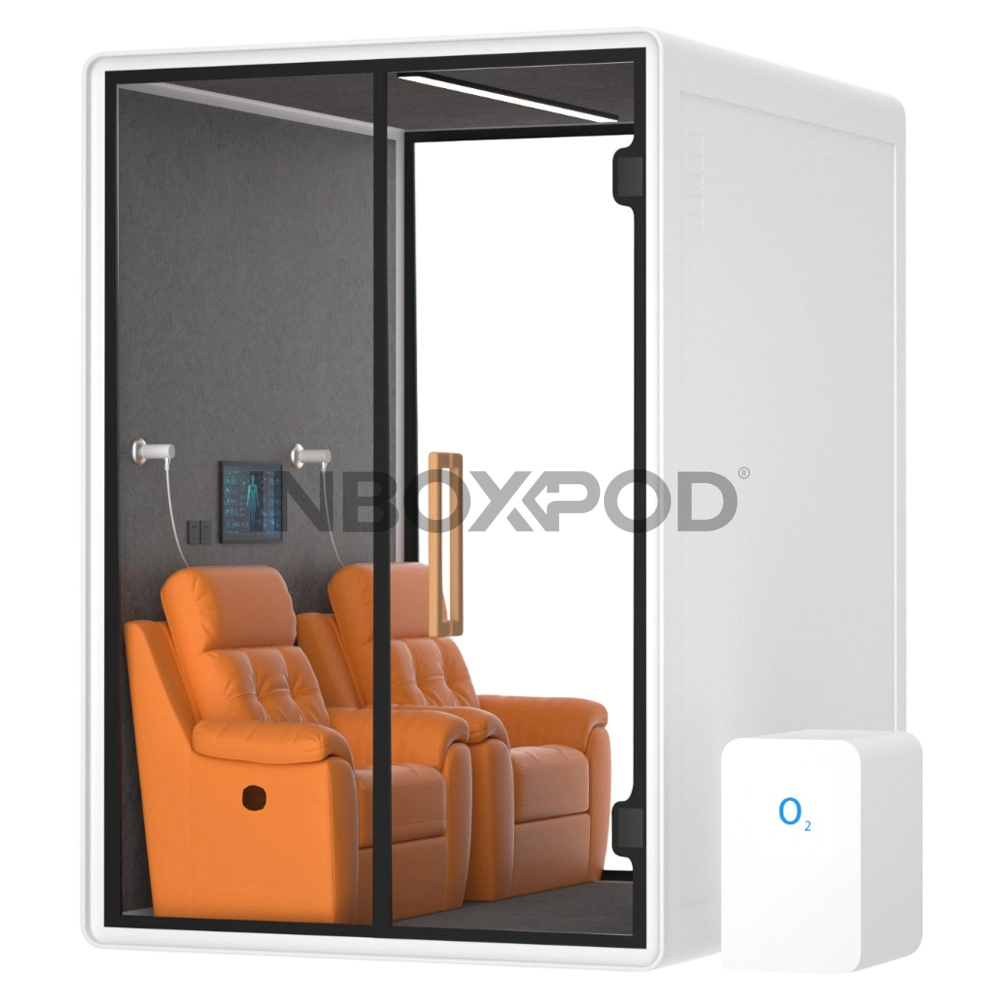
INBOXpod Double Seat Soundproof Oxygen Pod
An oxygen therapy space customized for double social interaction and health, with a double-seat design to promote a win-win situation for interaction and health. External size: W1600×D1929×H2300 mm; internal size: W1466×D1854×H2166 mm. You can improve cardiovascular function and concentration through oxygen therapy with friends and colleagues in a quiet and efficient acoustic environment, making health and social interaction complement each other.
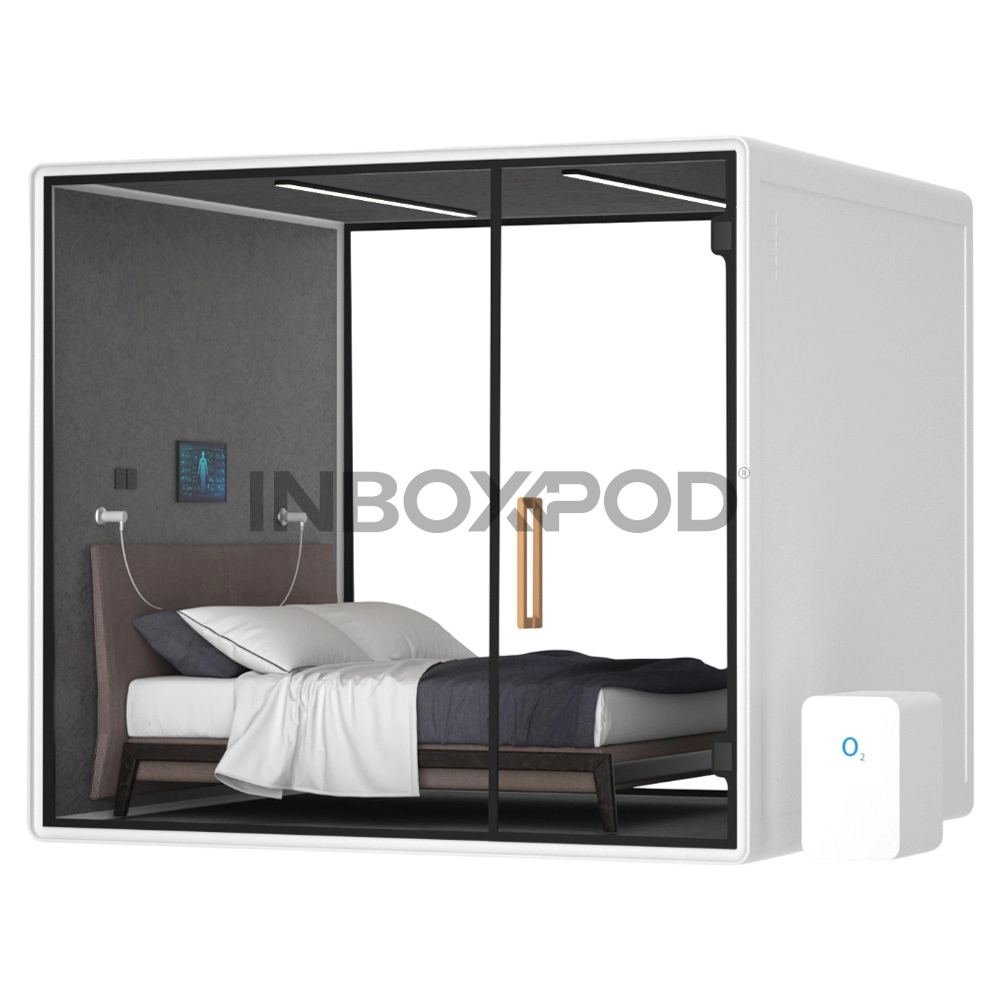
INBOXpod Soundproof Double Bed (small) Oxygen Pod
A double oxygen therapy option that balances space and experience, with a small double-bed layout suitable for various scenarios. External size: W2300×D1854×H2300 mm; internal size: W2300×D1929×H2300 mm. You can share the high-oxygen environment here with relatives and friends, relieve stress, improve physical fitness, and gain health and vitality in company.
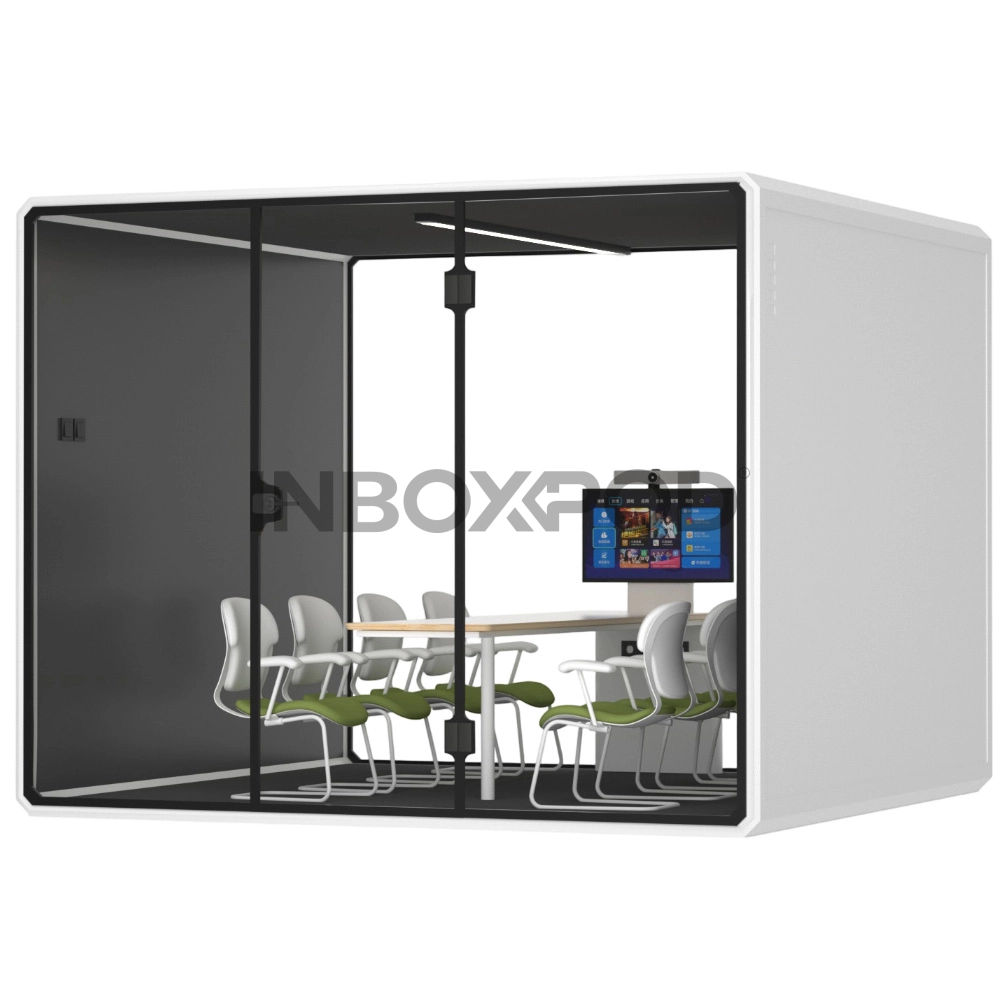
Silence Booth/Office Pod Prefabricated V series-L size
Designed for team collaboration and small meetings, the L-size booth provides a comfortable and acoustically optimized space for 4–6 people. With premium sound insulation, efficient ventilation, and integrated lighting and power systems, it ensures focus, privacy, and productivity—even in the busiest open offices.
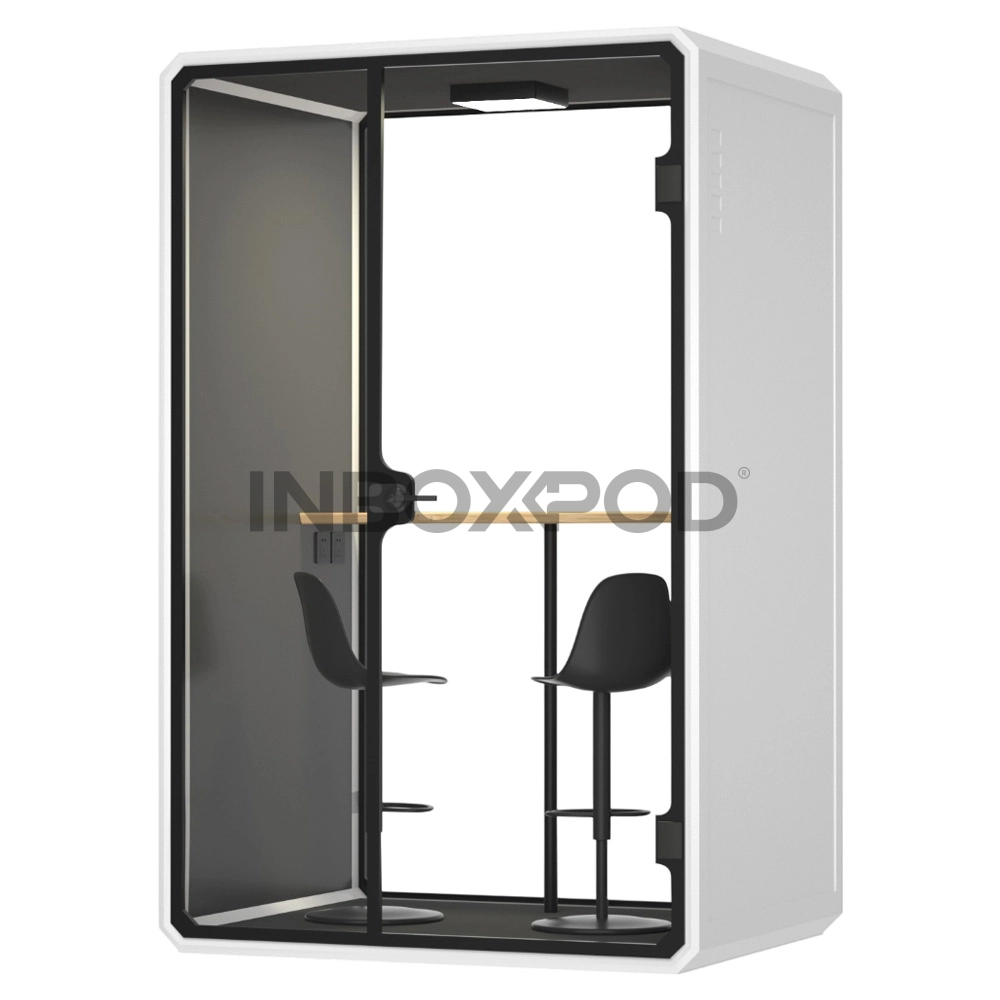
Silence Booth/Office pod Prefabricated V series - M size
Ideal for two-person discussions or focused solo work, the M-size booth offers a balanced mix of privacy and flexibility. Its advanced acoustic panels reduce external noise effectively, while the smart ventilation and lighting systems create a comfortable, quiet environment for calls, meetings, or concentrated tasks.
Stay Updated with INBOXpod Insights
Subscribe to receive the latest articles, industry news, and updates on our acoustic solutions. Stay informed and discover distribution opportunities with INBOXpod.
Whatsapp: +8613535292957