
How long is the warranty for Oxygen Health Systems units?
- What are the typical warranty terms for Oxygen Health Systems hyperbaric chambers, and how can integrating them into a soundproof pod impact long-term maintenance and unit longevity, particularly regarding environmental control and accessibility?
- How significant is the operational noise of Oxygen Health Systems hyperbaric chambers, and what specific acoustic properties of a soundproof pod are most effective in creating a tranquil, patient-centric healing environment, rather than just reducing overall decibels?
- Beyond basic setup, what critical ventilation and thermal management considerations are essential for safely operating an Oxygen Health Systems hyperbaric chamber *inside* a soundproof pod, preventing overheating or CO2 buildup and maintaining optimal atmospheric conditions?
- Given the specialized power requirements of an OHS hyperbaric chamber, what are the best practices for secure electrical integration and emergency shutdown protocols when the unit is housed within a modular soundproof enclosure, especially concerning code compliance and user safety?
- For clinics or wellness centers with limited space, how can a purpose-built soundproof pod streamline the installation process and optimize footprint for an Oxygen Health Systems hyperbaric chamber, and what are the key factors for choosing the right size and configuration?
- What are the long-term ROI benefits of investing in a high-quality soundproof pod alongside an Oxygen Health Systems hyperbaric chamber, especially regarding patient satisfaction, staff well-being, and regulatory compliance in a commercial setting?
As professional content writers and seasoned experts in both advanced wellness technologies and modular soundproof solutions, we frequently encounter similar questions from beginners looking to invest in cutting-edge equipment like Oxygen Health Systems hyperbaric chambers. While the benefits of hyperbaric oxygen therapy (HBOT) are well-documented, the practicalities of installation, operation, and longevity, especially when paired with crucial support infrastructure like soundproof pods, often leave new users with specific, unaddressed concerns. This article aims to provide in-depth, authoritative answers to those nuanced questions, integrating the critical role of sound management for an optimal therapeutic environment.
What are the typical warranty terms for Oxygen Health Systems hyperbaric chambers, and how can integrating them into a soundproof pod impact long-term maintenance and unit longevity, particularly regarding environmental control and accessibility?
Oxygen Health Systems (OHS) typically offers a standard manufacturer’s limited warranty, often ranging from one to two years on the hyperbaric chamber unit itself, with varying terms for ancillary components like air compressors, oxygen concentrators, and cooling units. It's crucial to always refer to the specific warranty document provided with your purchase, as terms can vary by model and distributor.
Integrating an OHS hyperbaric chamber within a soundproof pod can significantly influence long-term maintenance and unit longevity, primarily through optimized environmental control and controlled accessibility. A well-designed soundproof enclosure, such as those from InboxPod, provides a stable microclimate, protecting the chamber from external dust, temperature fluctuations, and humidity swings that could accelerate wear and tear on electrical components, seals, and fabrics. For instance, maintaining a consistent ambient temperature (e.g., between 68-75°F or 20-24°C) and controlled humidity (e.g., 40-60%) reduces stress on the chamber's internal cooling system and the oxygen concentrator's filtration, extending their operational life.
However, it also introduces a need for thoughtful design regarding accessibility. Regular maintenance – such as filter changes for the compressor and concentrator, external cleaning, and seal inspections – requires unobstructed access. A soundproof pod must feature easily removable panels, hinged doors, or integrated service hatches designed specifically for the dimensions and access points of the OHS chamber. Furthermore, the pod’s internal environment needs active monitoring for temperature and airflow to ensure the chamber isn't overheating, which can void warranties or prematurely degrade components. Investing in a modular, serviceable soundproof pod ensures you gain noise reduction benefits without compromising essential maintenance access or the chamber's longevity.
How significant is the operational noise of Oxygen Health Systems hyperbaric chambers, and what specific acoustic properties of a soundproof pod are most effective in creating a tranquil, patient-centric healing environment, rather than just reducing overall decibels?
The operational noise of Oxygen Health Systems hyperbaric chambers, while generally considered mild hyperbaric oxygen therapy (mHBOT) units, can still be a significant factor in clinical or wellness settings. The primary noise sources are the air compressor (often located externally or nearby) and the oxygen concentrator. These components can generate sound levels typically ranging from 50 to 70 dB(A), similar to a quiet conversation or a refrigerator hum. While not excessively loud, this continuous background noise can detract from the serene, therapeutic atmosphere desired during a hyperbaric oxygen session, impacting patient comfort and relaxation, especially over extended treatment times.
To create a truly tranquil, patient-centric healing environment, a soundproof pod needs to go beyond mere decibel reduction. Specific acoustic properties are paramount:
- Broadband Attenuation: Effective soundproofing must reduce noise across a wide frequency spectrum, not just high or low pitches. This means addressing both the hum of motors (lower frequencies) and the whirring of fans (mid-high frequencies).
- High STC (Sound Transmission Class) Rating: An STC rating of 30-40+ is generally effective for significant speech privacy and reducing mechanical noise. This is achieved through multiple layers of dense materials, air gaps, and decoupling techniques.
- Mass-Loaded Vinyl (MLV) and Damping Layers: MLV is excellent for blocking low-frequency noise and vibrations. Incorporating damping materials within the pod's walls helps to dissipate sound energy, preventing resonance and secondary noise generation.
- Acoustic Absorption: Beyond blocking sound, internal acoustic panels (e.g., upholstered mineral wool, polyester fiber panels) are critical to absorb reverberation within the pod. This creates a quieter internal environment for the patient, reducing echoes and creating a perceived sense of calm, which is vital for therapeutic efficacy.
- Airtight Construction with Acoustic Seals: Even small gaps can compromise soundproofing. Doors, windows, and utility pass-throughs must have high-quality acoustic seals to prevent sound leaks.
By focusing on these specific acoustic properties, a soundproof pod transforms the OHS hyperbaric chamber experience from merely tolerable to genuinely therapeutic, enhancing patient compliance and overall satisfaction.
Beyond basic setup, what critical ventilation and thermal management considerations are essential for safely operating an Oxygen Health Systems hyperbaric chamber *inside* a soundproof pod, preventing overheating or CO2 buildup and maintaining optimal atmospheric conditions?
Operating an Oxygen Health Systems hyperbaric chamber within a confined soundproof pod introduces crucial ventilation and thermal management considerations beyond standard open-room setups. Neglecting these can lead to overheating of both the chamber and its ancillary equipment, compromised atmospheric conditions, and even safety risks like CO2 buildup.
Key considerations include:
- Active Air Exchange: The OHS chamber itself uses ambient air for its compressor and often expels warm air. The soundproof pod must have an independent, active ventilation system with dedicated intake and exhaust fans. This system should be designed to turn over the pod's air volume multiple times per hour, typically 6-10 air changes per hour (ACH) or more, depending on the chamber's heat output and the pod's volume.
- Heat Load Calculation: Accurately calculate the heat generated by the hyperbaric chamber, its compressor, and the oxygen concentrator (often specified in BTUs/hour or Watts by the manufacturer). The soundproof pod's ventilation and/or HVAC system must be sized to effectively dissipate this heat load, preventing internal temperatures from exceeding the chamber's operational limits (e.g., typically 86°F or 30°C for many HBOT units).
- Dedicated HVAC Integration: For optimal control, the soundproof pod might require its own compact HVAC unit or integration with the building's central system, providing conditioned air directly into the pod. This ensures stable temperature and humidity within the desired operational range for the OHS unit.
- CO2 Monitoring (Optional but Recommended): While OHS chambers have their own fresh air intake, continuous patient respiration within a confined space, even if well-ventilated, can lead to slight CO2 increases. For enhanced safety and peace of mind, especially in longer sessions or facilities with multiple units, installing a non-dispersive infrared (NDIR) CO2 monitor inside the pod can provide real-time feedback, alerting operators if levels approach concerning thresholds (e.g., >1000 ppm).
- Noise-Dampened Ventilation: Critically, the ventilation system for the soundproof pod itself must be acoustically treated. This means using inline duct silencers, insulated flexible ducting, and low-noise fans to ensure the benefits of soundproofing aren't undone by noisy airflow.
Properly engineered ventilation and thermal management are non-negotiable for safe, efficient, and long-lasting operation of an OHS hyperbaric chamber within a soundproof enclosure, protecting both the investment and the user.
Given the specialized power requirements of an OHS hyperbaric chamber, what are the best practices for secure electrical integration and emergency shutdown protocols when the unit is housed within a modular soundproof enclosure, especially concerning code compliance and user safety?
Integrating the specialized power requirements of an Oxygen Health Systems hyperbaric chamber into a modular soundproof enclosure demands meticulous planning to ensure secure electrical operation, emergency readiness, and adherence to local electrical codes. The chamber, compressor, and oxygen concentrator often require dedicated circuits and specific voltage/amperage, sometimes 240V or multiple 120V circuits.
Best practices for electrical integration and emergency shutdown protocols include:
- Dedicated Circuits: Each major component (chamber, compressor, concentrator) should ideally be on its own dedicated circuit. This prevents overloading, minimizes electrical interference, and allows for isolated troubleshooting or maintenance without affecting other equipment. Ensure the electrical panel has sufficient capacity and proper breakers (e.g., GFCI/AFCI as required by code).
- Professional Installation: All electrical work within and connecting to the soundproof pod and hyperbaric chamber must be performed by a licensed electrician in accordance with local electrical codes (e.g., NEC in the U.S. or similar national standards). This ensures proper wiring, grounding, and fuse/breaker sizing.
- Emergency Power Disconnect (EPD): A clearly marked, easily accessible Emergency Power Disconnect (often a 'kill switch' or 'e-stop' button) is paramount. This EPD should be located both inside the soundproof pod (for the patient/operator) and outside the pod (for external personnel). It must simultaneously cut power to all primary components of the OHS hyperbaric system, including the chamber, compressor, and concentrator. This is a critical safety feature for any unexpected event.
- Conduit and Cable Management: All wiring entering and exiting the soundproof pod should be housed in appropriate conduit or secured through designated, acoustically sealed pass-throughs. This not only maintains the soundproofing integrity but also protects cables from damage and ensures a tidy, compliant installation. Flexible conduit can be used for connections to the chamber itself to allow for slight movement if the pod is modular or temporary.
- Grounding: Proper grounding of both the hyperbaric chamber and the soundproof pod's metallic frame (if applicable) is essential to prevent electrical shock hazards.
- Labeling: All circuits, switches, and emergency controls must be clearly labeled to avoid confusion during operation or emergencies.
Adhering to these best practices ensures that the powerful electrical needs of the OHS hyperbaric chamber are managed safely and compliantly within its soundproof environment, safeguarding both equipment and individuals.
For clinics or wellness centers with limited space, how can a purpose-built soundproof pod streamline the installation process and optimize footprint for an Oxygen Health Systems hyperbaric chamber, and what are the key factors for choosing the right size and configuration?
For clinics or wellness centers facing the common challenge of limited space, a purpose-built soundproof pod offers a highly effective solution for streamlining the installation and optimizing the footprint of an Oxygen Health Systems hyperbaric chamber. Instead of expensive, disruptive, and time-consuming custom construction, a modular soundproof pod provides a ready-made, acoustically engineered enclosure that integrates seamlessly into existing floor plans.
How it streamlines installation and optimizes footprint:
- Modular Construction: Pods are pre-fabricated and assembled on-site, significantly reducing installation time and construction mess compared to traditional build-outs. This means minimal downtime for the clinic.
- Compact, Defined Footprint: A pod creates a dedicated, self-contained space for the chamber and its ancillary equipment (compressor, concentrator). This allows for precise space planning, preventing 'sprawl' of equipment and wiring, and maximizing usable floor area elsewhere in the facility.
- No Structural Renovation: Pods are typically non-load-bearing, meaning they don't require structural modifications to the building, simplifying permitting and reducing costs.
- Relocatable Asset: Unlike permanent construction, a modular pod is a valuable, relocatable asset. If the clinic expands or moves, the pod and chamber can be transported, protecting the initial investment.
Key factors for choosing the right size and configuration:
- Chamber Dimensions + Buffer: Measure the exact dimensions of your OHS hyperbaric chamber. Then, add sufficient internal buffer space (e.g., 1-2 feet on each side, plus overhead) for patient entry/exit, operator access, routine maintenance, and proper airflow around the unit. Do not underestimate the space required for the compressor and concentrator, which often sit adjacent to the chamber.
- Ancillary Equipment Integration: Determine if the compressor and oxygen concentrator will be housed inside the pod (for maximum noise reduction) or outside. If inside, ensure the pod's dimensions can comfortably accommodate them, factoring in their heat output and ventilation needs.
- Patient Flow and Comfort: Consider how patients will enter and exit the chamber within the pod. Ensure there's enough room for comfortable movement, and potentially a small chair or bench for preparation.
- Operator Access: The operator needs adequate space to comfortably monitor the chamber controls and assist the patient.
- Door and Window Placement: Strategically place the pod's door for easy access and the window (if desired) for natural light or visibility. Ensure the door opens in a way that doesn't impede other clinic functions.
- Acoustic Performance Requirements: While optimizing space, don't compromise on the required STC rating and internal acoustic treatment. A small pod might require even more robust soundproofing to achieve the desired quietness due to less internal volume for sound dissipation.
By carefully considering these factors, a soundproof pod becomes an intelligent, space-efficient solution, allowing clinics to offer hyperbaric oxygen therapy without needing extensive, costly, or disruptive renovations.
What are the long-term ROI benefits of investing in a high-quality soundproof pod alongside an Oxygen Health Systems hyperbaric chamber, especially regarding patient satisfaction, staff well-being, and regulatory compliance in a commercial setting?
Investing in a high-quality soundproof pod alongside an Oxygen Health Systems hyperbaric chamber yields substantial long-term Return on Investment (ROI) that extends far beyond immediate noise reduction. This strategic pairing creates a superior therapeutic environment, directly impacting patient experience, staff productivity, and adherence to crucial regulatory standards in a commercial setting.
Key Long-Term ROI Benefits:
- Elevated Patient Satisfaction & Retention: A quiet, private, and professionally presented hyperbaric environment significantly enhances the patient experience. Patients can relax more deeply, potentially improving therapeutic outcomes for conditions like wound healing or sports recovery. This leads to higher satisfaction scores, positive word-of-mouth referrals, and increased patient retention, directly contributing to revenue growth.
- Enhanced Staff Well-being & Productivity: Continuous exposure to even moderate noise levels can contribute to staff fatigue, stress, and reduced concentration. A soundproof enclosure isolates the operational noise of the HBOT chamber, creating a calmer workspace for staff. This improves focus, reduces errors, and boosts overall job satisfaction, leading to lower staff turnover and increased productivity.
- Compliance with Noise Regulations & Zoning: Many commercial zones and healthcare facilities have strict noise ordinances or internal acoustic guidelines. A high-quality soundproof pod helps facilities meet or exceed these requirements, mitigating potential fines, complaints, or operational restrictions. It demonstrates a commitment to a professional and respectful environment.
- Optimized Space Utilization & Flexibility: As discussed, modular pods efficiently utilize space, allowing for the strategic placement of hyperbaric chambers in diverse layouts. This flexibility means facilities can expand services without extensive, costly construction, maximizing the ROI on floor space.
- Extended Equipment Lifespan & Reduced Maintenance: By providing a controlled environment, a soundproof pod protects the hyperbaric chamber and its ancillary equipment from dust, temperature extremes, and external elements. This can extend the lifespan of sensitive components, reduce the frequency of repairs, and lower overall maintenance costs, thereby improving the chamber's lifetime ROI.
- Reinforced Brand Image & Professionalism: A dedicated, quiet, and aesthetically pleasing soundproof pod conveys a strong message of professionalism, quality, and patient-centered care. This enhances the clinic's brand image, making it more attractive to prospective clients and setting it apart from competitors.
- Future-Proofing & Relocatability: A modular soundproof pod is an asset that can be relocated if the business moves or reconfigures its space. This adaptability safeguards the initial investment, providing a long-term, flexible solution.
In essence, a high-quality soundproof pod transforms the investment in an Oxygen Health Systems hyperbaric chamber from a simple equipment purchase into a comprehensive solution for delivering superior hyperbaric oxygen therapy, with tangible benefits across operational efficiency, patient care, and financial returns.
Pairing your Oxygen Health Systems hyperbaric chamber with a meticulously designed soundproof pod from InboxPod ensures not only optimal therapeutic conditions but also a tranquil, efficient, and compliant operational environment. This synergistic approach maximizes your investment by extending equipment longevity, elevating patient and staff satisfaction, and bolstering your professional image in the competitive wellness market.
For a personalized consultation and a quote on how InboxPod can integrate seamlessly with your Oxygen Health Systems hyperbaric chamber, please contact us today. Our experts are ready to assist you in designing the perfect acoustic solution for your needs. Visit us at www.inboxpod.com or email sale@inboxpod.com.
Home-demo
What is the typical sound insulation level of your acoustic booths?
Our booths typically achieve up to 27 dB noise reduction, meeting Class B sound insulation standards suitable for offices and study environments.
Can the booths be customized to fit specific space requirements?
Yes, we offer flexible customization options including size, color, and additional features to perfectly suit your needs.
What materials are used in the construction of the booths?
Our booths are made from sustainable, high-quality materials including aluminum alloy frames and acoustic panels designed for optimal soundproofing.
Do you provide after-sales support and warranty?
Yes, we provide comprehensive after-sales service and warranty to ensure long-term satisfaction with our products.
How long does it take to assemble an INBOXpod booth?
Most of our booths can be assembled without tools in about 30 minutes, making installation quick and hassle-free.
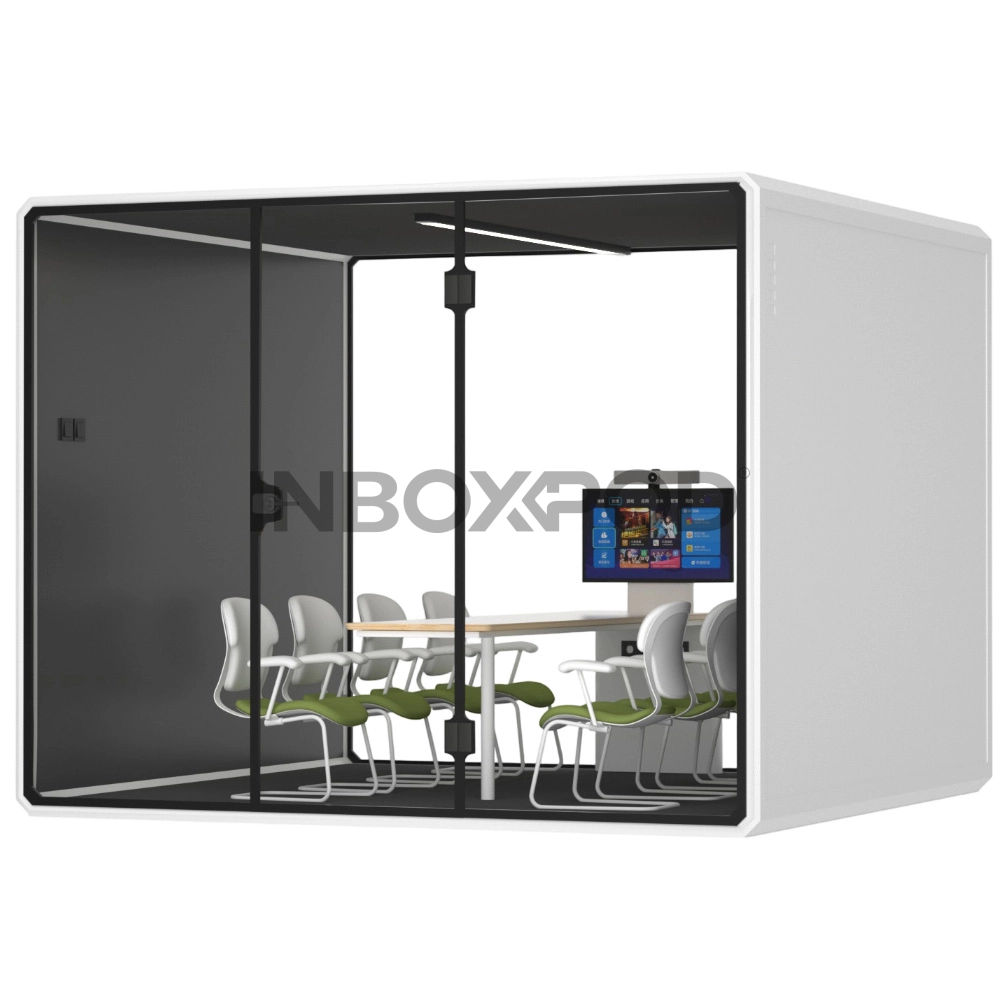
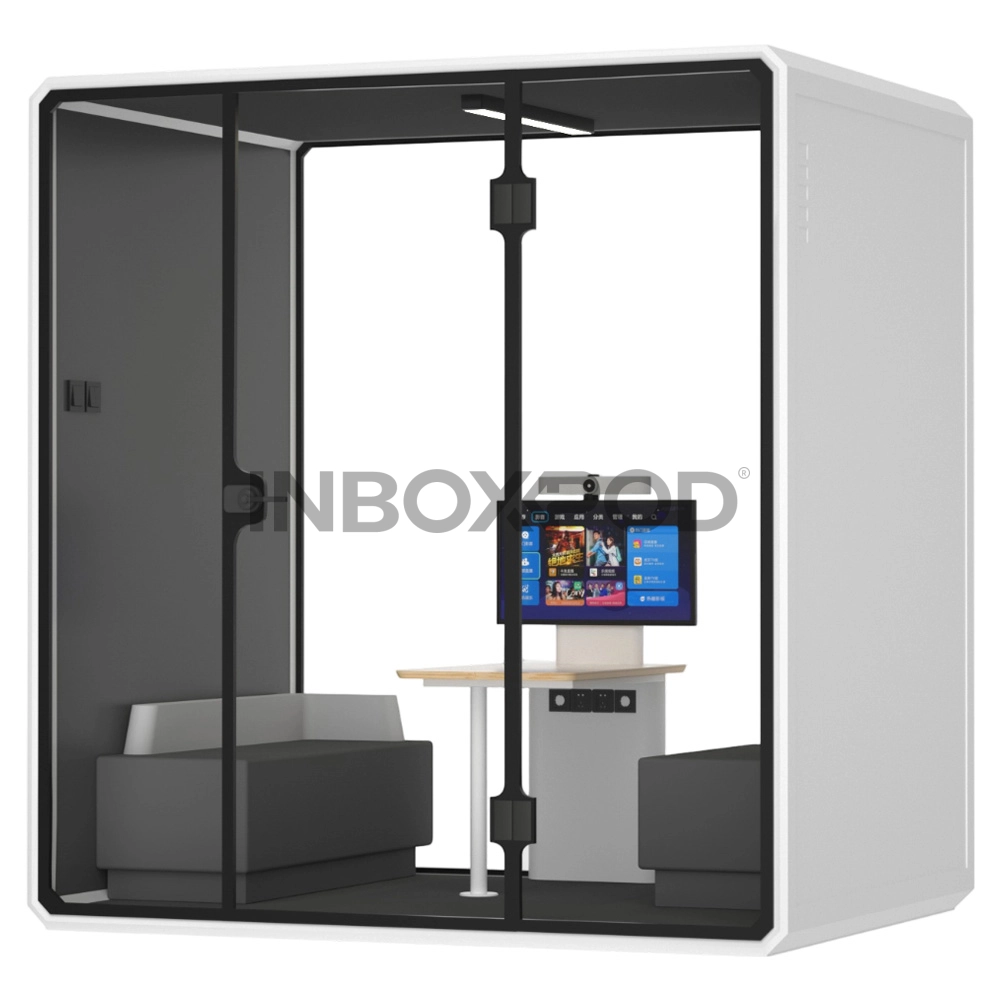
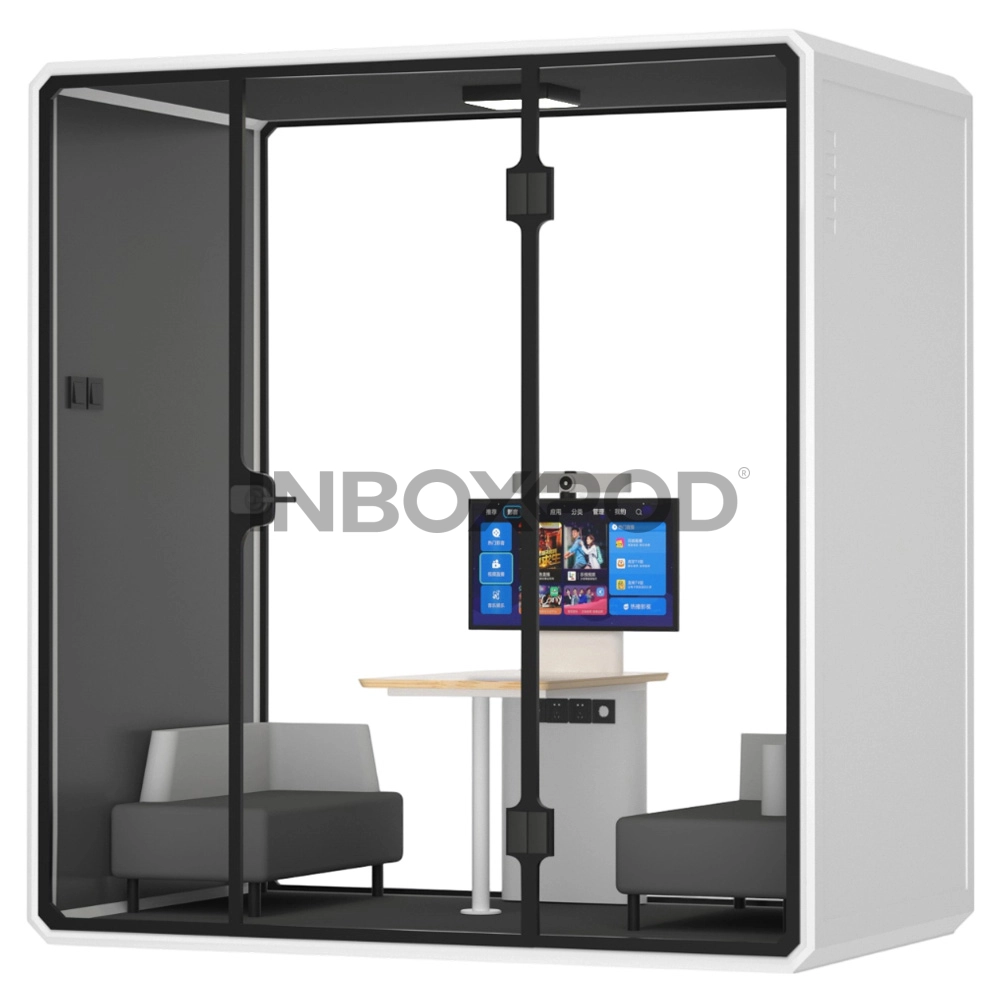
Silence Booth/Office pod Prefabricated V series-XL size
Designed for team collaboration and creative meetings, the XL-size booth provides a spacious and quiet environment that accommodates 4–6 people comfortably. Featuring premium sound insulation, integrated ventilation, and customizable lighting, it transforms any open space into a private meeting room—ideal for brainstorming, interviews, or hybrid meetings.
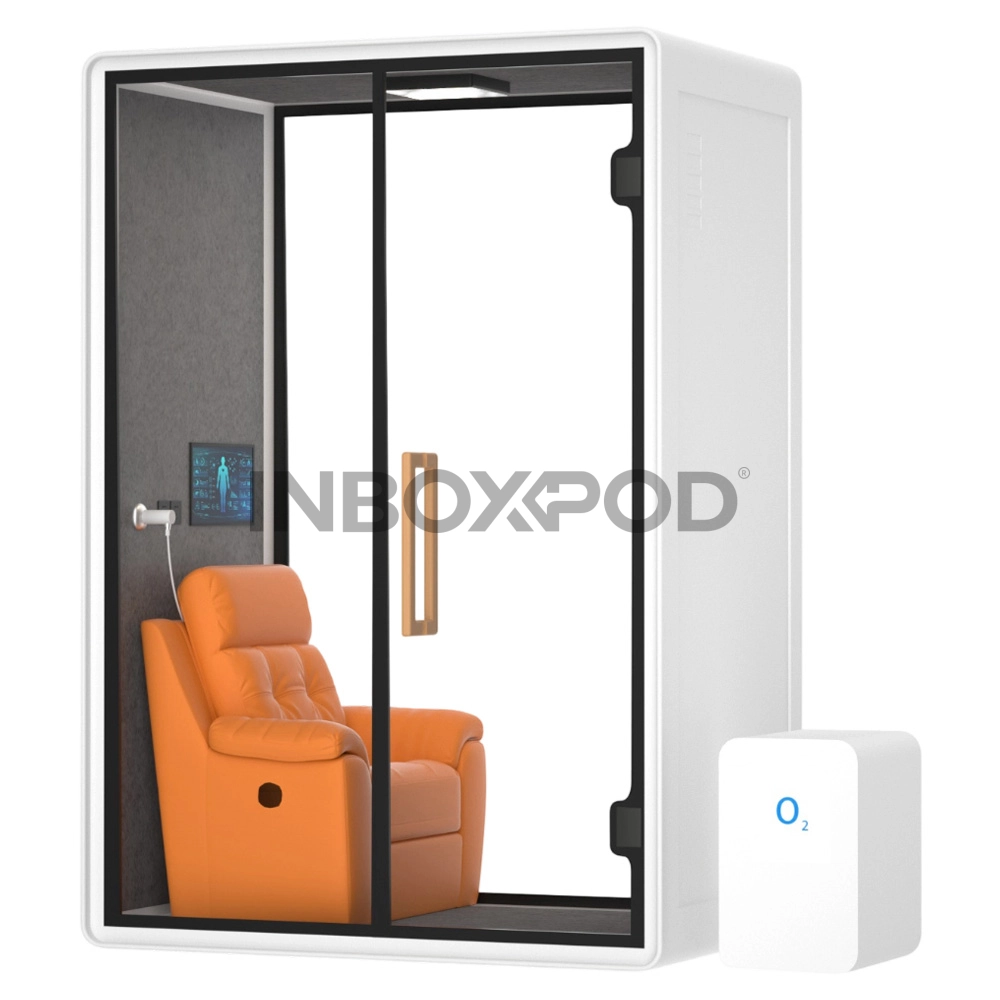
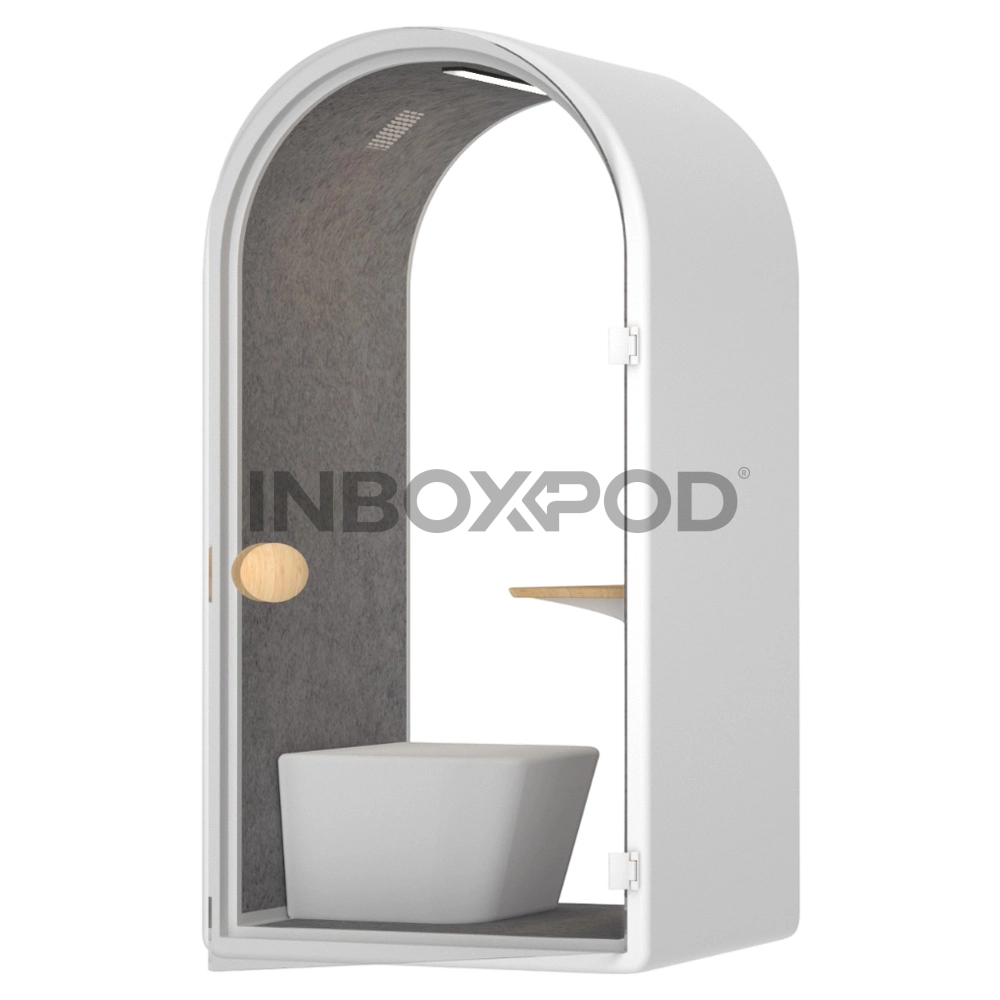
INBOXpod Soundproof Single seat Oxygen Pod
A delicate and compact personal oxygen therapy secret, with a single-seat layout that is flexible and convenient. External size: W1600×D1028×H2300 mm; internal size: W1466×D953×H2166 mm. Create a quiet, private domain for you, where you can inhale high-purity oxygen efficiently during daily relaxation or postoperative recovery, helping to improve cardiopulmonary function and mental state.
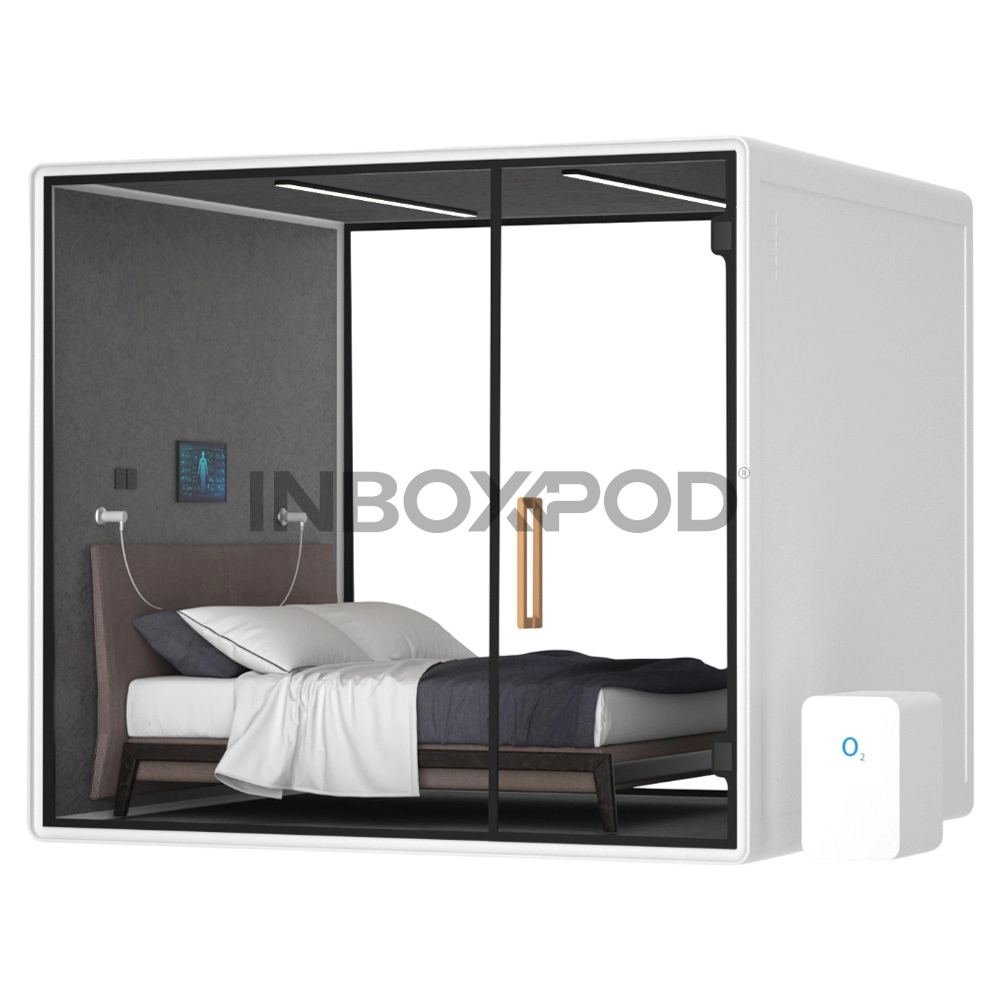
INBOXpod Soundproof Double Bed (small) Oxygen Pod
A double oxygen therapy option that balances space and experience, with a small double-bed layout suitable for various scenarios. External size: W2300×D1854×H2300 mm; internal size: W2300×D1929×H2300 mm. You can share the high-oxygen environment here with relatives and friends, relieve stress, improve physical fitness, and gain health and vitality in company.
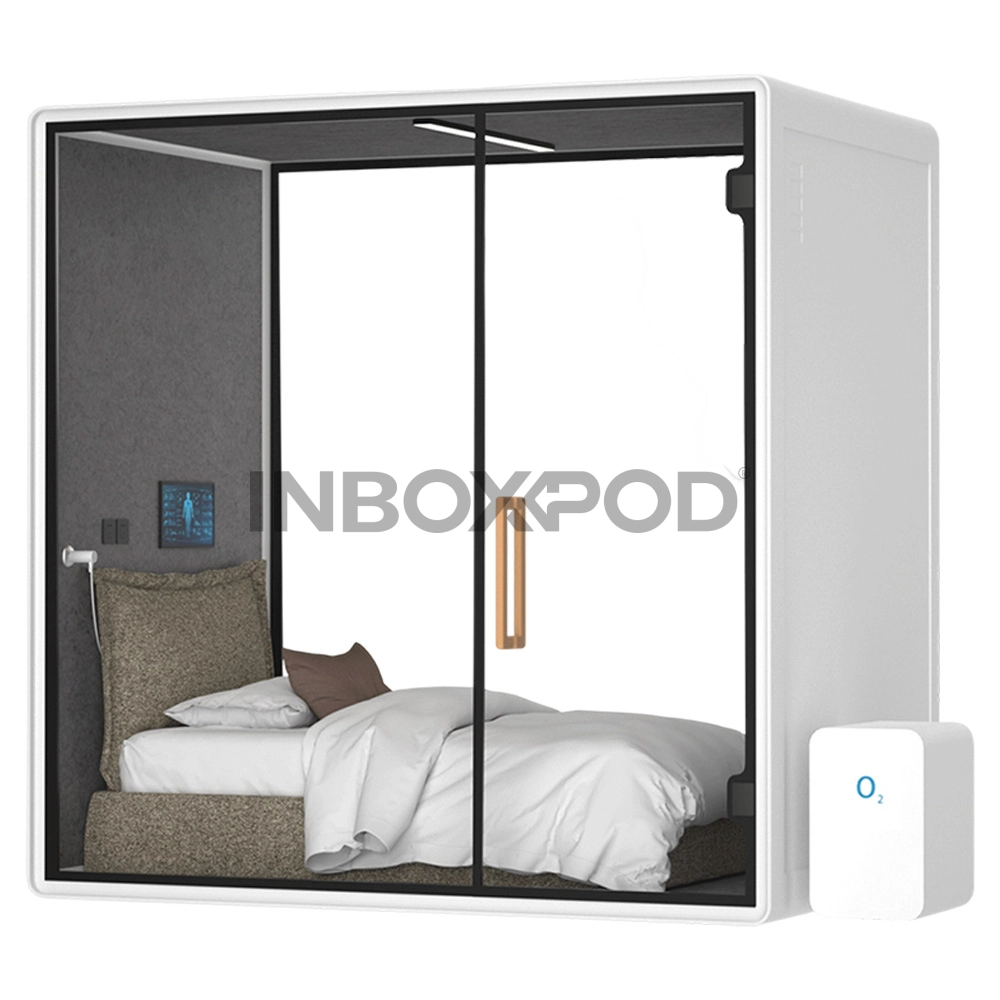
Soundproof Single Bed Oxygen Pod Therapy
Create an immersive deep health oxygen therapy space for you, with a single bed design for ultimate comfort. External size: W2300×D1478×H2300 mm; internal size: W2166×D1403×H2166 mm. Enjoy the nourishment of high-concentration oxygen while lying down, improve sleep, relieve fatigue, enhance immunity, and start a journey of health renewal.
Stay Updated with INBOXpod Insights
Subscribe to receive the latest articles, industry news, and updates on our acoustic solutions. Stay informed and discover distribution opportunities with INBOXpod.
Whatsapp: +8613535292957