
What to check when buying an Oxygen Health Systems chamber?
- Beyond the stated maximum pressure, what specific material certifications, internal air quality systems, and safety redundancies should I meticulously scrutinize for an Oxygen Health Systems hyperbaric chamber for long-term home or clinic use?
- What are the realistic noise output levels of Oxygen Health Systems hyperbaric chamber compressors and ancillary equipment, and what are effective strategies to mitigate this operational sound for optimal therapeutic environments, especially in shared spaces?
- How does an Oxygen Health Systems chamber’s integrated oxygen delivery system and concentrator ensure consistent purity and flow during prolonged sessions, and what are the critical maintenance checks for these components to prevent purity degradation or system failures?
- When setting up a personal Oxygen Health Systems hyperbaric chamber, what are the true electrical requirements and average monthly operational costs, considering both power consumption and routine consumables like air filters and oxygen supply?
- Beyond the initial purchase, what are the expected long-term durability and typical lifespan of key components in an Oxygen Health Systems soft-sided vs. hard-sided hyperbaric chamber, and how do their respective maintenance schedules differ?
- What are the best practices for selecting and implementing internal communication systems and ensuring robust emergency protocols for Oxygen Health Systems hyperbaric chambers, particularly for single-user home applications or unattended clinical sessions?
Embarking on the journey of hyperbaric oxygen therapy (HBOT) by investing in an Oxygen Health Systems hyperbaric chamber is a significant decision. While the prospect of enhanced wellness is exciting, navigating the technical specifications and long-term considerations can be daunting for beginners. Our team at Inbox Pod, with extensive experience in both advanced therapeutic environments and precision soundproof solutions, has identified key questions that are frequently asked but often lack the detailed, up-to-date answers needed for truly informed purchasing decisions. We’ll delve into these questions, also exploring how an acoustic enclosure like a soundproof pod can dramatically enhance your hyperbaric oxygen therapy experience.
Beyond the stated maximum pressure, what specific material certifications, internal air quality systems, and safety redundancies should I meticulously scrutinize for an Oxygen Health Systems hyperbaric chamber for long-term home or clinic use?
While maximum operational pressure is a primary concern, the unseen aspects of safety and construction are equally, if not more, critical for any hyperbaric chamber, especially for prolonged use. For Oxygen Health Systems chambers, look beyond basic pressure ratings to these vital areas:
- Material Certifications (Pressure Vessel Integrity): For hard chambers, ensure compliance with ASME PVHO-1 (Pressure Vessels for Human Occupancy) standards. This globally recognized certification dictates stringent design, fabrication, inspection, and testing protocols for vessels containing human occupants under pressure. For soft-sided mild hyperbaric oxygen therapy (mHBOT) chambers, look for robust fabric specifications (e.g., medical-grade TPU or similar durable, non-toxic materials) and reinforced seams capable of sustaining repeated pressurization cycles without degradation. The viewing ports should be made of high-quality, shatter-resistant acrylic, compliant with safety standards.
- Internal Air Quality Systems: Effective air management is paramount. Scrutinize the chamber's ventilation system, which should actively circulate and replace internal air to prevent CO2 buildup. Reputable systems incorporate medical-grade air filters (e.g., HEPA filters for particulate matter and activated carbon filters for volatile organic compounds) on the intake. Some advanced systems may even include internal CO2 monitoring with alarms. The oxygen supply from the oxygen concentrator should consistently deliver 90-95% pure oxygen.
- Safety Redundancies: Essential features include multiple independent pressure relief valves, easily accessible internal and external emergency depressurization controls, and secure zipper or door-locking mechanisms that prevent accidental opening under pressure. For electrical components, verify UL or CE certifications, ensuring proper grounding and overload protection.
What are the realistic noise output levels of Oxygen Health Systems hyperbaric chamber compressors and ancillary equipment, and what are effective strategies to mitigate this operational sound for optimal therapeutic environments, especially in shared spaces?
The operational noise from hyperbaric chamber compressors and oxygen concentrators is an often-underestimated factor that significantly impacts the user experience and can disrupt the therapeutic environment. Most compressors for home or clinical hyperbaric oxygen therapy can produce noise levels ranging from 60 to 80+ decibels (dB) – comparable to a normal conversation or a vacuum cleaner. This constant hum can be distracting, make relaxation difficult, and become a nuisance in shared living or working spaces.
Effective strategies to mitigate this operational sound include:
- Remote Placement: Placing the compressor and oxygen concentrator in an adjacent room or a utility closet can reduce direct noise transmission. However, this requires longer hoses and proper ventilation for the equipment.
- Acoustic Enclosures: Simple DIY enclosures can help, but for professional-grade noise reduction, a dedicated soundproof pod or acoustic cabin from Inbox Pod is the ideal solution. Our pods are engineered with multi-layered acoustic materials, high-performance seals, and integrated ventilation systems that allow the equipment to run efficiently while significantly attenuating sound by up to 30-40dB. This creates a serene and private environment for the user inside the hyperbaric chamber, whether it's in a busy clinic or a quiet home.
- Vibration Isolation: Placing equipment on anti-vibration mats or platforms can prevent structural sound transmission.
For optimal results, especially in clinical settings or home offices, an Inbox Pod soundproof booth offers a turnkey solution, creating a dedicated, quiet sanctuary for your hyperbaric oxygen therapy sessions, isolating both the chamber and its noisy components.
How does an Oxygen Health Systems chamber’s integrated oxygen delivery system and concentrator ensure consistent purity and flow during prolonged sessions, and what are the critical maintenance checks for these components to prevent purity degradation or system failures?
The heart of any hyperbaric oxygen therapy setup is its oxygen delivery system. Oxygen Health Systems chambers typically rely on an external oxygen concentrator, which uses pressure swing adsorption (PSA) technology to filter nitrogen from ambient air, delivering a high concentration (typically 90-95%) of oxygen to the chamber. Consistency is maintained through:
- Robust Concentrator Design: Quality concentrators are designed for continuous operation, employing durable sieve beds and efficient compressors to maintain consistent purity and flow rates (e.g., 5-10 liters per minute).
- Flow Rate Control: Chambers often feature an internal or external flow meter to monitor and adjust oxygen delivery, ensuring the desired concentration within the chamber environment.
Critical maintenance checks to prevent purity degradation or system failures include:
- Pre-filters and Intake Filters: Regularly inspect and clean/replace external pre-filters on the concentrator (monthly to quarterly, depending on air quality) to prevent dust and debris from entering the system. This is crucial for concentrator longevity and oxygen purity.
- Internal Sieve Beds: While not user-serviceable, monitor for signs of sieve bed degradation (e.g., decreasing oxygen purity or increased concentrator noise), which usually necessitates professional servicing or replacement of the concentrator.
- Tubing and Connections: Periodically check all oxygen hoses and connections for kinks, leaks, or degradation. Any damage can compromise oxygen delivery and purity.
- Air Quality of Environment: Ensuring the concentrator operates in a clean, dust-free environment significantly extends its life and performance. A soundproof pod not only reduces noise but also provides a cleaner, more controlled micro-environment for sensitive equipment like concentrators, protecting them from ambient dust and environmental stressors.
When setting up a personal Oxygen Health Systems hyperbaric chamber, what are the true electrical requirements and average monthly operational costs, considering both power consumption and routine consumables like air filters and oxygen supply?
Understanding the true cost of ownership goes beyond the initial purchase price. For a personal Oxygen Health Systems hyperbaric chamber, consider:
Electrical Requirements and Consumption:
- Compressor: This is the primary power draw, typically ranging from 750W to 1500W, depending on the chamber size and pressure.
- Oxygen Concentrator: Usually consumes 300W to 600W.
- Total: A typical setup might draw 1000W to 2000W during operation. For a 90-minute session, this equates to 1.5 kWh to 3 kWh per session.
- Monthly Electricity Cost: At an average US residential electricity rate of $0.15/kWh (check your local rates), one daily session would cost $0.22 - $0.45 per session, or approximately $6.60 - $13.50 per month. This can vary significantly based on frequency of use and local utility rates.
Routine Consumables:
- Air Filters: Both the chamber's air intake and the oxygen concentrator's filters need regular replacement (e.g., every 3-6 months for pre-filters, annually for internal concentrator filters). Costs vary from $20-$100 per set.
- Oxygen Supply: While oxygen concentrators make their own oxygen, their efficiency and lifespan are finite. If using a supplemental oxygen tank (uncommon for mHBOT but possible), costs would be higher.
- Chamber Cleaners: Non-toxic, medical-grade cleaners for interior surfaces.
- Longer-Term Consumables: Pressure relief valves and internal air system components may require inspection and replacement every few years.
Total monthly operational costs, including electricity and amortized consumables, could realistically range from $20-$50 for regular daily home use. Integrating your hyperbaric chamber into a controlled environment like an Inbox Pod can indirectly contribute to lower operational costs by protecting equipment from dust and temperature extremes, potentially extending filter life and equipment longevity.
Beyond the initial purchase, what are the expected long-term durability and typical lifespan of key components in an Oxygen Health Systems soft-sided vs. hard-sided hyperbaric chamber, and how do their respective maintenance schedules differ?
The choice between a soft-sided and hard-sided hyperbaric chamber from Oxygen Health Systems carries significant implications for long-term durability, lifespan, and maintenance:
Soft-Sided Chambers (mHBOT):
- Durability & Lifespan: Typically constructed from durable medical-grade fabrics (e.g., urethane-coated nylon or polyester) with heavy-duty zippers. The practical lifespan is often 5-10 years, heavily influenced by usage frequency, storage, and maintenance. The fabric, seams, and zippers are the primary points of wear.
- Key Component Lifespan: Zipper mechanisms (most prone to wear), fabric bladder, viewing ports. These may need repair or replacement more frequently (e.g., zipper replacement every 3-5 years with heavy use).
- Maintenance: Regular interior cleaning (wipe-downs), inspection of zippers for smooth operation and lubrication with silicone-based zipper wax, checking for small punctures or fabric degradation, and proper deflation/storage to avoid creases and mold.
Hard-Sided Chambers (Higher Pressure HBOT):
- Durability & Lifespan: Built from robust materials like steel, aluminum, or thick acrylic. These are designed for decades of service (20+ years) with proper maintenance, due to their inherent structural integrity.
- Key Component Lifespan: Main pressure hull (extremely long), acrylic viewing ports (can scratch, may need polishing/replacement after many years), seals and O-rings (most common replacement item, typically every 1-3 years depending on usage), internal valves and gauges.
- Maintenance: Regular inspection of all seals and O-rings for cracking or compression, lubrication of seals (e.g., silicone grease), professional annual inspection of pressure relief valves and gauges, thorough interior cleaning, and external cosmetic care.
Regardless of type, storing your hyperbaric chamber in a controlled environment, such as within an Inbox Pod, can significantly extend its lifespan. By protecting it from dust, UV exposure, temperature fluctuations, and accidental damage, a soundproof booth acts as a protective shell, preserving the integrity of materials and sensitive components, thereby maximizing your investment.
What are the best practices for selecting and implementing internal communication systems and ensuring robust emergency protocols for Oxygen Health Systems hyperbaric chambers, particularly for single-user home applications or unattended clinical sessions?
Effective communication and robust emergency protocols are non-negotiable for safe hyperbaric oxygen therapy, especially when direct supervision is limited:
Internal Communication Systems:
- Two-Way Intercom: Most Oxygen Health Systems chambers integrate a simple push-to-talk, two-way intercom. For home use, ensure it's easy to operate and clearly audible. Test its functionality regularly.
- Visual Signals: Some chambers have internal light signals or indicators.
- Enhanced Systems for Unattended Use: For scenarios where an attendant isn't always present, consider supplemental systems. This could include a chamber-compatible baby monitor with video and audio (if not impacted by pressure) or a dedicated pressure-rated communication device.
- The Role of a Soundproof Pod: An Inbox Pod provides a quiet, isolated environment. This significantly improves the clarity of the chamber's internal intercom system by eliminating ambient noise interference, ensuring that the user can hear instructions clearly and their calls for assistance are always audible to an external monitor.
Robust Emergency Protocols:
- Emergency Depressurization: Users must be thoroughly trained on how to initiate emergency depressurization from both inside and outside the chamber. This process should be clearly labeled and practiced.
- External Monitoring: For single-user home applications, it is highly recommended to have a responsible party aware of the session and easily reachable. This could involve periodic check-ins or the use of a monitoring camera if privacy is acceptable.
- Emergency Contact Information: Keep a clearly visible list of emergency contacts (e.g., medical professionals, family) near the chamber.
- Fire Safety: While low-pressure mHBOT chambers pose a minimal fire risk, it's prudent to have a fire extinguisher rated for electrical fires nearby and ensure no flammable materials are inside or near the chamber.
- Medical Alert Devices: For users with pre-existing conditions, wearing a medical alert button or smartwatch that can call for help can add an extra layer of safety.
Combining your Oxygen Health Systems hyperbaric chamber with an Inbox Pod not only addresses noise but also provides an optimal environment for safety. The pod's controlled acoustic and visual isolation allows for focused monitoring, clearer communication, and a dedicated space where emergency protocols can be executed without external distractions, making your therapy sessions safer and more effective.
By asking these in-depth questions, you can ensure a safer, more effective, and more enjoyable hyperbaric oxygen therapy experience with your Oxygen Health Systems hyperbaric chamber. Furthermore, for industry users and personal wellness enthusiasts alike, the integration of a high-quality soundproof pod significantly elevates this experience. An Inbox Pod offers unparalleled acoustic isolation, transforming any space into a dedicated therapeutic haven. It mitigates the operational noise of compressors and concentrators, creating a calm environment conducive to healing and relaxation. Beyond noise control, our soundproof pods provide a clean, stable micro-environment, protecting sensitive hyperbaric equipment from external factors and potentially extending its lifespan. This synergy ensures not only peace of mind but also maximizes the effectiveness and longevity of your significant investment in wellness technology. By meticulously planning for these elements, you enhance safety, comfort, and the overall therapeutic benefit of your hyperbaric system.
Ready to create the perfect, quiet environment for your hyperbaric chamber? Contact us today for a personalized quote. Visit www.inboxpod.com or email us at sale@inboxpod.com.
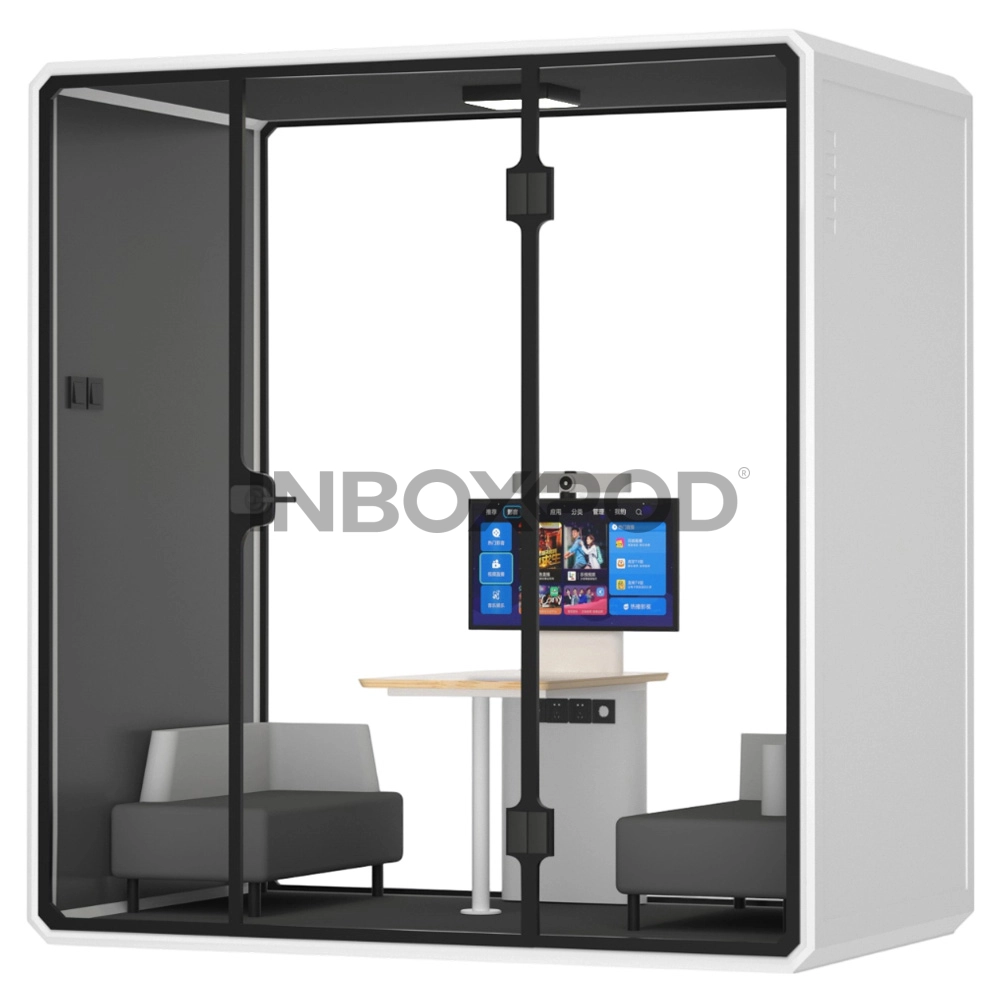
Home-demo
What materials are used in the construction of the booths?
Our booths are made from sustainable, high-quality materials including aluminum alloy frames and acoustic panels designed for optimal soundproofing.
Do you provide after-sales support and warranty?
Yes, we provide comprehensive after-sales service and warranty to ensure long-term satisfaction with our products.
What is the typical sound insulation level of your acoustic booths?
Our booths typically achieve up to 27 dB noise reduction, meeting Class B sound insulation standards suitable for offices and study environments.
Can the booths be customized to fit specific space requirements?
Yes, we offer flexible customization options including size, color, and additional features to perfectly suit your needs.
How long does it take to assemble an INBOXpod booth?
Most of our booths can be assembled without tools in about 30 minutes, making installation quick and hassle-free.
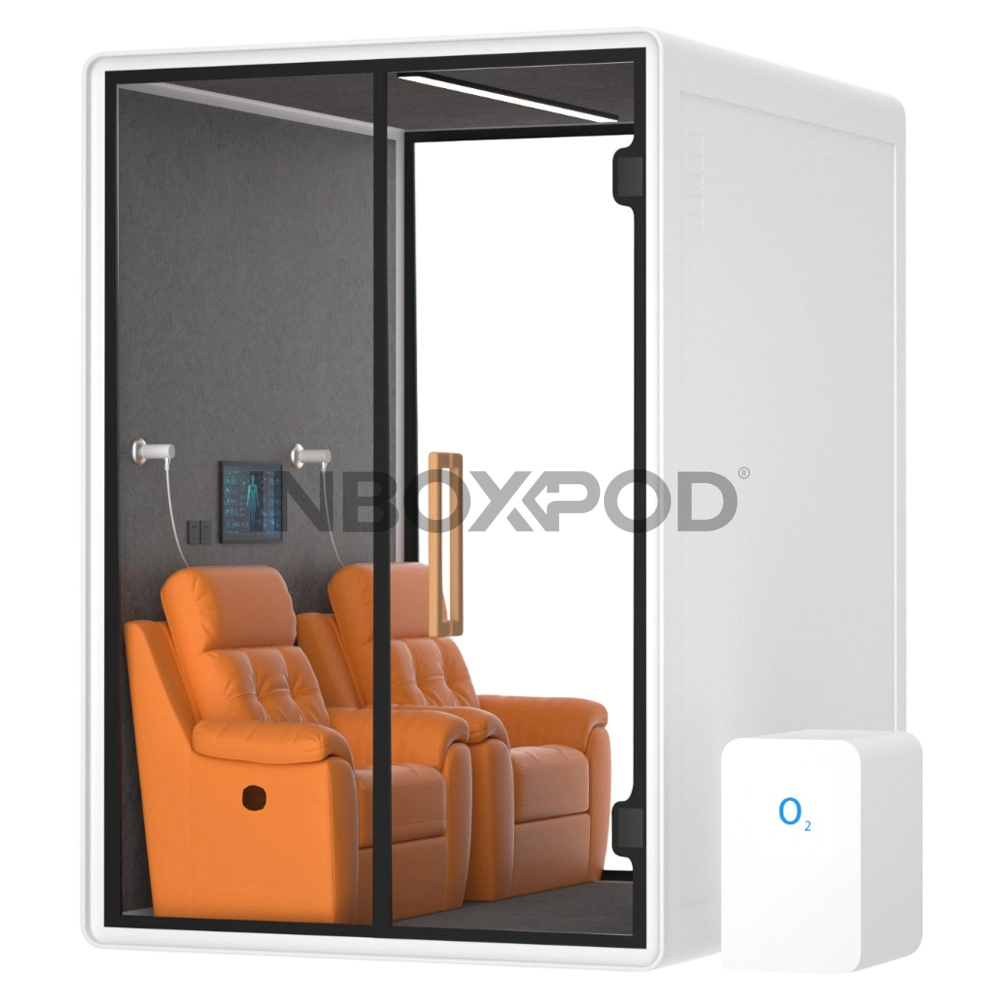
INBOXpod Double Seat Soundproof Oxygen Pod
An oxygen therapy space customized for double social interaction and health, with a double-seat design to promote a win-win situation for interaction and health. External size: W1600×D1929×H2300 mm; internal size: W1466×D1854×H2166 mm. You can improve cardiovascular function and concentration through oxygen therapy with friends and colleagues in a quiet and efficient acoustic environment, making health and social interaction complement each other.
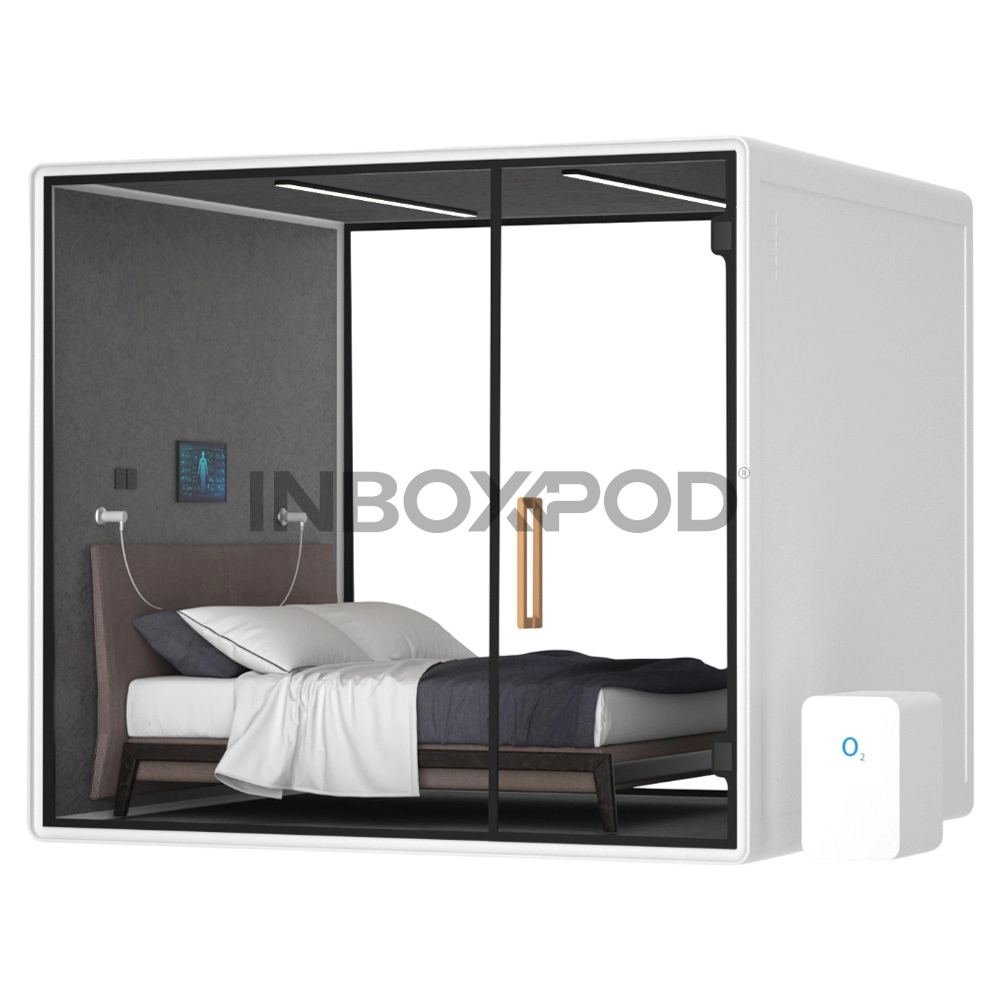
INBOXpod Soundproof Double Bed (small) Oxygen Pod
A double oxygen therapy option that balances space and experience, with a small double-bed layout suitable for various scenarios. External size: W2300×D1854×H2300 mm; internal size: W2300×D1929×H2300 mm. You can share the high-oxygen environment here with relatives and friends, relieve stress, improve physical fitness, and gain health and vitality in company.
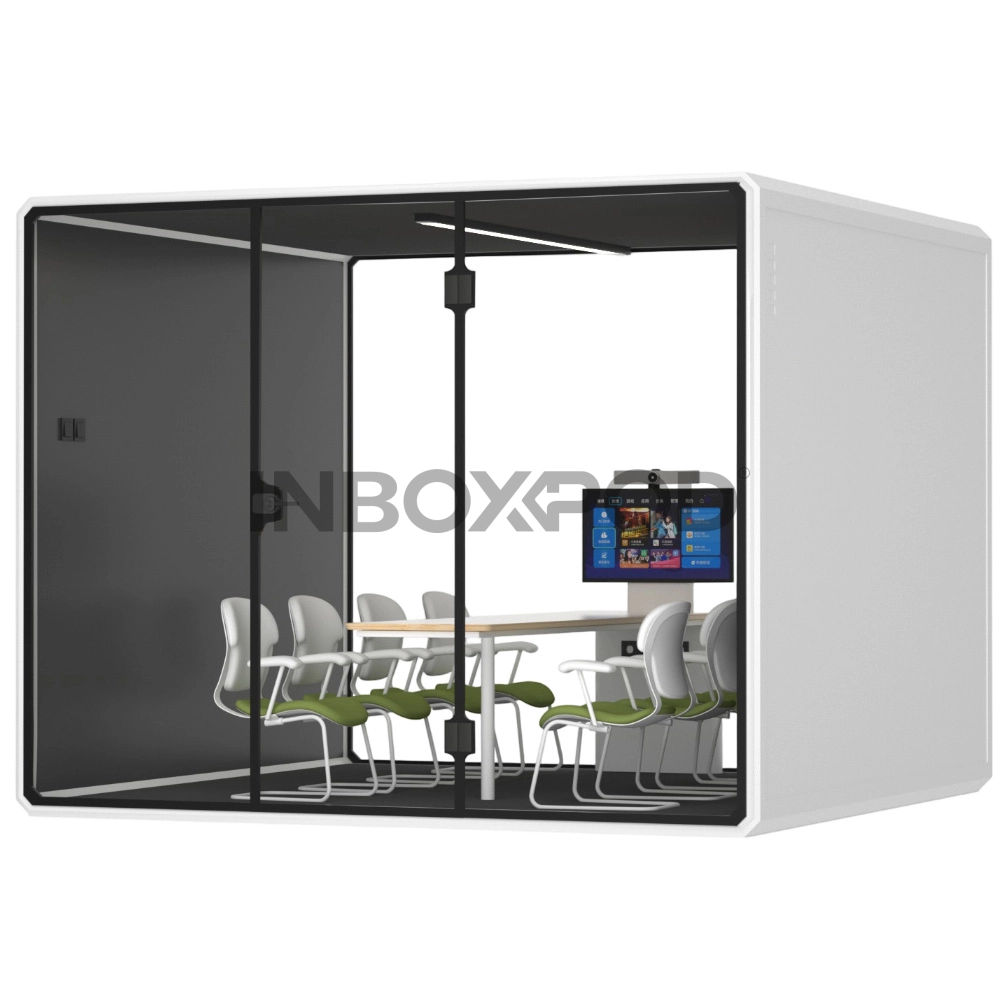
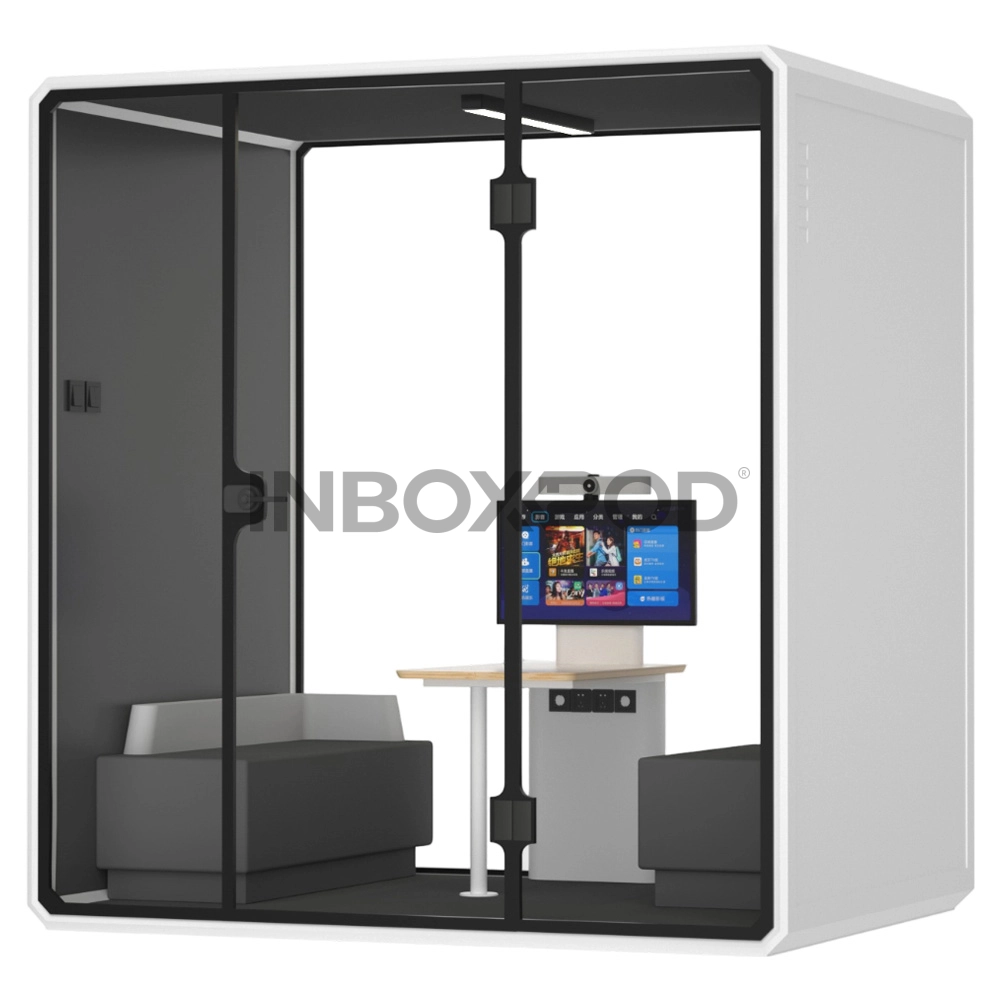
Silence Booth/Office Pod Prefabricated V series-L size
Designed for team collaboration and small meetings, the L-size booth provides a comfortable and acoustically optimized space for 4–6 people. With premium sound insulation, efficient ventilation, and integrated lighting and power systems, it ensures focus, privacy, and productivity—even in the busiest open offices.
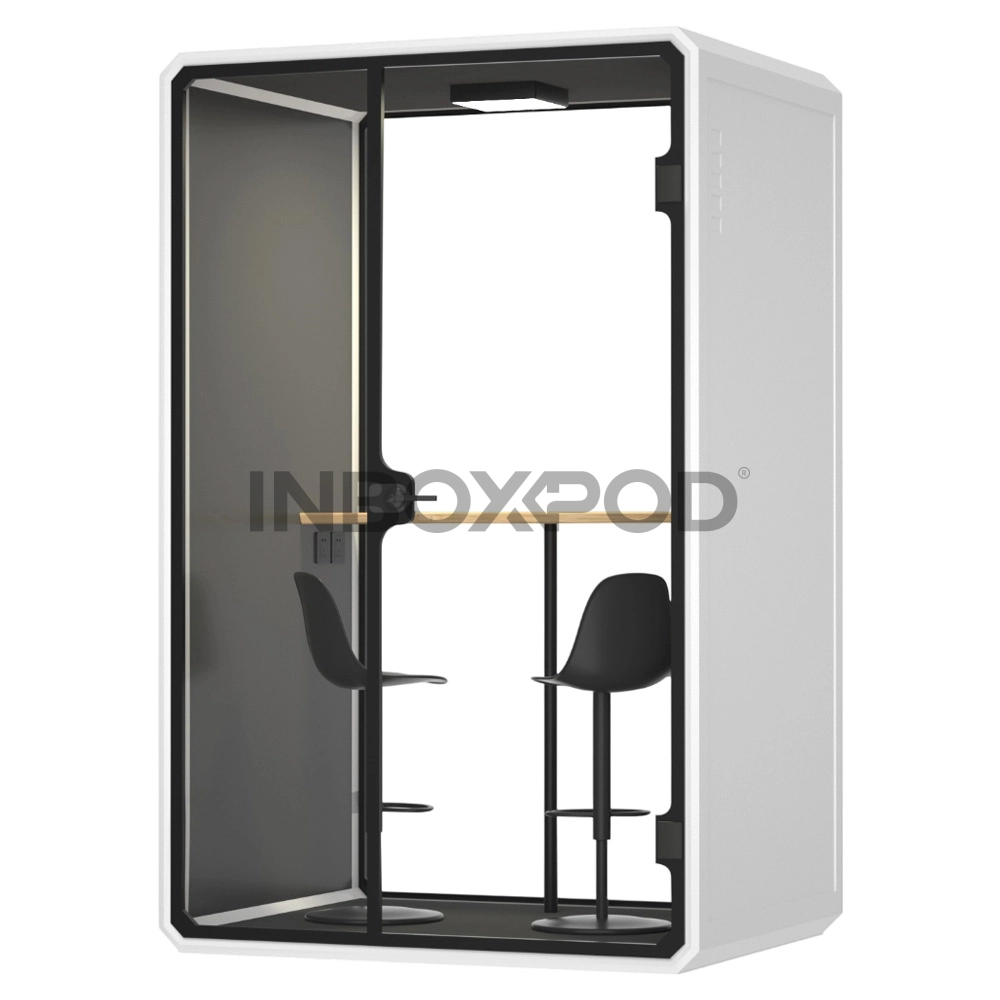
Silence Booth/Office pod Prefabricated V series - M size
Ideal for two-person discussions or focused solo work, the M-size booth offers a balanced mix of privacy and flexibility. Its advanced acoustic panels reduce external noise effectively, while the smart ventilation and lighting systems create a comfortable, quiet environment for calls, meetings, or concentrated tasks.
Stay Updated with INBOXpod Insights
Subscribe to receive the latest articles, industry news, and updates on our acoustic solutions. Stay informed and discover distribution opportunities with INBOXpod.
Whatsapp: +8613535292957