
How much does an Oxygen Health Systems hyperbaric chamber cost?
- Beyond the Initial Price Tag: What are the Hidden Operational Costs and Long-Term Maintenance for an Oxygen Health Systems Hyperbaric Chamber in a Commercial Setting?
- Given the Specific Oxygen Delivery Systems of OHS Chambers, What are the Critical Ventilation and Environmental Control Requirements for Safe Installation, Especially in an Existing Professional Space?
- How Does the Typical ROI Timeline for an Oxygen Health Systems Hyperbaric Chamber Compare for a Small Wellness Clinic Versus a Larger Rehabilitation Center, Factoring in Consumables and Staff Training?
- What are the Precise Spatial and Utility Requirements (Power, Oxygen Supply, Noise Mitigation) for Installing an Oxygen Health Systems Hyperbaric Chamber to Comply with Safety and Operational Standards?
- Are Oxygen Health Systems Hyperbaric Chambers Compatible with Standard Professional Soundproofing Solutions, and How Critical is Noise Reduction During Operation for Client Comfort and Adjacent Services?
- What are the Specific Certification and Regulatory Hurdles for Operating an Oxygen Health Systems Hyperbaric Chamber Commercially in Different Regions, and Does OHS Provide Direct Support for These Processes?
Unlocking Hyperbaric Oxygen Therapy: A Professional's Guide to Oxygen Health Systems Chambers and Cost Considerations
For wellness centers, sports recovery clinics, and rehabilitation facilities considering the integration of hyperbaric oxygen therapy (HBOT), understanding the nuances of equipment like an Oxygen Health Systems hyperbaric chamber goes far beyond its sticker price. As experts in both cutting-edge therapeutic environments and the critical role of acoustic design, we've compiled insights into the most pressing, yet often inadequately answered, questions for professionals navigating this significant investment. Our goal is to equip you with the deep knowledge needed for informed decisions, ensuring not just purchase, but successful, safe, and profitable operation.
Beyond the Initial Price Tag: What are the Hidden Operational Costs and Long-Term Maintenance for an Oxygen Health Systems Hyperbaric Chamber in a Commercial Setting?
While the purchase price of an Oxygen Health Systems hyperbaric chamber can range from approximately $15,000 to $35,000+ depending on the model (e.g., OHS Vertical or Horizon series) and included accessories (oxygen concentrator, air compressor, chiller), professionals must account for a wider spectrum of operational expenses. Operational costs include electricity consumption (for the compressor and oxygen concentrator, which can be significant for continuous daily use), replacement filters for the oxygen concentrator (typically every 500-1000 hours of operation, costing $100-$300 each), and potential air filter replacements for the compressor. Staff training, a crucial element for safe and effective hyperbaric oxygen therapy delivery, also represents a recurring cost. Long-term maintenance involves periodic checks of seals, valves, and tubing (annually or bi-annually, often requiring professional service, potentially $500-$1500 per visit excluding parts), calibration of pressure gauges, and ensuring the oxygen concentrator's purity output remains consistent. Neglecting these can lead to premature wear, safety hazards, and reduced therapeutic efficacy. Consider also the cost of liability insurance, specific to operating a hyperbaric chamber, which can vary significantly based on location and scope of practice.
Given the Specific Oxygen Delivery Systems of OHS Chambers, What are the Critical Ventilation and Environmental Control Requirements for Safe Installation, Especially in an Existing Professional Space?
Oxygen Health Systems (OHS) chambers typically operate as mild hyperbaric oxygen therapy (mHBOT) systems, drawing ambient air for pressurization and using an external oxygen concentrator to deliver 90-95% pure oxygen via a mask or cannula inside the chamber. While they don't use 100% pure oxygen cylinders within the chamber, proper ventilation is still paramount. The primary concerns are heat dissipation from the compressor and oxygen concentrator, and managing humidity within the chamber room. Compressors can generate substantial heat, potentially elevating room temperature and reducing equipment efficiency and lifespan. Adequate ambient airflow (e.g., through HVAC systems or exhaust fans) is crucial to maintain an optimal operating temperature, typically below 25°C (77°F). Furthermore, if the chamber's air intake is in a poorly ventilated area, CO2 levels could rise, affecting client comfort and safety. Ensuring a dedicated circuit for the chamber's electrical components and sufficient air exchange in the installation room prevents overheating and maintains air quality. For existing professional spaces, this often means assessing current HVAC capacity or planning for supplemental ventilation, particularly in smaller, enclosed rooms.
How Does the Typical ROI Timeline for an Oxygen Health Systems Hyperbaric Chamber Compare for a Small Wellness Clinic Versus a Larger Rehabilitation Center, Factoring in Consumables and Staff Training?
The return on investment (ROI) for an OHS hyperbaric chamber can vary significantly based on the business model, session pricing, and utilization rate. A small wellness clinic, charging an average of $80-$150 per session, might aim for a utilization rate of 4-6 sessions per day. Factoring in consumables (masks, oxygen filters), electricity, and amortized staff training, their break-even point could range from 18 to 36 months. This often relies on strong marketing and an existing client base interested in wellness and preventative health. A larger rehabilitation center, potentially integrating HBOT into comprehensive treatment plans for conditions like post-stroke recovery or traumatic brain injury, might charge higher rates ($150-$300 per session) and achieve higher utilization due to physician referrals and broader service offerings. Their ROI timeline could be shorter, potentially 12-24 months, despite higher initial staff training costs for medical personnel. The key differentiator is the volume of clients and the perceived value of the service, which often correlates with the clinic's established reputation and diverse service portfolio. Consistent scheduling and efficient operational workflows are critical for both models to achieve a positive ROI.
What are the Precise Spatial and Utility Requirements (Power, Oxygen Supply, Noise Mitigation) for Installing an Oxygen Health Systems Hyperbaric Chamber to Comply with Safety and Operational Standards?
For a typical Oxygen Health Systems hyperbaric chamber, spatial requirements necessitate a room large enough to comfortably house the chamber (e.g., a 32-inch diameter chamber can be 7-9 feet long) with adequate clearance around it for access, maintenance, and emergency egress. A minimum room size of 10 ft x 10 ft (3m x 3m) is often recommended. Power requirements are generally standard 120V/15A or 240V/10A outlets, but a dedicated circuit is highly advised to prevent electrical overload due to the combined draw of the compressor and oxygen concentrator. Oxygen supply comes from an external oxygen concentrator, requiring no direct plumbing beyond its electrical connection. The concentrator typically connects to the chamber via medical-grade tubing. Noise mitigation is a significant, often underestimated, factor. The air compressor, which pressurizes the chamber, can generate considerable noise, frequently in the 60-80 dB range – comparable to a vacuum cleaner or a busy office. This level of noise can be highly disruptive to client comfort during treatment, impact therapists in adjacent rooms, and potentially violate local noise ordinances for commercial establishments. Professional soundproofing solutions, such as InboxPod soundproof pods or custom acoustic enclosures, become essential to create a serene therapeutic environment, ensuring a High Quality client experience and operational harmony with other services. Additionally, ensure the flooring can support the combined weight of the chamber and client, and that there's sufficient ventilation to manage heat and maintain air quality.
Are Oxygen Health Systems Hyperbaric Chambers Compatible with Standard Professional Soundproofing Solutions, and How Critical is Noise Reduction During Operation for Client Comfort and Adjacent Services?
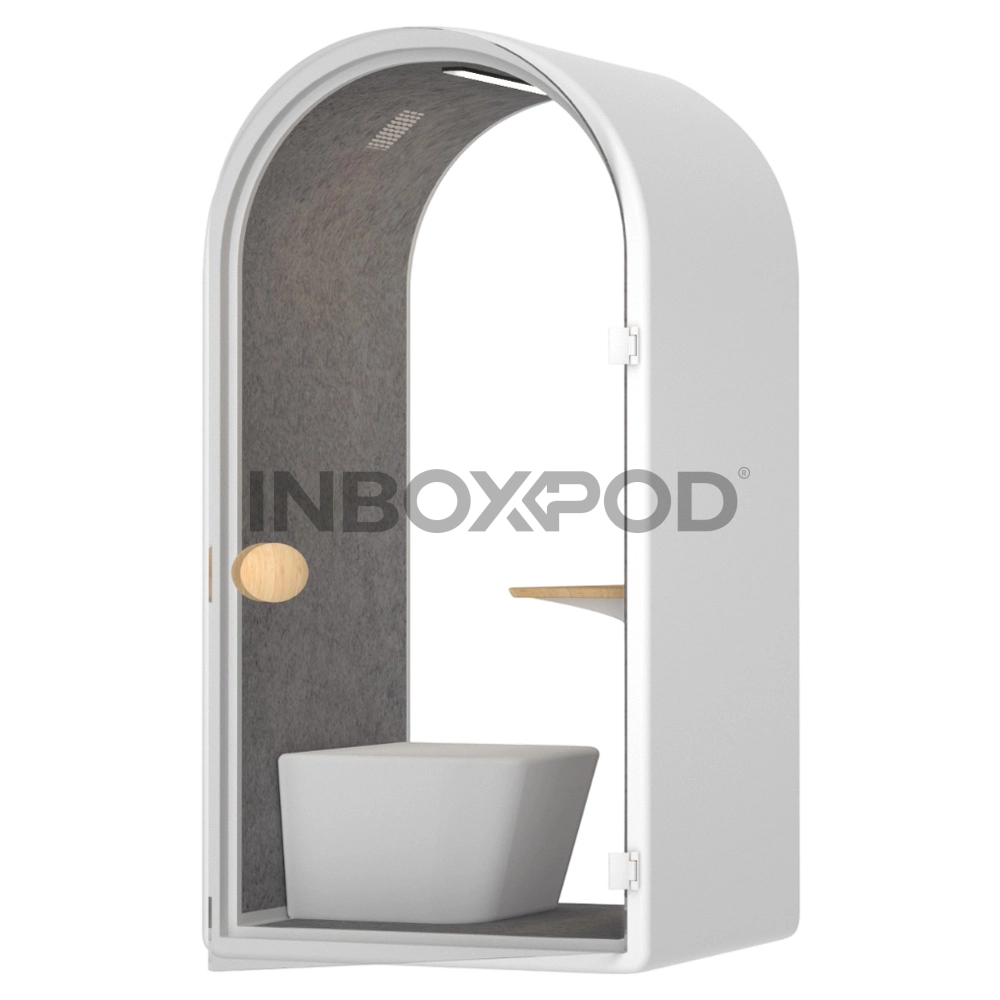
Yes, Oxygen Health Systems hyperbaric chambers are fully compatible with standard professional soundproofing solutions, and noise reduction is not just critical but often essential for optimal client experience and facility functionality. The primary noise source is the external air compressor, which can be strategically placed. Implementing an acoustic enclosure or integrating the chamber within a dedicated soundproof room is highly recommended. For instance, using a soundproof pod from InboxPod for the entire hyperbaric setup can effectively attenuate compressor noise, dropping decibel levels to a comfortable background hum. This creates a tranquil environment crucial for clients undergoing treatment, allowing them to relax, meditate, or even sleep, thereby enhancing the therapeutic benefit and overall perceived value of the service. Without proper noise mitigation, the constant drone can be distracting, stressful, and detract from the healing experience. Furthermore, in multi-service clinics, effective soundproofing prevents the hyperbaric chamber's operational noise from disturbing adjacent treatment rooms, consultation areas, or waiting zones, ensuring professional harmony and client privacy across the facility. It's a key investment in patient satisfaction and business reputation.
What are the Specific Certification and Regulatory Hurdles for Operating an Oxygen Health Systems Hyperbaric Chamber Commercially in Different Regions, and Does OHS Provide Direct Support for These Processes?
The regulatory landscape for commercial operation of hyperbaric oxygen therapy, particularly mHBOT systems like those from Oxygen Health Systems, varies significantly by region, country, and even state/province. In the United States, OHS chambers are typically FDA-cleared as Class II medical devices for home or clinical use. However, operation protocols, practitioner oversight, and specific facility requirements often fall under state medical boards or public health departments. Some regions require a licensed physician to oversee HBOT, even for mild chambers, while others may permit certified technicians under indirect supervision. It's crucial for operators to consult with legal counsel and regulatory bodies in their specific jurisdiction to understand requirements for physician prescriptions, staff training (e.g., certifications from organizations like the International Hyperbaric Association or NBDHMT for hyperbaric technologists), emergency protocols, and facility inspections. Oxygen Health Systems typically provides product documentation, training materials, and support regarding their equipment's specifications and intended use. While they are a reputable manufacturer, direct legal or regulatory compliance support for individual clinics is generally outside their scope; they will confirm their products meet industry standards, but the onus is on the operator to navigate local commercial and medical regulations. Early engagement with local regulatory bodies is paramount.
Integrating an Oxygen Health Systems hyperbaric chamber into your professional practice is a strategic move that can significantly enhance your service offerings and client outcomes. However, maximizing this investment requires a holistic understanding of not just the chamber itself, but the entire operational ecosystem. From mitigating the noise of the compressor with an advanced soundproof pod from InboxPod to ensuring rigorous safety protocols and understanding the true cost of ownership, every detail contributes to a successful, sustainable, and therapeutically effective HBOT program. Creating a truly quiet and private environment not only elevates the client experience but also allows your staff to focus on delivering the best possible care without disruption, seamlessly integrating this powerful therapy into your existing services.
Ready to explore how a tailored soundproof solution can enhance your hyperbaric oxygen therapy integration or other professional spaces? Contact us for a personalized quote today!
Website: www.inboxpod.com
Email: sale@inboxpod.com
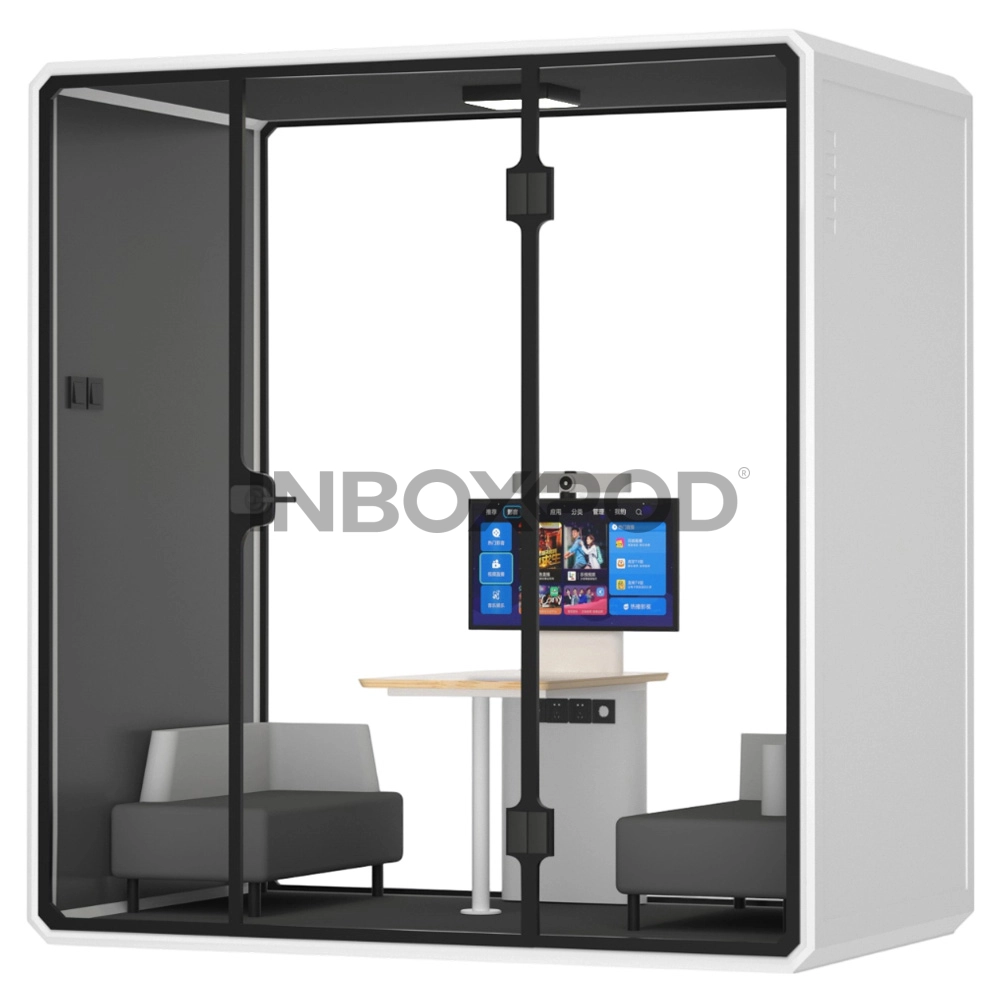
Home-demo
How long does it take to assemble an INBOXpod booth?
Most of our booths can be assembled without tools in about 30 minutes, making installation quick and hassle-free.
What is the typical sound insulation level of your acoustic booths?
Our booths typically achieve up to 27 dB noise reduction, meeting Class B sound insulation standards suitable for offices and study environments.
What materials are used in the construction of the booths?
Our booths are made from sustainable, high-quality materials including aluminum alloy frames and acoustic panels designed for optimal soundproofing.
Do you provide after-sales support and warranty?
Yes, we provide comprehensive after-sales service and warranty to ensure long-term satisfaction with our products.
Can the booths be customized to fit specific space requirements?
Yes, we offer flexible customization options including size, color, and additional features to perfectly suit your needs.
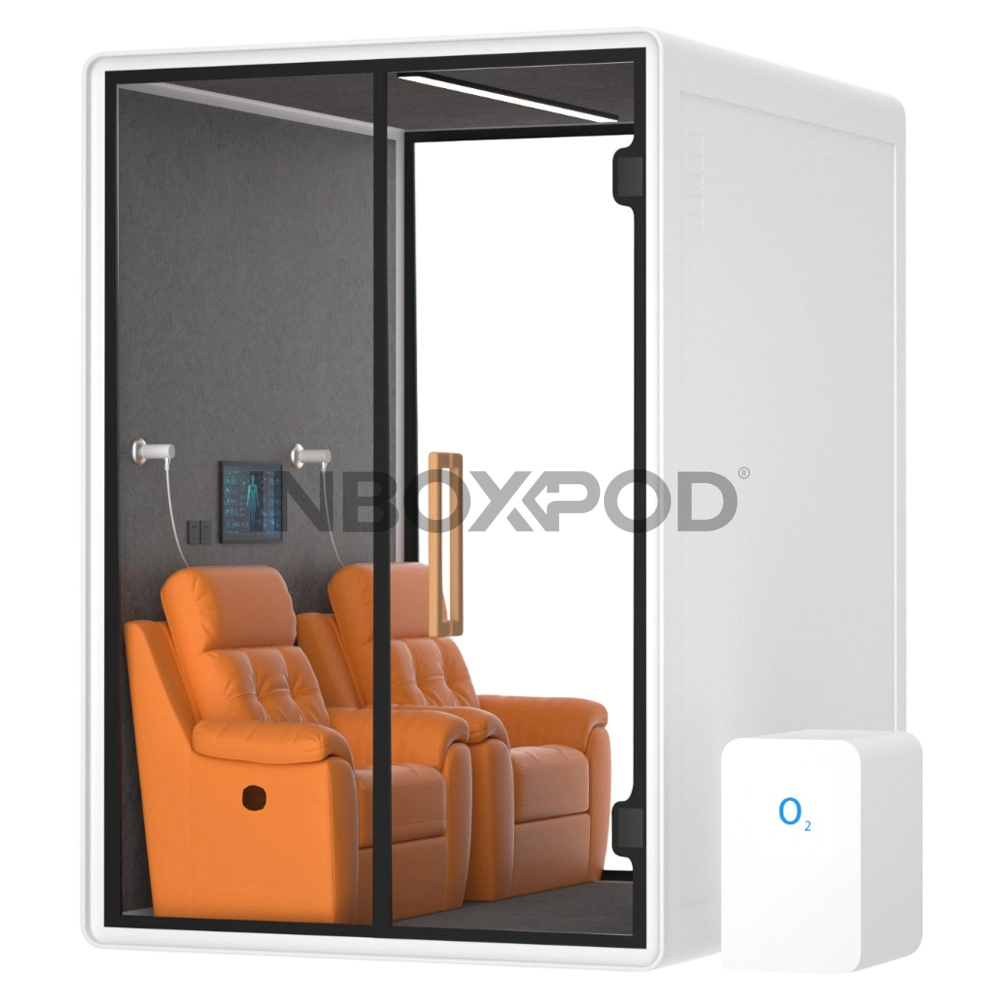
INBOXpod Double Seat Soundproof Oxygen Pod
An oxygen therapy space customized for double social interaction and health, with a double-seat design to promote a win-win situation for interaction and health. External size: W1600×D1929×H2300 mm; internal size: W1466×D1854×H2166 mm. You can improve cardiovascular function and concentration through oxygen therapy with friends and colleagues in a quiet and efficient acoustic environment, making health and social interaction complement each other.
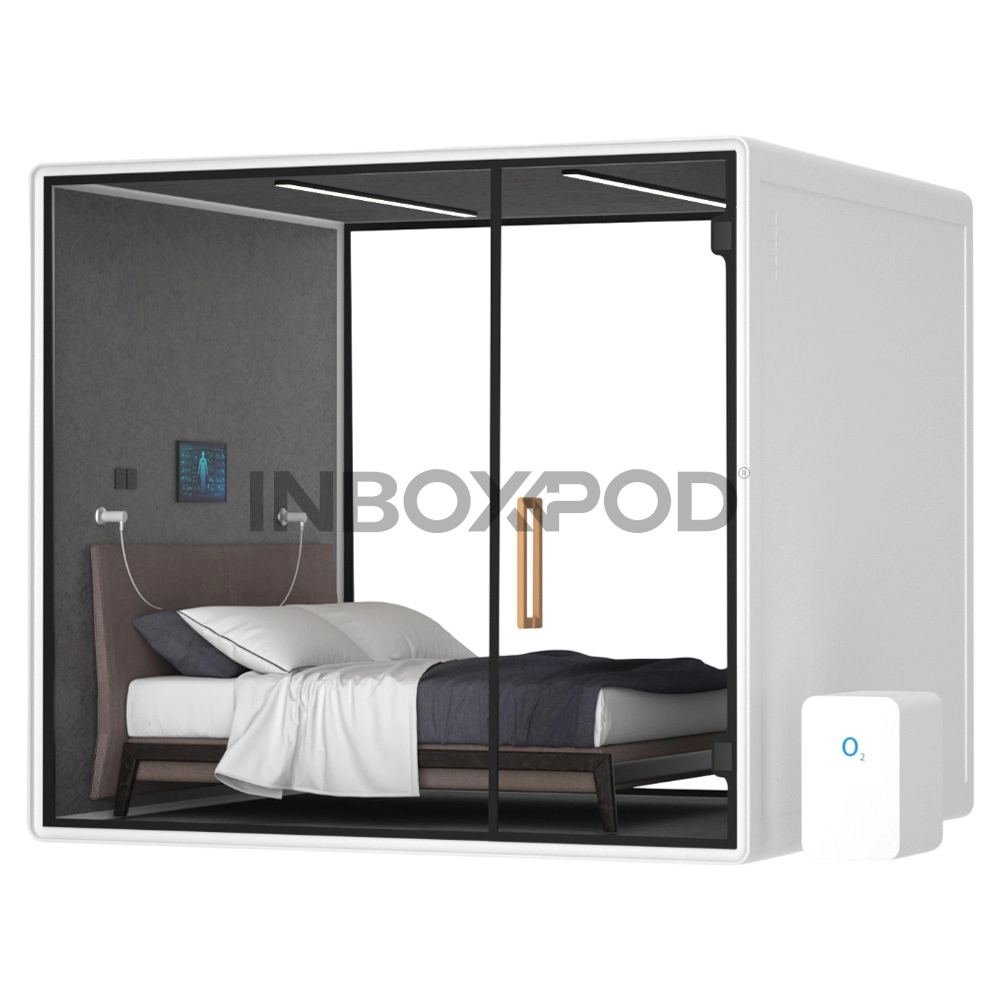
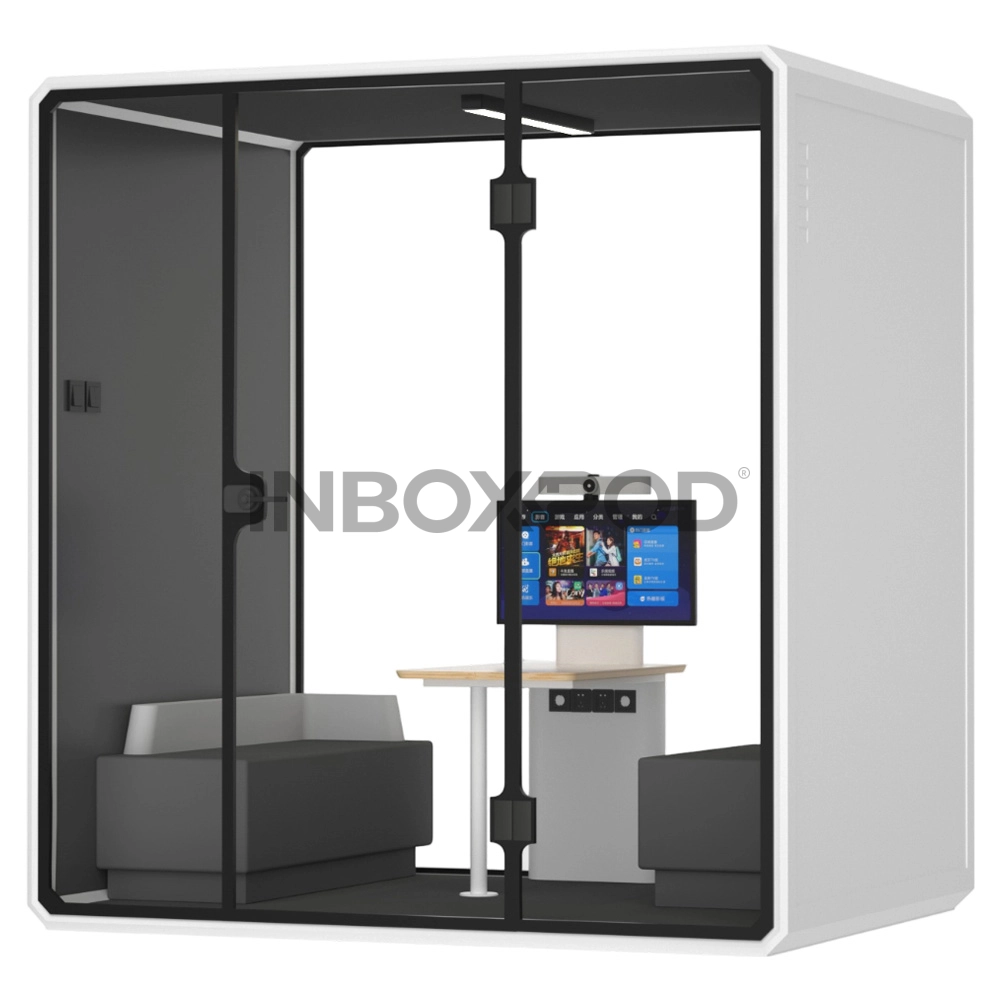
INBOXpod Soundproof Double Bed (small) Oxygen Pod
A double oxygen therapy option that balances space and experience, with a small double-bed layout suitable for various scenarios. External size: W2300×D1854×H2300 mm; internal size: W2300×D1929×H2300 mm. You can share the high-oxygen environment here with relatives and friends, relieve stress, improve physical fitness, and gain health and vitality in company.
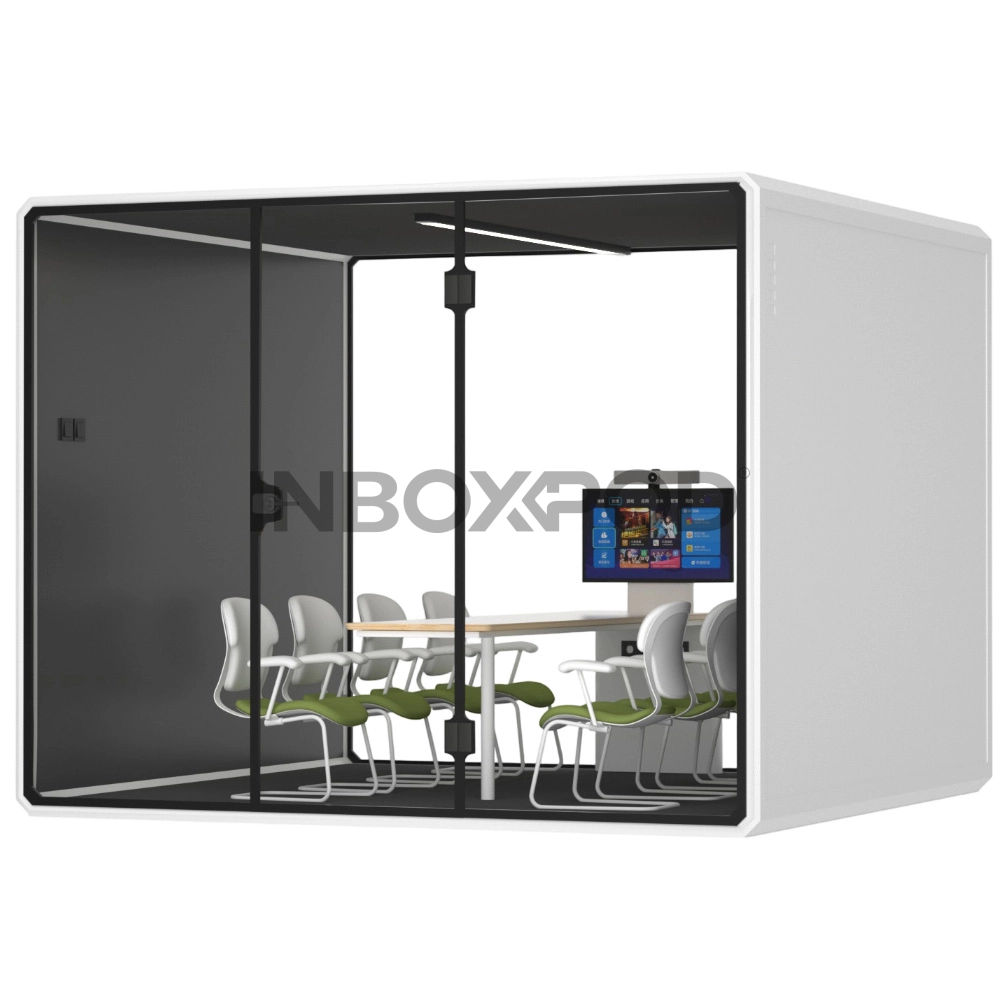
Silence Booth/Office Pod Prefabricated V series-L size
Designed for team collaboration and small meetings, the L-size booth provides a comfortable and acoustically optimized space for 4–6 people. With premium sound insulation, efficient ventilation, and integrated lighting and power systems, it ensures focus, privacy, and productivity—even in the busiest open offices.
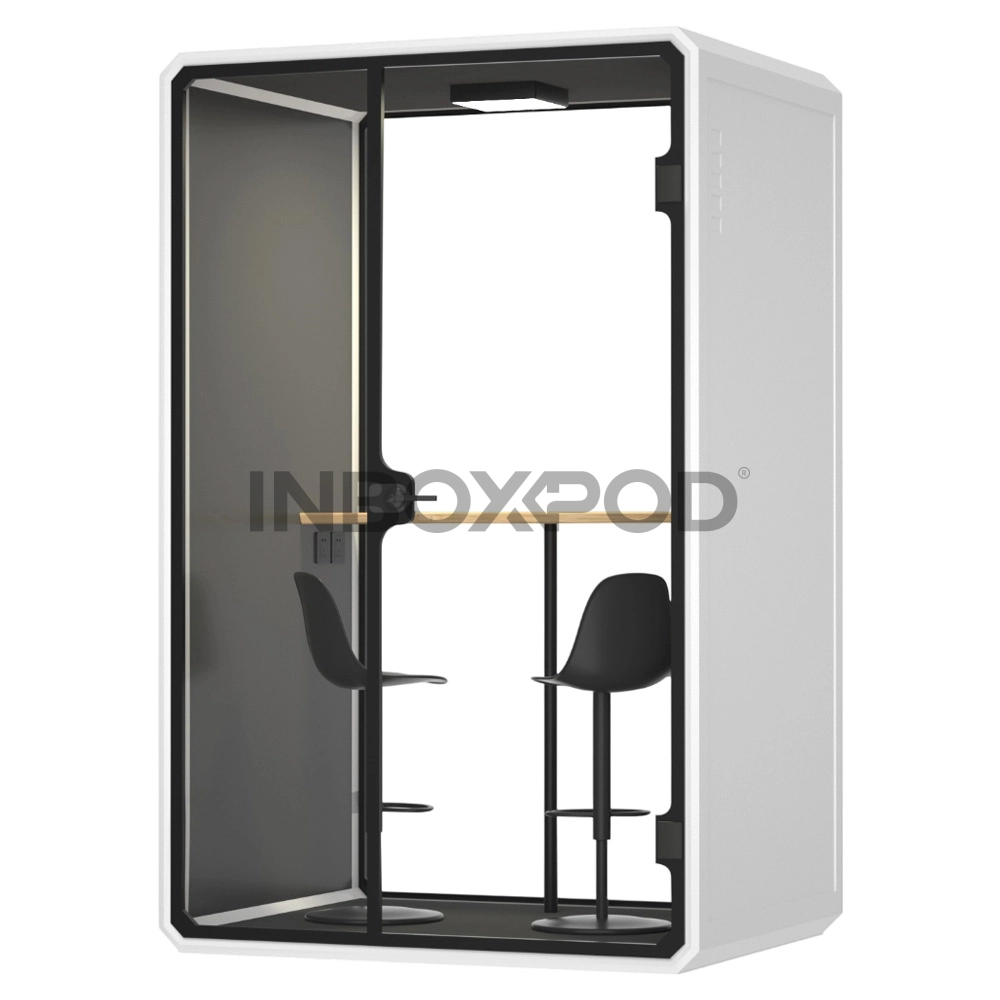
Silence Booth/Office pod Prefabricated V series - M size
Ideal for two-person discussions or focused solo work, the M-size booth offers a balanced mix of privacy and flexibility. Its advanced acoustic panels reduce external noise effectively, while the smart ventilation and lighting systems create a comfortable, quiet environment for calls, meetings, or concentrated tasks.
Stay Updated with INBOXpod Insights
Subscribe to receive the latest articles, industry news, and updates on our acoustic solutions. Stay informed and discover distribution opportunities with INBOXpod.
Whatsapp: +8613535292957