
How energy efficient is an Oxygen Health Systems hyperbaric chamber?
- Beyond the initial purchase, what are the actual monthly electricity costs for operating a typical Oxygen Health Systems hyperbaric chamber in a home or small clinic setting, considering typical usage patterns?
- Do Oxygen Health Systems hyperbaric chambers require special electrical wiring or significant HVAC adjustments for installation, especially when trying to maintain a quiet, therapeutic environment?
- What specific noise levels can I expect from an Oxygen Health Systems hyperbaric chamber's compressor and oxygen concentrator during operation, and how can I effectively mitigate them for patient comfort and neighboring spaces?
- What is the average lifespan and expected major component replacement schedule for an Oxygen Health Systems hyperbaric chamber, and what are the associated long-term maintenance costs that beginners often overlook?
- How critical is environmental control (temperature, humidity, ambient noise) to the effectiveness and safety of an Oxygen Health Systems hyperbaric chamber session, and what are the best practices for creating an optimal therapeutic space?
- Can an Oxygen Health Systems hyperbaric chamber operate efficiently and safely in a multi-purpose room without disrupting other activities, or is a dedicated, insulated space essential for optimal user experience and ROI?
As a professional content writer with extensive expertise in both advanced therapeutic environments and soundproof pod technology, I frequently encounter aspiring hyperbaric oxygen therapy (HBOT) users and commercial operators seeking clearer, more practical answers regarding Oxygen Health Systems hyperbaric chambers. While the benefits of increased oxygen saturation are well-documented, specific operational details – particularly concerning energy efficiency and creating an ideal therapeutic atmosphere – remain common pain points. This article aims to provide in-depth, data-driven insights to guide your decision-making, emphasizing the crucial role of environmental design, a field where soundproof pods excel.
Beyond the initial purchase, what are the actual monthly electricity costs for operating a typical Oxygen Health Systems hyperbaric chamber in a home or small clinic setting, considering typical usage patterns?
Understanding the real-world operational costs of an Oxygen Health Systems hyperbaric chamber extends beyond the initial investment to ongoing utility expenses. For a typical mild hyperbaric oxygen therapy (mHBOT) system, which includes the chamber, an air compressor, and an oxygen concentrator, the combined power draw can range from approximately 1,500 to 2,500 watts (1.5 - 2.5 kW) during operation.
Let's break down the energy efficiency for a common usage scenario:
- Power Consumption: An average Oxygen Health Systems hyperbaric chamber setup might consume about 2 kW per hour of operation.
- Session Duration: Most mHBOT sessions last between 60 to 90 minutes. Let's assume an average of 1.5 hours per session.
- Daily Usage: If you conduct 2 sessions per day, your daily consumption is 2 kW 1.5 hours/session 2 sessions/day = 6 kWh.
- Monthly Usage: Over 30 days, this amounts to 6 kWh/day * 30 days = 180 kWh per month.
- Cost Calculation: With an average electricity cost of, say, $0.18 per kWh (this varies significantly by region, so check your local rates), the monthly electricity cost would be 180 kWh * $0.18/kWh = $32.40.
For a small clinic running 5-8 sessions daily, the costs would scale proportionally. For example, 7 sessions/day at 1.5 hours each would be 21 kWh/day, totaling 630 kWh/month, costing around $113.40. While seemingly modest, these figures can fluctuate based on the specific model of hyperbaric oxygen system, local electricity rates, and frequency of use. Opting for newer, more energy-efficient compressors and concentrators can further reduce these long-term expenses, making the initial investment in a quality wellness hyperbaric chamber pay off over time.
Do Oxygen Health Systems hyperbaric chambers require special electrical wiring or significant HVAC adjustments for installation, especially when trying to maintain a quiet, therapeutic environment?
While most Oxygen Health Systems mild hyperbaric chambers are designed for relatively straightforward installation, some considerations are crucial, especially for optimal therapeutic environment creation. Many smaller, portable hyperbaric chambers can operate on a standard 120V/15A household circuit (North America) or 220-240V/10A (Europe/Asia) without requiring dedicated wiring. However, always consult the specific model's electrical requirements. If the system includes a powerful air compressor or an industrial-grade oxygen concentrator, a dedicated circuit might be recommended to prevent overloading existing circuits, especially in older buildings. Larger, medical-grade hyperbaric chambers for clinical settings almost certainly require professional electrical installation.
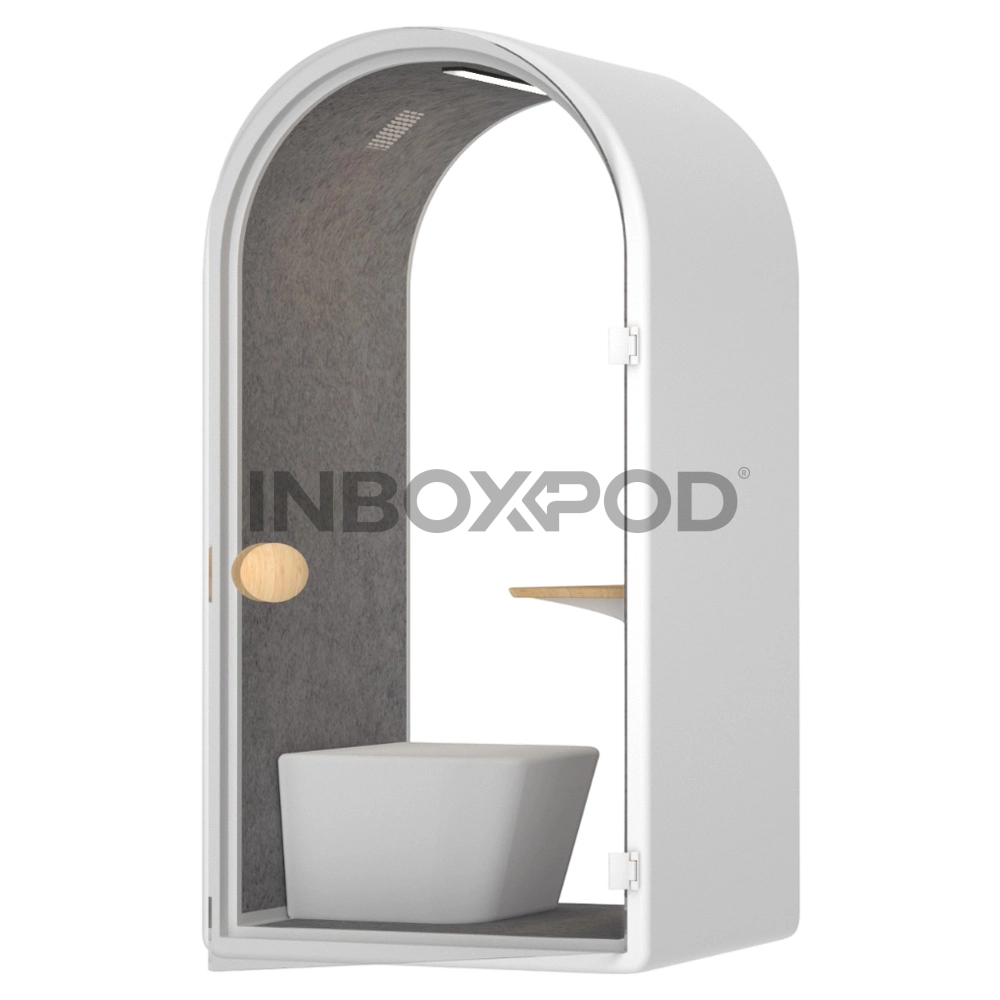
Regarding HVAC, while not strictly mandatory for chamber operation, maintaining a stable ambient temperature (ideally 68-75°F or 20-24°C) is vital for patient comfort and can indirectly affect the longevity of components like the compressor. Overheating can stress equipment. More critically, the noise generated by the compressor (often 60-75 dB) and concentrator (40-55 dB) can significantly detract from the therapeutic experience. Integrating the hyperbaric oxygen treatment system within a controlled environment, such as a dedicated soundproof pod from Inbox Pods, effectively mitigates these challenges. Our pods provide excellent acoustic isolation, ensuring a serene atmosphere for the user and preventing disruption to adjacent spaces, eliminating the need for extensive structural renovations to address noise.
What specific noise levels can I expect from an Oxygen Health Systems hyperbaric chamber's compressor and oxygen concentrator during operation, and how can I effectively mitigate them for patient comfort and neighboring spaces?
Noise is a primary concern for many individuals considering a home or clinic-based Oxygen Health Systems hyperbaric chamber. The two main culprits are the air compressor and the oxygen concentrator.
- Air Compressor: These typically generate the most noise, often ranging from 60 dB to 75 dB. This is comparable to a normal conversation (60 dB) or a vacuum cleaner (70 dB). For prolonged periods, this can be disruptive and reduce the therapeutic quality of the session.
- Oxygen Concentrator: Generally quieter, operating in the 40 dB to 55 dB range, similar to quiet office ambient noise or a refrigerator hum. While less intrusive, it still contributes to the overall soundscape.
Effective mitigation is paramount for creating a peaceful environment for hyperbaric oxygen therapy benefits. Here are proven strategies:
- Remote Placement: If possible, locate the compressor and concentrator in an adjacent room or a utility closet, running oxygen and air lines to the chamber. This requires longer hoses, which might slightly reduce efficiency but is highly effective for noise reduction.
- Acoustic Enclosures: For components that must be near the chamber, custom-built acoustic enclosures or sound-dampening boxes can be effective. These should be well-ventilated to prevent overheating.
- Vibration Dampening: Place equipment on rubber mats or vibration-absorbing pads to minimize noise transfer through floors and walls.
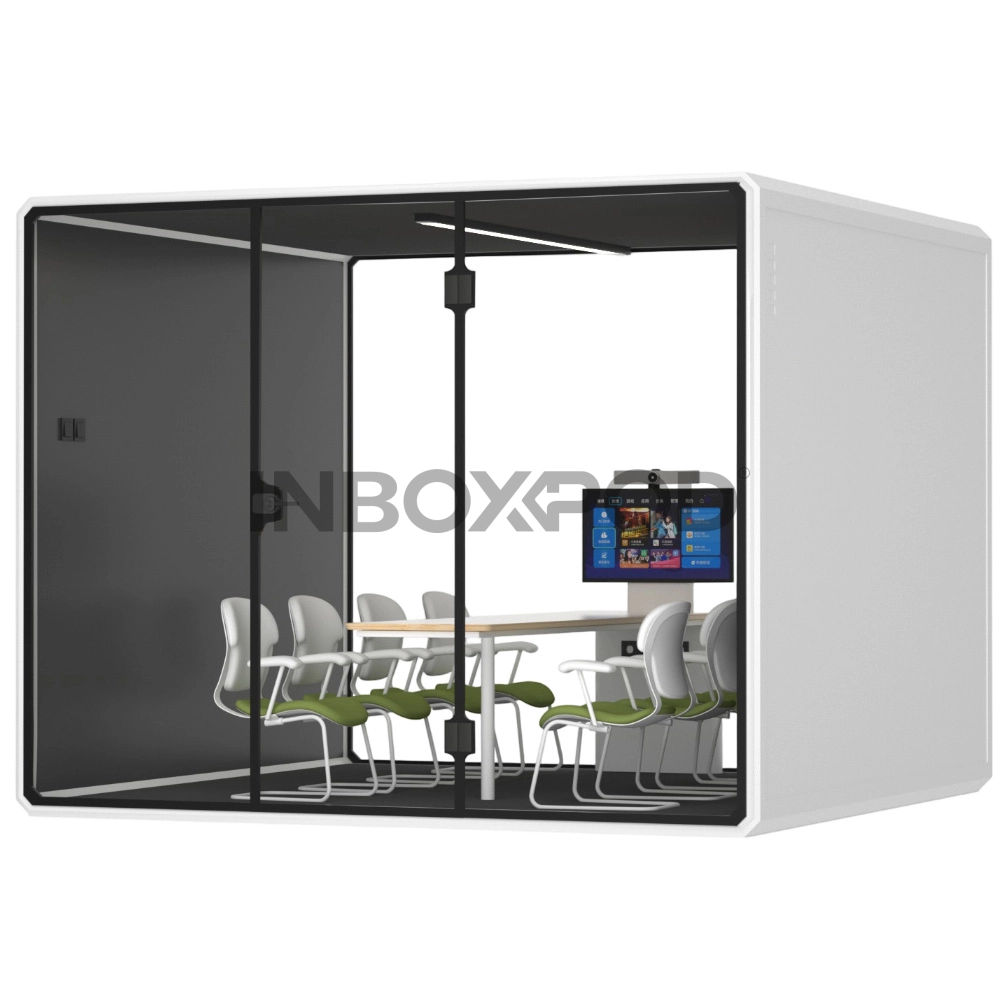
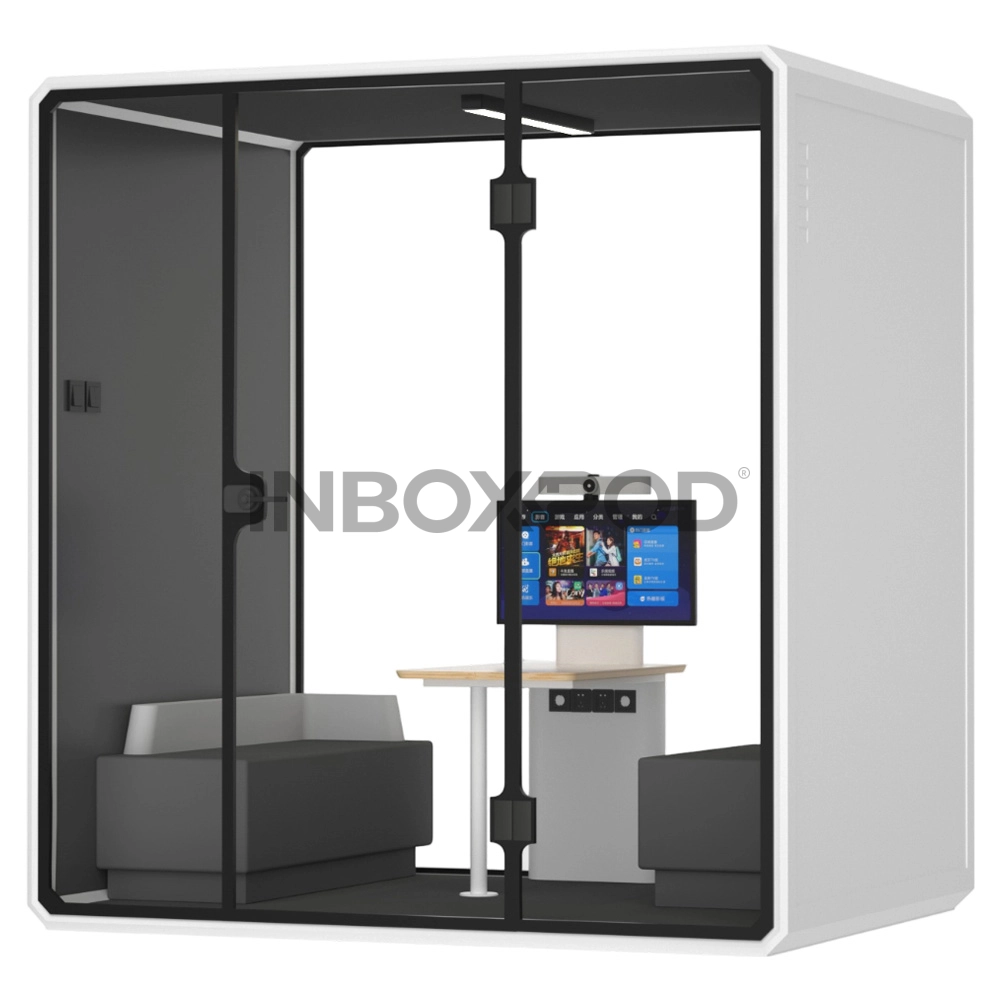
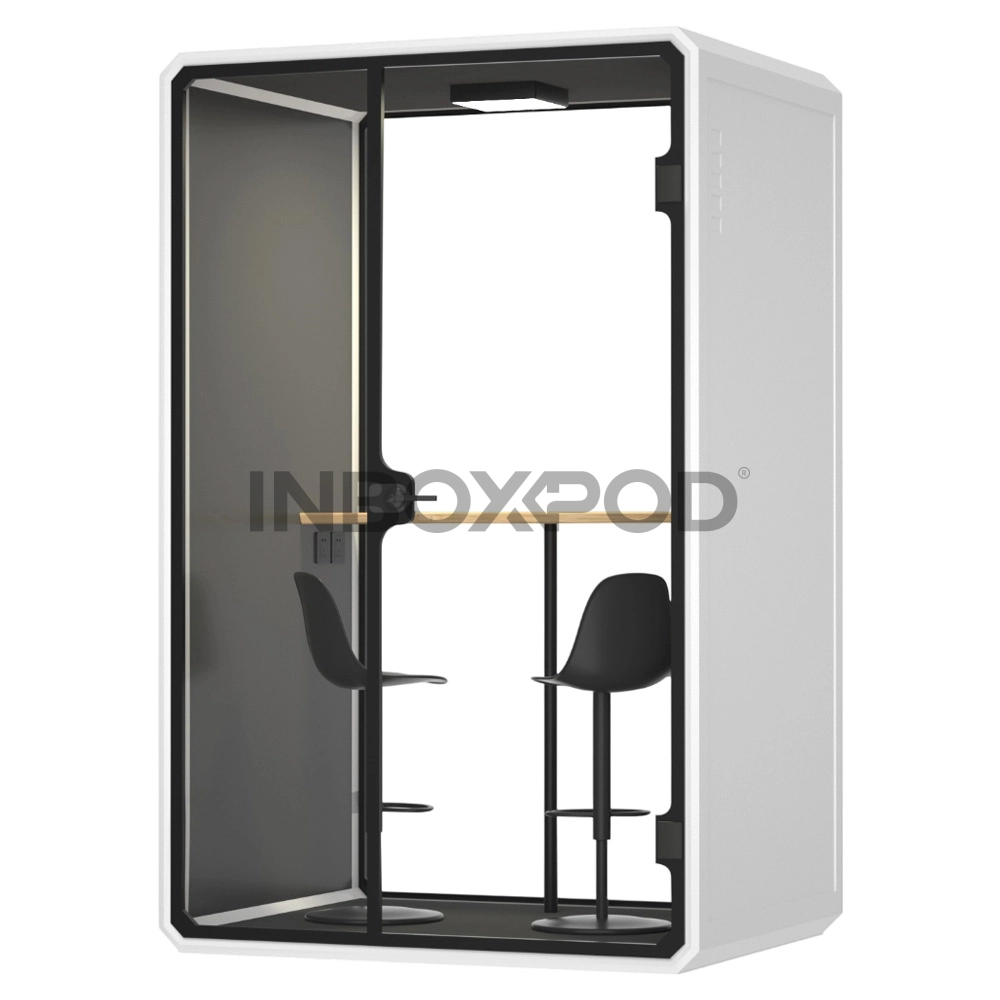
- Soundproof Pod Integration: This is where a solution like Inbox Pods shines. Housing the entire clinical hyperbaric setup – or at least the noisy components – within a professionally designed soundproof pod creates an immediate, highly effective barrier against noise. Inbox Pods are engineered with multi-layered acoustic materials, providing up to 30-35 dB of sound reduction, transforming a noisy setup into a tranquil retreat. This not only benefits the patient but also ensures that the mild hyperbaric oxygen therapy doesn't disturb other activities in the facility or home.
What is the average lifespan and expected major component replacement schedule for an Oxygen Health Systems hyperbaric chamber, and what are the associated long-term maintenance costs that beginners often overlook?
Investing in an Oxygen Health Systems hyperbaric chamber is a significant decision, and understanding its longevity and long-term maintenance is crucial for assessing its true return on investment. With proper care and adherence to manufacturer guidelines, a high-quality portable hyperbaric chamber can have an average lifespan of 10 to 15 years, while robust clinical units may last even longer. However, specific components require periodic replacement.
Commonly overlooked long-term maintenance costs and schedules include:
- Air Filters: The compressor's air intake filters are critical for maintaining air quality and efficiency. They typically need replacement every 100-200 operating hours or every 3-6 months, costing $20-$50 per set. Neglecting this can lead to reduced airflow, increased compressor strain, and poor air quality inside the chamber.
- Oxygen Concentrator Filters: Depending on the model, these filters (gross particle, fine particle, and bacterial) need replacement annually or every 500-1000 hours, costing $50-$150.
- Oxygen Purity Sensor: Essential for verifying the oxygen concentration, these sensors may need calibration or replacement every 2-3 years, potentially costing $200-$500. This is vital for ensuring the therapeutic effectiveness and safety of your HBOT therapy.
- Compressor Maintenance/Overhaul: The compressor is the workhorse of the system. Depending on usage, it might require a professional overhaul (e.g., piston ring replacement, valve inspection) every 5-7 years, which can range from $300-$1000 or more, depending on the unit.
- Chamber Seals/Zippers: Over time, the seals and zippers on soft-sided chambers will experience wear and tear. Replacement might be needed every 5-10 years, costing several hundred dollars.
Factoring these into your budget from the outset ensures uninterrupted and effective hyperbaric oxygen treatment over the long term, preventing unexpected downtime and expenses.
How critical is environmental control (temperature, humidity, ambient noise) to the effectiveness and safety of an Oxygen Health Systems hyperbaric chamber session, and what are the best practices for creating an optimal therapeutic space?
Environmental control is not just about comfort; it's profoundly critical to both the effectiveness and safety of an Oxygen Health Systems hyperbaric chamber session. An optimal therapeutic space enhances patient experience, adherence to protocols, and overall treatment outcomes.
- Temperature: Excessive heat can lead to discomfort, anxiety, and potentially heat exhaustion, especially during longer sessions. While the chamber itself doesn't generate significant heat internally, the surrounding ambient temperature impacts comfort. An ideal room temperature of 68-75°F (20-24°C) is recommended. Maintaining this prevents the patient from feeling overheated or chilled, promoting relaxation and focus on the hyperbaric oxygen treatment benefits.
- Humidity: High humidity can lead to a stuffy, uncomfortable experience and, in extreme cases, promote mold growth if ventilation is poor. Very low humidity can cause dry airways. A moderate humidity level (40-60%) is generally preferred.
- Ambient Noise: As discussed, intrusive noise from the compressor, concentrator, or external sources is a major deterrent to a quality HBOT session. A calm, quiet environment allows for relaxation, meditation, or light reading, maximizing the therapeutic window and minimizing stress. It ensures the patient can fully immerse themselves in the therapeutic pressure levels and the process of increased oxygen saturation.
Best Practices for an Optimal Therapeutic Space:
- Dedicated Space: Ideally, the chamber should be in a dedicated, quiet room.
- Climate Control: Ensure the room has stable temperature and humidity control.
- Acoustic Isolation: This is paramount. Implementing sound-absorbing materials in the room, using thick curtains, or better yet, housing the entire setup within a soundproof pod, creates an acoustically isolated sanctuary. Inbox Pods, with their superior soundproofing capabilities, are designed precisely for this purpose, offering a serene, distraction-free environment crucial for effective HBOT therapy.
- Lighting & Aesthetics: Soft, adjustable lighting and pleasant, calming aesthetics contribute significantly to the overall therapeutic ambiance.
Can an Oxygen Health Systems hyperbaric chamber operate efficiently and safely in a multi-purpose room without disrupting other activities, or is a dedicated, insulated space essential for optimal user experience and ROI?
Operating an Oxygen Health Systems hyperbaric chamber in a multi-purpose room without disruption presents significant challenges, primarily due to noise and the need for a focused therapeutic environment. While it's technically possible to place a portable hyperbaric chamber in a living room or gym, doing so often compromises both efficiency and the user's experience, ly impacting the return on investment (ROI).
Challenges in a Multi-Purpose Room:
- Noise Pollution: The compressor and oxygen concentrator generate noise (as detailed earlier) that can easily disrupt other activities, whether it's work, conversation, or relaxation. Conversely, external noise can penetrate the chamber, diminishing the patient's ability to relax and benefit from the hyperbaric oxygen treatment.
- Privacy & Distraction: HBOT sessions require a degree of privacy and minimal distractions for optimal benefits. A busy multi-purpose room rarely offers this, leading to reduced focus and a less effective session.
- Environmental Control: Maintaining consistent temperature and air quality is harder in an open or frequently used space.
- Safety & Accessibility: While mild hyperbaric oxygen therapy is generally safe, having the equipment in a high-traffic area might pose slight risks or inconvenience regarding access and accidental interference.
Why a Dedicated, Insulated Space is Essential for Optimal ROI:
For optimal user experience and ROI, a dedicated, insulated space is highly recommended. This is where professional solutions like Inbox Pods offer a transformative advantage.
- Acoustic Isolation: A soundproof pod creates an immediate, quiet sanctuary, effectively isolating the chamber from external noise and containing the operational noise of the compressor/concentrator. This allows the patient to fully relax and gain maximum benefit from the therapeutic pressure levels and increased oxygen intake, without disturbing others.
- Environmental Stability: Pods can be equipped with independent ventilation, ensuring stable temperature and air circulation specific to the chamber's needs, optimizing both comfort and equipment longevity.
- Privacy & Focus: A dedicated pod provides the necessary privacy, allowing users to fully immerse themselves in their wellness hyperbaric chamber session without interruption.
- Modular & Flexible: Inbox Pods offer a modular solution, making it easy to integrate an Oxygen Health Systems hyperbaric chamber into existing clinic layouts or homes without extensive, costly renovations. This flexibility makes a dedicated space achievable for a wider range of users, ensuring high patient satisfaction and maximizing the long-term value of your hyperbaric system.
Investing in a dedicated, sound-controlled environment ensures that your Oxygen Health Systems hyperbaric chamber delivers its full potential, providing an unparalleled therapeutic experience and protecting your investment.
When considering an Oxygen Health Systems hyperbaric chamber, understanding not just the benefits of increased oxygen delivery but also the practicalities of operation, energy consumption, and environmental integration is key. From the surprisingly manageable energy efficiency hyperbaric costs to the critical need for noise mitigation and environmental stability, each factor profoundly impacts the user experience and overall efficacy of hyperbaric oxygen treatment. By addressing these pain points with solutions like a dedicated, soundproof pod, you can transform your investment into a truly optimized, serene, and highly effective therapeutic space. Our Inbox Pods are specifically designed to meet these exact needs, providing a quiet, controlled environment that enhances the benefits of your hyperbaric oxygen system.
For a tailored quote on how Inbox Pods can perfectly house and optimize your hyperbaric chamber setup, please visit www.inboxpod.com or email us at sale@inboxpod.com.
Home-demo
How long does it take to assemble an INBOXpod booth?
Most of our booths can be assembled without tools in about 30 minutes, making installation quick and hassle-free.
What materials are used in the construction of the booths?
Our booths are made from sustainable, high-quality materials including aluminum alloy frames and acoustic panels designed for optimal soundproofing.
Do you provide after-sales support and warranty?
Yes, we provide comprehensive after-sales service and warranty to ensure long-term satisfaction with our products.
What is the typical sound insulation level of your acoustic booths?
Our booths typically achieve up to 27 dB noise reduction, meeting Class B sound insulation standards suitable for offices and study environments.
Can the booths be customized to fit specific space requirements?
Yes, we offer flexible customization options including size, color, and additional features to perfectly suit your needs.
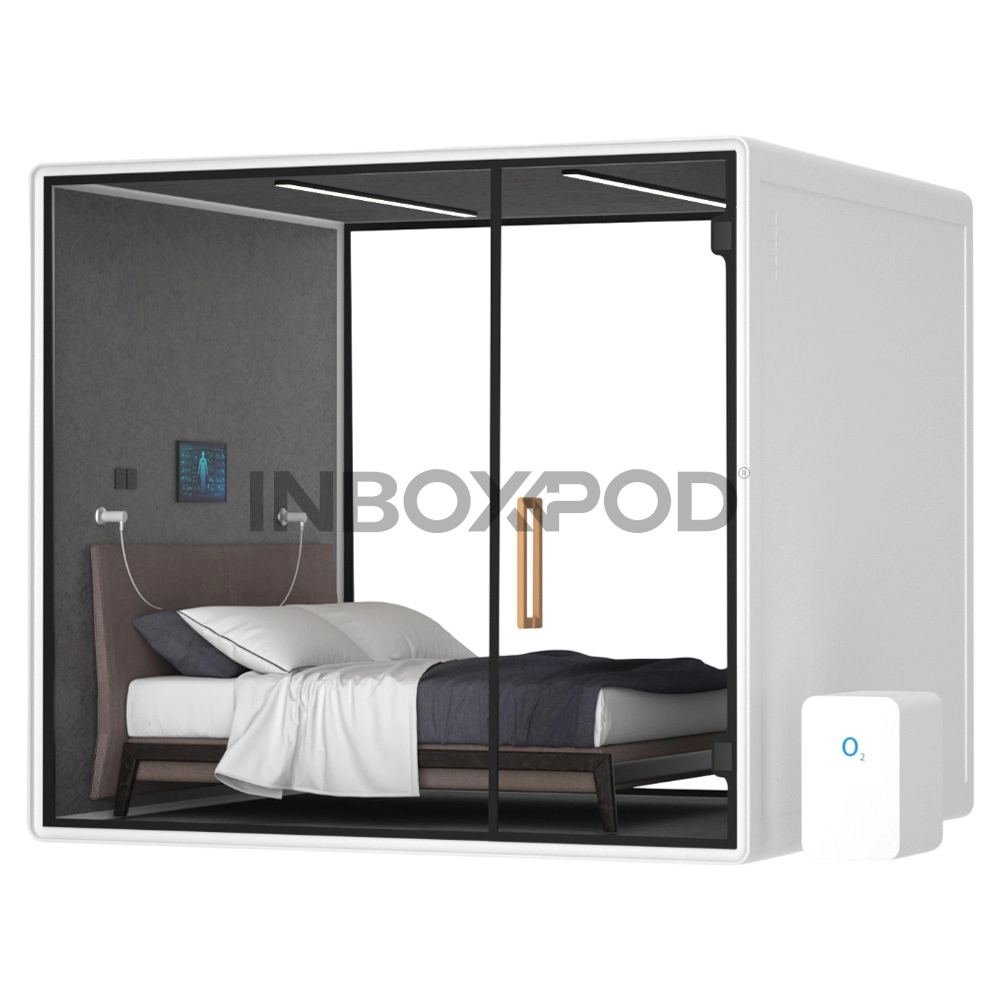
INBOXpod Soundproof Double Bed (small) Oxygen Pod
A double oxygen therapy option that balances space and experience, with a small double-bed layout suitable for various scenarios. External size: W2300×D1854×H2300 mm; internal size: W2300×D1929×H2300 mm. You can share the high-oxygen environment here with relatives and friends, relieve stress, improve physical fitness, and gain health and vitality in company.
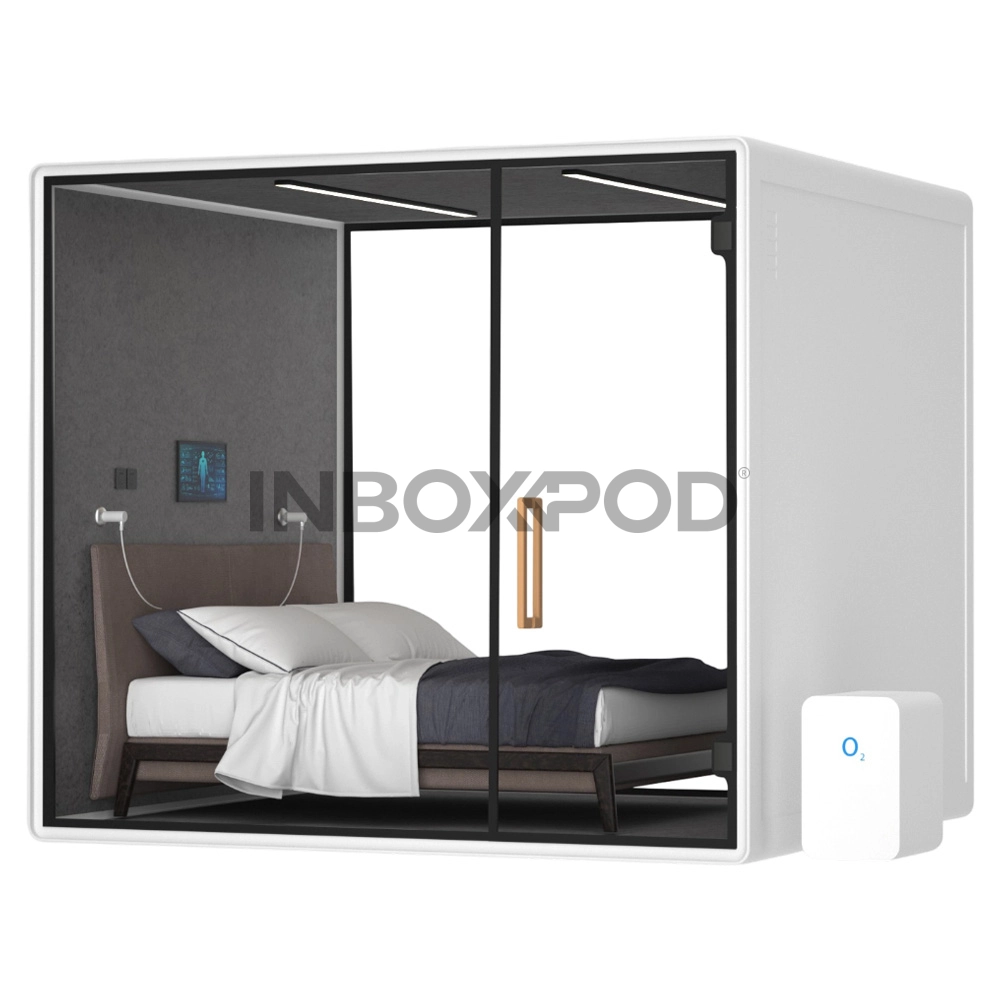
Double bed (large) Soundproof Oxygen Pod
A shared health oxygen therapy world for families, with a large double-bed design to meet the comfort needs of two people. External size: W2300×D2379×H2300 mm; internal size: W2166×D2304×H2166 mm. Let you and your family or partner enjoy high-oxygen nourishment together, improve body functions, delay aging, and embrace a healthy life with intimate company.
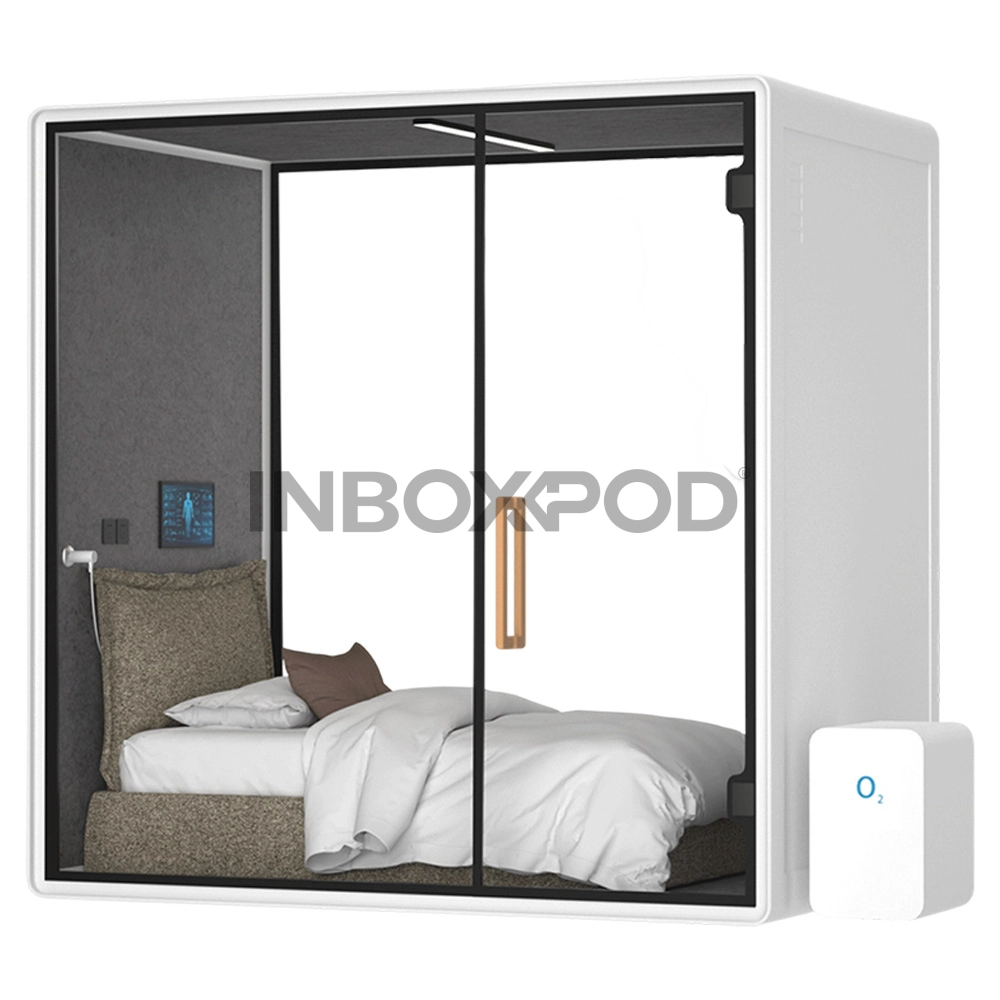
Soundproof Single Bed Oxygen Pod Therapy
Create an immersive deep health oxygen therapy space for you, with a single bed design for ultimate comfort. External size: W2300×D1478×H2300 mm; internal size: W2166×D1403×H2166 mm. Enjoy the nourishment of high-concentration oxygen while lying down, improve sleep, relieve fatigue, enhance immunity, and start a journey of health renewal.
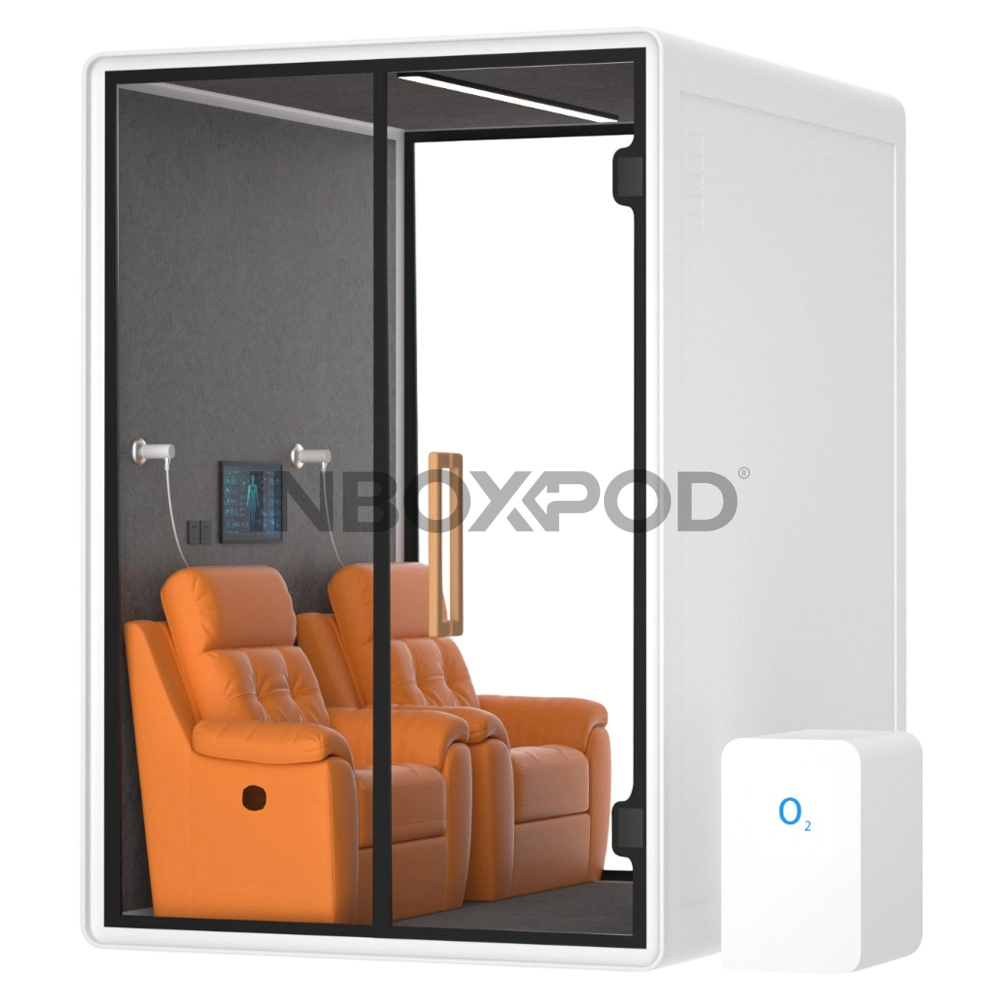
INBOXpod Double Seat Soundproof Oxygen Pod
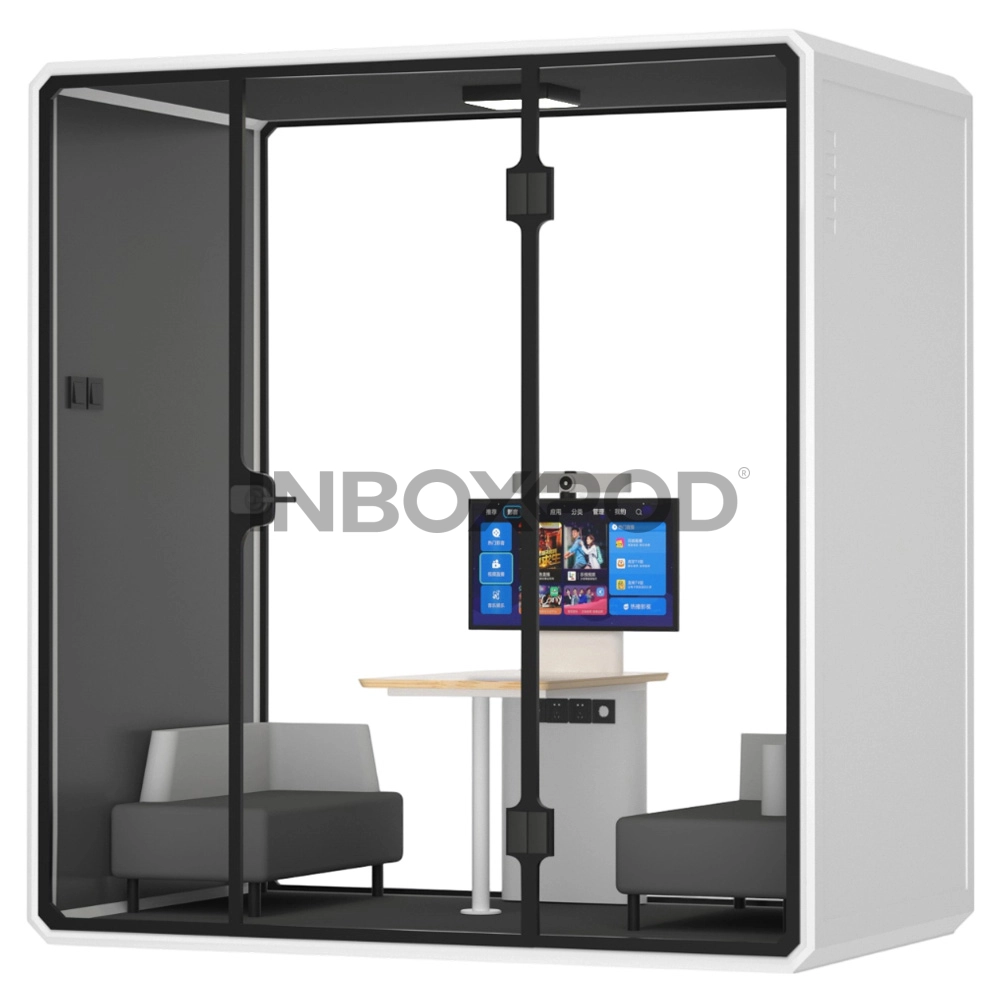
An oxygen therapy space customized for double social interaction and health, with a double-seat design to promote a win-win situation for interaction and health. External size: W1600×D1929×H2300 mm; internal size: W1466×D1854×H2166 mm. You can improve cardiovascular function and concentration through oxygen therapy with friends and colleagues in a quiet and efficient acoustic environment, making health and social interaction complement each other.
Stay Updated with INBOXpod Insights
Subscribe to receive the latest articles, industry news, and updates on our acoustic solutions. Stay informed and discover distribution opportunities with INBOXpod.
Whatsapp: +8613535292957