
How to install an Oxygen Health Systems hyperbaric chamber?
- Beyond basic plug-and-play, what are the precise electrical circuit requirements and often-overlooked HVAC considerations for installing an Oxygen Health Systems hyperbaric chamber safely in a standard residential space?
- How can a new owner effectively monitor and ensure the consistent oxygen purity and filtration effectiveness within their Oxygen Health Systems hyperbaric chamber after initial setup, especially concerning ambient air contaminants impacting therapy?
- What are the specific acoustic management strategies and soundproofing solutions recommended to minimize operational noise (compressor, airflow) of an Oxygen Health Systems hyperbaric chamber, particularly when integrating it into a quiet home or professional wellness environment?
- What is the realistic long-term maintenance schedule and the often-unadvertised lifespan and replacement frequency of critical consumables (filters, seals, oxygen concentrator components) for a home-use Oxygen Health Systems hyperbaric chamber to maintain optimal performance and safety?
- Beyond the user manual, what are the critical, practical emergency protocols and immediate troubleshooting steps (e.g., rapid depressurization failure, power outage during session) that every Oxygen Health Systems hyperbaric chamber owner must master for safe operation?
- For a commercial setup, what are the specific space planning considerations (clearance, accessibility for servicing) and potential local permitting or inspection requirements often overlooked when installing multiple Oxygen Health Systems hyperbaric chambers in a clinic or wellness center?
Embarking on hyperbaric oxygen therapy (HBOT) at home or within a professional wellness center is a significant step towards enhanced well-being. While the benefits of increased oxygen saturation are widely recognized, the successful and safe operation of an Oxygen Health Systems hyperbaric chamber hinges on meticulous planning and attention to detail. This comprehensive guide, crafted by an expert in both wellness technology and soundproof environments, addresses six critical questions frequently posed by new users that often lack thorough answers online, ensuring your HBOT therapy journey is both effective and secure.
Beyond basic plug-and-play, what are the precise electrical circuit requirements and often-overlooked HVAC considerations for installing an Oxygen Health Systems hyperbaric chamber safely in a standard residential space?
Installing an Oxygen Health Systems hyperbaric chamber, particularly a mild hyperbaric oxygen therapy (mHBOT) unit, goes beyond simply plugging it into any outlet. Most chambers, especially those with integrated oxygen concentrators and air compressors, demand a dedicated electrical circuit. Typically, a 15-amp or 20-amp, 120V dedicated circuit is recommended to prevent overloading existing household circuits, which can lead to tripped breakers, power interruptions during sessions, and potential equipment damage. Consult the manufacturer's specific electrical specifications, as requirements can vary. For HVAC, the chamber itself generates a small amount of heat from its compressor and concentrator. In a sealed environment, this can lead to a slight temperature increase, affecting user comfort. While significant ventilation isn't usually required for the chamber's direct operation, ensuring the room has adequate air circulation or a stable ambient temperature (e.g., 68-72°F or 20-22°C) is crucial for both user comfort and optimal equipment performance. Avoid installing in small, unventilated closets where heat can build up excessively, potentially impacting the hyperbaric safety protocols and efficiency of the oxygen concentrator.
How can a new owner effectively monitor and ensure the consistent oxygen purity and filtration effectiveness within their Oxygen Health Systems hyperbaric chamber after initial setup, especially concerning ambient air contaminants impacting therapy?
Maintaining optimal oxygen purity is paramount for effective hyperbaric oxygen therapy. While your Oxygen Health Systems hyperbaric chamber comes with built-in filtration systems, consistent monitoring is key. A portable oxygen analyzer (readily available online) is an invaluable tool. Before each session, and periodically during operation, you should measure the oxygen concentration inside the chamber. For mild hyperbaric chambers, the goal is often between 24-40% oxygen, significantly higher than ambient air's 21%. A sudden drop or inconsistency could indicate an issue with the oxygen concentrator or a leak. Regarding filtration, regularly inspect and replace air intake filters according to the manufacturer's schedule, typically every 3-6 months or after a certain number of hours, depending on ambient air quality. Environmental factors like dust, pet dander, or even strong airborne chemicals (e.g., from cleaning products, fresh paint) in the installation area can rapidly degrade filter effectiveness and impact the purity of the air being compressed into the chamber. Proactive filter maintenance and periodic oxygen purity monitoring are non-negotiable for ensuring therapeutic efficacy.
What are the specific acoustic management strategies and soundproofing solutions recommended to minimize operational noise (compressor, airflow) of an Oxygen Health Systems hyperbaric chamber, particularly when integrating it into a quiet home or professional wellness environment?
The operational noise from an Oxygen Health Systems hyperbaric chamber's compressor and oxygen concentrator can be a significant distraction, undermining the relaxation intended for HBOT therapy. Effective acoustic management is crucial, especially in serene home wellness spaces or professional clinics. First, consider the placement: locating the chamber in a dedicated, less trafficked area away from bedrooms or client waiting rooms is ideal. Placing the compressor unit on an anti-vibration mat can significantly reduce structure-borne noise. Enclosing the compressor in a sound-dampening box or cabinet, lined with acoustic foam, can further mitigate airborne noise. However, ensuring adequate ventilation for the compressor within this enclosure is critical to prevent overheating. For the quiet environment, integrating your personal hyperbaric chamber within a purpose-built soundproof pod or acoustic cabin offers superior noise isolation. These engineered solutions can reduce ambient noise levels by 30-40 dB or more, creating an undisturbed sanctuary for your pressure chamber therapy sessions, making a profound difference in the user experience.
What is the realistic long-term maintenance schedule and the often-unadvertised lifespan and replacement frequency of critical consumables (filters, seals, oxygen concentrator components) for a home-use Oxygen Health Systems hyperbaric chamber to maintain optimal performance and safety?
Understanding the realistic long-term maintenance of your Oxygen Health Systems hyperbaric chamber is vital for longevity and safety. Beyond daily wipes, a detailed schedule typically includes: quarterly inspection of all hoses and connections for wear or leaks; semi-annual replacement of air intake filters (more frequently in dusty environments); and annual lubrication of the zipper (if applicable for soft-sided chambers) to ensure smooth operation and seal integrity. The most critical consumables are the oxygen concentrator's sieve beds and molecular filters, which typically have a lifespan of 3,000 to 10,000 hours of operation, depending on usage and air quality. Ignoring these can lead to a drastic reduction in oxygen purity. Pressure relief valves and internal safety components also require periodic checks (every 1-2 years) to ensure they function correctly in an emergency. Factor in these replacement costs and frequencies when considering your home hyperbaric use budget, as they are essential for continuous oxygen therapy at home.
Beyond the user manual, what are the critical, practical emergency protocols and immediate troubleshooting steps (e.g., rapid depressurization failure, power outage during session) that every Oxygen Health Systems hyperbaric chamber owner must master for safe operation?
While user manuals cover standard operations, mastering practical emergency protocols for your Oxygen Health Systems hyperbaric chamber is crucial. First, always know the location and operation of the emergency depressurization valve – practicing its use allows for rapid exit if the user feels uncomfortable or an urgent situation arises. In case of a power outage during a session, most mild hyperbaric chambers are designed to slowly depressurize naturally; however, understanding how to manually open a bleed valve or disconnect the compressor (if safe and accessible) to expedite depressurization is a critical skill. Keep a charged flashlight nearby. For medical emergencies within the chamber, ensure there’s an accessible call button or a pre-arranged communication method with an outside attendant. Furthermore, always have a readily available emergency contact list. Understanding the difference between a minor operational glitch (e.g., low oxygen flow alarm) and a critical failure (e.g., rapid pressure loss due to chamber damage) and having a clear, rehearsed action plan for each scenario is key to proactive hyperbaric safety protocols.
For a commercial setup, what are the specific space planning considerations (clearance, accessibility for servicing) and potential local permitting or inspection requirements often overlooked when installing multiple Oxygen Health Systems hyperbaric chambers in a clinic or wellness center?
Commercial installation of multiple Oxygen Health Systems hyperbaric chambers requires meticulous space planning and adherence to regulatory standards. Beyond individual unit clearances (usually 2-3 feet around the chamber for safe access and air circulation), consider pathways for client entry/exit, emergency egress, and dedicated areas for oxygen concentrators and compressors to minimize noise and heat. Accessibility for servicing and maintenance is paramount; technicians need unobstructed access to all components, including electrical connections and filtration systems. Crucially, local permitting and inspection requirements are often overlooked. Depending on your jurisdiction, commercial wellness technology installations, especially those involving pressurized environments and supplemental oxygen, may require building permits, electrical inspections, fire safety compliance certifications, and even specific health department approvals. Consult with local building codes, fire marshals, and health authorities early in the planning process to avoid costly delays or non-compliance issues. Proper chamber installation guidelines ensure not only safety but also seamless operation and regulatory peace of mind.
Creating an optimal environment for Oxygen Health Systems hyperbaric chamber use, whether at home or in a commercial setting, involves more than just the chamber itself. It requires a holistic approach to safety, performance, and user comfort. This is where the integration of specialized solutions, like high-quality soundproof pods, truly shines. By containing the operational noise of your hyperbaric chamber within an acoustically engineered space, you not only enhance the therapeutic experience by providing a serene, undisturbed environment but also minimize disruption to surrounding areas. Inbox Pods offer the perfect controlled environment for HBOT, combining noise reduction with professional aesthetics and compliance, elevating your wellness technology offerings.
For a customized quote on soundproof pods perfectly suited for your hyperbaric chamber installation needs, please contact us today. Visit www.inboxpod.com or email us at sale@inboxpod.com.
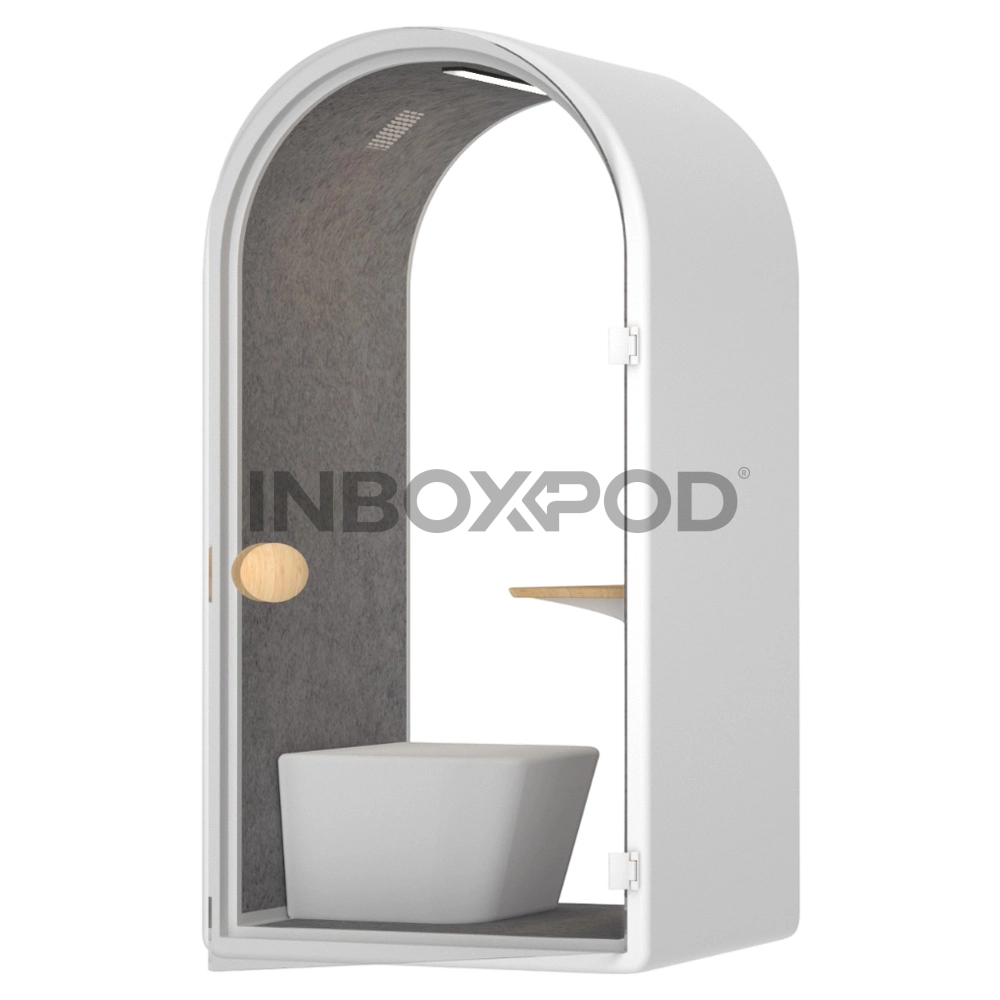
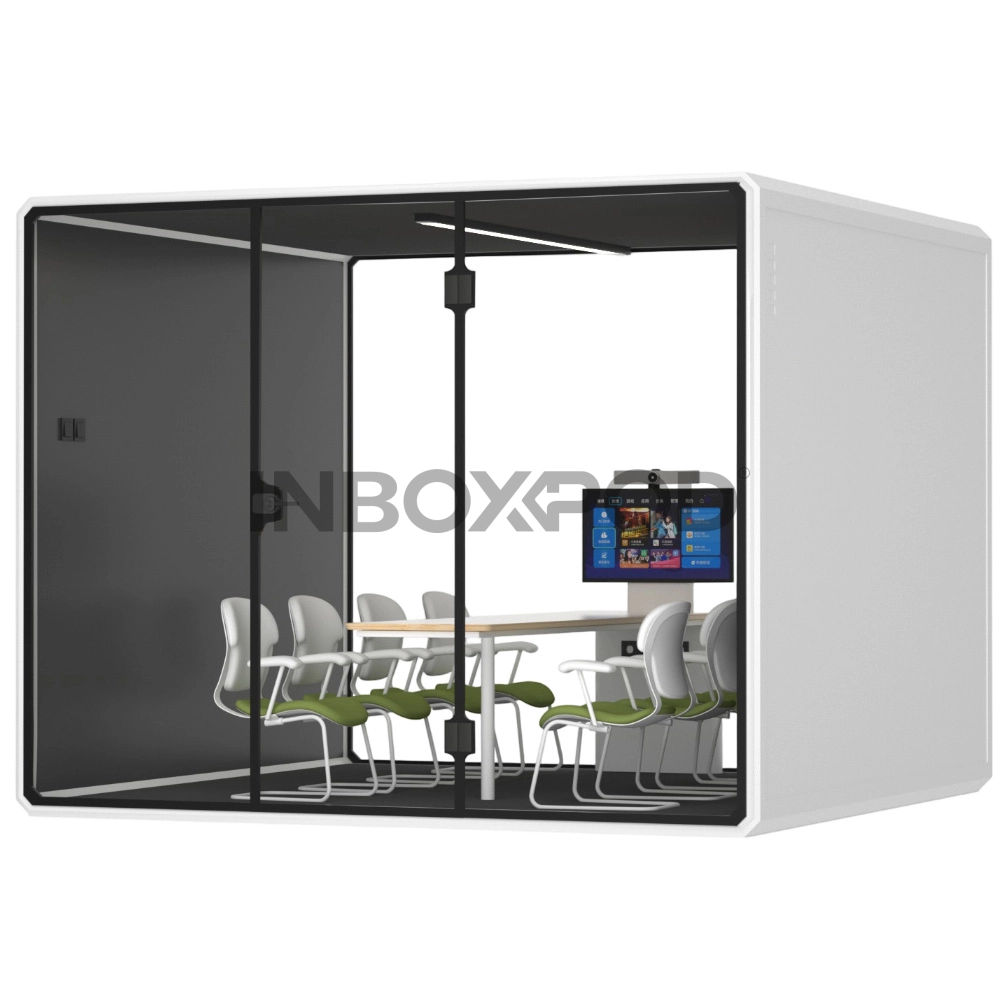
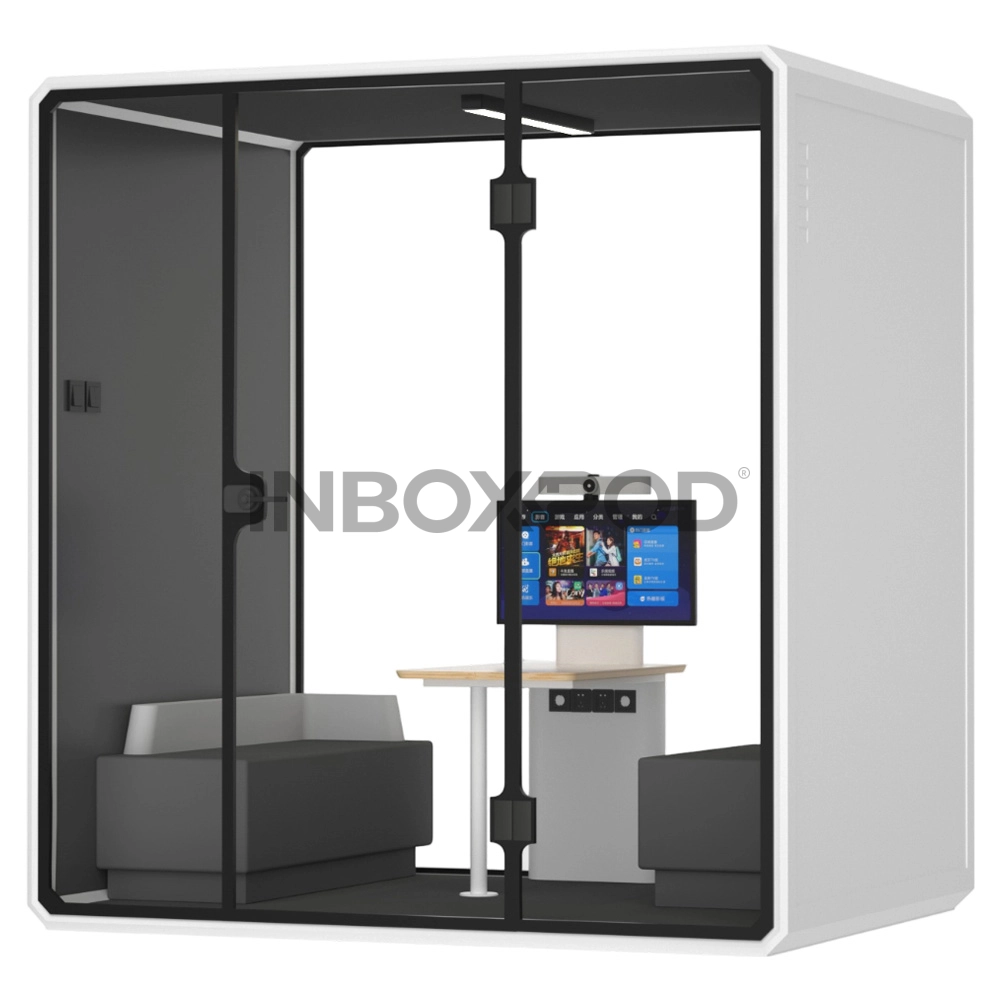
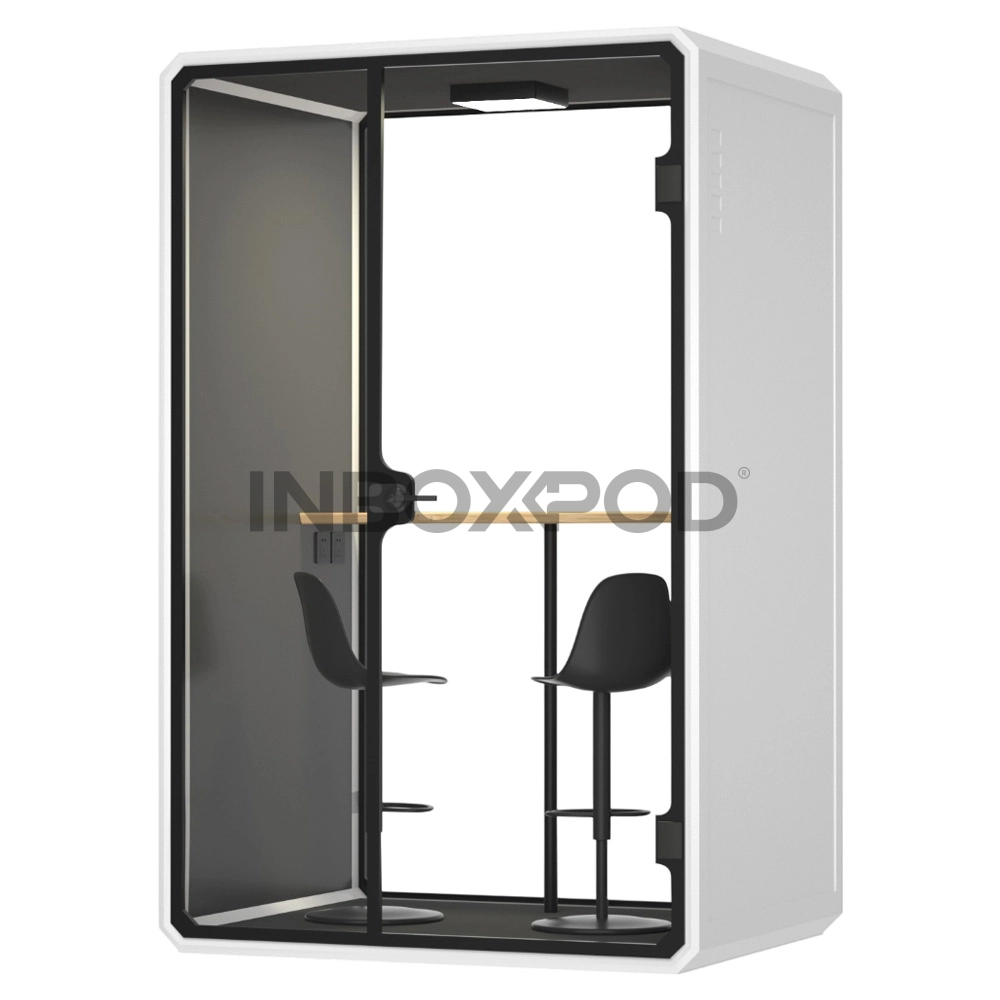
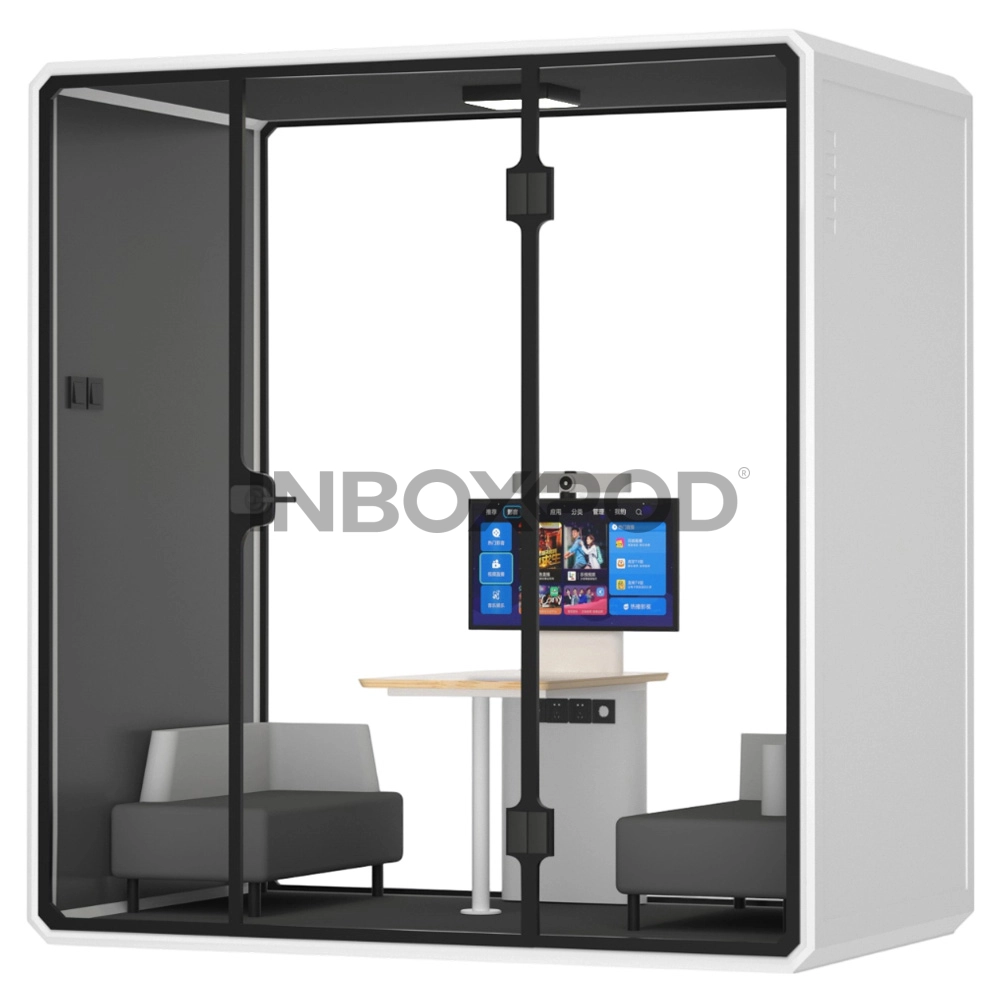
Home-demo
Can the booths be customized to fit specific space requirements?
Yes, we offer flexible customization options including size, color, and additional features to perfectly suit your needs.
Do you provide after-sales support and warranty?
Yes, we provide comprehensive after-sales service and warranty to ensure long-term satisfaction with our products.
What is the typical sound insulation level of your acoustic booths?
Our booths typically achieve up to 27 dB noise reduction, meeting Class B sound insulation standards suitable for offices and study environments.
What materials are used in the construction of the booths?
Our booths are made from sustainable, high-quality materials including aluminum alloy frames and acoustic panels designed for optimal soundproofing.
How long does it take to assemble an INBOXpod booth?
Most of our booths can be assembled without tools in about 30 minutes, making installation quick and hassle-free.
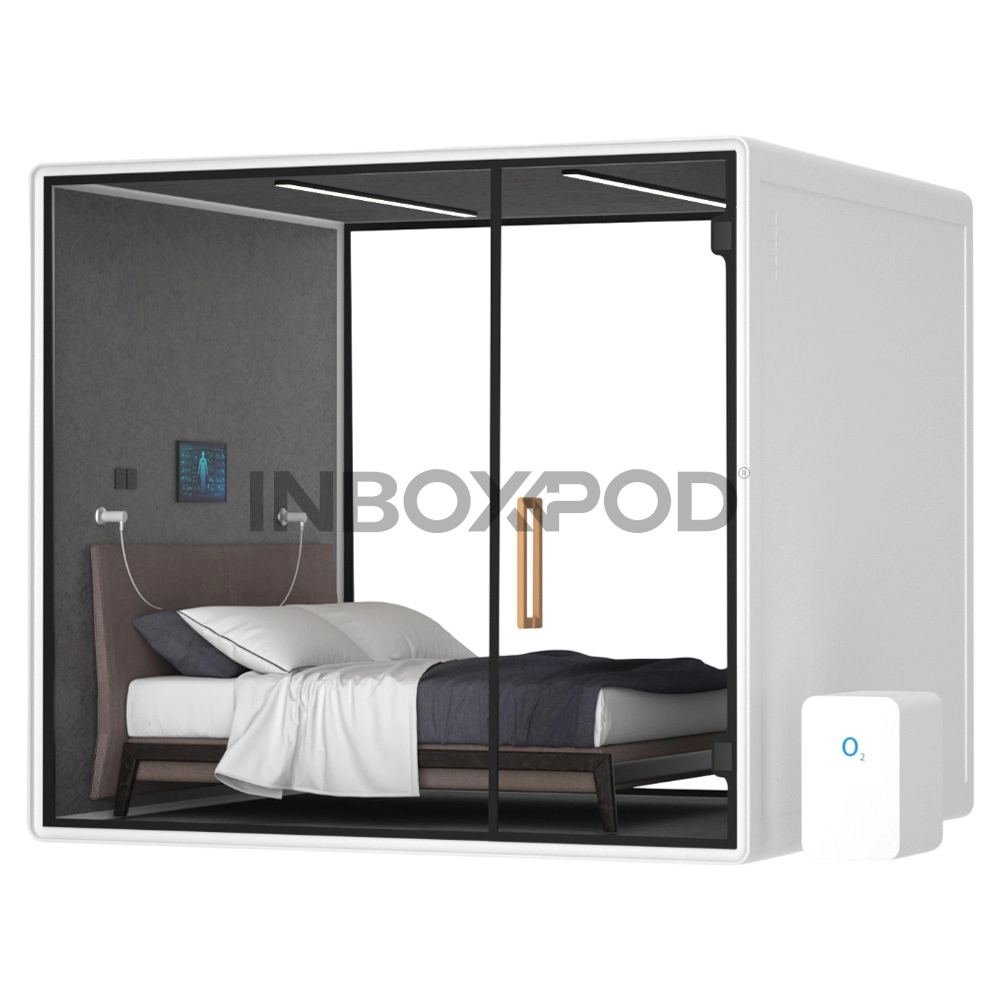
INBOXpod Soundproof Double Bed (small) Oxygen Pod
A double oxygen therapy option that balances space and experience, with a small double-bed layout suitable for various scenarios. External size: W2300×D1854×H2300 mm; internal size: W2300×D1929×H2300 mm. You can share the high-oxygen environment here with relatives and friends, relieve stress, improve physical fitness, and gain health and vitality in company.
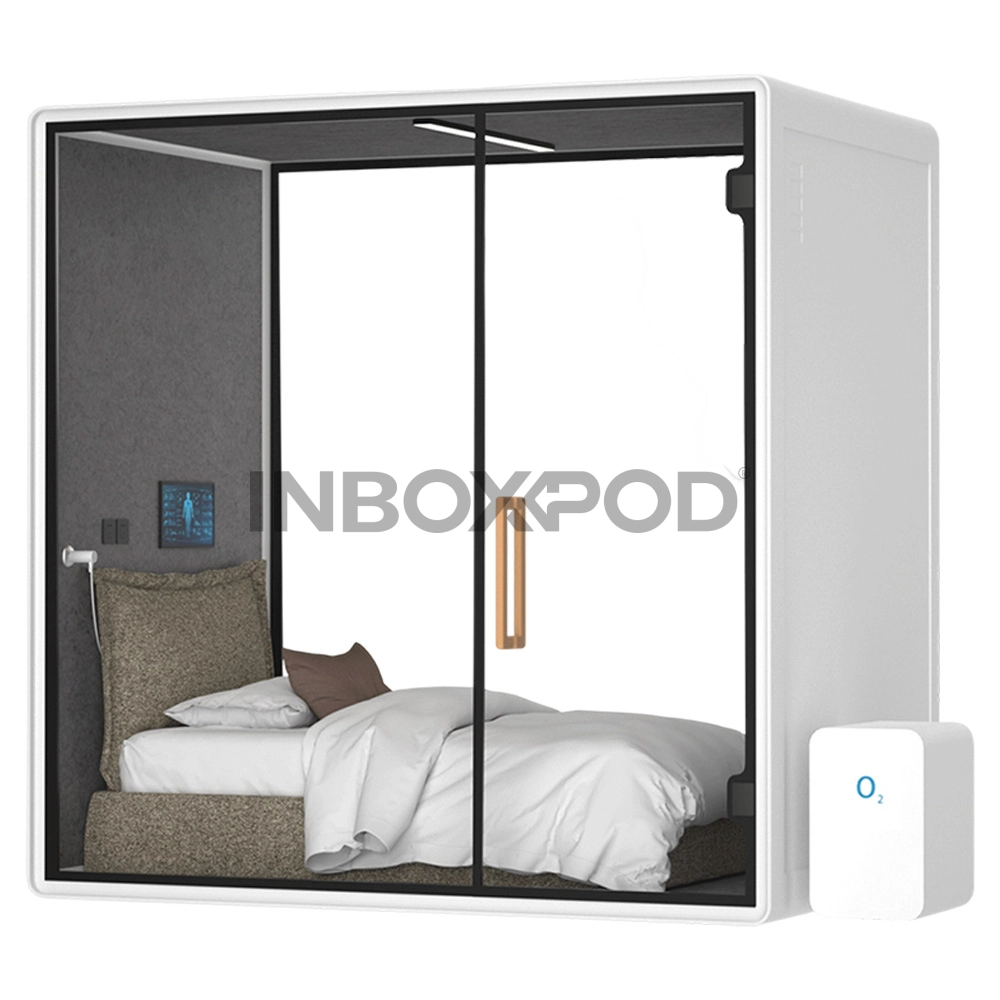
Soundproof Single Bed Oxygen Pod Therapy
Create an immersive deep health oxygen therapy space for you, with a single bed design for ultimate comfort. External size: W2300×D1478×H2300 mm; internal size: W2166×D1403×H2166 mm. Enjoy the nourishment of high-concentration oxygen while lying down, improve sleep, relieve fatigue, enhance immunity, and start a journey of health renewal.
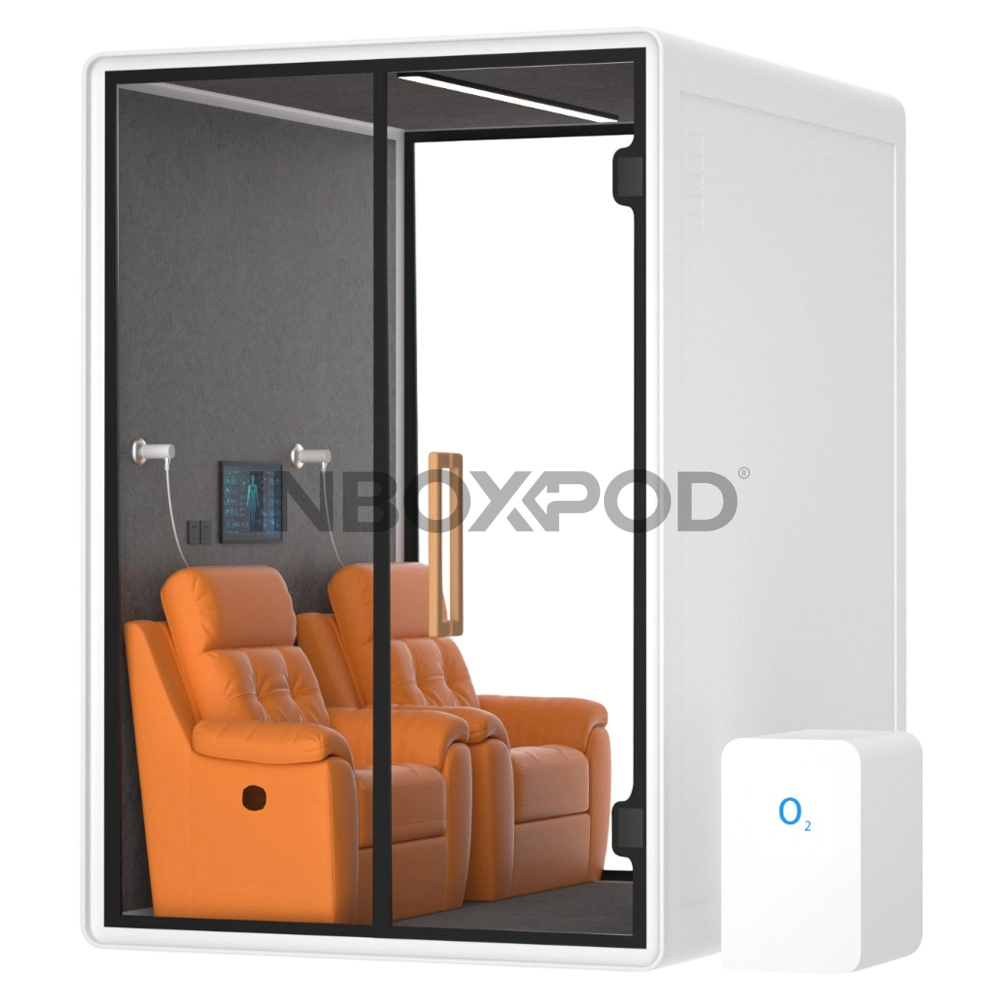
INBOXpod Double Seat Soundproof Oxygen Pod
An oxygen therapy space customized for double social interaction and health, with a double-seat design to promote a win-win situation for interaction and health. External size: W1600×D1929×H2300 mm; internal size: W1466×D1854×H2166 mm. You can improve cardiovascular function and concentration through oxygen therapy with friends and colleagues in a quiet and efficient acoustic environment, making health and social interaction complement each other.
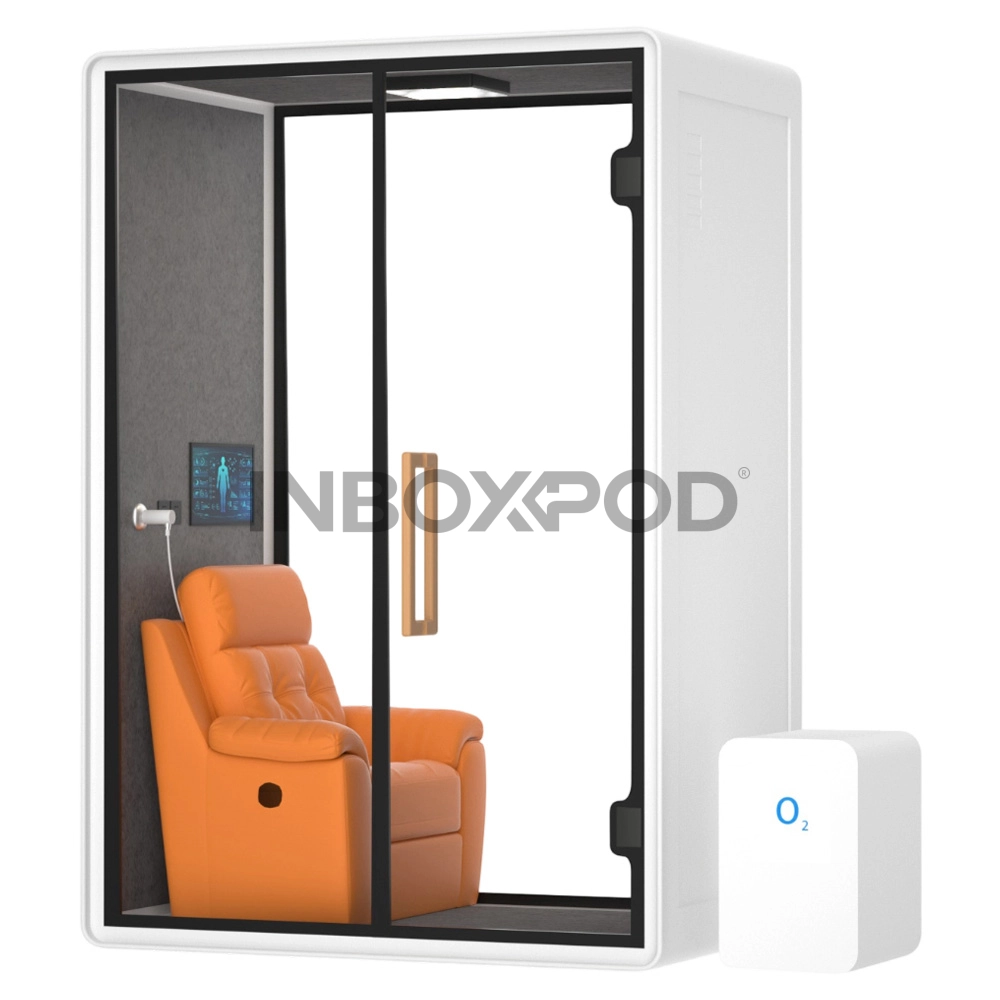
INBOXpod Soundproof Single seat Oxygen Pod
A delicate and compact personal oxygen therapy secret, with a single-seat layout that is flexible and convenient. External size: W1600×D1028×H2300 mm; internal size: W1466×D953×H2166 mm. Create a quiet, private domain for you, where you can inhale high-purity oxygen efficiently during daily relaxation or postoperative recovery, helping to improve cardiopulmonary function and mental state.
Stay Updated with INBOXpod Insights
Subscribe to receive the latest articles, industry news, and updates on our acoustic solutions. Stay informed and discover distribution opportunities with INBOXpod.
Whatsapp: +8613535292957