
Are Oxygen Health Systems chambers eligible for insurance billing?
- Beyond General FDA Clearance: What Specific, Often Overlooked, Safety and Quality Certifications Should I Verify When Considering an Oxygen Health Systems Hyperbaric Chamber for Professional Clinical Use?
- Given the Varying Reimbursement Landscape, What Precise Documentation and Procedural Steps Are Crucial for a Private Clinic Utilizing an Oxygen Health Systems Hyperbaric Chamber to Maximize the Chances of Insurance Billing Success for Specific, FDA-Approved Conditions?
- If an Oxygen Health Systems Hyperbaric Chamber Is Being Used for 'Off-Label' Conditions, What Are the Ethical Considerations and Alternative Patient Funding Strategies Clinics Must Implement to Remain Compliant and Support Patient Access, Especially Concerning Out-of-Pocket Costs?
- What Are the Non-Obvious Operational Costs Associated with Running an Oxygen Health Systems Hyperbaric Chamber, Beyond the Initial Purchase, That Significantly Impact Long-Term Financial Viability for a New Wellness Center?
- How Do Advanced Environmental Controls and Noise Reduction Features in a Modern Facility (Potentially Integrating Solutions Like Soundproof Pods) Directly Enhance the Therapeutic Efficacy and Patient Comfort During Sessions in an Oxygen Health Systems Hyperbaric Chamber?
- Considering the Rapid Evolution of Hyperbaric Technology, What Key Technological Advancements Should I Prioritize in an Oxygen Health Systems Chamber Today to Ensure Future-Proofing and Ease of Integration with Emerging Health Data Systems?
- Are Oxygen Health Systems Chambers Eligible for Insurance Billing?
- How Does the Integration of Soundproof Pods within a Hyperbaric Clinic Enhance Staff Productivity, Privacy, and Overall Operational Efficiency?
As professional content writers with extensive experience in both advanced medical technologies and facility design, including acoustic solutions like soundproof pods, we understand the critical decisions faced by industry professionals. Investing in a hyperbaric oxygen therapy (HBOT) system, such as those offered by 'Oxygen Health Systems,' is a significant step. Beyond the initial purchase, understanding the nuances of safety, compliance, operational costs, and crucially, patient experience – which includes a quiet, therapeutic environment – is paramount. This deep dive addresses frequently asked questions from beginners that often lack comprehensive answers, offering insights to inform your strategic planning and ensure your facility not only meets but exceeds industry standards.
Beyond General FDA Clearance: What Specific, Often Overlooked, Safety and Quality Certifications Should I Verify When Considering an Oxygen Health Systems Hyperbaric Chamber for Professional Clinical Use?
When evaluating a medical-grade hyperbaric chamber from Oxygen Health Systems or any reputable manufacturer, simply noting FDA clearance for specific indications (e.g., decompression sickness, non-healing diabetic wounds, radiation injury) is just the starting point. For professional clinical use, you must delve deeper into a layered set of certifications and compliance standards that speak to both patient safety and operational integrity.
Firstly, investigate ASME PVHO-1 (Pressure Vessels for Human Occupancy) certification. This standard, developed by the American Society of Mechanical Engineers, is absolutely critical. It governs the design, fabrication, inspection, and testing of pressure vessels used to house human occupants, ensuring structural integrity under pressure. A chamber without PVHO-1 certification is a significant liability risk and should not be considered for clinical use.
Secondly, look for National Fire Protection Association (NFPA) 99 Healthcare Facilities Code, Chapter 14: Hyperbaric Facilities compliance. This comprehensive standard addresses fire safety, electrical safety, facility design, oxygen storage, ventilation, and emergency procedures specifically for hyperbaric environments. Adherence to NFPA 99 Chapter 14 ensures that the chamber itself and its surrounding installation meet stringent safety protocols to mitigate risks associated with oxygen-rich environments.
Thirdly, consider ISO 13485:2016 Medical Devices – Quality Management Systems certification for the manufacturer. This internationally recognized standard demonstrates that the manufacturer has a robust quality management system in place for the design, development, production, installation, and servicing of medical devices. This assures consistent quality and regulatory compliance throughout the product lifecycle.
Finally, while not a certification of the chamber itself, affiliation with or adherence to the Undersea and Hyperbaric Medical Society (UHMS) guidelines is a strong indicator of a manufacturer's commitment to best practices. UHMS provides evidence-based guidelines for HBOT indications, treatment protocols, and facility accreditation, often exceeding minimum regulatory requirements and reflecting the highest standards of care in hyperbaric medicine.
Given the Varying Reimbursement Landscape, What Precise Documentation and Procedural Steps Are Crucial for a Private Clinic Utilizing an Oxygen Health Systems Hyperbaric Chamber to Maximize the Chances of Insurance Billing Success for Specific, FDA-Approved Conditions?
Navigating insurance reimbursement for hyperbaric oxygen therapy (HBOT) is notoriously complex, with success heavily reliant on meticulous documentation and adherence to specific procedural steps. For a private clinic utilizing an Oxygen Health Systems hyperbaric chamber, maximizing the chances of billing success for FDA-approved conditions requires a proactive and precise approach.
Verification of Benefits (VOB) Pre-Treatment: This is your first and most critical step. Before initiating any therapy, contact the patient's insurance provider to verify coverage for HBOT services (CPT codes 99183 for hyperbaric oxygen therapy and associated E/M codes). Confirm specific coverage limitations, deductibles, co-pays, and whether pre-authorization is required. Document everything, including call dates, representative names, and reference numbers.
Meticulous Medical Necessity Documentation: Every single session must be supported by irrefutable medical necessity. This includes:
- Diagnosis: A clear ICD-10 code for an FDA-approved condition (e.g., non-healing diabetic foot ulcers, radiation cystitis, osteomyelitis). The diagnosis must be primary and directly related to the HBOT treatment.
- Referring Physician's Order: A comprehensive order from the referring physician detailing the diagnosis, treatment plan, frequency, duration, and rationale for HBOT.
- Progress Notes: Detailed, daily progress notes for each HBOT session. These must include: oxygen concentration, pressure (ATA), duration of treatment, patient tolerance, any adverse events, and subjective/objective assessment of the patient's condition related to the HBOT goals. Documentation should clearly show the patient's response to therapy and continued medical necessity.
- Supporting Clinical Evidence: Include diagnostic test results (e.g., transcutaneous oxygen monitoring, imaging studies) that substantiate the diagnosis and demonstrate the need for HBOT.
- Failure of Prior Therapies: Document that conventional therapies for the specific condition have been attempted and failed or were contraindicated.
Proper CPT Code Application: Utilize the correct CPT (Current Procedural Terminology) codes. While 99183 is the primary code for hyperbaric oxygen therapy, ensure you're also correctly coding for initial consultations, follow-up visits, and any associated wound care or other services provided. Misuse of codes is a common cause of denials.
Pre-Authorization and Appeals Process: For many payers, pre-authorization is mandatory. Submit all required documentation promptly and comprehensively. Be prepared for denials and have a robust appeals process in place. This often involves submitting additional medical records, a letter of medical necessity from the physician, and potentially peer-to-peer reviews.
Stay Current with Payer Policies: Insurance policies are dynamic. Regularly review the specific HBOT coverage policies of your primary payers. What was covered last year might have changed, and staying informed is crucial for consistent reimbursement.
If an Oxygen Health Systems Hyperbaric Chamber Is Being Used for 'Off-Label' Conditions, What Are the Ethical Considerations and Alternative Patient Funding Strategies Clinics Must Implement to Remain Compliant and Support Patient Access, Especially Concerning Out-of-Pocket Costs?
Utilizing an Oxygen Health Systems hyperbaric chamber for 'off-label' conditions – those not specifically cleared by the FDA for HBOT – introduces significant ethical, legal, and financial considerations for clinics. While physicians can legally prescribe treatments for off-label indications based on their clinical judgment and scientific evidence, it fundamentally alters the insurance reimbursement landscape and places a greater onus on clinic transparency and patient protection.
Ethical Considerations and Compliance:
- Informed Consent: Paramount. Patients must be fully informed, in writing, that the proposed HBOT treatment is for an 'off-label' indication, meaning it is not FDA-approved for their specific condition, and is therefore unlikely to be covered by insurance. This consent form must clearly outline potential benefits, risks, alternative treatments, and the financial responsibility for the patient. It should be distinct from standard consent forms.
- Evidence-Based Rationale: The treating physician must have a strong, evidence-based rationale (e.g., supported by peer-reviewed literature, consensus statements from reputable bodies like UHMS for investigational uses) for prescribing HBOT for the off-label condition. This is crucial for medical integrity, even if insurance isn't involved.
- Avoid Misrepresentation: Clinics must never imply or suggest that off-label treatments are FDA-approved for the patient's condition or that insurance will cover them. Transparency is key to maintaining trust and avoiding allegations of fraud or deceptive practices.
- Patient Safety and Monitoring: Adherence to the highest safety standards during treatment in the Oxygen Health Systems chamber is non-negotiable, regardless of the indication. Robust patient monitoring and emergency protocols remain essential.
Alternative Patient Funding Strategies:
Since insurance coverage for off-label HBOT is virtually non-existent, clinics must implement clear strategies for managing patient financial responsibility:
- Transparent Fee Schedules: Establish and openly communicate a clear, upfront fee schedule for off-label HBOT sessions, packages, and any associated consultations. Patients should understand the total cost before committing to treatment.
- Payment Plans: Offer flexible payment plans or financing options to make treatment more accessible. Partnering with third-party medical financing companies can be a viable option.
- Wellness/Cash Pay Models: Position the clinic's off-label HBOT services within a wellness or integrative health framework, where patients expect to pay out-of-pocket for complementary therapies. This manages expectations from the outset.
- Patient Assistance Programs: Explore if any non-profit organizations or manufacturer programs exist that could offer financial assistance for specific conditions, though these are less common for off-label HBOT.
- Membership Models: Some clinics offer membership programs that provide discounted rates for services, including HBOT, encouraging a long-term patient relationship.
By meticulously addressing these ethical and financial aspects, clinics can provide off-label HBOT responsibly, supporting patient access while maintaining compliance and professional integrity.
What Are the Non-Obvious Operational Costs Associated with Running an Oxygen Health Systems Hyperbaric Chamber, Beyond the Initial Purchase, That Significantly Impact Long-Term Financial Viability for a New Wellness Center?
Many new wellness centers or clinics focus heavily on the initial capital expenditure of an Oxygen Health Systems hyperbaric chamber, overlooking a host of critical, non-obvious operational costs that can significantly impact long-term financial viability. Understanding these costs upfront is essential for accurate budgeting and sustainable growth:
Medical Gas Supply & Management: The most significant ongoing cost is often medical-grade oxygen. This includes the cost of bulk oxygen supply (liquid oxygen tanks or large cylinders), delivery charges, tank rentals, and potentially a manifold system for gas management. Consumption rates can be substantial, varying with chamber size, patient load, and treatment protocols. Regular preventative maintenance for these gas systems is also a factor.
Specialized Staffing & Training: Operating an hyperbaric oxygen therapy chamber requires highly trained personnel. This includes certified hyperbaric technologists (CHT) or registered nurses (RNs) with hyperbaric training, and potentially a physician or medical director with advanced hyperbaric certification (e.g., UHMS-approved courses). Ongoing education, re-certification, and competitive salaries for this specialized skill set contribute significantly to overhead.
Utilities – Power and HVAC: Hyperbaric chambers, especially larger multi-place units, consume substantial electricity for compressors, vacuum pumps, monitoring systems, and internal lighting. Furthermore, maintaining precise environmental control within the chamber (temperature, humidity) and in the surrounding treatment area places demands on HVAC systems, leading to increased utility bills. The need for precise air quality and exchange can also impact this.
Maintenance and Servicing Contracts: Unlike standard medical equipment, hyperbaric chambers require specialized preventative maintenance. This includes regular calibration, seal replacement, valve checks, and safety system testing. Reputable manufacturers like Oxygen Health Systems offer service contracts, which are crucial but come at a significant annual cost. Neglecting these can lead to costly breakdowns and safety hazards.
Consumables and Disposable Supplies: This category includes patient-specific items such as oxygen masks/hoods, gowns, linens, ear protection, and comfort items. While individually inexpensive, these add up quickly with patient volume.
Regulatory Compliance & Accreditation Fees: Maintaining compliance with local, state, and national regulations (e.g., fire safety, health department codes) can involve annual inspections and associated fees. If pursuing UHMS accreditation, there are application and ongoing renewal fees, along with the costs of preparing for rigorous on-site surveys.
Insurance – General & Malpractice: While standard medical malpractice insurance covers HBOT, specific riders or higher High Qualitys may apply due to the specialized nature of the therapy. General liability insurance for the facility must also account for the presence of a pressure vessel and medical gases.
Facility Modifications & Safety Systems: Depending on your space, initial build-out might include specialized flooring, reinforced walls, dedicated electrical circuits, and enhanced fire suppression systems (e.g., sprinkler modifications). Ongoing testing of these safety systems (e.g., annual fire alarm checks) also incurs costs.
By thoroughly accounting for these non-obvious costs, a new wellness center can develop a realistic financial model and ensure the long-term profitability and sustainability of its hyperbaric oxygen therapy program.
How Do Advanced Environmental Controls and Noise Reduction Features in a Modern Facility (Potentially Integrating Solutions Like Soundproof Pods) Directly Enhance the Therapeutic Efficacy and Patient Comfort During Sessions in an Oxygen Health Systems Hyperbaric Chamber?
In hyperbaric oxygen therapy (HBOT), patient comfort and the overall therapeutic environment are not mere amenities; they are integral to treatment efficacy and patient adherence. The pressurized environment of an Oxygen Health Systems hyperbaric chamber can inherently create conditions that may induce anxiety or discomfort, making advanced environmental controls and noise reduction strategies, especially through the integration of soundproof pods, critically important.
Direct Enhancement of Therapeutic Efficacy:
- Reduced Stress & Cortisol Levels: A quiet, controlled environment minimizes external stressors. High stress levels can lead to elevated cortisol, which may counteract some of the anti-inflammatory benefits of HBOT. By creating a tranquil setting, soundproof pods can be used for pre-chamber relaxation areas, ensuring patients enter the hyperbaric chamber in a calm state, optimizing their physiological response to the therapy.
- Improved Compliance & Consistency: An uncomfortable or noisy experience can lead to patient non-compliance, reducing the overall number of prescribed sessions. When patients feel relaxed and secure, they are more likely to complete their full course of treatment, directly impacting the clinical outcomes of conditions treated by pressurized oxygen.
- Enhanced Focus & Mindfulness: Many HBOT protocols suggest relaxation techniques or mindfulness during sessions. External noise pollution from a busy clinic (staff conversations, equipment alarms, public areas) directly hinders a patient's ability to relax and focus, potentially diminishing the psychological benefits often sought in wellness-focused hyperbaric treatments.
Significant Improvement in Patient Comfort:
- Mitigation of Claustrophobia and Anxiety: The confined space of a hyperbaric chamber can be a trigger for claustrophobia. A serene, quiet environment leading up to and surrounding the chamber can significantly alleviate this anxiety. Soundproof pods, strategically placed as private waiting or consultation rooms, provide a buffer zone from the clinic's hustle and bustle, preparing patients mentally for their hyperbaric experience.
- Personalized Sensory Experience: Advanced environmental controls within the hyperbaric chamber itself, such as adjustable lighting and climate control, combined with a quiet external environment, allow for a truly personalized sensory experience. Patients can relax or even sleep, optimizing their body's ability to heal under the effects of elevated oxygen levels.
- Privacy and Confidentiality: Using soundproof pods for pre- and post-session consultations ensures patient privacy and confidentiality, allowing for sensitive discussions without external eavesdropping. This builds trust and further enhances the professional clinical setting of a hyperbaric oxygen facility.
Integrating soundproof solutions not only elevates the patient experience but also contributes to the perceived quality and professionalism of a facility, attracting and retaining clientele for its hyperbaric oxygen therapy services, thereby boosting the return on investment for your advanced medical-grade hyperbaric systems.
Considering the Rapid Evolution of Hyperbaric Technology, What Key Technological Advancements Should I Prioritize in an Oxygen Health Systems Chamber Today to Ensure Future-Proofing and Ease of Integration with Emerging Health Data Systems?
In the rapidly evolving landscape of healthcare technology, investing in an Oxygen Health Systems hyperbaric chamber that is 'future-proof' requires prioritizing specific technological advancements. This ensures longevity, adaptability, and seamless integration with emerging health data systems, which are becoming non-negotiable for efficient clinical operations and patient management.
Advanced Digital Monitoring and Data Logging: Prioritize chambers with sophisticated, integrated digital monitoring systems that track and log all critical parameters in real-time: pressure profiles, oxygen concentration (FiO2), temperature, humidity, and patient physiological data (e.g., heart rate, SpO2). This move away from analog or basic digital displays to comprehensive data acquisition is crucial for several reasons:
- Clinical Efficacy & Research: Detailed data supports treatment optimization, research, and outcome analysis for hyperbaric medicine.
- Regulatory Compliance: Provides an undeniable audit trail for safety and treatment protocols.
- Integration Potential: Enables easy export and integration into electronic health records (EHR) systems.
EHR/EMR System Interoperability (API-First Design): The most critical future-proofing feature is the chamber's ability to seamlessly communicate with existing and future electronic health record (EHR) or electronic medical record (EMR) systems. Look for manufacturers like Oxygen Health Systems that offer an API (Application Programming Interface) or robust data export functionalities (e.g., HL7, FHIR compliance). This allows for automated data transfer from the hyperbaric session directly into a patient's electronic chart, reducing manual data entry errors, saving staff time, and ensuring comprehensive patient records. Without this, data becomes siloed, hindering holistic patient care and operational efficiency.
Remote Diagnostics and Software Updatability: Modern medical devices should offer remote diagnostic capabilities, allowing manufacturer technicians to troubleshoot issues without an on-site visit, minimizing downtime. Equally important is the ability to receive over-the-air (OTA) software updates. This ensures the chamber's operating system and features remain current, benefiting from bug fixes, security patches, and new functionalities without requiring hardware replacement.
Enhanced User Interface and Intuitive Controls: A chamber with an intuitive, touch-screen-based user interface (UI) not only simplifies operation for staff but also reduces training time and potential errors. Look for systems that display critical information clearly and allow for easy adjustment of parameters during treatment. This contributes to better staff experience and safer operations of complex hyperbaric systems.
Cybersecurity Features: As medical devices become more connected, cybersecurity is paramount. Prioritize chambers with built-in security protocols to protect patient data and prevent unauthorized access or tampering with operational parameters. This includes secure data transmission, access controls, and encryption where appropriate.
By focusing on these technological advancements, particularly data interoperability, you ensure your Oxygen Health Systems hyperbaric chamber remains a valuable, integrated asset within your wellness center's evolving digital ecosystem for years to come, streamlining operations and enhancing overall patient management within clinical hyperbarics.
Are Oxygen Health Systems Chambers Eligible for Insurance Billing?
The eligibility of Oxygen Health Systems hyperbaric chambers for insurance billing is a frequently asked question, and the short answer is: yes, under specific, stringent conditions related to the diagnosis and medical necessity. It's not the chamber itself that's 'eligible' but the medical service (Hyperbaric Oxygen Therapy - HBOT) provided within it, when administered for specific, FDA-approved medical conditions and meticulously documented.
Insurance companies, including Medicare, Medicaid, and private payers, generally cover HBOT for a limited number of FDA-approved indications that have demonstrated strong clinical efficacy. These conditions typically include, but are not limited to:
- Decompression Sickness (DCS)
- Air or Gas Embolism
- Carbon Monoxide Poisoning
- Clostridial Myositis and Myonecrosis (Gas Gangrene)
- Crush Injury, Compartment Syndrome, and other Acute Traumatic Ischemias
- Diabetic Wounds of the Lower Extremities (specifically, chronic non-healing wounds that meet certain criteria)
- Exceptional Blood Loss (Anemia)
- Delayed Radiation Injury (Osteoradionecrosis, Soft Tissue Radionecrosis)
- Compromised Skin Grafts and Flaps
- Chronic Refractory Osteomyelitis
- Necrotizing Soft Tissue Infections (Necrotizing Fasciitis)
- Sudden Sensorineural Hearing Loss
For HBOT to be eligible for insurance billing, the following crucial criteria must be met:
- FDA-Approved Indication: The patient's diagnosis must precisely match one of the FDA-approved and insurance-covered conditions. Treatment for 'off-label' conditions, even if supported by promising research, is almost universally not covered by insurance, as discussed previously.
- Medical Necessity: There must be clear, well-documented evidence that HBOT is medically necessary for the patient's condition. This includes proof that conventional therapies have failed or are contraindicated, and that the patient meets specific clinical criteria for HBOT.
- Physician Supervision: The therapy must be prescribed and supervised by a qualified physician, and administered by trained personnel in a facility that meets safety and operational standards (e.g., UHMS, NFPA 99 Chapter 14).
- Proper Documentation: Every aspect of the treatment – diagnosis, physician orders, daily treatment notes, patient response, and justification for continued therapy – must be meticulously documented using appropriate CPT and ICD-10 codes. Inadequate documentation is a primary reason for claim denials.
- Pre-Authorization: Many insurance providers require pre-authorization for HBOT services. Clinics must obtain this authorization prior to initiating treatment to ensure coverage.
It is imperative for clinics utilizing Oxygen Health Systems hyperbaric chambers to have a robust understanding of specific payer policies and to engage with experienced medical billing professionals to navigate the intricate landscape of insurance claims and appeals for medical-grade hyperbaric systems. While the chambers enable the therapy, it's the adherence to strict medical and administrative protocols that unlocks insurance reimbursement.
How Does the Integration of Soundproof Pods within a Hyperbaric Clinic Enhance Staff Productivity, Privacy, and Overall Operational Efficiency?
While the direct focus of hyperbaric clinics is patient care, the operational environment significantly impacts staff productivity, privacy, and overall efficiency. Integrating soundproof pods, such as those from inboxpod.com, offers multi-faceted benefits that address these crucial aspects, creating a more professional and functional space for both clinical staff and patients receiving hyperbaric oxygen therapy.
Enhanced Staff Productivity and Focus:
- Distraction-Free Workspaces: Hyperbaric clinics, especially multi-place hyperbaric facilities, can be busy, with equipment noise, patient conversations, and administrative tasks creating constant distractions. Soundproof pods provide quiet, dedicated spaces for staff to focus on critical tasks like charting, treatment planning, research, or making sensitive phone calls without interruption. This reduces errors and improves the quality of their work.
- Reduced Cognitive Load: Constant noise contributes to mental fatigue and stress. By offering acoustic refuges, soundproof pods allow staff to reset, conduct focused work, and return to patient care refreshed, ly improving their cognitive performance and decision-making capabilities in a high-stakes medical environment.
Guaranteed Privacy and Confidentiality:
- Secure Consultations: Patient privacy is paramount in healthcare. Soundproof pods serve as ideal spaces for private consultations between physicians/technologists and patients, ensuring that sensitive medical information and personal discussions remain confidential, free from eavesdropping from waiting areas or other treatment zones. This is especially vital in hyperbaric medicine where complex conditions and treatment plans are discussed.
- Confidential Staff Discussions: Staff often need to discuss patient cases, share sensitive information, or engage in private conversations with colleagues or external specialists. Soundproof pods provide an acoustically secure environment for these discussions, upholding HIPAA compliance and fostering a culture of trust and professionalism within the hyperbaric oxygen therapy clinic.
Improved Operational Efficiency:
- Optimized Space Utilization: Soundproof pods offer flexible, modular solutions for creating dedicated areas within an open-plan clinic or an existing space without costly and time-consuming permanent construction. This allows clinics to quickly adapt to changing needs, whether it's adding a new consultation room, a quiet break area, or a dedicated telemedicine booth.
- Minimized Disruptions to Treatment Areas: By containing noise from administrative tasks, staff meetings, or phone calls within soundproof pods, the quiet therapeutic environment around the hyperbaric chambers is maintained. This prevents external noise from bleeding into treatment areas, enhancing patient comfort and the overall serenity of the healing space. This contributes to a positive patient experience, essential for successful hyperbaric oxygen therapy.
- Better Communication: While counter-intuitive, having dedicated quiet spaces can improve communication. Staff can step into a pod for a focused call or video conference, ensuring clarity and reducing the need to shout over ambient noise, leading to more efficient and effective communication protocols.
By strategically integrating soundproof pods, a hyperbaric clinic can create a highly functional, private, and calm environment that supports both advanced medical-grade hyperbaric systems and the dedicated professionals operating them, thereby enhancing the overall quality of care and business operations.
In conclusion, investing in an Oxygen Health Systems hyperbaric chamber is a commitment to advanced patient care. However, maximizing this investment involves a holistic approach, encompassing rigorous safety and compliance, strategic financial planning around insurance billing and operational costs, and critically, optimizing the therapeutic environment. By integrating modern solutions like soundproof pods, clinics can ensure not only clinical efficacy but also unparalleled patient comfort, staff productivity, and privacy – key elements for a successful and sustainable hyperbaric oxygen therapy program. This forward-thinking strategy sets a facility apart, reinforcing its reputation as a leader in innovative health solutions. For tailored solutions to optimize your clinical environment with professional soundproof pods, contact us for a personalized quote.
Website: www.inboxpod.comEmail: sale@inboxpod.com

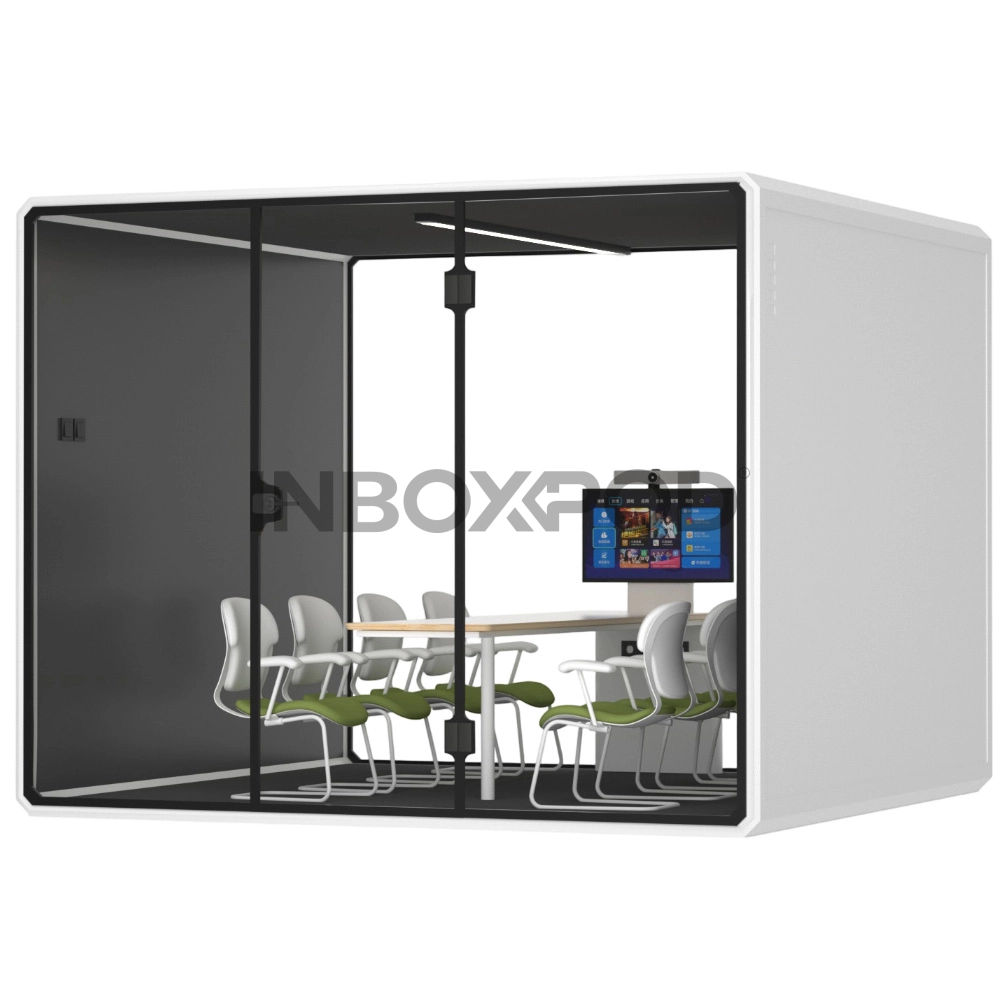
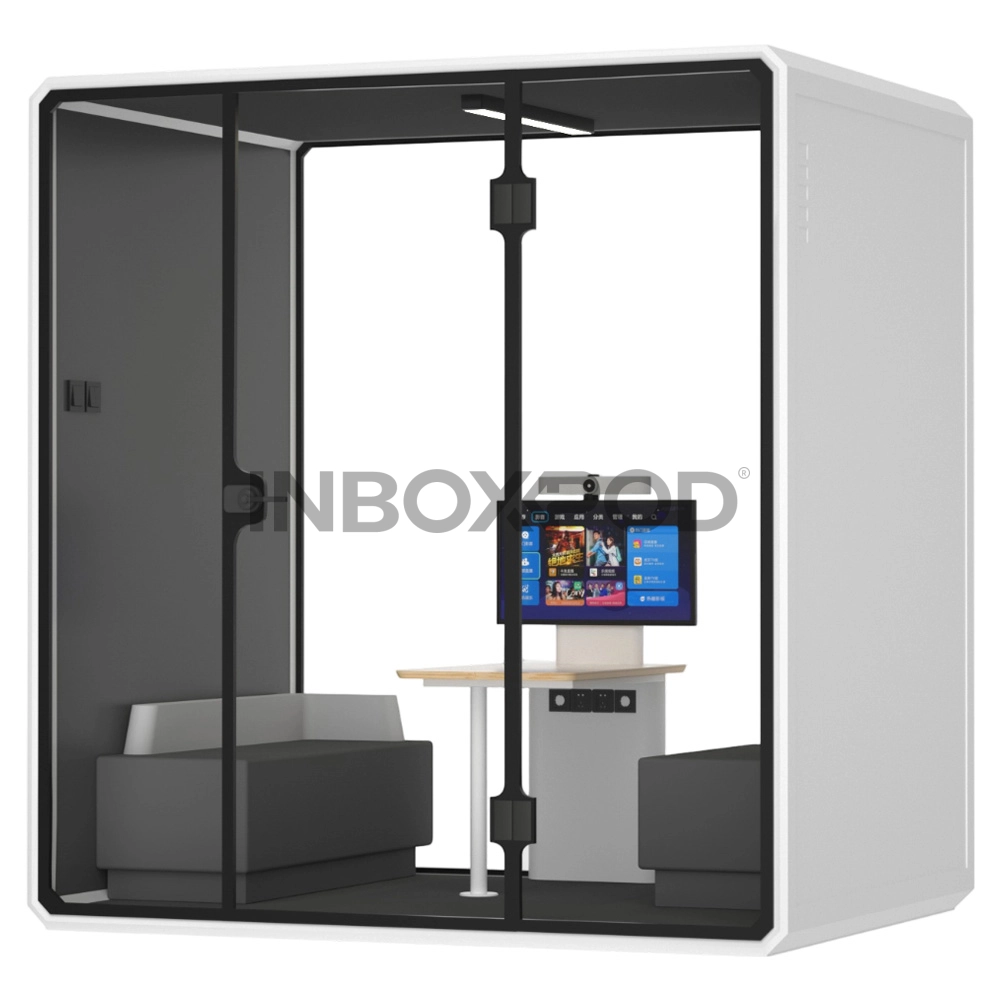
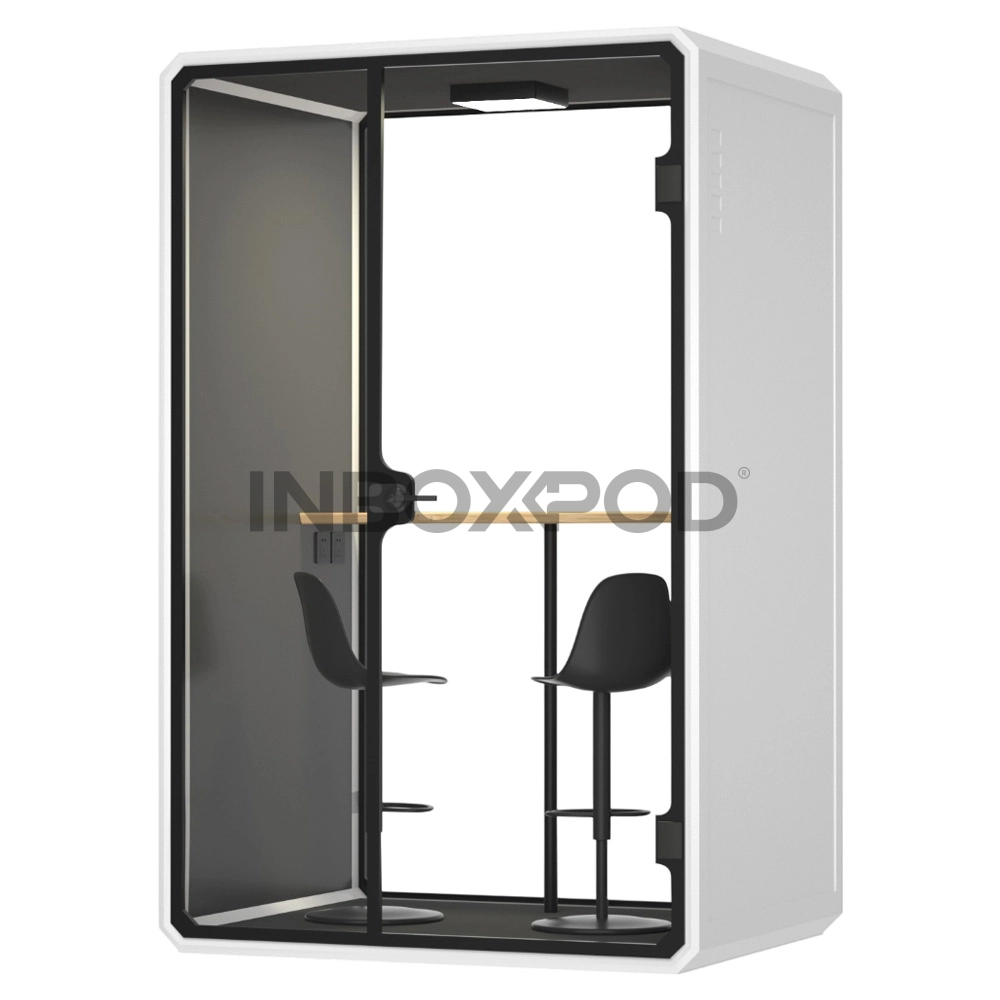
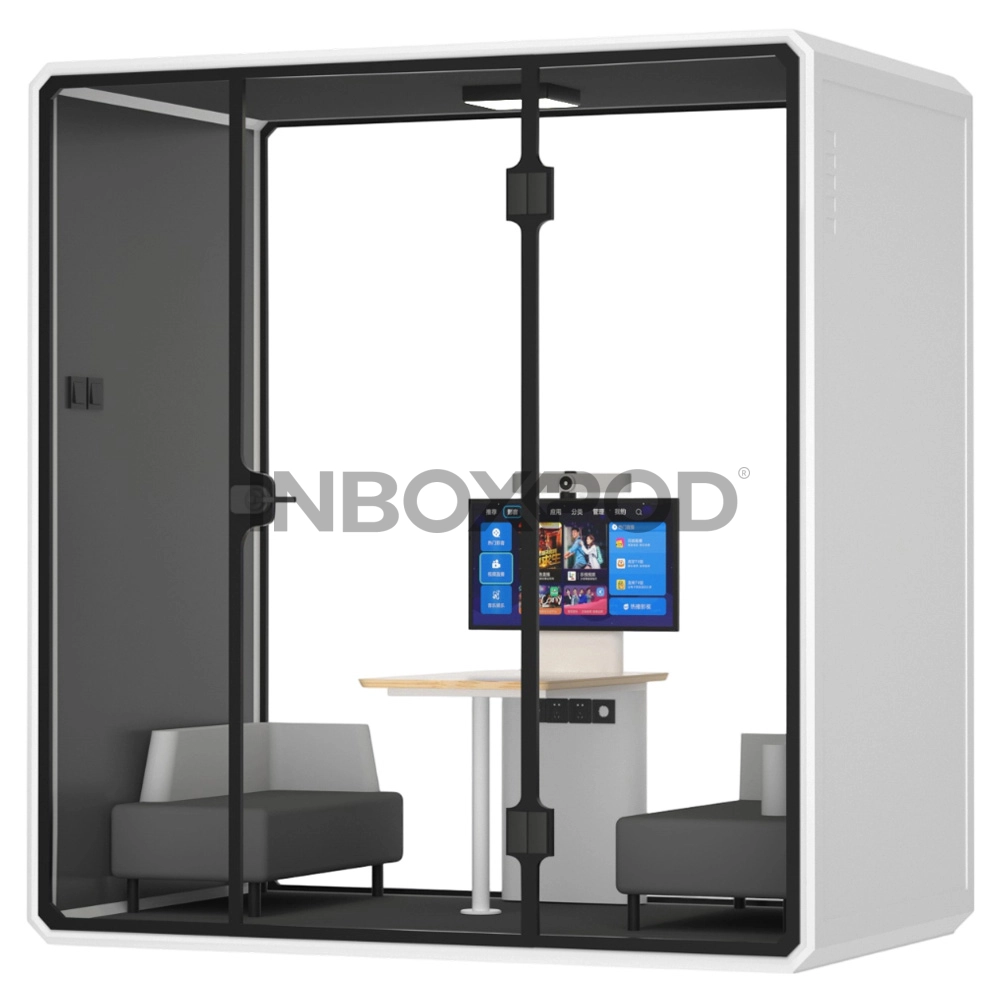
Home-demo
How long does it take to assemble an INBOXpod booth?
Most of our booths can be assembled without tools in about 30 minutes, making installation quick and hassle-free.
What materials are used in the construction of the booths?
Our booths are made from sustainable, high-quality materials including aluminum alloy frames and acoustic panels designed for optimal soundproofing.
What is the typical sound insulation level of your acoustic booths?
Our booths typically achieve up to 27 dB noise reduction, meeting Class B sound insulation standards suitable for offices and study environments.
Do you provide after-sales support and warranty?
Yes, we provide comprehensive after-sales service and warranty to ensure long-term satisfaction with our products.
Can the booths be customized to fit specific space requirements?
Yes, we offer flexible customization options including size, color, and additional features to perfectly suit your needs.
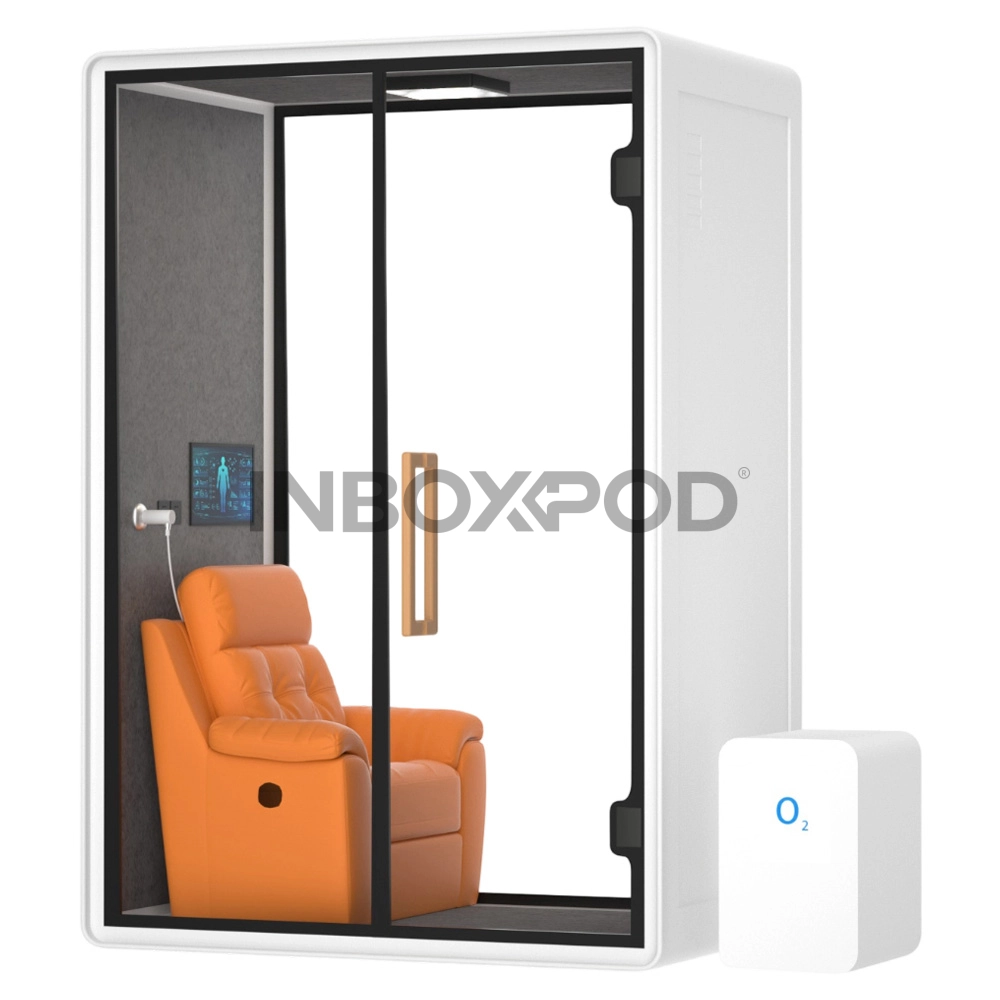
INBOXpod Soundproof Single seat Oxygen Pod
A delicate and compact personal oxygen therapy secret, with a single-seat layout that is flexible and convenient. External size: W1600×D1028×H2300 mm; internal size: W1466×D953×H2166 mm. Create a quiet, private domain for you, where you can inhale high-purity oxygen efficiently during daily relaxation or postoperative recovery, helping to improve cardiopulmonary function and mental state.
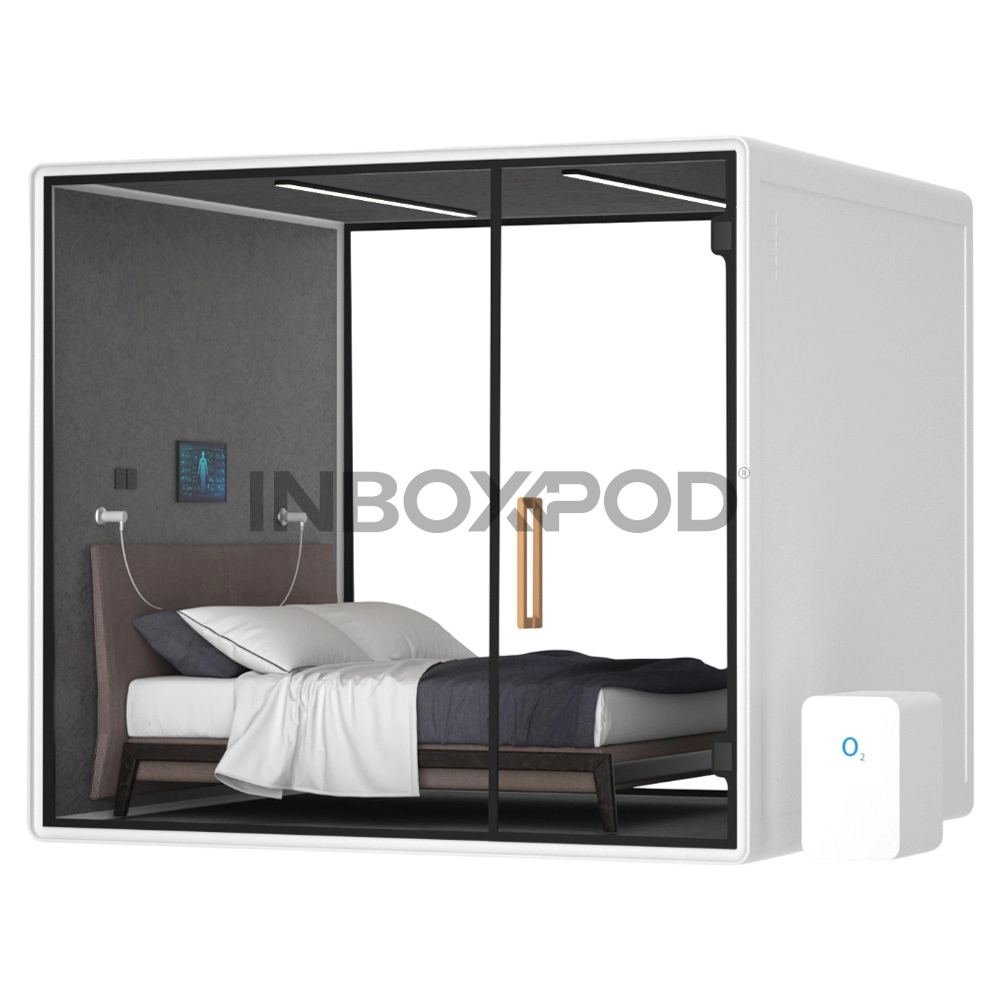
INBOXpod Soundproof Double Bed (small) Oxygen Pod
A double oxygen therapy option that balances space and experience, with a small double-bed layout suitable for various scenarios. External size: W2300×D1854×H2300 mm; internal size: W2300×D1929×H2300 mm. You can share the high-oxygen environment here with relatives and friends, relieve stress, improve physical fitness, and gain health and vitality in company.
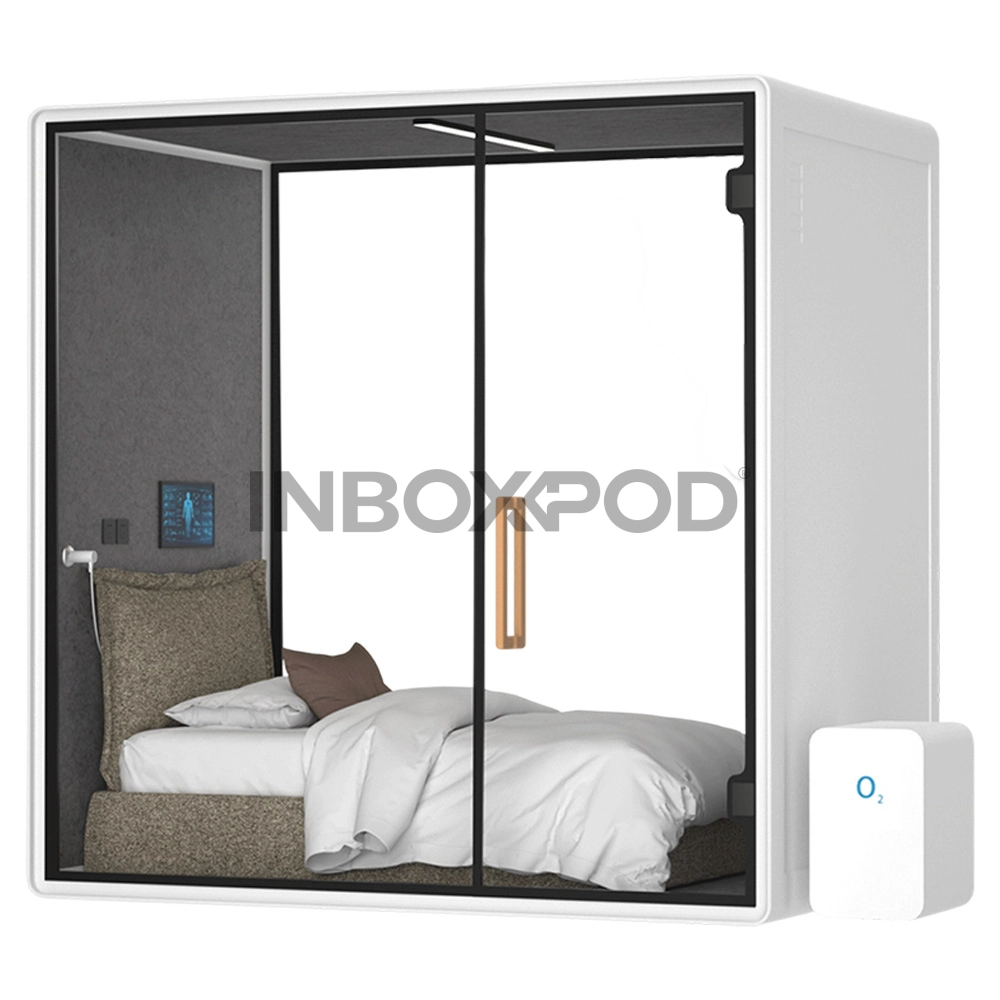
Soundproof Single Bed Oxygen Pod Therapy
Create an immersive deep health oxygen therapy space for you, with a single bed design for ultimate comfort. External size: W2300×D1478×H2300 mm; internal size: W2166×D1403×H2166 mm. Enjoy the nourishment of high-concentration oxygen while lying down, improve sleep, relieve fatigue, enhance immunity, and start a journey of health renewal.
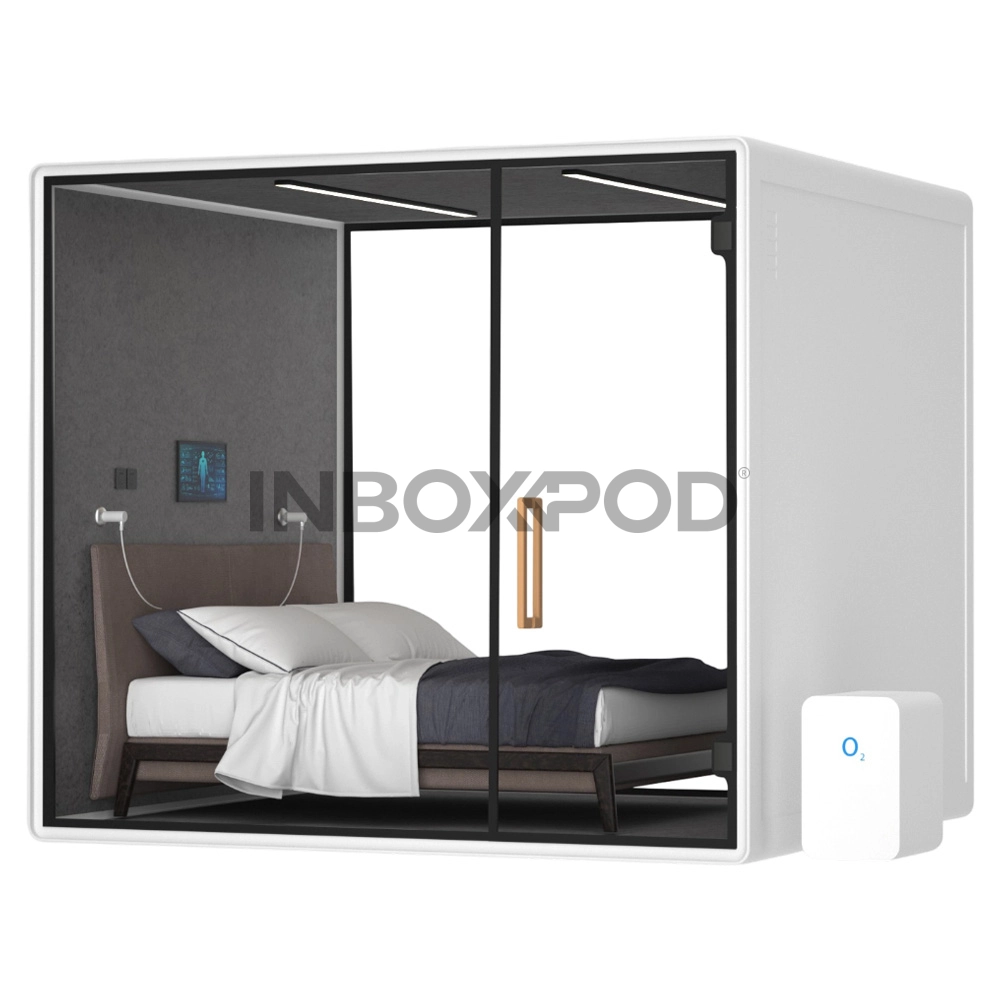
Double bed (large) Soundproof Oxygen Pod
A shared health oxygen therapy world for families, with a large double-bed design to meet the comfort needs of two people. External size: W2300×D2379×H2300 mm; internal size: W2166×D2304×H2166 mm. Let you and your family or partner enjoy high-oxygen nourishment together, improve body functions, delay aging, and embrace a healthy life with intimate company.
Stay Updated with INBOXpod Insights
Subscribe to receive the latest articles, industry news, and updates on our acoustic solutions. Stay informed and discover distribution opportunities with INBOXpod.
Whatsapp: +8613535292957