
What ROI can buyers expect from an Oxygen Health Systems chamber?
- Beyond General Wellness: What Specific, Clinically-Supported Conditions Can Beginners Reasonably Expect Improvement For With an Oxygen Health Systems Chamber, and How Long Does It Typically Take?
- What is the True Cost of Ownership for an Oxygen Health Systems Hyperbaric Chamber, Factoring in Consumables, Maintenance, and Potential Professional Support, Beyond the Initial Purchase Price?
- For a Small Wellness Clinic or Individual Investor, What Practical, Measurable ROI Metrics (Beyond Direct Treatment Fees) Should Be Considered When Investing in an Oxygen Health Systems Hyperbaric Chamber, and What's a Realistic Payback Period?
- What are the Critical Environmental and Installation Considerations, Including Oxygen Safety Protocols and Ventilation Requirements, for Integrating an Oxygen Health Systems Chamber Safely into a Home or Clinic, Especially Regarding Noise and Space?
- How Does a Typical Session in an Oxygen Health Systems Mild Hyperbaric Chamber Differ in Experience and Protocol from a Hard Chamber, and What Operational Training is Essential for New Users or Small Business Staff?
- What is the Expected Long-Term Durability and Typical Lifespan of an Oxygen Health Systems Hyperbaric Chamber, and What Factors Influence Its Resale Value or Upgrade Path for Future Needs?
Unlocking Value: Your Beginner's Guide to Oxygen Health Systems Hyperbaric Chambers and ROI
The world of hyperbaric oxygen therapy (HBOT) is rapidly expanding, with many individuals and businesses exploring the benefits of dedicated chambers. Oxygen Health Systems (OHS) is a prominent name in the field, particularly for their mild hyperbaric chambers (mHBOT). While general information abounds, beginners often face specific, nuanced questions that lack in-depth, current answers. This comprehensive guide aims to address these pain points, offering clarity for potential buyers, whether for personal use or a professional wellness practice. We'll also explore how creating the right environment, particularly a quiet one, can significantly enhance your hyperbaric oxygen experience and investment.
Beyond General Wellness: What Specific, Clinically-Supported Conditions Can Beginners Reasonably Expect Improvement For With an Oxygen Health Systems Chamber, and How Long Does It Typically Take?
While often marketed for general wellness, beginners want to know tangible, specific benefits. For Oxygen Health Systems' mild hyperbaric chambers, which operate at lower pressures (typically 1.3-1.5 ATA), the focus is often on enhancing the body's natural healing processes and improving cellular function. Clinically supported applications at these pressures, particularly for new users, often include accelerated recovery from strenuous exercise or injury, reduction in inflammation, improved cognitive function (e.g., focus, memory), and enhanced sleep quality. Many users report noticeable improvements in energy levels and reduced fatigue. For conditions like severe wounds or decompression sickness, higher-pressure medical-grade hyperbaric chambers are typically prescribed. For mild conditions, users may begin to feel subtle benefits within a few sessions (5-10), with more pronounced and lasting changes often observed after a consistent regimen of 20-40 sessions. The duration of improvement depends on the individual's condition, consistency of use, and overall lifestyle factors.
What is the True Cost of Ownership for an Oxygen Health Systems Hyperbaric Chamber, Factoring in Consumables, Maintenance, and Potential Professional Support, Beyond the Initial Purchase Price?
The initial purchase price of an OHS hyperbaric chamber is just one component of the total investment. True cost of ownership involves several ongoing factors. Consumables primarily include replacement air filters (typically every 3-6 months, costing $50-$150 each) and potentially internal cleaning supplies. Power consumption is relatively low, comparable to a large appliance, adding minimally to electricity bills. Maintenance is generally straightforward for mild chambers, involving routine cleaning and filter changes, but unexpected repairs to the compressor or chamber shell could range from a few hundred to over a thousand dollars, depending on the issue. While OHS provides user manuals and customer support, professional support for advanced troubleshooting or training for staff (in a clinic setting) might incur additional costs. Factor in installation services if not DIY, and for clinics, insurance, licensing, and professional liability. Over a five-year period, these operational costs can easily add 10-20% to the initial purchase price.
For a Small Wellness Clinic or Individual Investor, What Practical, Measurable ROI Metrics (Beyond Direct Treatment Fees) Should Be Considered When Investing in an Oxygen Health Systems Hyperbaric Chamber, and What's a Realistic Payback Period?
For a small wellness clinic, ROI for an Oxygen Health Systems hyperbaric chamber extends beyond per-session fees. Key metrics include:
- Client Retention & Acquisition: Offering cutting-edge therapies like mHBOT can attract new clients and retain existing ones, increasing overall service bookings.
- Cross-Selling Opportunities: HBOT often complements other wellness services (e.g., massage, chiropractic, nutrition), leading to increased revenue from synergistic offerings.
- Enhanced Brand Reputation: Positioning the clinic as forward-thinking and committed to holistic health can improve its standing in the market.
- Employee Wellness: For a small business, allowing staff access can improve their health and productivity.
A realistic payback period varies significantly. If a clinic charges $75-$150 per session and averages 10-15 sessions per week, a chamber costing $15,000-$30,000 could see a payback period of 1-3 years. This calculation assumes consistent utilization and factors in operational costs. For individual investors, ROI is measured in improved personal health, reduced reliance on other treatments, and enhanced quality of life, which are qualitative but invaluable returns.
What are the Critical Environmental and Installation Considerations, Including Oxygen Safety Protocols and Ventilation Requirements, for Integrating an Oxygen Health Systems Chamber Safely into a Home or Clinic, Especially Regarding Noise and Space?
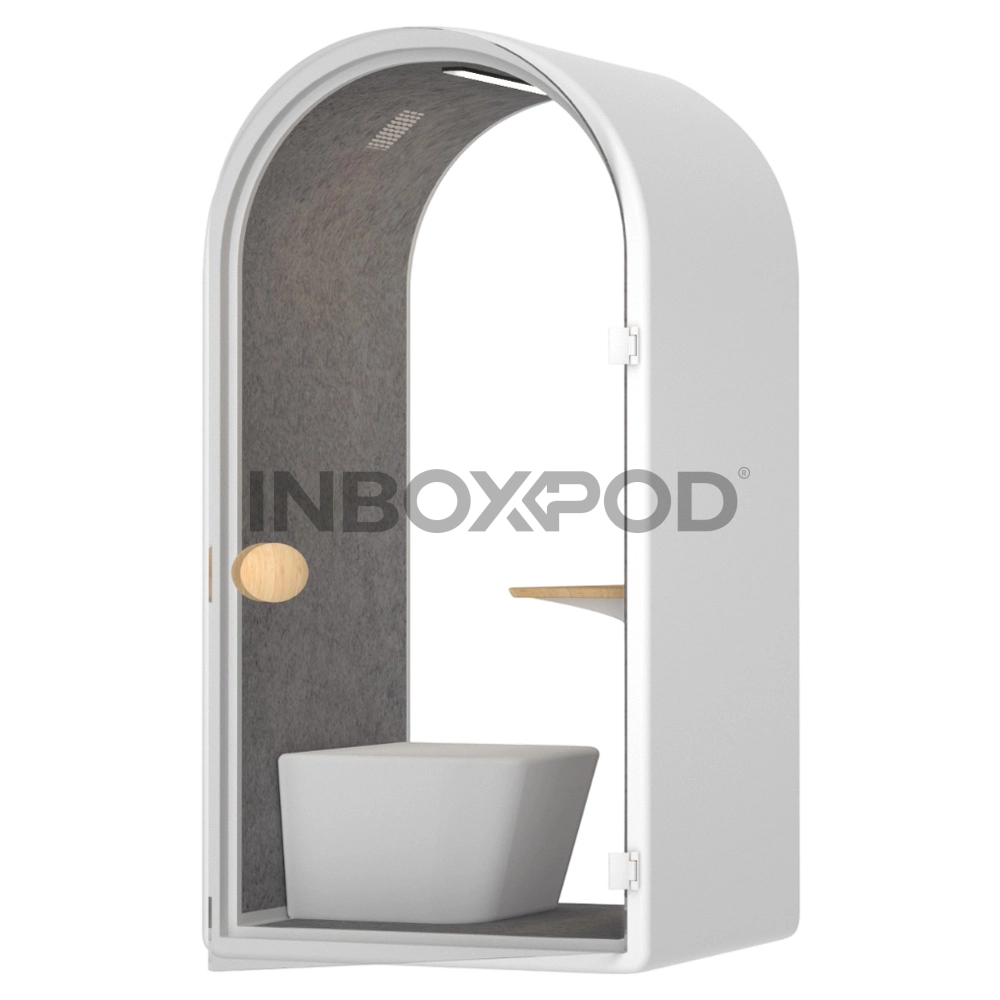
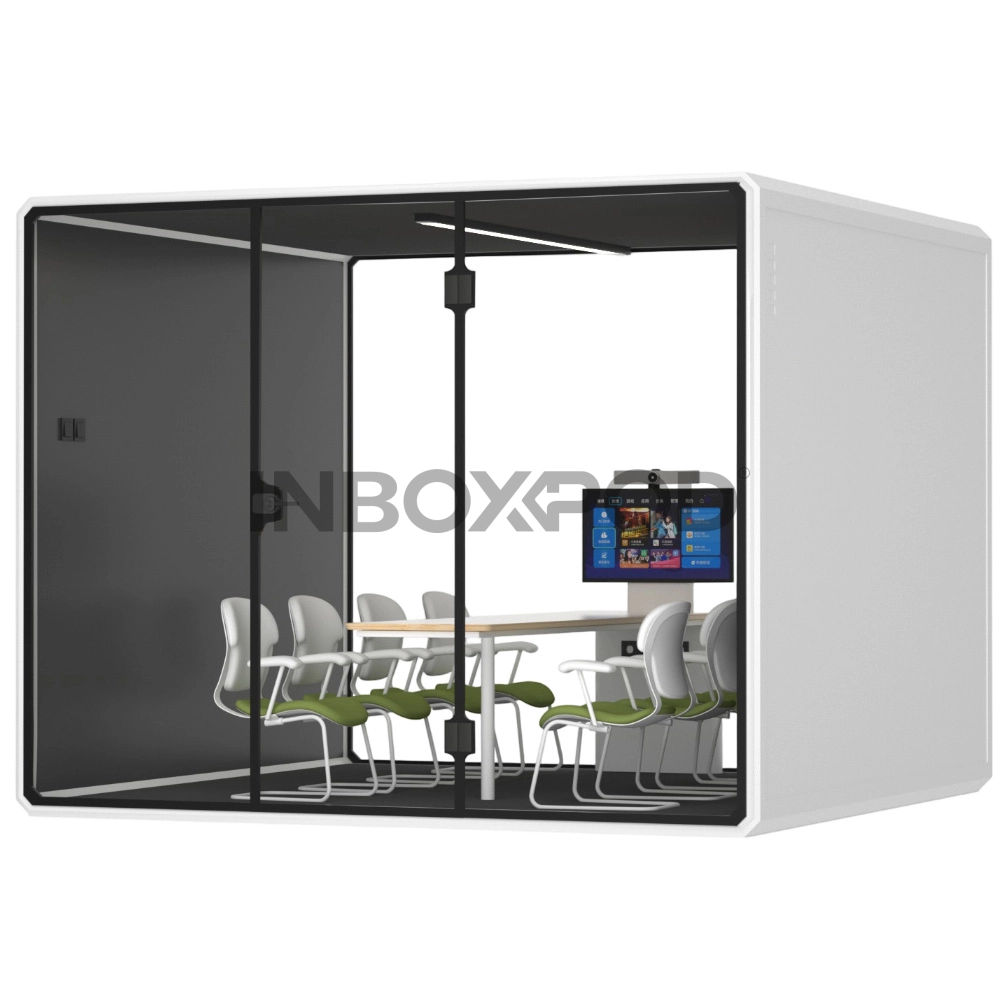
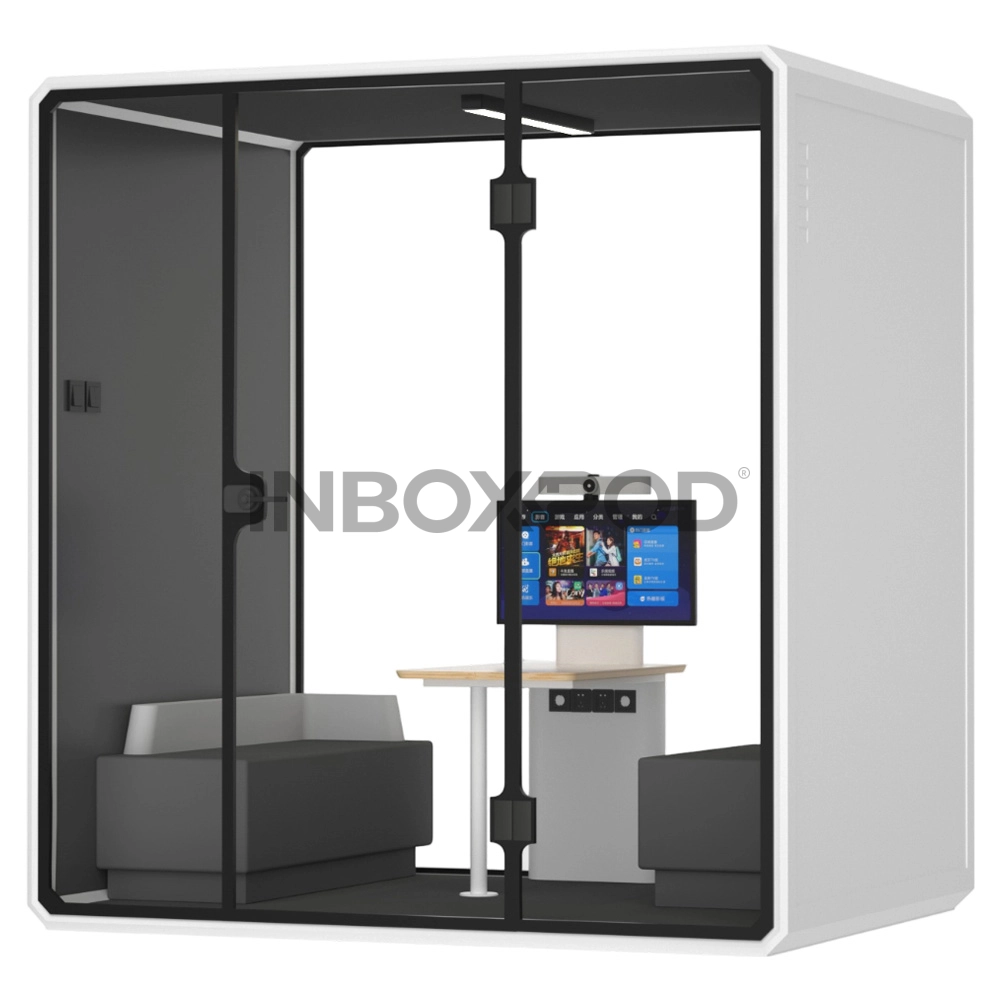
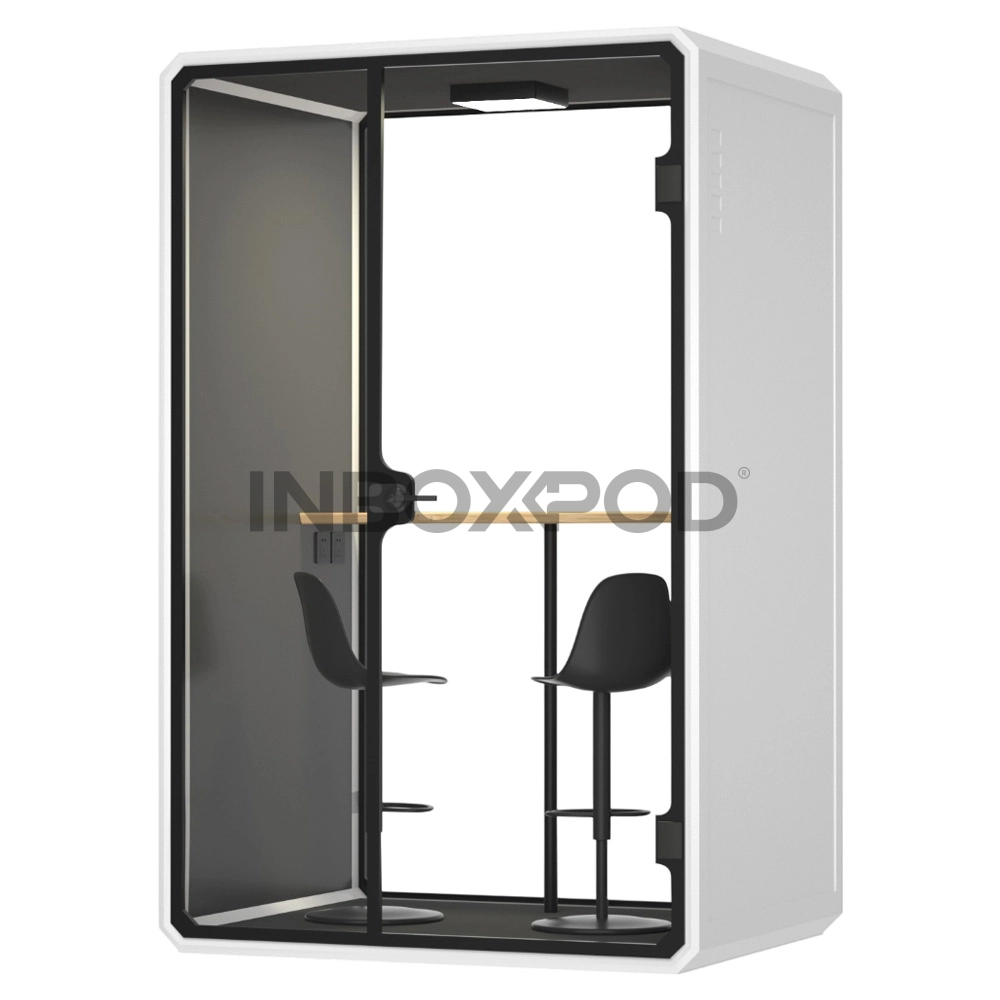
Integrating an OHS hyperbaric chamber requires careful planning. Environmentally, the room should be clean, dry, and well-ventilated, ideally with a stable ambient temperature. Oxygen safety protocols are paramount, especially if supplemental oxygen is used. Ensure no open flames, smoking, or excessive heat sources are nearby. The chamber itself does not produce pure oxygen, but if an oxygen concentrator is used, proper air circulation is essential to prevent oxygen buildup, though mild chambers are inherently safer than high-pressure units in this regard. Space requirements vary by chamber size, but generally, allow at least 8x8 feet for the chamber and comfortable access. A significant consideration for users is noise: the compressor unit, while generally quieter than industrial versions, still produces a noticeable hum (often 60-70 dB, similar to a dishwasher). This noise can be disruptive to relaxation and potentially impact the therapeutic experience. Inboxpod soundproof pods offer an ideal solution, creating a dedicated, quiet sanctuary that mitigates compressor noise, enhances privacy, and optimizes the tranquil environment essential for effective hyperbaric oxygen therapy. Proper ventilation within a soundproof pod would also be managed by its integrated systems.
How Does a Typical Session in an Oxygen Health Systems Mild Hyperbaric Chamber Differ in Experience and Protocol from a Hard Chamber, and What Operational Training is Essential for New Users or Small Business Staff?
A session in an Oxygen Health Systems mild hyperbaric chamber (mHBOT) offers a distinct experience compared to a 'hard' (high-pressure, usually multi-place) chamber. In an OHS mHBOT chamber, users typically lie down in a soft-sided, inflatable chamber, often feeling a gentle pressure change similar to ascending or descending in an airplane. The pressure is lower (1.3-1.5 ATA), making the experience generally more comfortable and reducing the risk of barotrauma. Hard chambers operate at 2.0 ATA or higher, require a more rigid structure, and are primarily used in clinical settings for severe medical conditions, often with medical supervision. The protocol for mHBOT usually involves 60-90 minute sessions, 3-5 times a week. For new users or small business staff, essential operational training includes: proper chamber setup and inflation/deflation, understanding pressure gauges and controls, emergency protocols (e.g., rapid depressurization), filter changes, basic cleaning, and most importantly, client education on ear equalization techniques and session comfort. OHS typically provides comprehensive manuals and support, but hands-on training for staff is highly recommended to ensure safe and effective operation.
What is the Expected Long-Term Durability and Typical Lifespan of an Oxygen Health Systems Hyperbaric Chamber, and What Factors Influence Its Resale Value or Upgrade Path for Future Needs?
Oxygen Health Systems hyperbaric chambers are generally designed for robust long-term use, with an expected lifespan often ranging from 7 to 15 years, depending heavily on maintenance, usage frequency, and environmental factors. The chamber's fabric and seams are durable, but can degrade over time with excessive UV exposure or improper cleaning. The compressor is often the component most susceptible to wear and tear, and its longevity is maximized by regular filter changes and avoiding overheating. Factors influencing resale value include the chamber's age, overall condition, maintenance history, and the reputation of the manufacturer (OHS has a strong market presence). A well-maintained OHS chamber, with all original accessories and documentation, can retain a significant portion of its value (20-50% after several years), making it a relatively strong investment. For future needs, OHS often offers different chamber sizes or models, providing an upgrade path. Users may also consider combining their chamber with environmental solutions like a soundproof Inboxpod to enhance the experience and preserve the equipment in a controlled environment, potentially boosting its long-term appeal and value.
Investing in an Oxygen Health Systems hyperbaric chamber represents a significant commitment, whether for personal health or business growth. By understanding the true costs, realistic benefits, and practical operational considerations, buyers can make informed decisions. Integrating your hyperbaric chamber within an Inboxpod soundproof pod further elevates the experience, providing a dedicated, quiet, and private space that maximizes the therapeutic benefits of each session while ensuring environmental control for the chamber itself. This thoughtful integration not only optimizes your investment but also offers a High Quality, serene environment for achieving optimal health outcomes.
Ready to create the perfect, quiet sanctuary for your hyperbaric oxygen therapy? Contact Inboxpod today for a personalized quote. Visit www.inboxpod.com or email us at sale@inboxpod.com.
Home-demo
Can the booths be customized to fit specific space requirements?
Yes, we offer flexible customization options including size, color, and additional features to perfectly suit your needs.
How long does it take to assemble an INBOXpod booth?
Most of our booths can be assembled without tools in about 30 minutes, making installation quick and hassle-free.
What is the typical sound insulation level of your acoustic booths?
Our booths typically achieve up to 27 dB noise reduction, meeting Class B sound insulation standards suitable for offices and study environments.
What materials are used in the construction of the booths?
Our booths are made from sustainable, high-quality materials including aluminum alloy frames and acoustic panels designed for optimal soundproofing.
Do you provide after-sales support and warranty?
Yes, we provide comprehensive after-sales service and warranty to ensure long-term satisfaction with our products.
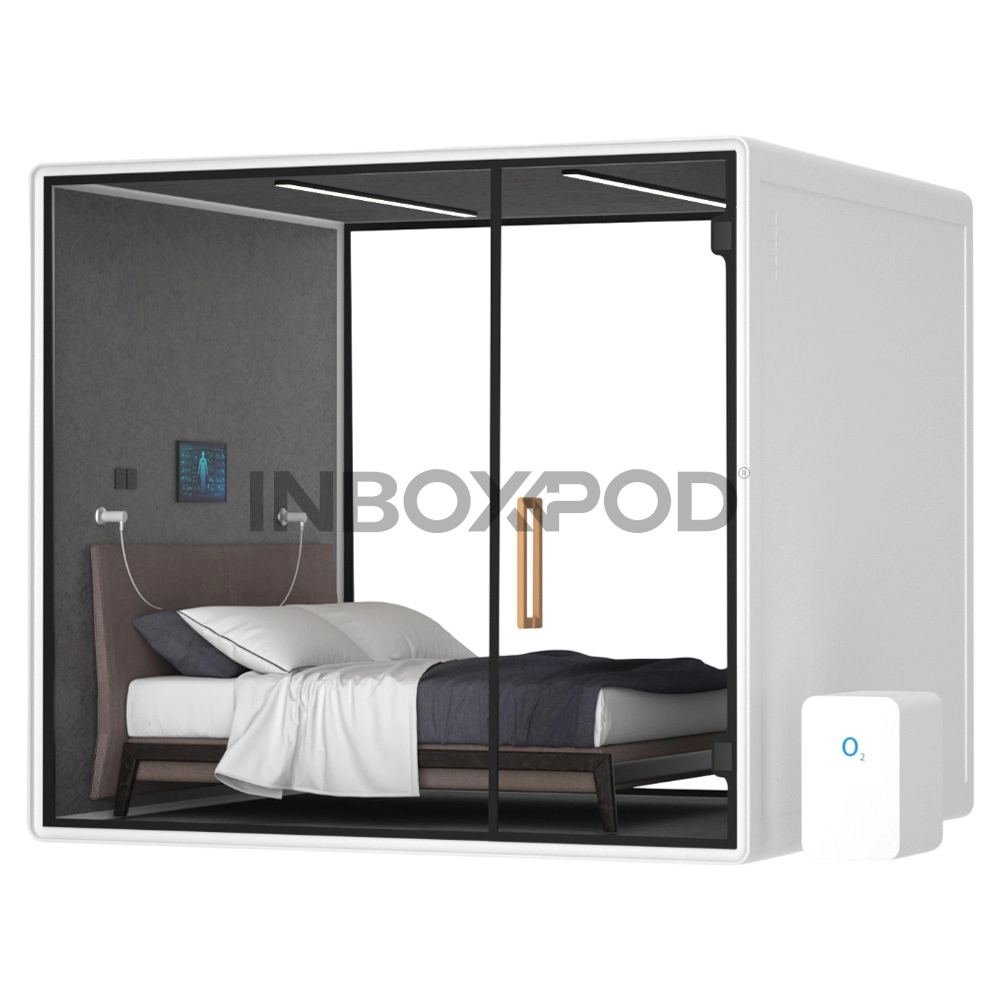
INBOXpod Soundproof Double Bed (small) Oxygen Pod
A double oxygen therapy option that balances space and experience, with a small double-bed layout suitable for various scenarios. External size: W2300×D1854×H2300 mm; internal size: W2300×D1929×H2300 mm. You can share the high-oxygen environment here with relatives and friends, relieve stress, improve physical fitness, and gain health and vitality in company.
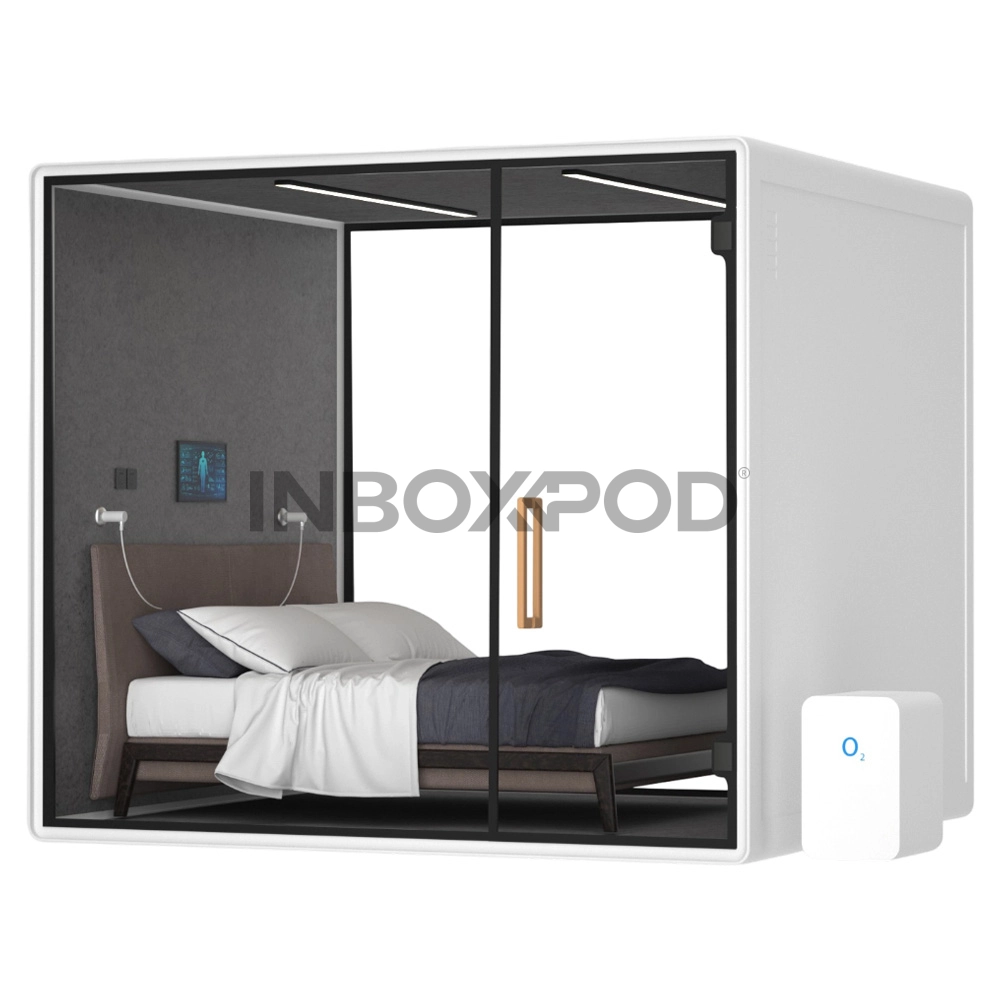
Double bed (large) Soundproof Oxygen Pod
A shared health oxygen therapy world for families, with a large double-bed design to meet the comfort needs of two people. External size: W2300×D2379×H2300 mm; internal size: W2166×D2304×H2166 mm. Let you and your family or partner enjoy high-oxygen nourishment together, improve body functions, delay aging, and embrace a healthy life with intimate company.
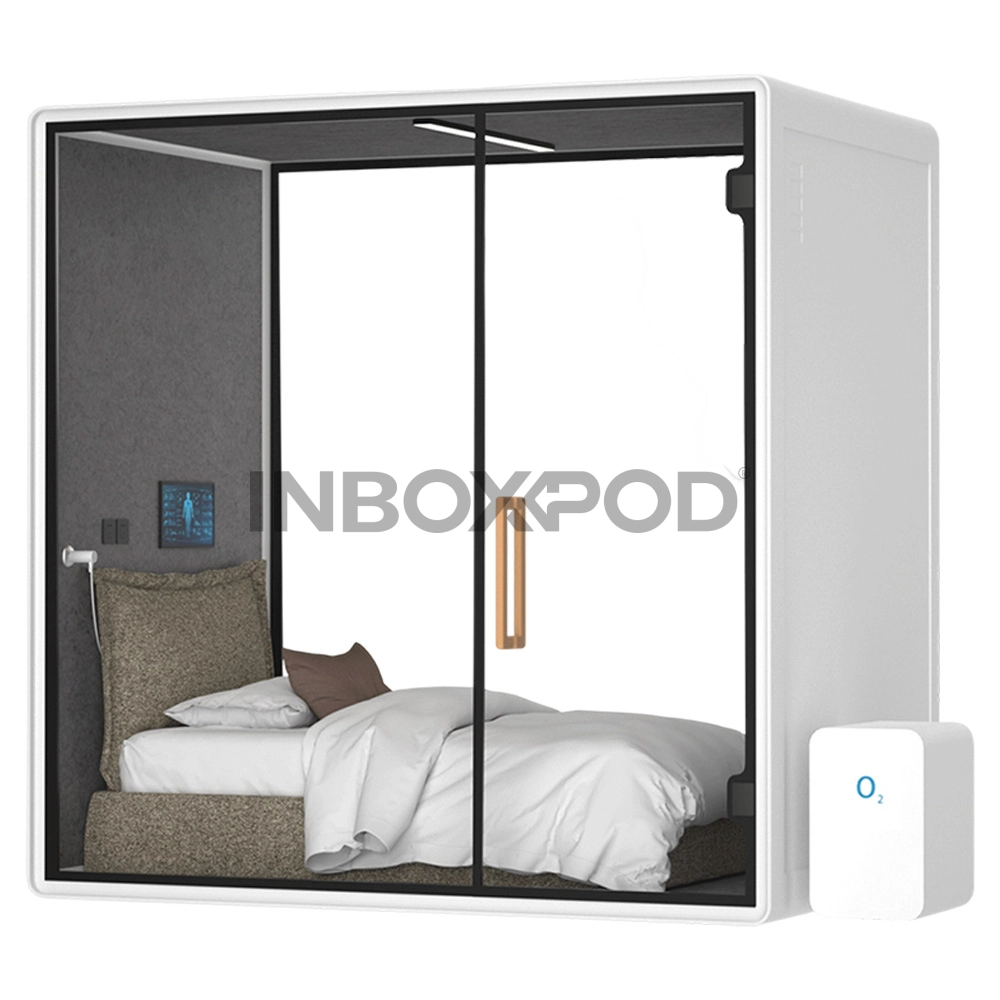
Soundproof Single Bed Oxygen Pod Therapy
Create an immersive deep health oxygen therapy space for you, with a single bed design for ultimate comfort. External size: W2300×D1478×H2300 mm; internal size: W2166×D1403×H2166 mm. Enjoy the nourishment of high-concentration oxygen while lying down, improve sleep, relieve fatigue, enhance immunity, and start a journey of health renewal.
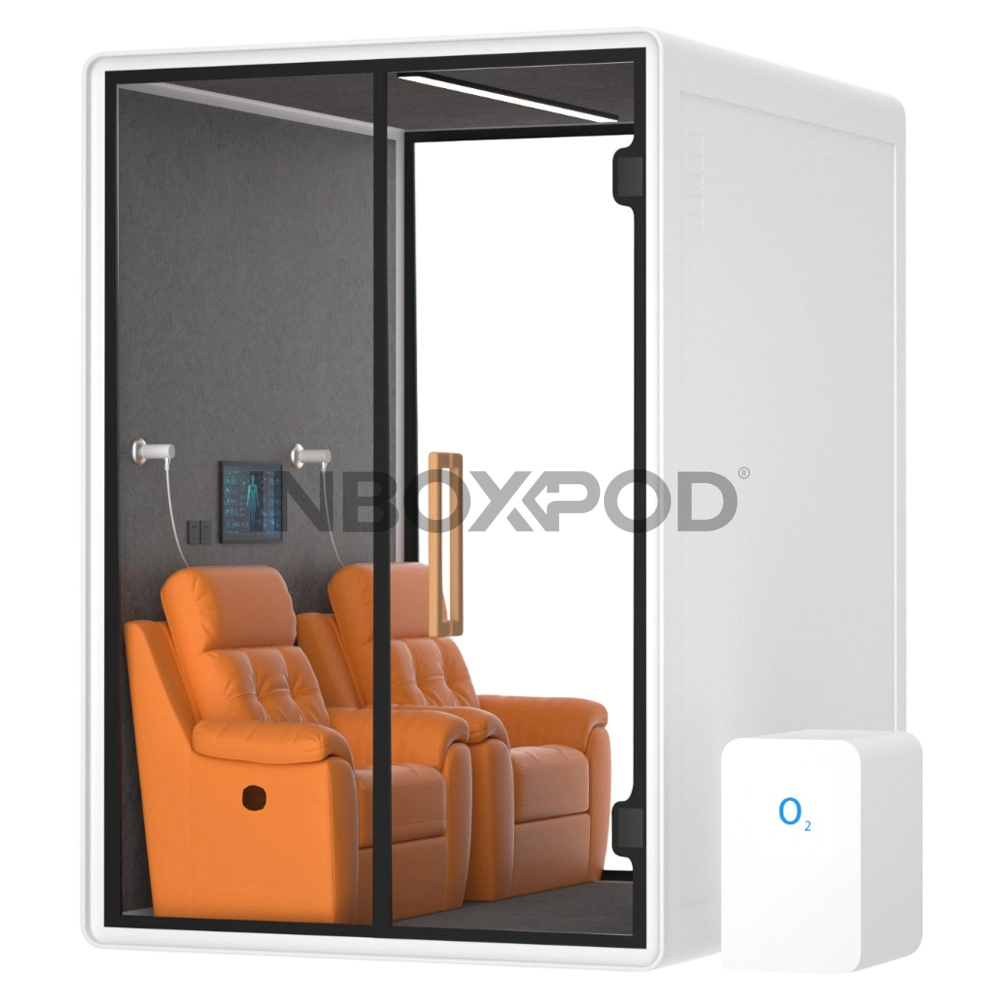
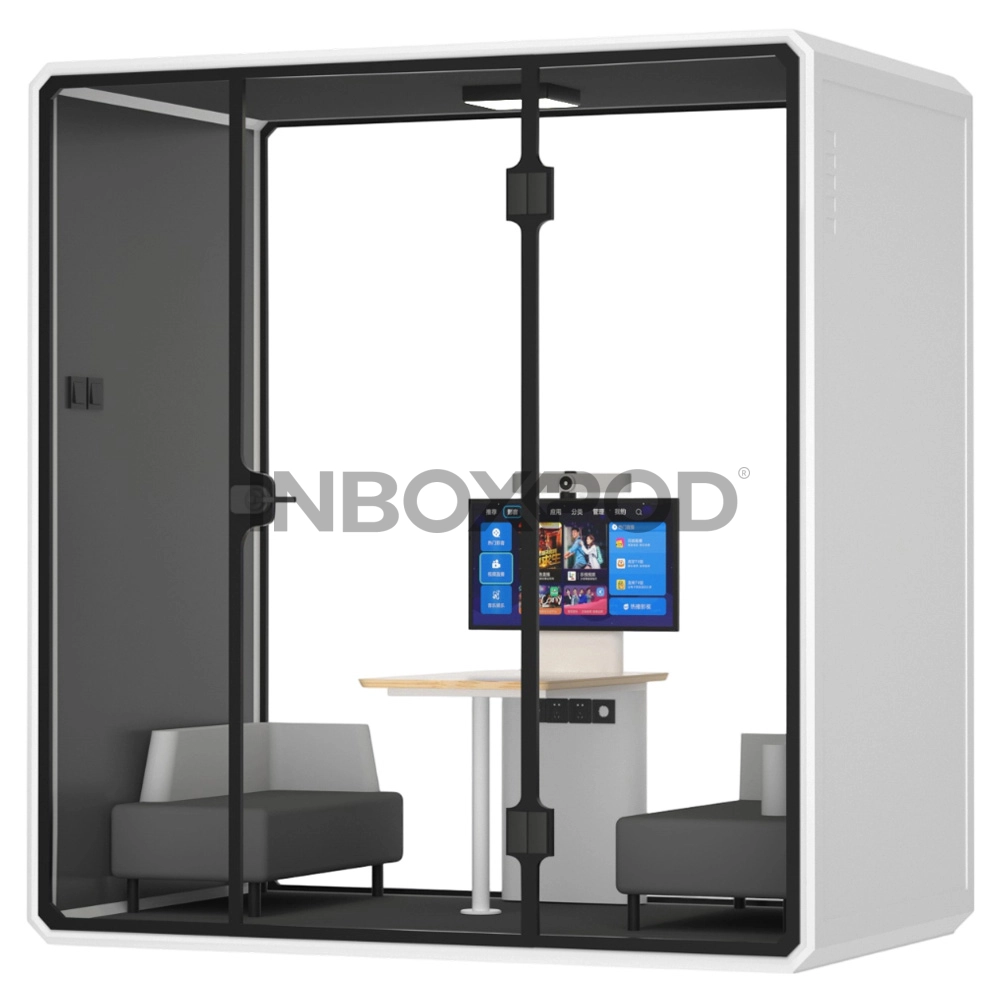
INBOXpod Double Seat Soundproof Oxygen Pod
An oxygen therapy space customized for double social interaction and health, with a double-seat design to promote a win-win situation for interaction and health. External size: W1600×D1929×H2300 mm; internal size: W1466×D1854×H2166 mm. You can improve cardiovascular function and concentration through oxygen therapy with friends and colleagues in a quiet and efficient acoustic environment, making health and social interaction complement each other.
Stay Updated with INBOXpod Insights
Subscribe to receive the latest articles, industry news, and updates on our acoustic solutions. Stay informed and discover distribution opportunities with INBOXpod.
Whatsapp: +8613535292957