
What training is required to operate an Oxygen Health Systems chamber?
- Beyond Basic Certification: What Specific Training is Required to Safely Operate a Mild Hyperbaric Chamber for Client Use?
- What are the Advanced Air Quality and Oxygen Supply Management Protocols for an Oxygen Health Systems Hyperbaric Chamber to Ensure Client Safety Beyond Standard Operation?
- Considering Regulatory Landscape: What are the Specific Insurance and Liability Considerations for Operating an Oxygen Health Systems Chamber in a Non-Medical Wellness Setting?
- What are the Long-Term Maintenance Schedules and Critical Component Lifespans for Oxygen Health Systems Hyperbaric Chambers, and How Does This Impact Operational Budgeting?
- Given the Noise Generated by Hyperbaric Compressors and Oxygen Concentrators, How Can a Soundproof Pod Effectively Mitigate This to Enhance Client Experience and Meet Facility Standards?
- What are the Specific Considerations for Integrating an Oxygen Health Systems Chamber into a Multi-Service Wellness Center Layout, Maximizing Flow and Minimizing Operational Interference?
Unlocking the Hyperbaric Experience: Your Guide to Oxygen Health Systems Chambers and Optimal Operation
Investing in a hyperbaric oxygen therapy (HBOT) system, particularly an Oxygen Health Systems hyperbaric chamber, marks a significant step towards enhancing wellness or clinical services. However, beginners often face a maze of questions that general online information fails to address in depth. This article, crafted by experts in both hyperbaric technology and advanced soundproof solutions, aims to bridge that knowledge gap, offering specific, actionable insights. We’ll cover critical operational, safety, and environmental considerations, including how a High Quality soundproof pod can elevate your hyperbaric setup.
Beyond Basic Certification: What Specific Training is Required to Safely Operate a Mild Hyperbaric Chamber for Client Use?
While Oxygen Health Systems provides manufacturer-specific training for their hyperbaric chambers, the scope of “required” training extends beyond basic certification, especially for client-facing operations. For mild hyperbaric oxygen therapy (mHBOT) chambers (typically operating at 1.3 to 1.5 ATA), the primary focus of training for operators, often non-medical personnel in wellness settings, is comprehensive user safety, chamber operation protocols, and emergency procedures. This includes understanding the chamber's interface, oxygen concentrator function, pressure controls, and client monitoring. Crucially, operators need to be trained in recognizing and responding to potential adverse reactions (e.g., ear discomfort, anxiety), and basic first aid. While a Certified Hyperbaric Technologist (CHT) or Registered Nurse (CHRN) certification is paramount for clinical HBOT facilities (operating at higher pressures for medical conditions), it's not universally mandated for mHBOT wellness centers. However, we strongly recommend operators pursue advanced hyperbaric safety courses (e.g., from organizations like the International Hyperbarics Association or those aligned with UHMS guidelines for safety best practices) to enhance their expertise and ensure the highest standards of client care and safety. Always verify local and state regulations, as requirements can vary significantly.
What are the Advanced Air Quality and Oxygen Supply Management Protocols for an Oxygen Health Systems Hyperbaric Chamber to Ensure Client Safety Beyond Standard Operation?
Ensuring optimal air quality and a consistent, pure oxygen supply within your Oxygen Health Systems hyperbaric chamber is paramount for client safety and therapeutic efficacy, extending beyond simply turning on the oxygen concentrator. Advanced protocols include regular calibration and maintenance of oxygen concentrators to verify output purity (typically 90-95% oxygen for mHBOT). It's also vital to monitor the ambient air quality around the chamber's intake, ensuring it's free from fumes, volatile organic compounds (VOCs), or excessive humidity, which can be drawn into the system. Beyond the oxygen, the air inside the chamber should be regularly vented and refreshed during longer sessions to prevent CO2 buildup. Many modern chambers incorporate CO2 scrubbers or enhanced ventilation systems. Operators should be trained to regularly check filters, inspect hoses for integrity, and verify proper functioning of safety relief valves. Furthermore, having a backup oxygen supply system or an emergency air intake protocol is a critical, though often overlooked, safety measure. Regular environmental monitoring within the facility can identify potential contaminants before they impact chamber air quality, demonstrating a proactive approach to client health and safety.
Considering Regulatory Landscape: What are the Specific Insurance and Liability Considerations for Operating an Oxygen Health Systems Chamber in a Non-Medical Wellness Setting?
Operating an Oxygen Health Systems hyperbaric chamber in a non-medical wellness setting introduces unique insurance and liability considerations that differ significantly from a licensed medical facility. Many standard business liability policies may not adequately cover hyperbaric oxygen therapy, especially if it's considered an “alternative” or “high-risk” service. Key pain points include finding specialized insurance providers who understand mHBOT, ensuring proper waivers and informed consent forms are in place, and confirming that staff training meets industry best practices, even if not strictly “medical.” It's crucial to consult with an insurance broker specializing in wellness, spa, or alternative health industries to secure comprehensive coverage that addresses potential client injuries, equipment malfunction, and professional liability. Operators must also understand the “scope of practice” in their region – some areas may restrict health claims or require physician oversight even for mild chambers, impacting how the service can be marketed and delivered. Diligent record-keeping, adherence to manufacturer guidelines, and demonstrable commitment to safety protocols are vital for mitigating liability risks.
What are the Long-Term Maintenance Schedules and Critical Component Lifespans for Oxygen Health Systems Hyperbaric Chambers, and How Does This Impact Operational Budgeting?
Understanding the long-term maintenance schedule and critical component lifespans for an Oxygen Health Systems hyperbaric chamber is essential for accurate operational budgeting and ensuring continuous, safe service. Beyond daily cleaning and pre-session checks, chambers typically require periodic professional servicing, often annually or biannually, which involves inspecting seals, valves, pressure gauges, and the integrity of the chamber vessel itself. The oxygen concentrator, a key component, has filters that need regular replacement (e.g., every 500-2000 hours of operation, depending on model and usage) and may require full servicing or replacement of critical internal parts (e.g., compressor, sieve beds) after several thousand hours. Hoses, connectors, and emergency stop buttons should be inspected frequently for wear. Each of these components has an expected lifespan, and proactive replacement or servicing is crucial to prevent breakdowns, ensure safety, and maintain therapeutic efficacy. Budgeting should account for these scheduled maintenance costs, spare parts inventory, and potential unexpected repairs. Neglecting this can lead to costly downtime, safety hazards, and reduced lifespan of your valuable hyperbaric equipment.
Given the Noise Generated by Hyperbaric Compressors and Oxygen Concentrators, How Can a Soundproof Pod Effectively Mitigate This to Enhance Client Experience and Meet Facility Standards?
The operational noise from hyperbaric compressors and oxygen concentrators, integral to any hyperbaric oxygen therapy system, can significantly detract from the client experience, especially in a wellness environment designed for relaxation and healing. This is where a high-quality soundproof pod becomes an invaluable asset. A well-designed soundproof pod, such as those from InboxPod, can offer substantial noise reduction, often achieving Sound Transmission Class (STC) ratings upwards of 30-40 dB. By housing the noisier components (like the compressor or even the entire chamber depending on its size) within the pod, the ambient noise level in the treatment room or adjacent areas is drastically reduced. This creates a serene, private, and professional atmosphere for clients undergoing hyperbaric oxygen therapy, enhancing their comfort and ability to relax during sessions. Furthermore, integrating a soundproof solution can help facilities comply with local noise ordinances, particularly in mixed-use buildings or quiet zones. When selecting a soundproof pod, consider not only its STC rating but also proper ventilation for heat dissipation from equipment, easy access for maintenance, and fire safety features, ensuring a safe and optimal operating environment for your hyperbaric technology.
What are the Specific Considerations for Integrating an Oxygen Health Systems Chamber into a Multi-Service Wellness Center Layout, Maximizing Flow and Minimizing Operational Interference?
Integrating an Oxygen Health Systems hyperbaric chamber into a multi-service wellness center requires thoughtful planning beyond simply finding an empty room. Specific considerations for layout and operational flow are paramount to maximize efficiency and minimize interference with other services. Firstly, consider the noise footprint: placing the chamber (or its compressor/concentrator) in an area that won't disrupt massage therapy rooms, meditation spaces, or consultation areas is crucial. This is where a soundproof pod becomes a strategic design element. Secondly, ensure adequate space for client entry/exit, emergency access, and staff movement around the chamber for monitoring and assistance. Thirdly, consider infrastructure: proximity to appropriate electrical outlets (dedicated circuits may be needed), ventilation, and potential oxygen storage if applicable. Client privacy is another key factor; the chamber area should feel secluded and secure. Finally, plan for client flow: how will clients transition from check-in to pre-session briefing, to the chamber, and then to post-session relaxation? A seamless flow enhances the overall client journey and avoids bottlenecks, optimizing the investment in your hyperbaric oxygen therapy service.
The journey to acquiring and operating an Oxygen Health Systems hyperbaric chamber is rich with decisions. From understanding intricate training requirements and advanced air quality protocols to navigating insurance landscapes, planning for long-term maintenance, and crucially, mitigating operational noise with a high-performance soundproof pod, each step contributes to a successful and safe venture. These considerations not only protect your investment but also significantly enhance the client experience, ensuring your hyperbaric oxygen therapy services are delivered in an optimal, professional environment. By addressing these pain points proactively, you lay a robust foundation for excellence in wellness and recovery.
Ready to optimize your facility with cutting-edge soundproof solutions for your hyperbaric chamber or other wellness equipment? Contact us today for a personalized quote. Visit www.inboxpod.com or email us at sale@inboxpod.com.
Home-demo
What is the typical sound insulation level of your acoustic booths?
Our booths typically achieve up to 27 dB noise reduction, meeting Class B sound insulation standards suitable for offices and study environments.
What materials are used in the construction of the booths?
Our booths are made from sustainable, high-quality materials including aluminum alloy frames and acoustic panels designed for optimal soundproofing.
Can the booths be customized to fit specific space requirements?
Yes, we offer flexible customization options including size, color, and additional features to perfectly suit your needs.
How long does it take to assemble an INBOXpod booth?
Most of our booths can be assembled without tools in about 30 minutes, making installation quick and hassle-free.
Do you provide after-sales support and warranty?
Yes, we provide comprehensive after-sales service and warranty to ensure long-term satisfaction with our products.
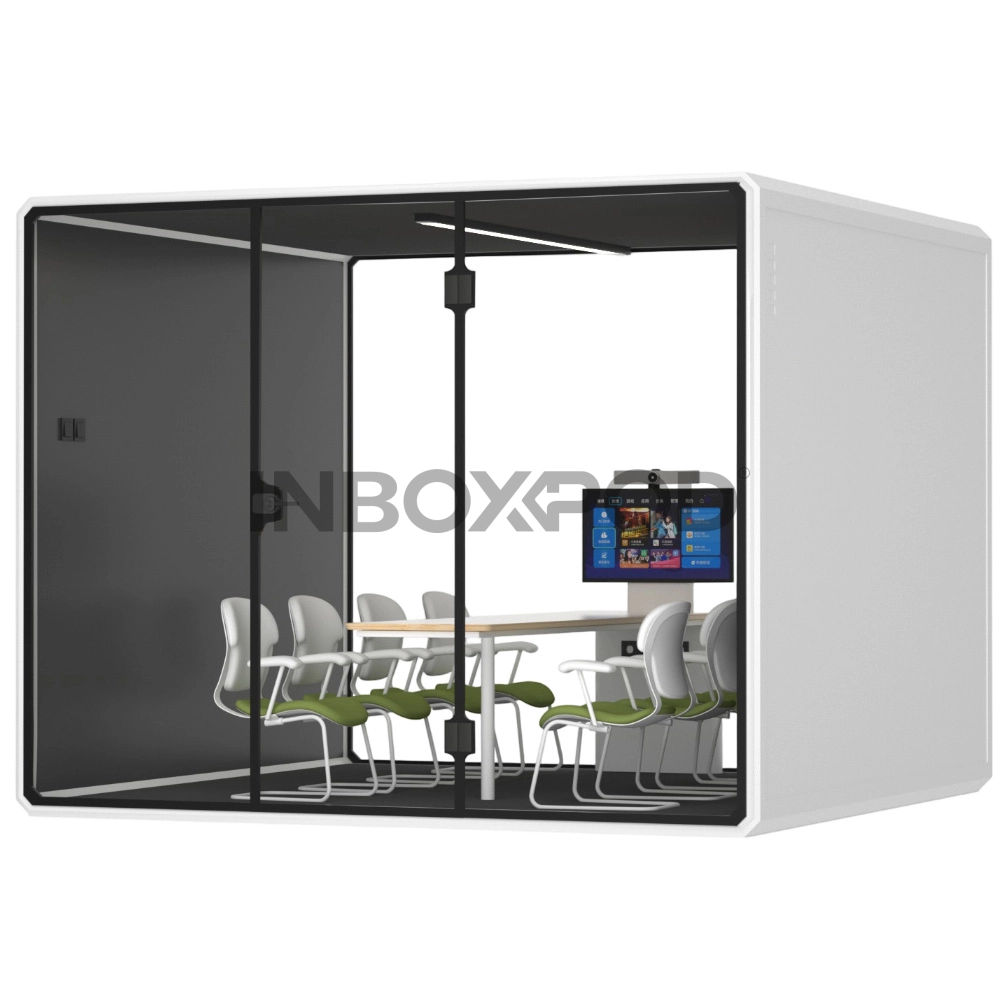
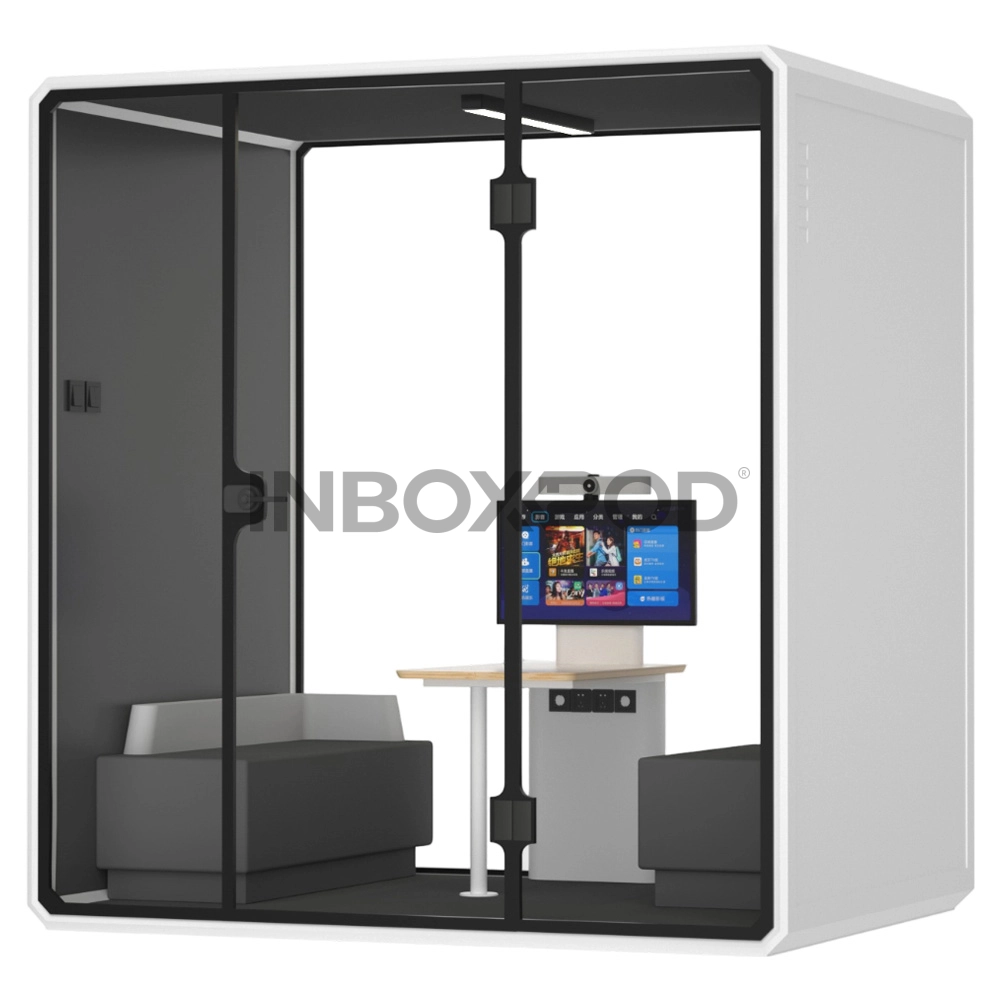
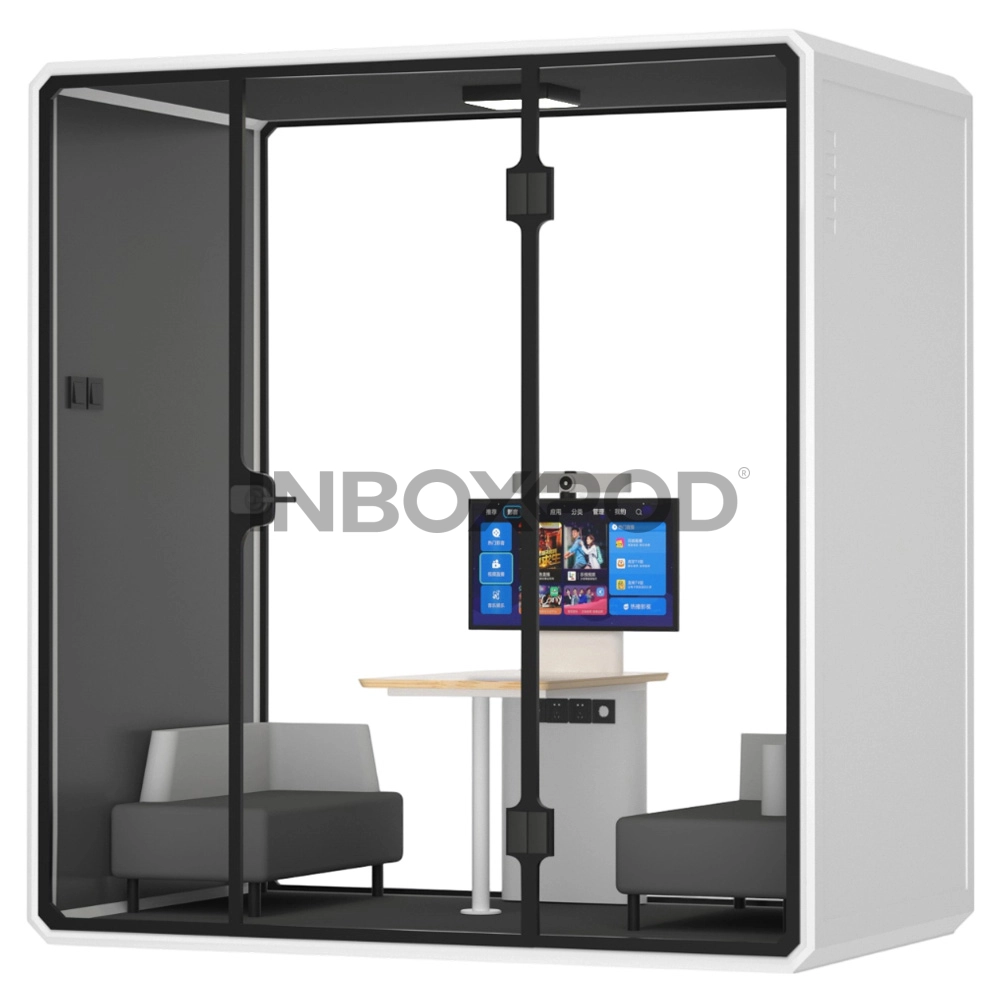
Silence Booth/Office pod Prefabricated V series-XL size
Designed for team collaboration and creative meetings, the XL-size booth provides a spacious and quiet environment that accommodates 4–6 people comfortably. Featuring premium sound insulation, integrated ventilation, and customizable lighting, it transforms any open space into a private meeting room—ideal for brainstorming, interviews, or hybrid meetings.
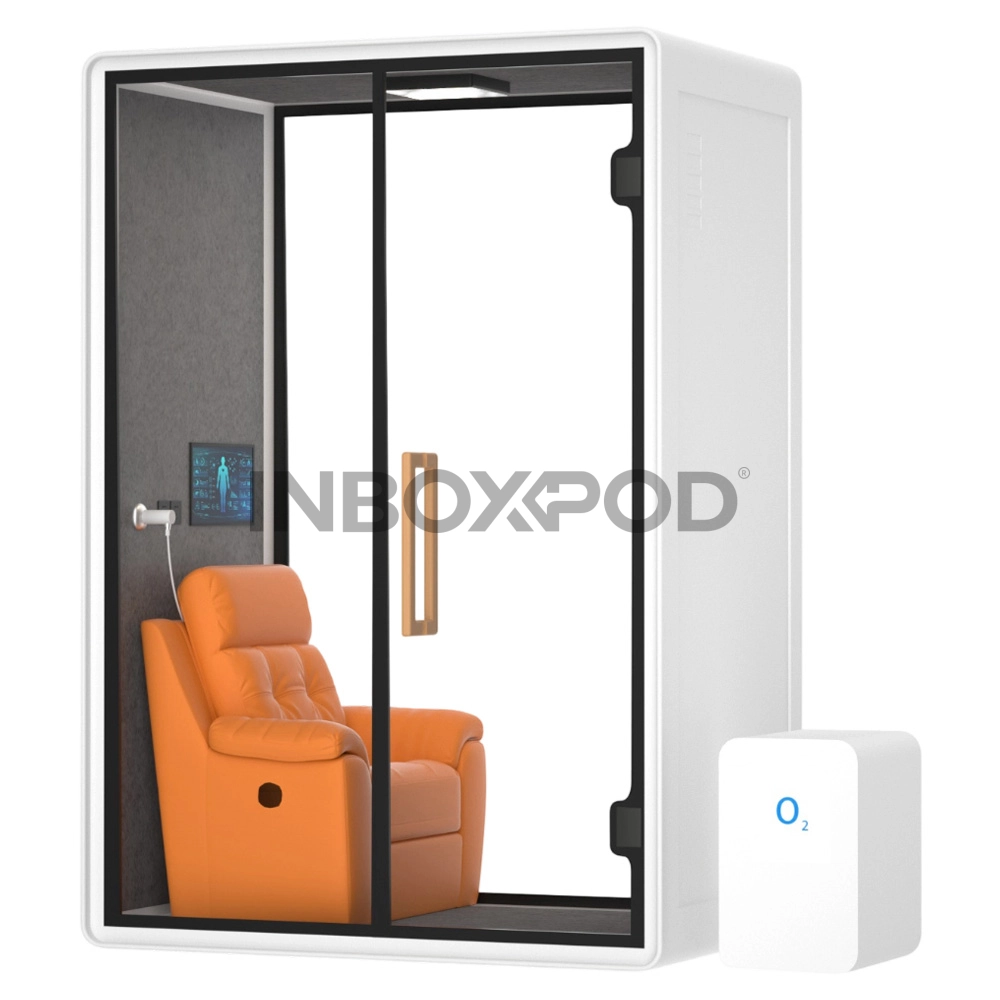
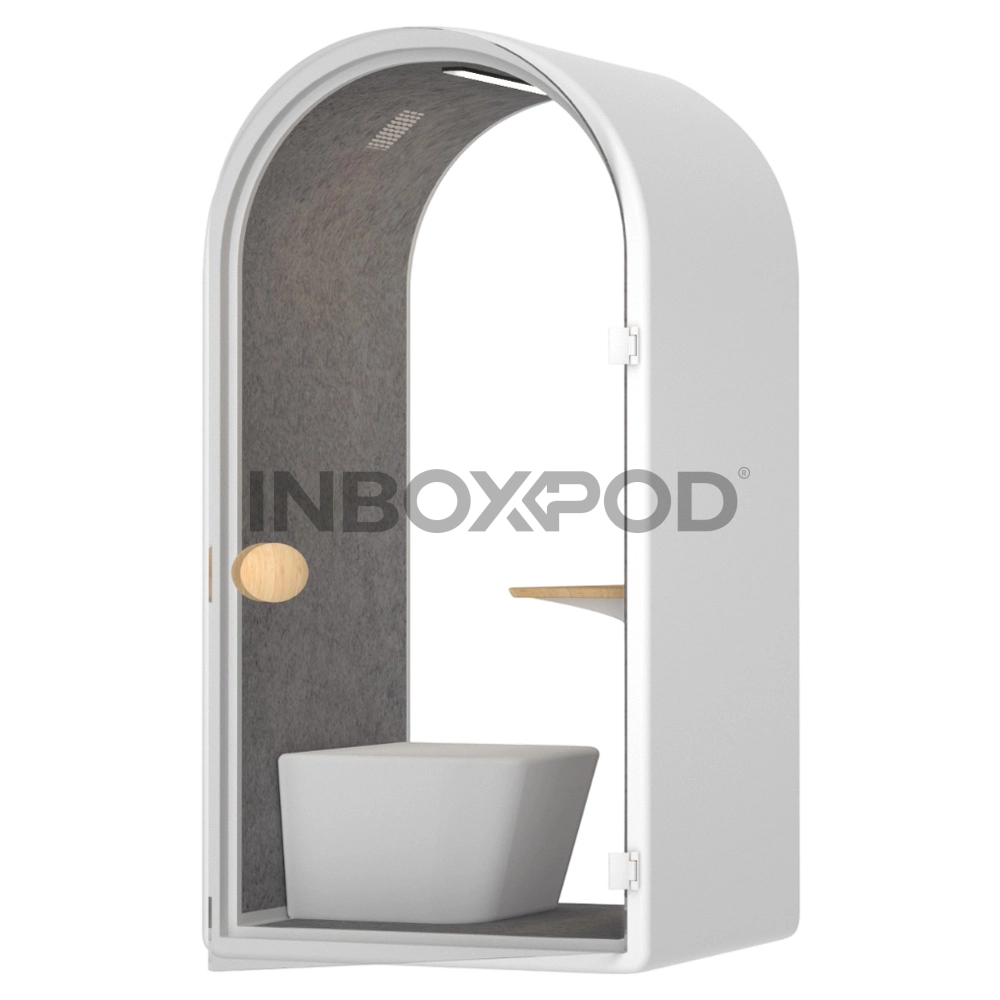
INBOXpod Soundproof Single seat Oxygen Pod
A delicate and compact personal oxygen therapy secret, with a single-seat layout that is flexible and convenient. External size: W1600×D1028×H2300 mm; internal size: W1466×D953×H2166 mm. Create a quiet, private domain for you, where you can inhale high-purity oxygen efficiently during daily relaxation or postoperative recovery, helping to improve cardiopulmonary function and mental state.
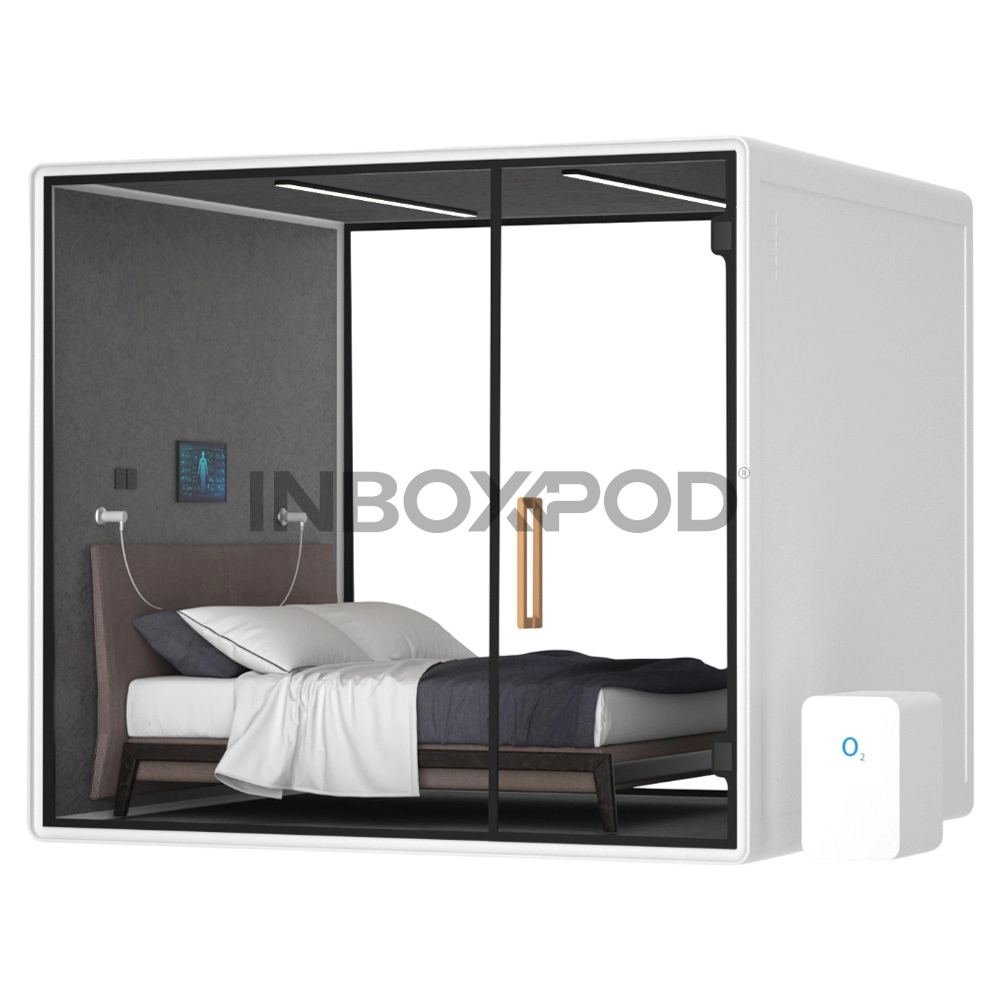
INBOXpod Soundproof Double Bed (small) Oxygen Pod
A double oxygen therapy option that balances space and experience, with a small double-bed layout suitable for various scenarios. External size: W2300×D1854×H2300 mm; internal size: W2300×D1929×H2300 mm. You can share the high-oxygen environment here with relatives and friends, relieve stress, improve physical fitness, and gain health and vitality in company.
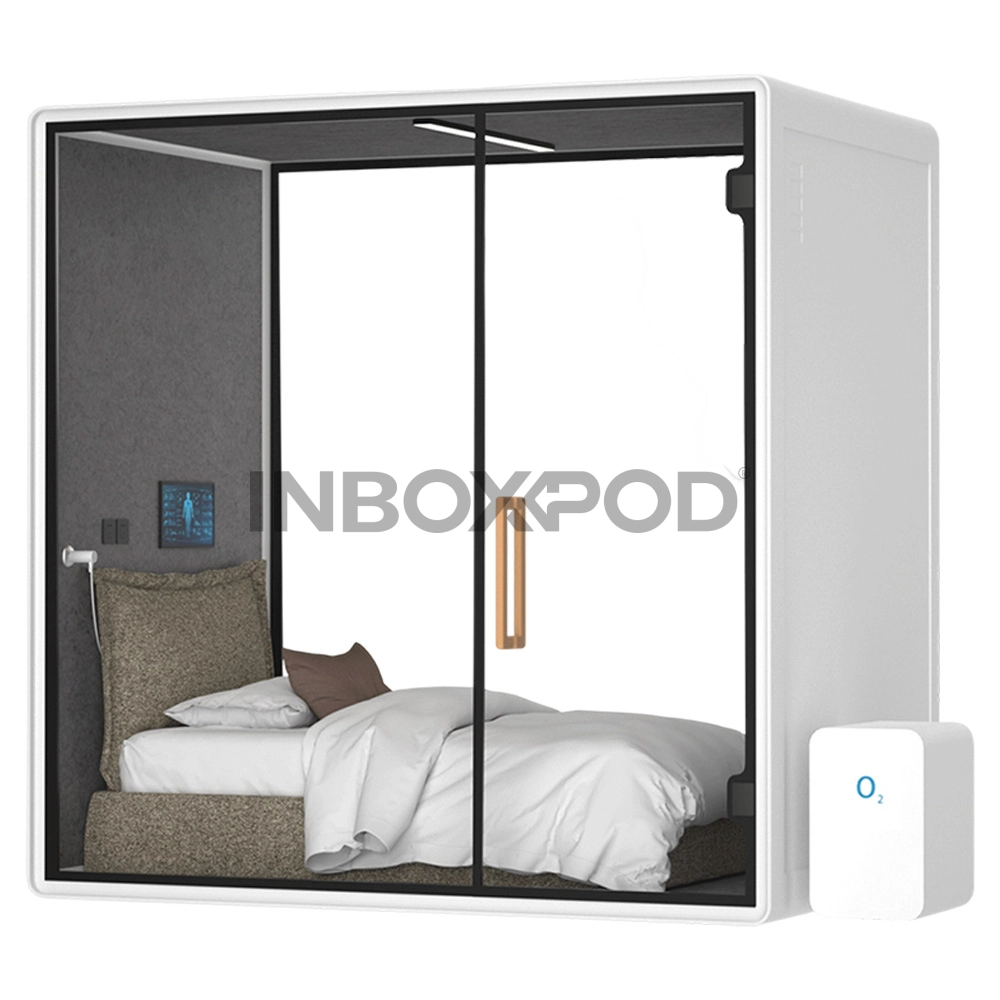
Soundproof Single Bed Oxygen Pod Therapy
Create an immersive deep health oxygen therapy space for you, with a single bed design for ultimate comfort. External size: W2300×D1478×H2300 mm; internal size: W2166×D1403×H2166 mm. Enjoy the nourishment of high-concentration oxygen while lying down, improve sleep, relieve fatigue, enhance immunity, and start a journey of health renewal.
Stay Updated with INBOXpod Insights
Subscribe to receive the latest articles, industry news, and updates on our acoustic solutions. Stay informed and discover distribution opportunities with INBOXpod.
Whatsapp: +8613535292957